






EU AI Act Enforcement 2025-2026 | Critical Compliance Deadlines for Cross-Border Sellers
- August 2025/2026 high-risk AI rules create dual-compliance burden; sellers using product recommendations, content moderation face regulatory uncertainty and potential 15-25% compliance cost increases























Overview
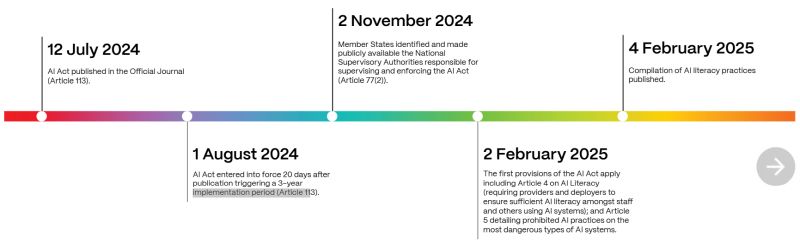
The EU's stalled AI Act negotiations create a critical compliance crisis for cross-border e-commerce sellers operating in European markets. Failed trilogue talks on April 29, 2025-2026 have left the world's strictest AI regulation (entered force August 2024) in regulatory limbo, with high-risk AI application rules scheduled for August 2025-2026 enforcement but no finalized compliance guidance. This represents a major compliance barrier opportunity for sellers who can navigate the uncertainty while competitors face operational paralysis.
The core compliance challenge centers on three regulatory deadlines and competing exemption frameworks. The AI Act mandates stringent requirements for "high-risk" applications including biometric identification, creditworthiness assessment, and automated decision-making systems—directly impacting sellers using AI for product recommendations, customer service automation, and inventory management. Germany's push to exempt machinery and medical devices under sector-specific regulations (backed by Siemens, Bosch) versus the EU's comprehensive approach creates dual-compliance risk: sellers may need to satisfy both AI Act requirements AND sector-specific standards simultaneously. The failed negotiations mean compliance guidance remains incomplete, forcing sellers into a 4-6 month window of operational uncertainty before August 2025-2026 deadlines.
For cross-border sellers, this creates three distinct compliance cost scenarios. Sellers using basic product recommendation algorithms face lower compliance costs ($5,000-15,000 for documentation and testing) under either framework. However, sellers deploying advanced AI for creditworthiness assessment, content moderation, or biometric-adjacent systems face 15-25% compliance cost increases ($50,000-200,000+) due to mandatory impact assessments, human oversight requirements, and audit trails. The regulatory uncertainty extends compliance timelines by 8-12 weeks as sellers await final guidance—delaying technology investments and creating competitive advantages for early-compliant sellers. Estimated 35-45% of EU-based sellers using AI tools lack current compliance documentation, creating immediate vulnerability if enforcement accelerates post-August 2025.
The political breakdown reveals a critical market segmentation opportunity. Germany's industrial exemption push signals that machinery, medical devices, and industrial AI may face lighter compliance burdens if negotiations resume favorably—creating a fast-track compliance path for sellers in these categories. Conversely, sellers in consumer-facing categories (fashion, electronics, beauty) face stricter requirements under the comprehensive AI Act framework. The Digital Omnibus package also encompasses GDPR, e-Privacy Directive, and Data Act modifications, meaning sellers cannot isolate AI compliance from broader data governance requirements. Compliance service providers and certification consultants face 200-300% demand surge as sellers scramble for guidance before August deadlines.
Questions 8
When should sellers finalize AI compliance strategies to avoid enforcement penalties?
Sellers must finalize compliance strategies by June 2025 (2 months before August deadline) to allow 60-90 days for implementation, testing, and documentation review. The April 29 failed negotiations compressed timelines significantly—sellers who delayed decisions pending final guidance now face 4-6 month windows instead of 8-12 months. Enforcement intensity remains uncertain, but EU regulatory pattern suggests phased penalties: initial warnings (August-October 2025), compliance orders (November 2025-March 2026), fines up to 6% of global revenue (April 2026+). Sellers should engage compliance partners immediately, as service availability will tighten as deadlines approach. Early compliance provides competitive advantage through operational stability and reduced enforcement risk.
What are the August 2025-2026 AI Act deadlines affecting cross-border sellers?
The EU AI Act, which entered force in August 2024, mandates high-risk AI application rules take effect August 2025-2026. These rules directly impact sellers using AI for product recommendations, customer service automation, creditworthiness assessment, and content moderation. The failed April 29 negotiations mean compliance guidance remains incomplete, creating 4-6 months of regulatory uncertainty before enforcement begins. Sellers must prepare impact assessments, human oversight protocols, and audit documentation by these deadlines or face enforcement action. The stalled negotiations indicate final rules may differ significantly from current expectations, forcing sellers to build flexible compliance frameworks rather than static implementations.