




Pacific Shipping Route Disruption | Sellers Must Reroute Inventory Before Q2 Peak Season
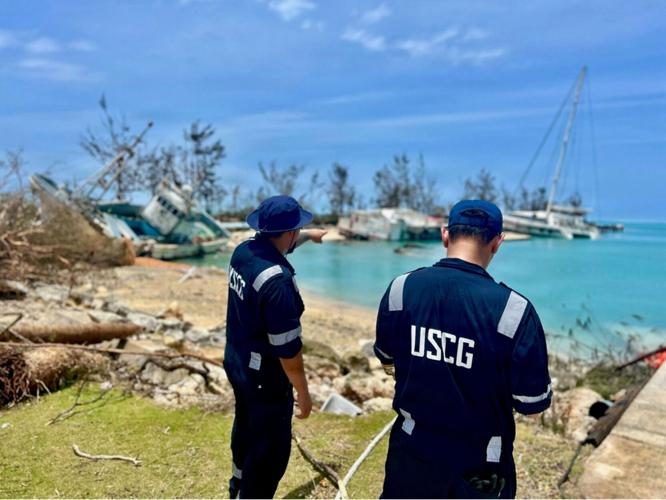
- Super Typhoon Sinlaku (150 mph winds) capsizes cargo vessel near Northern Mariana Islands; signals urgent need for sellers to diversify shipping routes and increase inventory buffers for US-Pacific markets by May 2026









!role~Preview!mt~photo!fmt~JPEG%20Baseline)







Overview
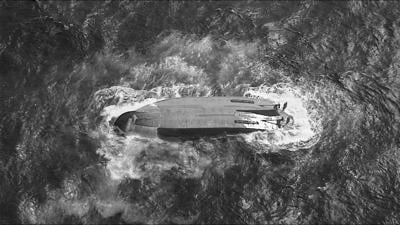
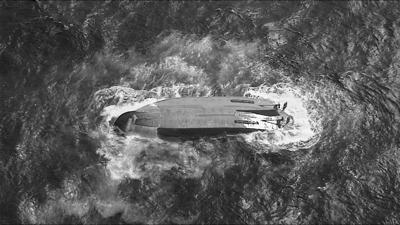
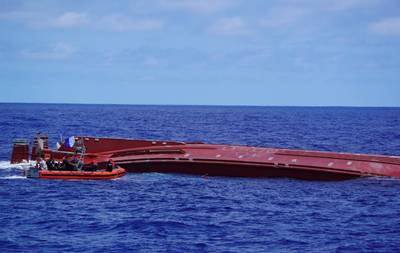
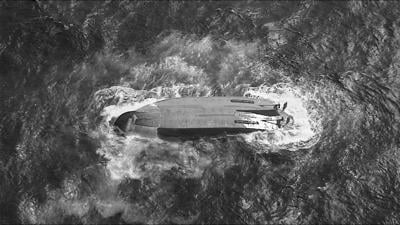
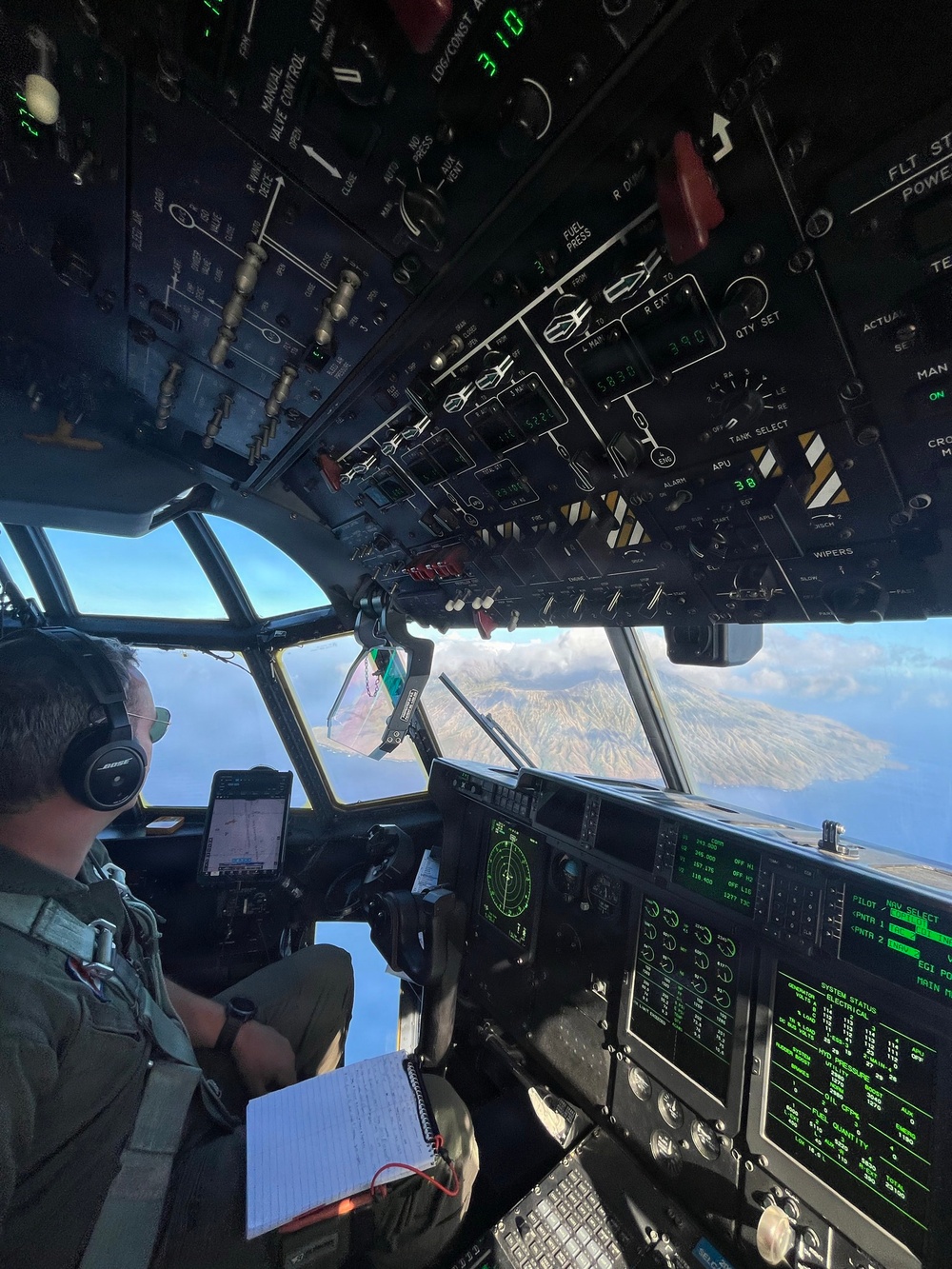
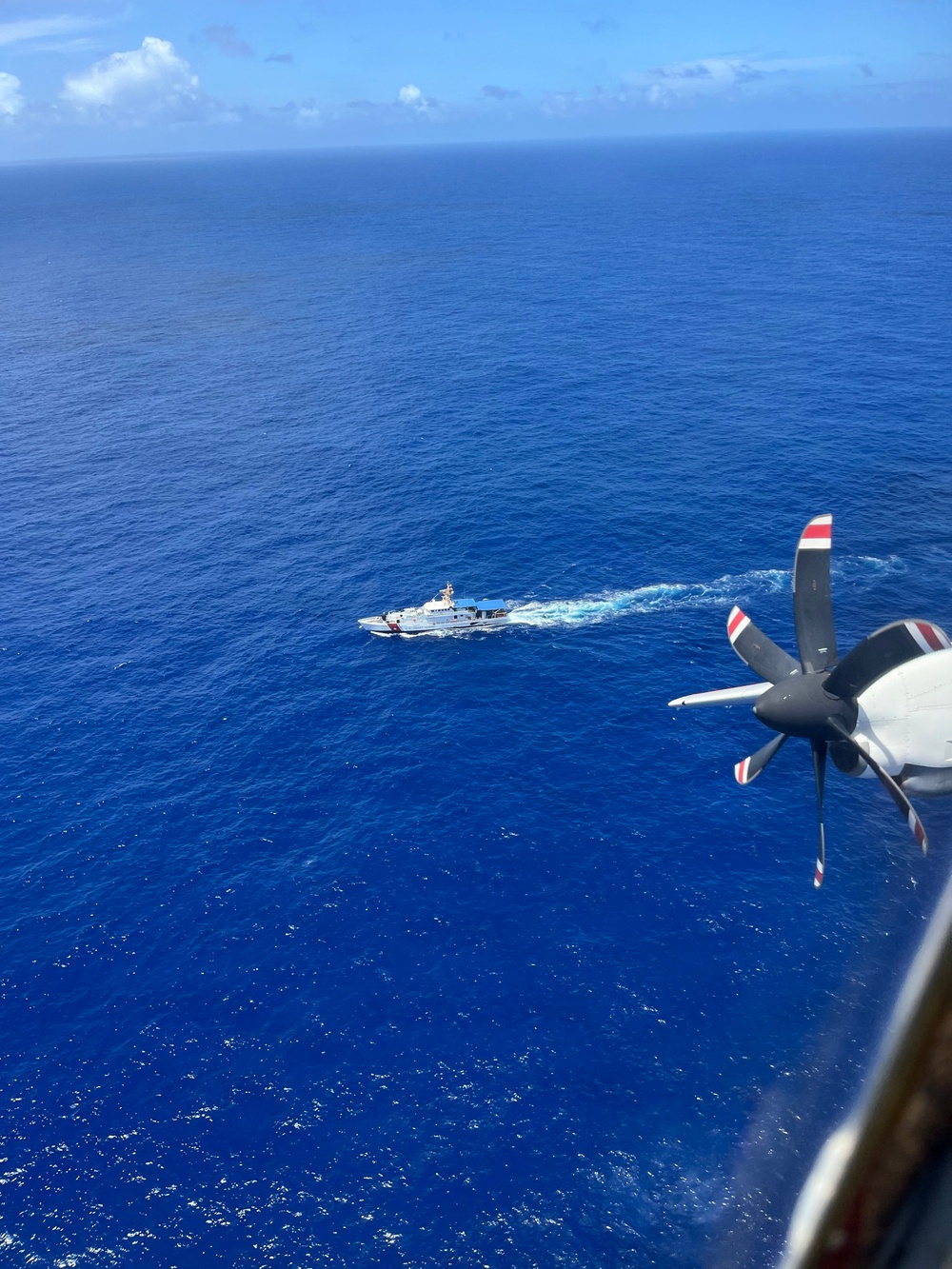
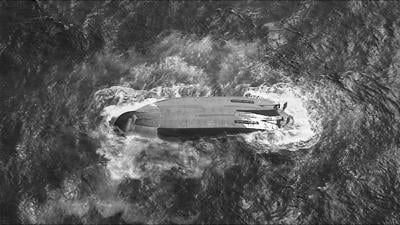
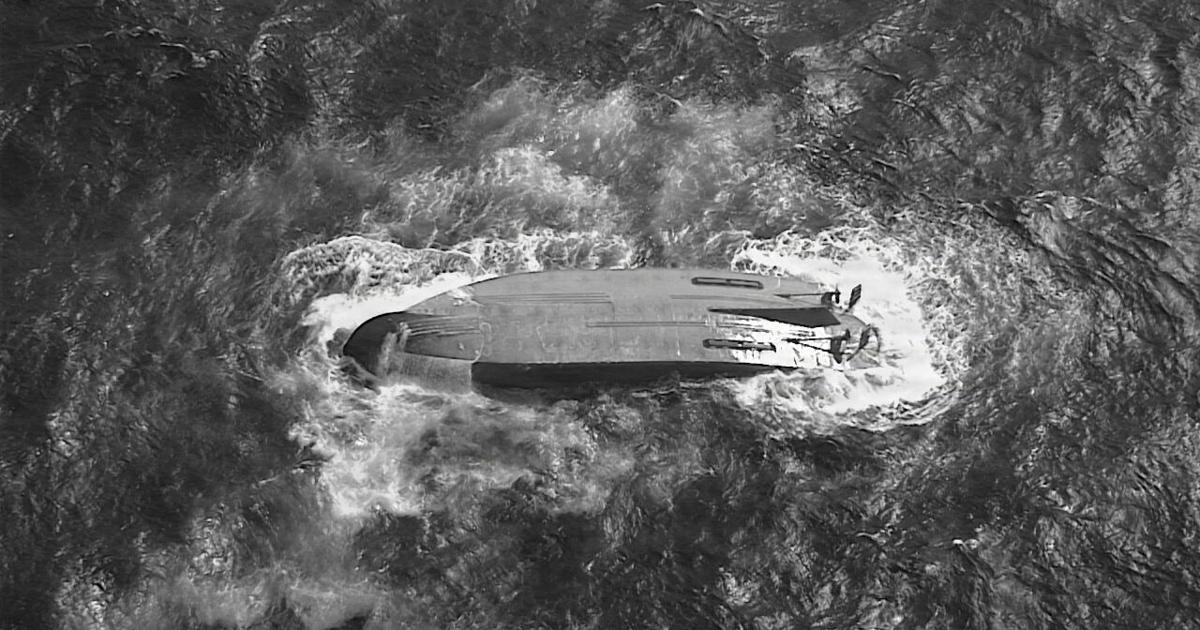
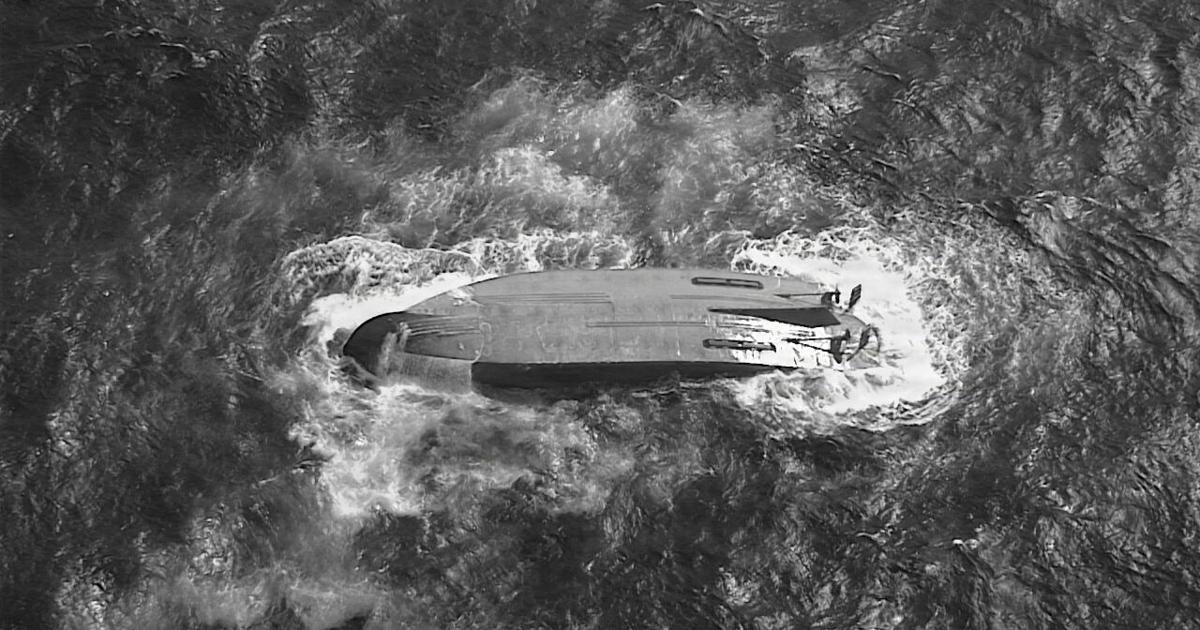
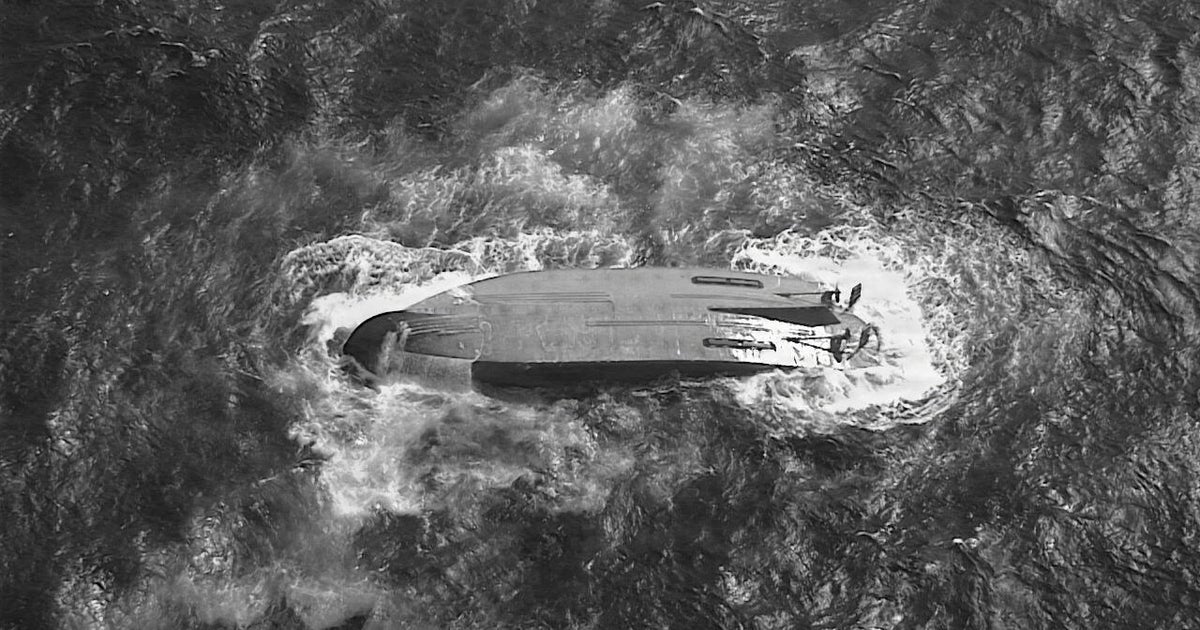
Super Typhoon Sinlaku's April 2026 impact on the Pacific shipping corridor represents a critical wake-up call for cross-border sellers relying on traditional transpacific routes. The capsizing of the U.S.-flagged cargo ship Mariana near the Northern Mariana Islands during sustained 150 mph winds—the strongest storm of 2026—demonstrates the escalating vulnerability of Pacific shipping lanes to extreme weather events. The 11-day Coast Guard search operation covering 135,000+ square nautical miles and the vessel's loss highlight operational risks that directly impact seller inventory timelines, shipping costs, and fulfillment reliability.
For sellers shipping from Asia to US markets, this event signals three immediate logistics concerns: First, Pacific route capacity will tighten as carriers implement enhanced safety protocols and reroute vessels away from typhoon-prone zones (Northern Mariana Islands, Guam corridor). Historical data shows major weather disruptions increase transpacific shipping costs by 8-15% within 30 days as carriers reduce capacity and demand spikes. Second, insurance premiums for Pacific routes will likely increase 5-12% as underwriters reassess risk exposure following the Mariana incident. Third, alternative routing through Southeast Asian ports (Singapore, Port Klang) or northern Pacific routes (via Japan) will add 3-7 days to transit times and increase per-container costs by $200-400.
Sellers must immediately implement three strategic actions: (1) Inventory Acceleration: Increase orders from China/Vietnam suppliers by 20-30% for May-July delivery, targeting completion by May 15, 2026, before peak summer season demand hits. Focus on high-velocity categories (electronics, home goods, apparel) that generate 40-60% of Q2-Q3 revenue. (2) Route Diversification: Shift 30-40% of Pacific shipments to air freight (DHL, FedEx, Cathay Pacific) for time-sensitive inventory, accepting 15-20% higher costs but gaining 5-7 day speed advantage and weather resilience. (3) Warehouse Positioning: Pre-position 60-90 days of inventory in US West Coast fulfillment centers (Los Angeles, Long Beach, Seattle) and Amazon FBA facilities before June 1, 2026, to buffer against future disruptions. Sellers shipping 500+ containers monthly should negotiate dedicated space with 3PL providers (XPO, C.H. Robinson) to secure capacity before rates escalate.
Questions 8
How long will Pacific shipping disruptions affect seller operations?
The immediate impact (elevated costs, reduced capacity) will persist for 60-90 days as carriers implement safety protocols and reroute vessels. The Mariana incident occurred in April 2026, and typhoon season typically extends through November, so elevated risk and costs will likely continue through Q3 2026. Sellers should plan for sustained cost increases of 8-15% through September 2026, then gradual normalization in Q4. Implement contingency planning now: secure 3PL warehouse space, lock in air freight rates, and build 60-90 day inventory buffers by June 1, 2026. Monitor carrier announcements for route changes and capacity updates weekly.
What product categories should sellers prioritize for inventory pre-positioning?
Focus on high-velocity, high-margin categories that generate 40-60% of Q2-Q3 revenue: electronics (smartphones, accessories, smart home devices), home goods (furniture, kitchen appliances, storage), apparel (seasonal clothing, footwear), and collectibles (trading cards, action figures, memorabilia). These categories have strong summer demand and justify premium air freight costs if needed. Avoid pre-positioning slow-moving inventory (niche items, seasonal off-season products) that ties up capital. For sellers with $50K+ monthly inventory spend, allocate 60% of pre-positioning budget to electronics/home goods, 25% to apparel, 15% to collectibles. Use Amazon Best Seller Rank (BSR) and historical sales velocity data to identify top 100-200 SKUs for priority pre-positioning.