




Strait of Hormuz Blockade Threatens 20% Global Oil Supply | Shipping Cost Impact for E-Commerce Sellers
- Iran's March 2026 mine deployment blocks critical trade corridor; shipping insurance premiums and fuel surcharges expected to rise 8-15% for cross-border sellers; Ukrainian demining technology offers 3-6 month resolution window

Overview
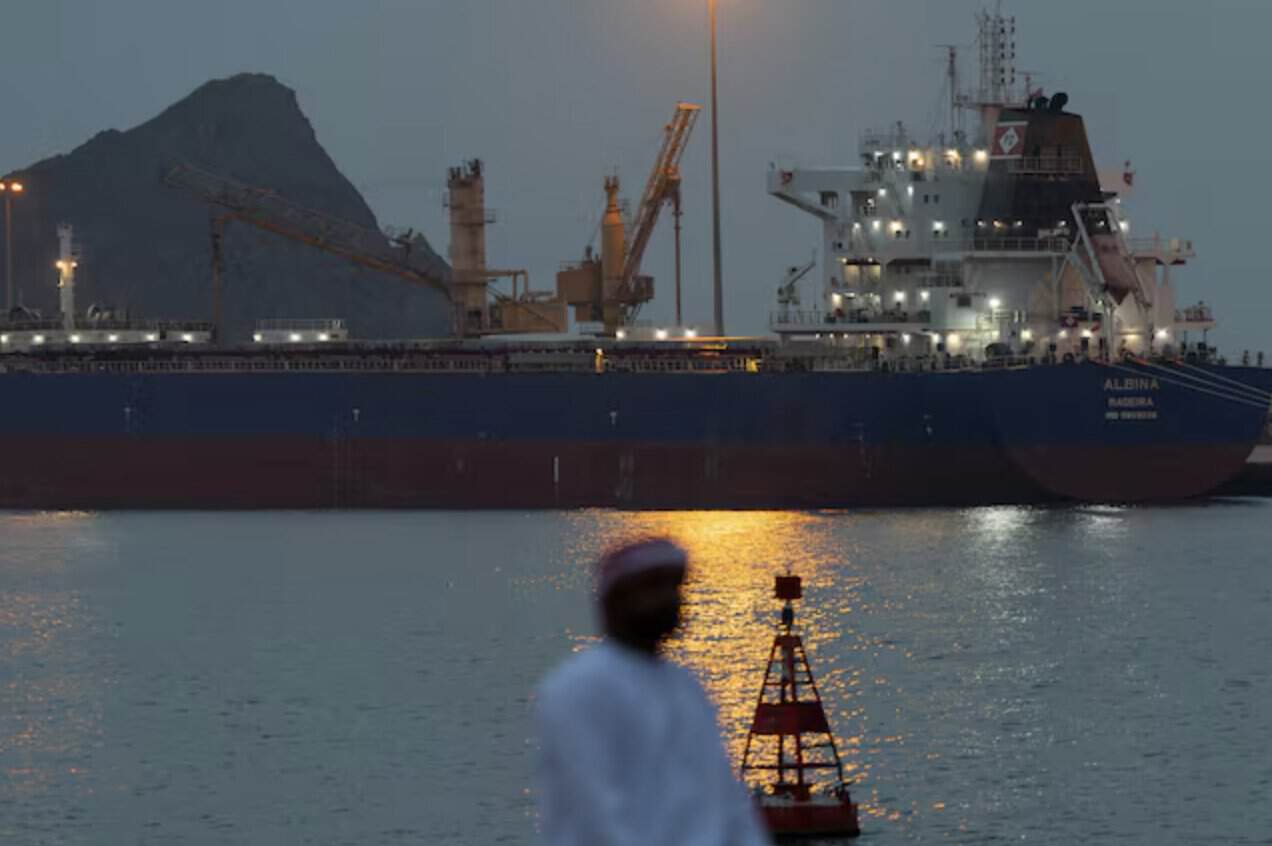
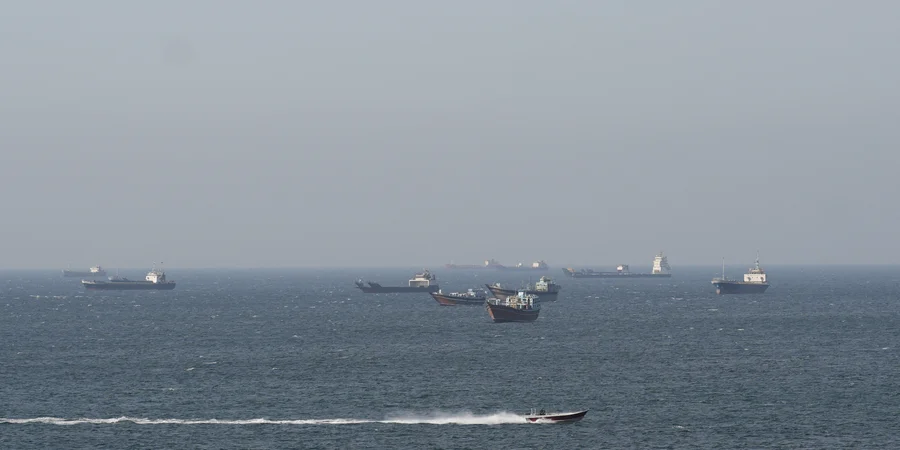
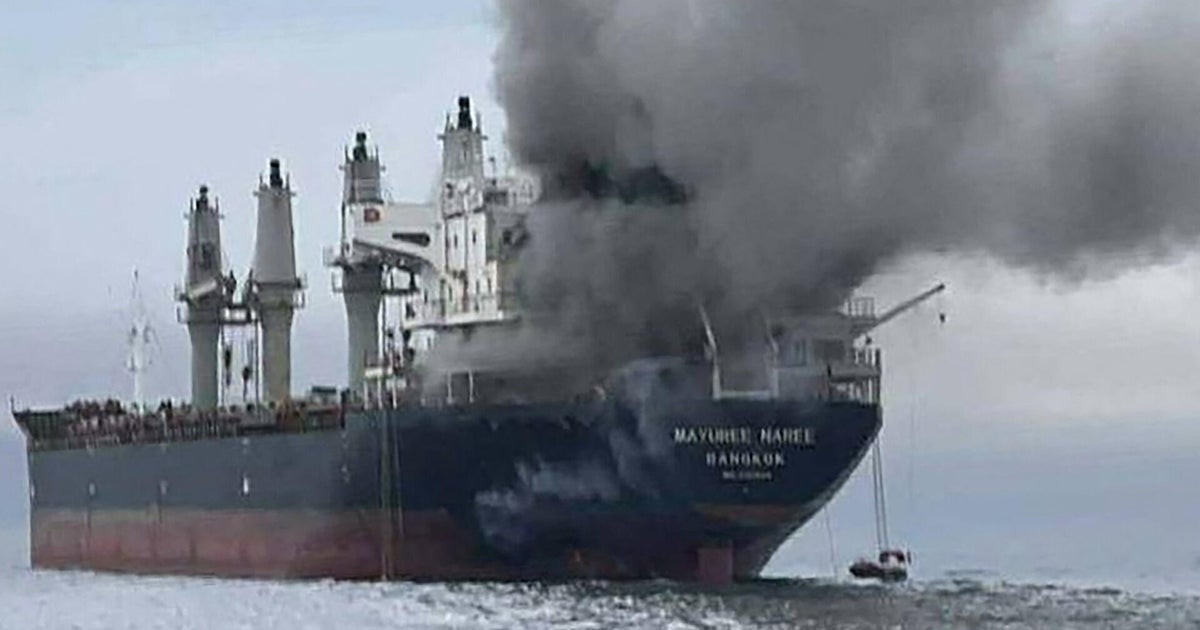
The Strait of Hormuz blockade initiated in March 2026 represents a critical supply chain vulnerability affecting cross-border e-commerce sellers globally. Iran's mine deployment has closed approximately 20% of global energy supplies, creating immediate pressure on shipping costs, fuel surcharges, and maritime insurance premiums. For e-commerce sellers relying on ocean freight—particularly those shipping from Asia to North America and Europe—this geopolitical event translates directly to operational cost increases of 8-15% on per-unit logistics expenses within 30-60 days.
The immediate shipping cost impact is substantial. Sellers currently paying $0.50-1.50 per unit in fuel surcharges can expect increases to $0.54-1.73 per unit as oil prices stabilize at elevated levels. For a mid-sized seller moving 10,000 units monthly from China to US/EU markets, this represents an additional $400-2,300 monthly cost burden. Maritime insurance premiums for vessels transiting the Strait have historically increased 15-25% during blockade periods, with some insurers implementing temporary route surcharges of 2-3% of cargo value. Sellers shipping high-value electronics, apparel, or home goods face compounded pressure on already-thin margins (typically 15-25% gross margin in competitive categories).
Strategic sourcing shifts are accelerating. The news indicates Ukraine possesses advanced demining technology (TLK-150 sea drone with 1,200+ mile range and AI-based GPS-independent navigation) that could clear the Strait in 3-6 months if deployment accelerates. However, U.S. military acquisition processes face "bureaucratic obstacles" requiring "extensive testing and evaluation," suggesting realistic clearance timeline extends to 6-12 months. This creates a critical window for sellers to evaluate alternative logistics corridors: air freight (3-4x ocean cost but 5-7 day transit), northern routes via Russia (currently restricted), or supply chain diversification to Vietnam/India-based manufacturers (reducing Strait dependency by 30-40%).
Competitive advantage emerges for sellers with supply chain flexibility. Small sellers (under 100 units/month) face disproportionate cost impact due to less favorable LCL (less-than-container-load) rates; mid-market sellers (1,000-5,000 units/month) can negotiate FCL (full-container-load) alternatives; large sellers (10,000+ units/month) have leverage to secure long-term contracts locking in current rates. Ukrainian defense contractors' involvement in maritime security (TAF Industries providing vessel protection, Toloka manufacturing demining drones) signals emerging private-sector solutions that could reduce insurance costs by 5-8% if adopted by shipping lines. Sellers should monitor bilateral trade agreements between Ukraine and Middle Eastern countries (announced April 28, 2026) for potential corridor reopening timelines.
Questions 8
How can sellers reduce logistics costs amid the Strait blockade?
Immediate actions (0-30 days): Review inventory by product margin; prioritize high-margin SKUs for air freight; negotiate FCL rates with 3PL providers for alternative routes. Strategic adjustments (1-3 months): Diversify suppliers to Vietnam/India to reduce Strait dependency; evaluate nearshoring to Mexico/Central America for North American markets; implement dynamic pricing to pass 3-5% cost increases to consumers. Monitor Ukrainian demining progress and bilateral trade agreements for corridor reopening signals. Consider private maritime security services (TAF Industries model) if shipping high-value cargo; potential 5-8% insurance premium reduction offsets security costs.
What is the tariff and trade policy impact of the Strait blockade?
The blockade creates indirect tariff arbitrage opportunities: (1) Goods sourced from Vietnam/India face lower tariffs than China alternatives in many categories, offsetting Strait-related shipping cost increases; (2) Ukrainian weapons/defense technology exports are being simplified via bilateral Middle Eastern agreements (announced April 28, 2026), potentially opening new sourcing corridors; (3) U.S. military procurement of Ukrainian demining technology could accelerate if bureaucratic obstacles are overcome, signaling policy shift toward Eastern European defense partnerships. Sellers should monitor tariff code changes for Vietnam/India sourcing and potential sanctions relief affecting Middle Eastern trade routes.