



Amazon Q1 2026 Earnings Beat | AWS 28% Growth Signals AI-Driven Seller Tool Expansion
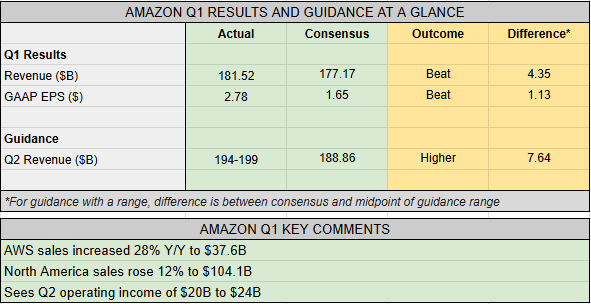
- AWS revenue surges to $37.6B with 28% YoY growth; $364B backlog signals sustained platform investment in AI-powered seller tools, recommendation algorithms, and fraud detection systems through 2026-2027






























Overview
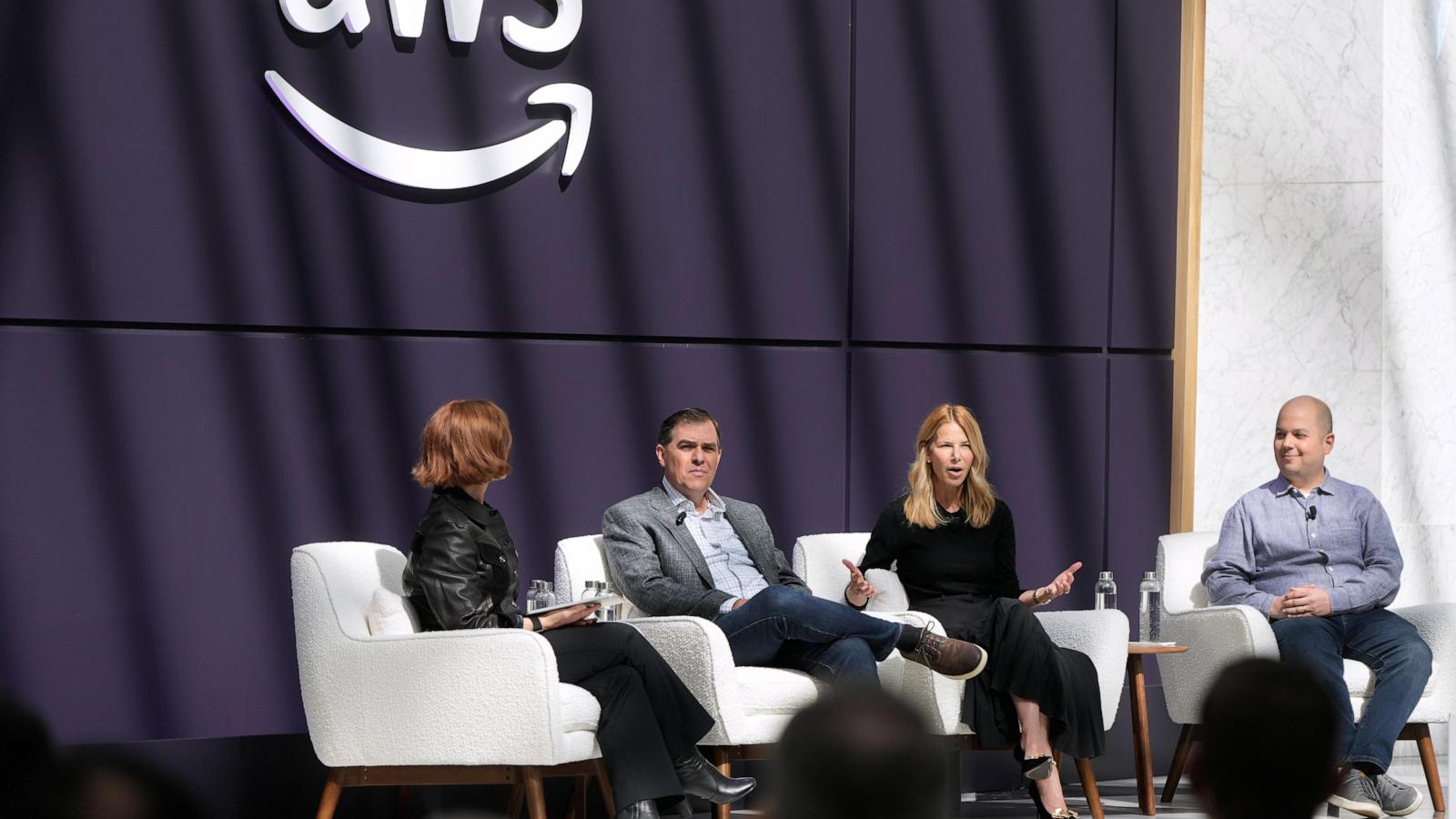
Amazon's Q1 2026 earnings announcement on April 29, 2026 delivered a watershed moment for cross-border e-commerce sellers, with AWS revenue accelerating to its fastest pace in 15 quarters at 28% year-over-year growth, reaching $37.6 billion. The company's $742.7 billion annual revenue—the largest of any global company—combined with a $364 billion AWS backlog, signals aggressive capital expenditure in AI infrastructure that will directly enhance seller-facing tools, recommendation algorithms, fraud detection, and inventory management systems. Third-party seller services and advertising segments achieved double-digit growth rates, demonstrating Amazon's commitment to monetizing and improving the seller ecosystem.
The financial strength translates to concrete platform improvements for sellers within 6-12 months. Amazon's $23.9 billion operating income and heavy AI capex investments indicate accelerated development of seller-focused features. The company's custom chip development strategy (reducing third-party semiconductor dependency) and Anthropic investment signal that Amazon is building proprietary AI capabilities specifically for marketplace operations. For sellers using Amazon's infrastructure, this means enhanced Buy Box algorithms, improved fraud detection reducing false suspensions, faster inventory processing, and more sophisticated demand forecasting tools. The 25% AWS revenue growth in Q1 (per News 1) demonstrates that enterprise customers are investing heavily in cloud infrastructure, creating a virtuous cycle where Amazon reinvests in platform reliability and seller tools.
Regional and segment-specific implications vary significantly. North America and International regions both expanded operating margins through third-party seller services growth, indicating Amazon is investing in cross-border logistics infrastructure and international seller support. The $364 billion AWS backlog provides 12-18 months of revenue visibility, meaning seller-focused feature development will continue uninterrupted through 2027. However, analysts noted heavy AI capex has reduced free cash flow in the near term, which could theoretically impact fee reductions or promotional spending—though the positive investor sentiment suggests Amazon will prioritize long-term margin expansion over short-term cost cuts. Sellers should expect platform fees to remain stable or increase modestly as Amazon monetizes AI-enhanced tools through premium seller services (Advertising, Brand Registry, Fulfillment).
Immediate opportunities emerge in AI-adjacent product categories and seller service adoption. The emphasis on recommendation algorithms and fraud detection suggests Amazon will increasingly favor sellers with clean compliance records and optimized listings. Sellers investing in professional photography, enhanced content, and A+ pages will see disproportionate visibility gains as AI algorithms reward high-quality listings. Additionally, the $364 billion backlog signals sustained demand for enterprise cloud services, which indirectly benefits sellers offering B2B products or using AWS for their own operations. The Anthropic investment hints at future generative AI tools for sellers—potentially AI-powered listing optimization, customer service automation, and demand forecasting—creating first-mover advantages for early adopters.
Questions 8
How will Amazon's 28% AWS growth and $364B backlog impact seller tools and features?
Amazon's accelerating AWS revenue (28% YoY, reaching $37.6B in Q1 2026) combined with a $364 billion backlog provides 12-18 months of guaranteed capital for infrastructure investment. This directly translates to enhanced seller-facing tools: improved Buy Box algorithms powered by proprietary AI chips, faster inventory processing, advanced fraud detection reducing false suspensions, and sophisticated demand forecasting. The company's Anthropic investment signals future generative AI tools for sellers, potentially including AI-powered listing optimization and automated customer service. Sellers should expect these features to roll out progressively through 2026-2027, with early adopters gaining competitive advantages in visibility and conversion rates.
What does Amazon's $23.9B operating income mean for seller fees and platform pricing?
Amazon's strong $23.9 billion operating income and positive investor sentiment suggest the company will prioritize long-term margin expansion over fee reductions. While heavy AI capex has reduced free cash flow in the near term, analysts view this as strategic positioning rather than financial distress. For sellers, this likely means platform fees will remain stable or increase modestly as Amazon monetizes AI-enhanced tools through premium services (Advertising, Brand Registry, Fulfillment). The company's focus on high-margin segments (third-party seller services, advertising) indicates Amazon will continue bundling AI-powered features into tiered seller plans rather than offering them free. Sellers should budget for 5-10% annual fee increases tied to new AI-powered features.