



Google Cloud AI Boom Reshapes Alphabet's Revenue | Seller Infrastructure Opportunities
- Google Cloud reaches 18% of Alphabet revenue (Q1 2026) with 63% YoY growth; AI infrastructure demand creates $460B backlog and new seller opportunities in cloud services, data analytics, and AI-powered e-commerce tools




























Overview
Google Cloud's explosive growth to 18% of Alphabet's total revenue in Q1 2026 signals a fundamental shift in how enterprise infrastructure is monetized—with direct implications for e-commerce sellers. The cloud division generated $20 billion in quarterly revenue with 63% year-over-year growth and operating margins expanding from 9.4% to 32.9%, driven almost entirely by AI adoption. This $460 billion backlog indicates sustained demand momentum that extends far beyond Alphabet's internal operations.
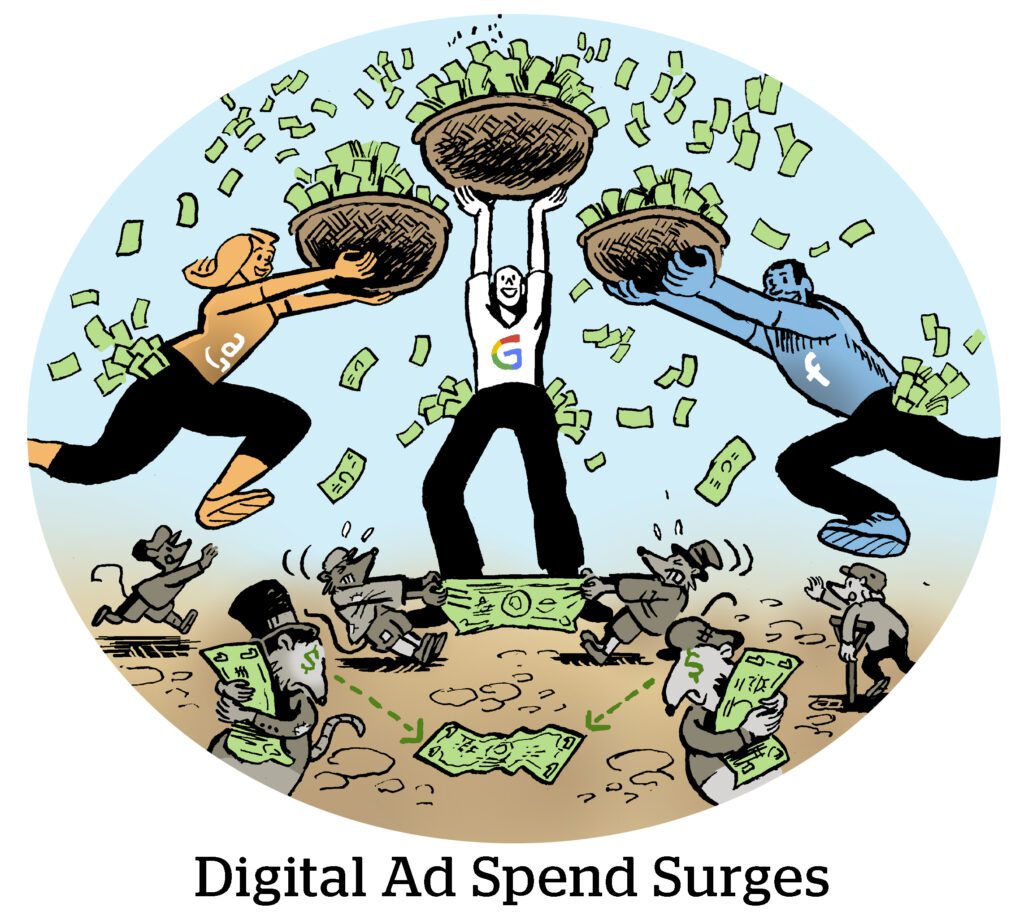
For e-commerce sellers, this infrastructure transformation creates three critical opportunities. First, AI-powered seller tools and analytics platforms are becoming increasingly viable as cloud infrastructure costs stabilize and AI capabilities mature. Sellers can now access enterprise-grade machine learning for demand forecasting, inventory optimization, and dynamic pricing—capabilities previously available only to large corporations. Google Cloud's 32.9% operating margins demonstrate the profitability of these services, meaning vendors can build sustainable SaaS businesses targeting Amazon FBA sellers, Shopify merchants, and eBay resellers. Second, logistics and fulfillment optimization powered by Google Cloud AI is accelerating. The $77 billion advertising segment (up 16% YoY) shows Google's core business remains strong, but cloud infrastructure enables real-time supply chain visibility, predictive shipping models, and warehouse automation that directly reduce fulfillment costs for 3PL providers and sellers using advanced logistics platforms. Third, data monetization opportunities are expanding as sellers increasingly need AI-driven consumer insights. The shift from Google's traditional search-and-advertising model to an enterprise cloud model reflects broader market recognition that data infrastructure—not just ad placement—drives competitive advantage.
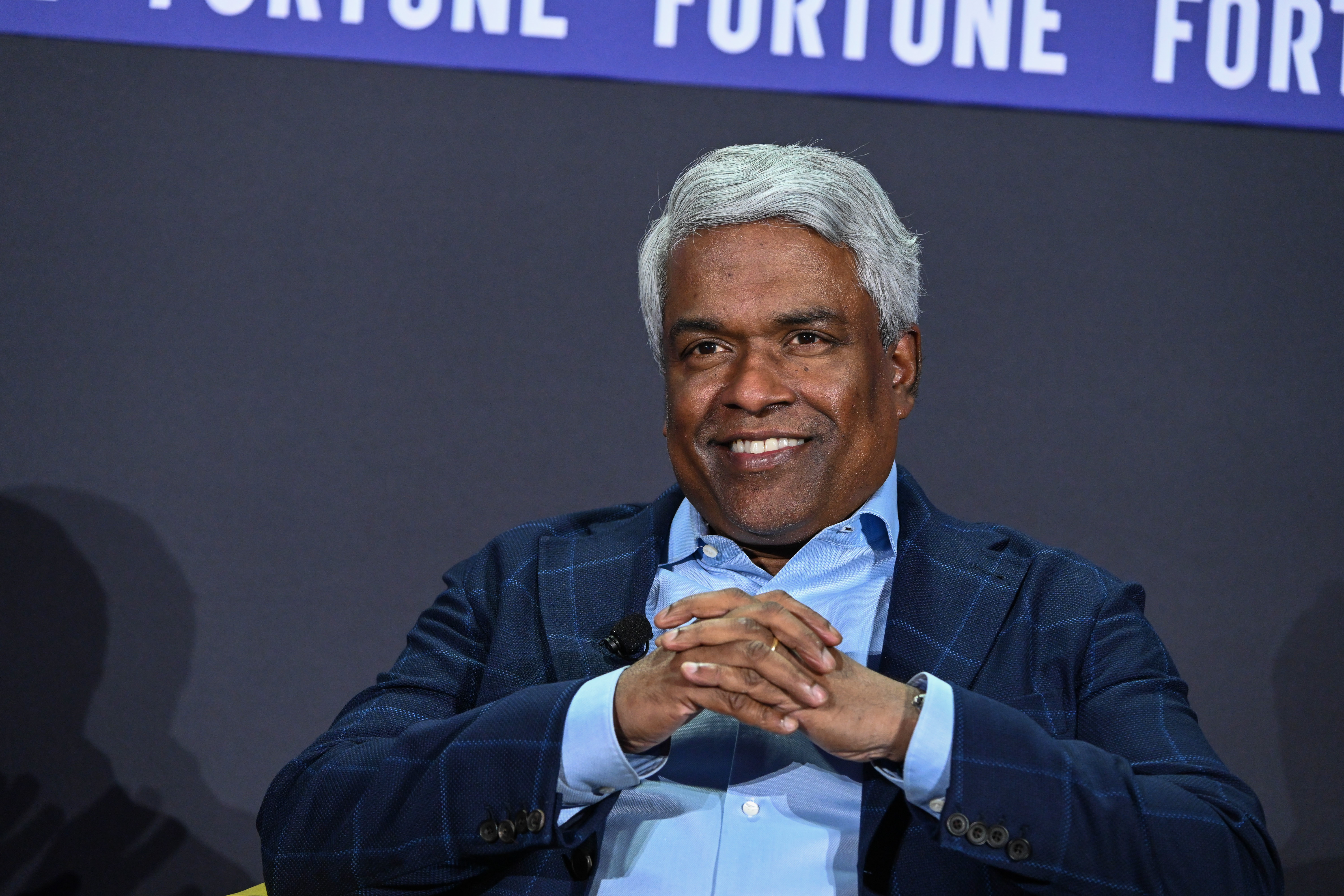
The sustainability of this growth depends on continued AI adoption, creating both opportunity and risk for sellers. While the $460 billion backlog suggests insatiable near-term demand, potential market saturation or technological shifts could compress margins and reduce investment in seller-facing AI tools. Sellers should monitor Google Cloud's quarterly performance as a leading indicator of AI infrastructure spending trends. The cultural divergence between Google Cloud (led by Oracle veteran Thomas Kurian) and traditional Google operations suggests future product development will prioritize enterprise customers over consumer-facing sellers, potentially creating gaps where specialized e-commerce platforms can differentiate. Sellers leveraging Google Cloud's AI capabilities today—through BigQuery for analytics, Vertex AI for demand forecasting, or Looker for business intelligence—gain competitive advantages that may not be available at scale in 12-18 months if cloud infrastructure becomes commoditized.
Questions 8
How should sellers prepare for potential changes in Google's leadership and product priorities?
The cultural divergence between Google Cloud (enterprise-focused under Kurian) and traditional Google operations may influence future leadership succession at Alphabet, potentially shifting product priorities. Sellers should prepare for scenarios where: (1) Google Cloud becomes Alphabet's primary profit driver, reducing investment in consumer-facing services like Google Shopping, (2) Enterprise customers receive preferential treatment in AI feature rollouts, (3) Advertising pricing increases to offset cloud market competition. Mitigation strategies: (1) Diversify advertising spend across Amazon Advertising, eBay, and Shopify to reduce Google dependency, (2) Build analytics capabilities using multiple platforms (Google Cloud, AWS, Shopify native tools) rather than relying solely on Google, (3) Monitor Alphabet's quarterly earnings and leadership announcements for strategic shifts. The next 12-18 months are critical: if Google Cloud maintains 60%+ growth and margins expand beyond 32.9%, expect accelerated investment in enterprise infrastructure at the expense of consumer-facing sellers. Prepare contingency plans now.
What product categories benefit most from Google Cloud's AI infrastructure investments?
Categories requiring complex demand forecasting, dynamic pricing, and supply chain optimization benefit most: (1) Electronics and consumer tech (high SKU count, rapid obsolescence), (2) Fashion and apparel (seasonal demand, trend-driven), (3) Home and garden (weather-dependent, seasonal spikes), (4) Health and beauty (expiration dates, inventory turnover). Google Cloud's AI capabilities enable sellers in these categories to reduce overstock by 15-25% and improve sell-through rates by 10-20% through predictive analytics. Sellers in commodity categories (basic supplies, non-perishable goods) see lower ROI from advanced AI tools. Evaluate your category's demand volatility: if you experience >30% monthly demand variance, AI-powered forecasting tools justify investment. The $460 billion backlog indicates sustained investment in these capabilities for 18-24 months, making this an optimal window to adopt AI-driven optimization before competitors saturate the market.