





Sanctions Enforcement & Supply Chain Verification | Cross-Border Grain Trade Compliance Surge
- Tightens documentation requirements for 30+ illegal shipments since 2023; creates compliance verification opportunities for agricultural commodity sellers and logistics providers























Overview
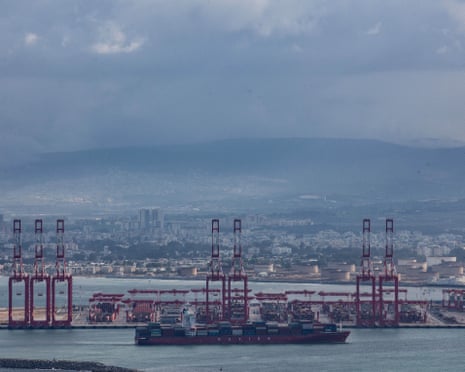
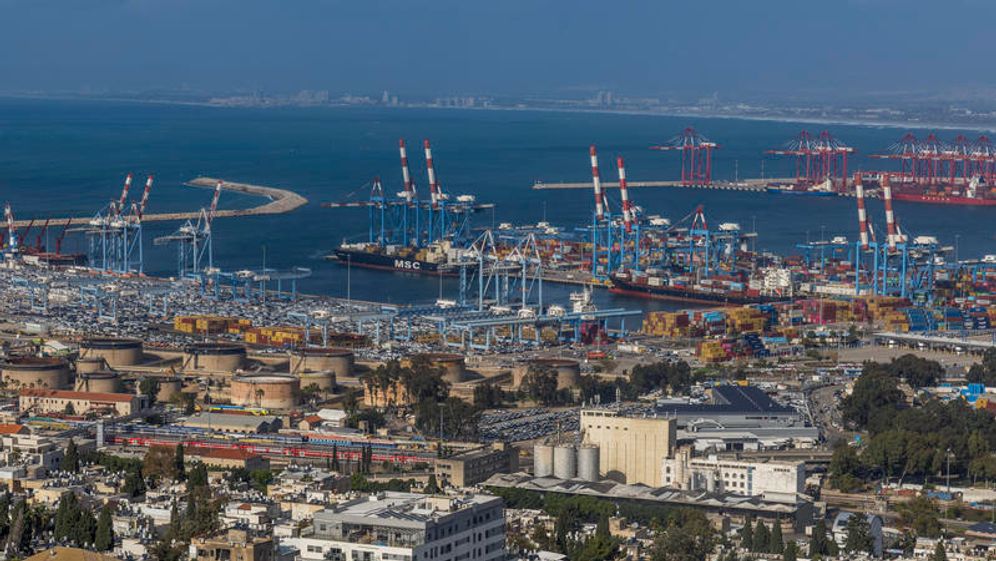
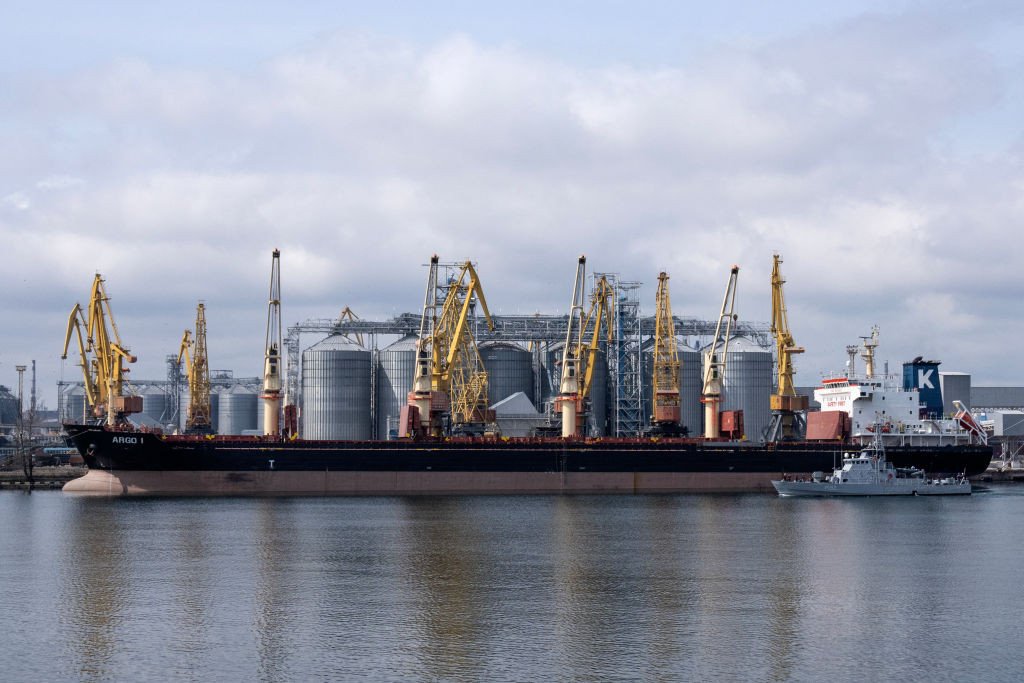
The refusal by Israeli grain importer Zenziper to unload the bulk carrier Panormitis carrying allegedly stolen Ukrainian grain represents a critical inflection point in supply chain compliance verification for cross-border agricultural commodity sellers. This incident, documented by Haaretz as part of 30+ illegal grain shipments since 2023 (with 4+ in 2026 alone), signals that international sanctions enforcement is shifting from government-level penalties to buyer-side verification requirements. For e-commerce sellers and logistics providers, this creates both compliance risks and market opportunities.
The immediate impact affects three seller segments: (1) Agricultural commodity traders sourcing grain, fertilizers, and food products from Eastern Europe must now implement enhanced due diligence protocols to verify origin documentation and avoid sanctions liability; (2) Logistics and 3PL providers handling bulk agricultural shipments face increased port-level scrutiny, with Israeli ports now requiring formal government guidance before accepting cargo—adding 5-10 business days to clearance timelines; (3) Food product manufacturers and exporters using grain as raw materials must establish supplier verification systems to prevent downstream sanctions exposure, particularly for EU-bound shipments where the European Union has explicitly warned of sanctions against circumvention participants.
The news reveals a critical compliance gap: Israel's Foreign Ministry initially claimed Ukraine delayed submitting formal paperwork, but the real issue was documentation quality and verification standards. This indicates that sellers cannot rely on basic customs documentation—they must now provide enhanced supply chain transparency including origin certificates, production records, and sanctions screening. The EU's intervention requesting additional information from Israeli authorities signals that compliance verification is becoming a competitive advantage. Sellers who implement blockchain-based supply chain tracking, third-party origin verification, or sanctions screening software will gain preferential access to premium markets (EU, UK, North America) while competitors face port delays and cargo rejections.
Tariff and market access implications: The precedent established by Zenziper's rejection creates a new compliance standard that will ripple across grain-importing nations. Sellers shipping agricultural products to Israel, EU ports, or UK markets should expect enhanced documentation requirements adding 2-3% to compliance costs. However, this also creates opportunities for compliance-as-a-service providers offering sanctions screening, origin verification, and documentation management—a market segment projected to grow 25-30% annually as enforcement tightens.
Questions 8
How does EU sanctions enforcement impact cross-border grain and food product sellers?
The European Union explicitly warned of sanctions against those involved in circumventing Russia sanctions, signaling that EU-bound agricultural shipments face heightened scrutiny. The EU's intervention requesting additional information from Israeli authorities indicates that compliance verification is now a prerequisite for market access. Sellers shipping food products, grain, or agricultural commodities to EU ports must implement enhanced due diligence including sanctions screening, origin verification, and documentation management. Non-compliance risks cargo seizure, port delays (5-10 business days), and potential sanctions liability. Sellers should prioritize EU compliance protocols and consider compliance-as-a-service providers to manage documentation requirements.
What are the cost implications of enhanced sanctions compliance for agricultural commodity sellers?
Enhanced compliance verification adds 2-3% to shipping costs through documentation, third-party verification, and port clearance delays. For a typical 10,000-ton grain shipment worth $2-3M, compliance costs increase by $40,000-90,000. These costs include origin certificate verification ($5,000-15,000), sanctions screening ($2,000-5,000), and port delay costs ($20,000-50,000 for 5-10 day delays). However, sellers who implement compliance systems gain competitive advantages through faster clearance, premium market access (EU, UK, North America), and reduced liability exposure. The compliance market itself is growing 25-30% annually, creating opportunities for verification service providers.