






Mediterranean Shipping Tensions Escalate | Cross-Border Sellers Face Route Disruptions
- Geopolitical conflict near Crete impacts international maritime logistics; sellers shipping to EU face potential delays and insurance cost increases of 5-12%
































Overview
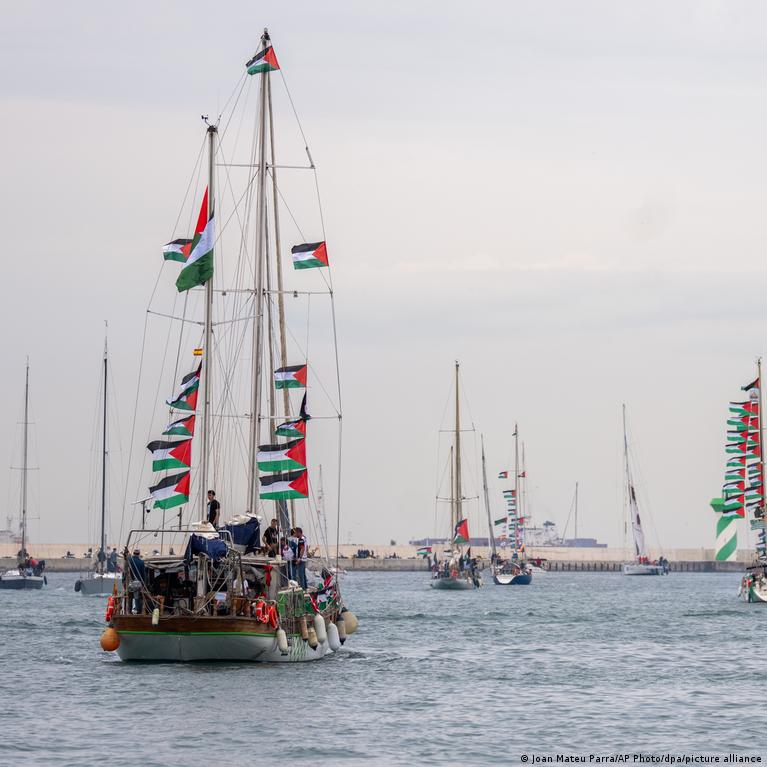
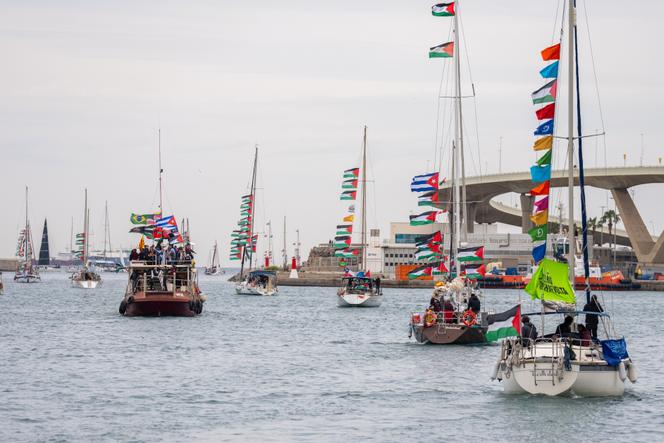
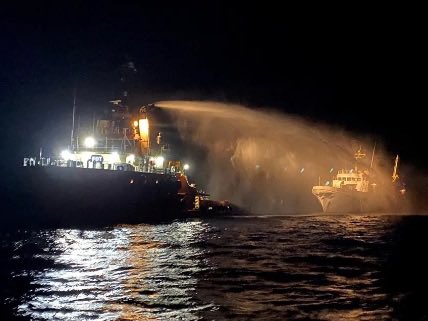
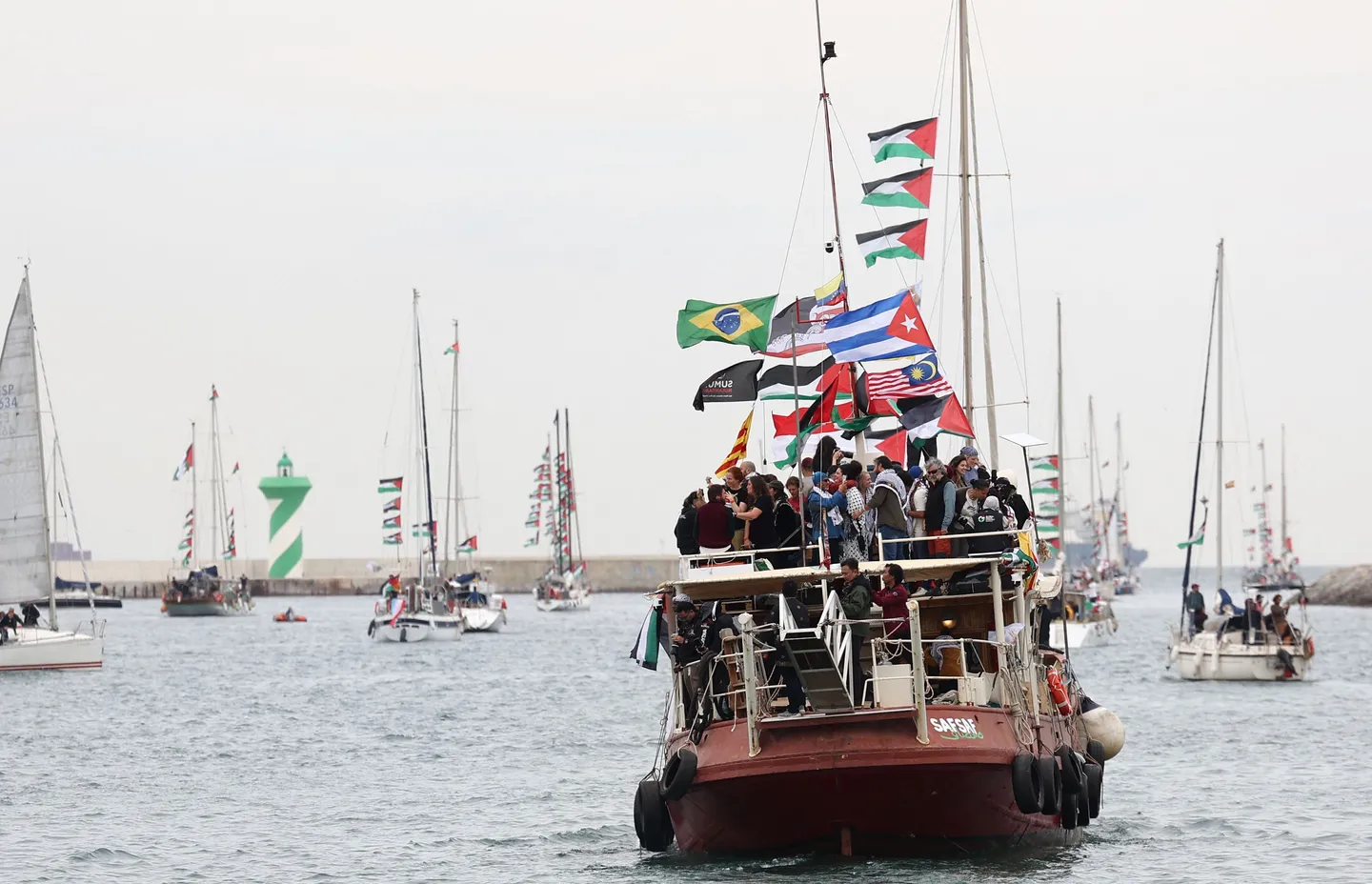
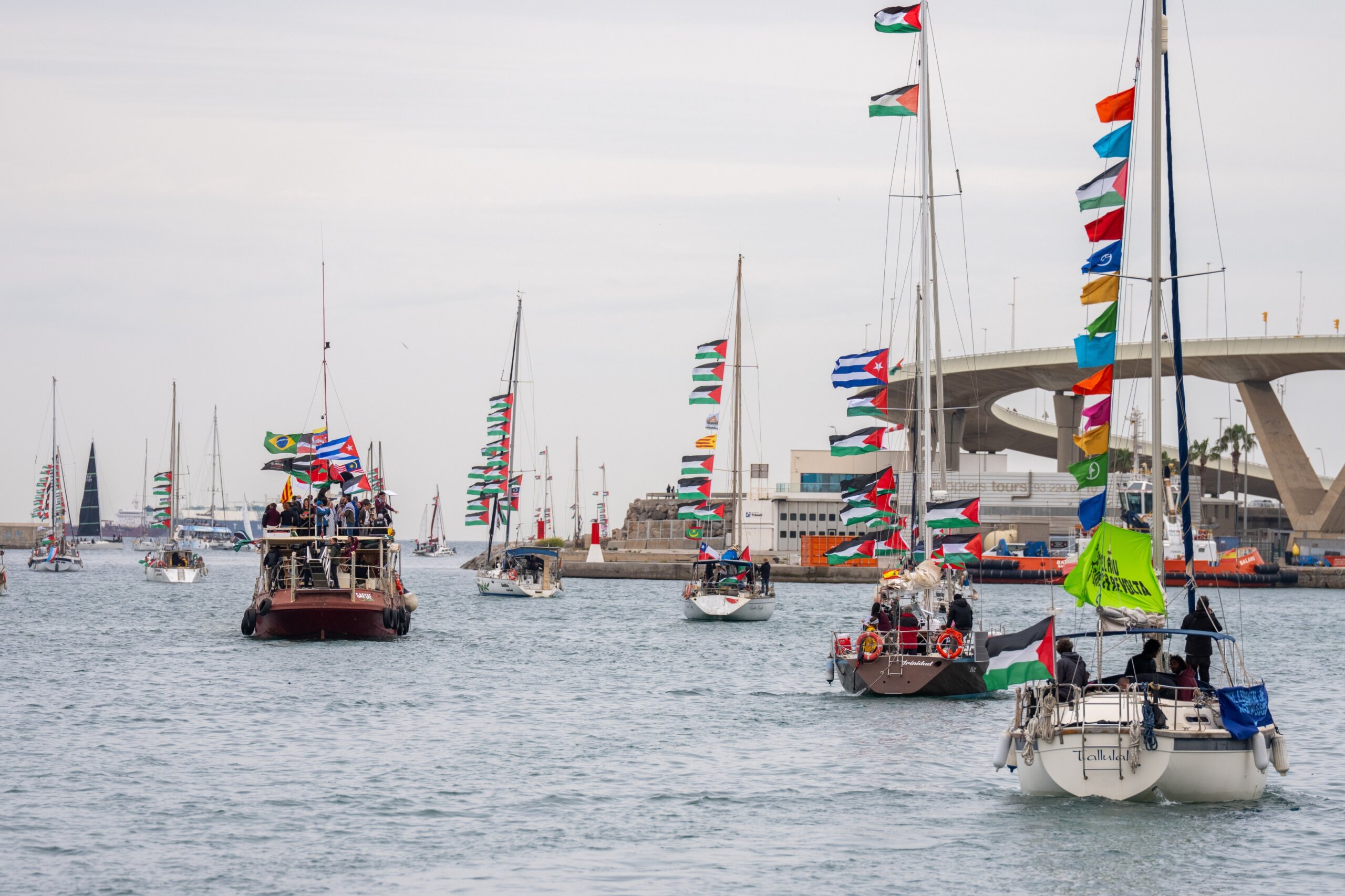
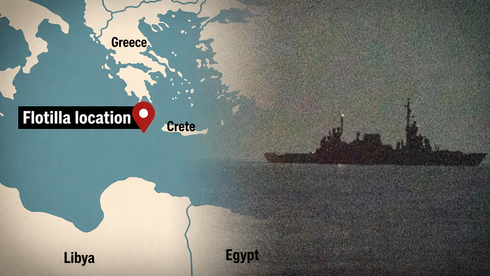
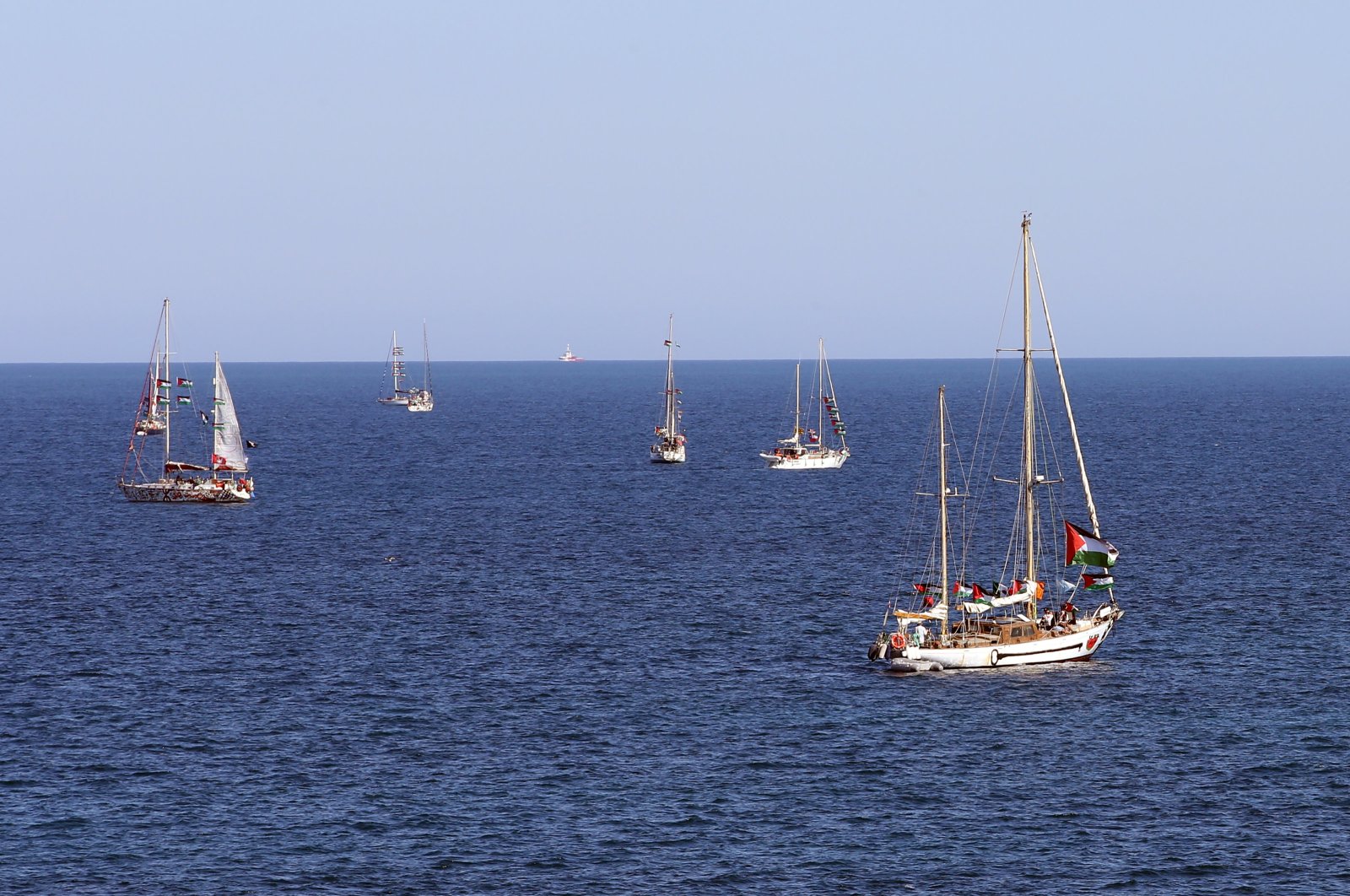
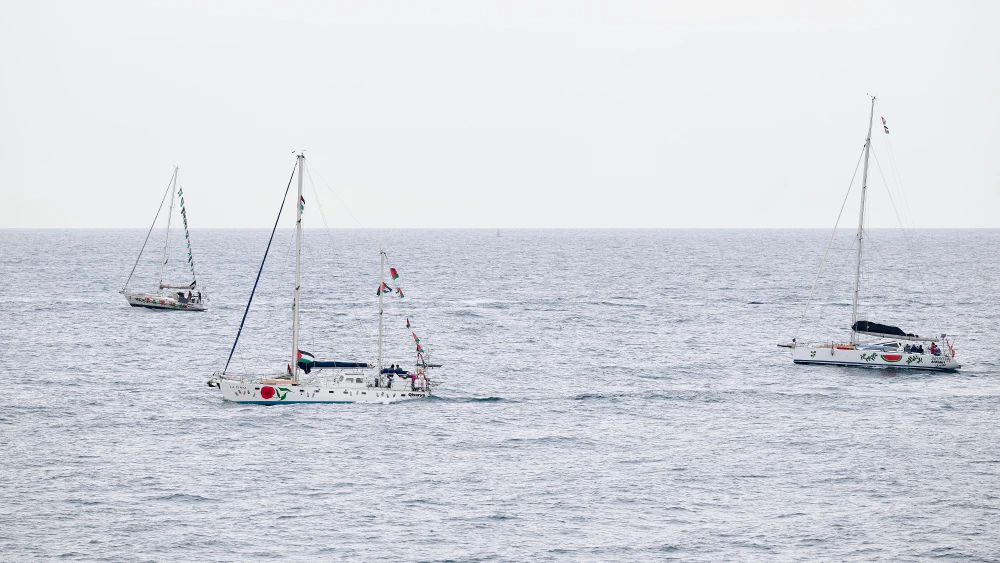
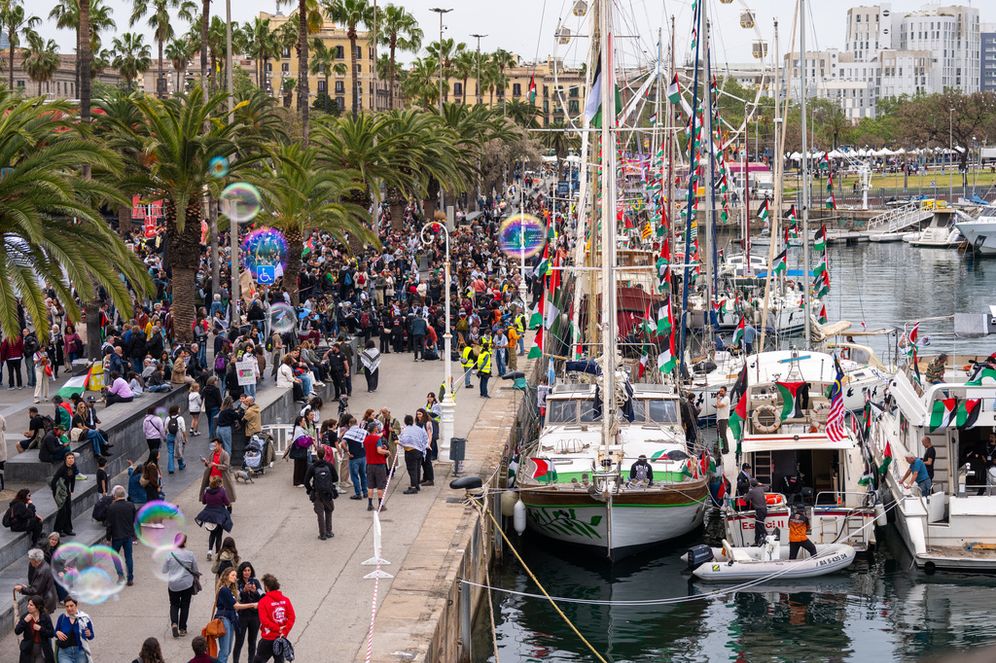
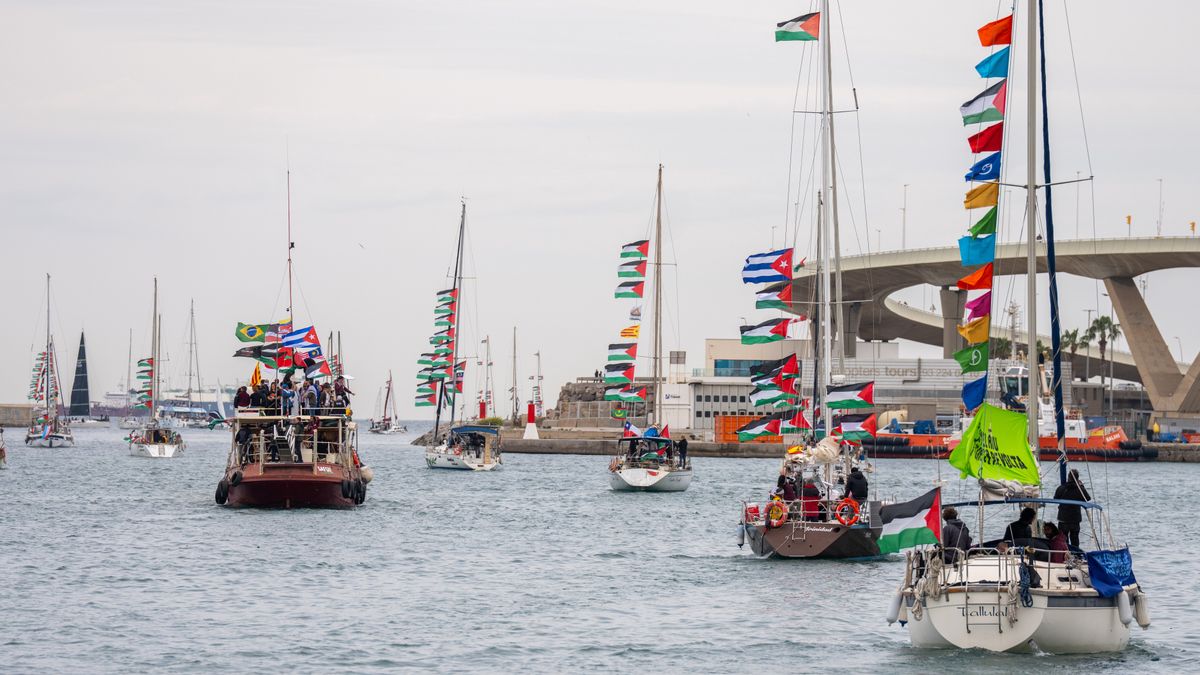
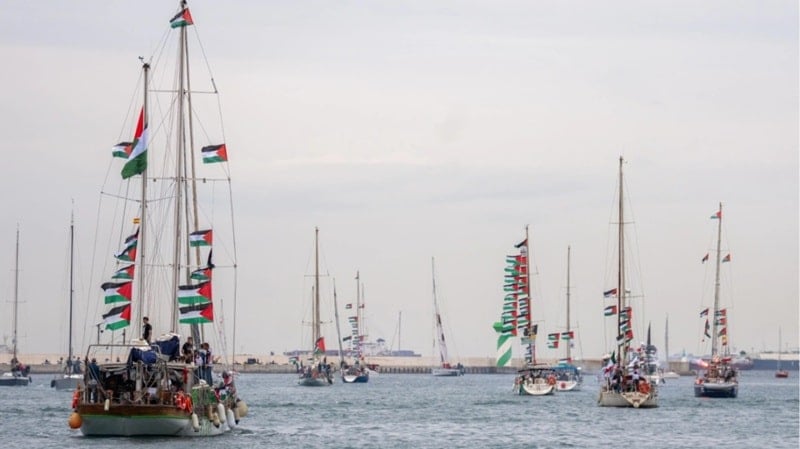
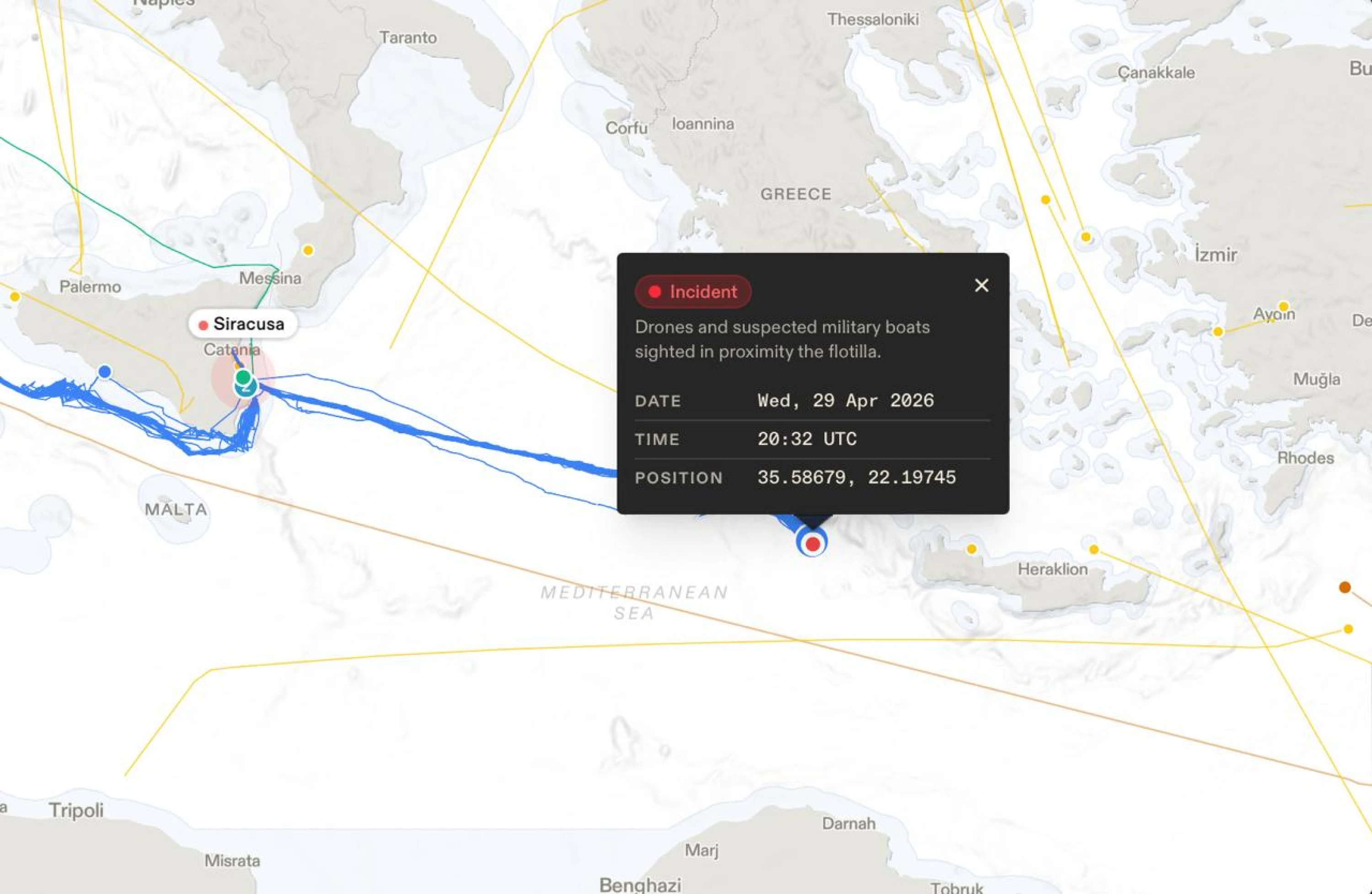
The interception of the Global Sumud Flotilla by Israeli forces near Crete on April 30, 2026, represents a significant escalation in Mediterranean geopolitical tensions with indirect but measurable implications for cross-border e-commerce logistics. Israeli naval forces detained approximately 175 activists from 20+ boats in international waters over 600 miles from Gaza, with the incident drawing condemnation from Turkey, Italy, Germany, and Spain. This marks the second major flotilla interception in 12 months, following a similar October operation that detained 470+ activists including climate activist Greta Thunberg. The escalating pattern of maritime enforcement in the Eastern Mediterranean signals heightened naval activity and potential shipping route complications for commercial vessels.
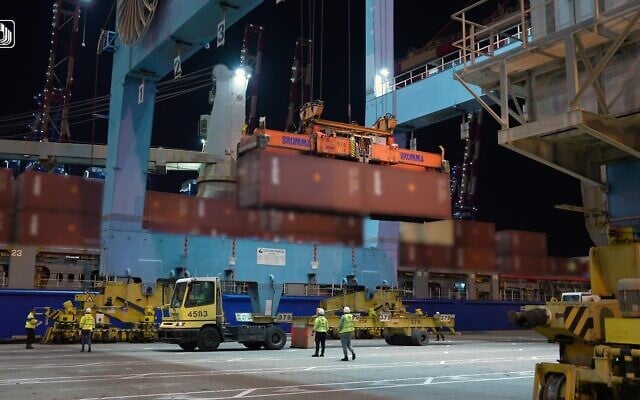
For cross-border sellers, this geopolitical escalation creates three operational concerns: First, maritime insurance premiums for vessels transiting the Eastern Mediterranean and routes to/from EU ports (particularly Spain, Italy, Greece) are likely to increase 5-12% as insurers price in elevated geopolitical risk. Sellers using 3PL providers or freight forwarders shipping to European warehouses should expect cost increases of $200-600 per 40-foot container on Mediterranean routes. Second, shipping delays may occur as commercial vessels exercise caution in contested waters or reroute around conflict zones, adding 3-7 days to transit times for shipments destined for EU fulfillment centers. Third, regulatory scrutiny is intensifying—EU customs authorities in affected countries (Italy, Greece, Spain) may implement enhanced inspections of maritime cargo, potentially delaying clearance by 24-48 hours.
The broader context reveals approximately 2 million Gaza residents remain displaced with severe humanitarian shortages, creating sustained activist pressure for aid delivery attempts. This suggests the pattern of flotilla interceptions will likely continue, maintaining elevated tensions in the region through 2026. Sellers with inventory in Mediterranean distribution hubs or relying on sea freight to EU markets should monitor shipping insurance costs, consider alternative logistics providers using Atlantic routes, and build 5-7 day buffer time into delivery commitments. The incident also highlights vulnerability in single-route dependency—diversifying fulfillment across Atlantic and Northern European ports reduces exposure to Eastern Mediterranean disruptions.
Questions 8
How does the Gaza flotilla interception affect my shipping costs to Europe?
Maritime insurance premiums for Eastern Mediterranean routes are increasing 5-12% due to elevated geopolitical risk, translating to $200-600 additional cost per 40-foot container. Sellers using 3PL providers shipping to EU fulfillment centers should expect cost increases within 30-60 days as insurance policies renew. Contact your freight forwarder immediately to lock in current rates before premium adjustments take effect. Consider requesting quotes for alternative Atlantic routes via Northern European ports (Hamburg, Rotterdam) which avoid Mediterranean tensions but add 2-3 days transit time.
Will this incident cause delays in my Amazon FBA shipments to Europe?
Yes, potential delays of 3-7 days are possible for shipments transiting the Eastern Mediterranean, particularly those destined for Italian, Greek, or Spanish fulfillment centers. Commercial vessels may reroute around conflict zones or experience enhanced customs inspections in affected EU ports. Sellers should immediately update delivery commitments in Amazon Seller Central to reflect 5-7 day buffer time. For time-sensitive inventory, consider air freight alternatives (higher cost but faster) or rerouting through Northern European ports. Monitor your shipment tracking closely and communicate proactively with Amazon about any delays exceeding 10 days.