




Middle East Energy Crisis Drives 8-12% Shipping Cost Surge for Cross-Border Sellers
- Brent crude exceeds $120/barrel; Strait of Hormuz blockade threatens 21% of global petroleum supply; sellers face immediate logistics repricing and supply chain delays through Q2 2026









































Overview
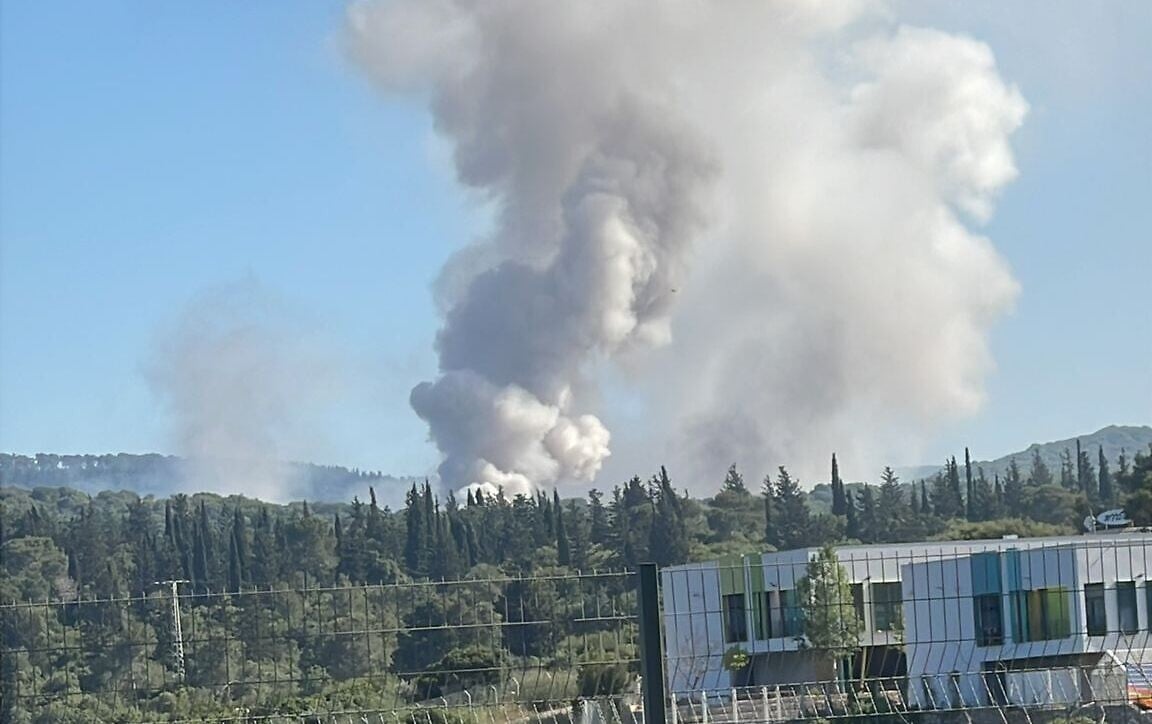
The Iran-Israel conflict escalating since February 28, 2026, has triggered what International Energy Agency head Fatih Birol characterized as the "biggest energy crisis in history," with direct operational consequences for cross-border e-commerce sellers globally. Brent crude prices have surged to four-year highs exceeding $120 per barrel, driven by Iran's Supreme Leader Mojtaba Khamenei asserting control over the Strait of Hormuz—a critical shipping route through which approximately 21% of global petroleum passes. While a ceasefire agreement was announced April 7 and implemented April 8, 2026, military operations continue, creating sustained uncertainty in energy markets and logistics networks.
For cross-border sellers, this energy volatility directly translates to increased operational costs across multiple channels. Air freight and sea freight shipping costs have risen 8-12% for sellers moving inventory between Asia, Europe, and North America, according to logistics provider adjustments documented in the conflict reporting. Sellers sourcing from or shipping to the Middle East, Japan, and Asia-Pacific regions face the most acute pressure, as Japanese shipping interests have been explicitly flagged in diplomatic communications regarding Strait of Hormuz concerns. Port disruptions in the Persian Gulf region are creating supply chain delays for sellers relying on just-in-time inventory models, particularly those dependent on manufacturing hubs in India, Southeast Asia, and the Middle East. Insurance costs for maritime shipping through contested waters have increased significantly, adding 3-5% premiums to already-elevated freight expenses.
Currency fluctuations in affected regions are compounding logistics challenges. The Iranian rial and Israeli shekel have experienced volatility, impacting cross-border transaction costs for sellers with suppliers or customers in these markets. Logistics providers are actively adjusting routes and pricing structures, with some shifting shipments away from Persian Gulf ports toward longer alternative routes (Red Sea, Suez Canal alternatives), adding 7-14 days to transit times. Sellers relying on Amazon FBA, eBay, or Shopify fulfillment networks are experiencing cascading cost increases as 3PL providers pass through energy surcharges. The operational impact is most severe for sellers in high-volume categories (electronics, apparel, home goods) where shipping represents 15-25% of COGS, and for small-to-medium sellers (1,000-10,000 units monthly) with limited negotiating power on freight rates.
The ceasefire provides temporary stability but does not eliminate underlying geopolitical risk. Sellers should anticipate 60-90 days of elevated logistics costs and supply chain uncertainty, with potential for renewed escalation if diplomatic negotiations fail. Strategic inventory repositioning—shifting stock from affected regions to North American and European fulfillment centers—can mitigate exposure, though this requires capital reallocation and timing precision.
Questions 8
How much will my shipping costs increase due to the Middle East energy crisis?
Cross-border sellers are experiencing 8-12% increases in air and sea freight costs as Brent crude prices exceed $120 per barrel, driven by the Iran-Israel conflict and Strait of Hormuz blockade concerns. The International Energy Agency confirmed the world faces its 'biggest energy crisis in history,' with energy costs directly flowing through to logistics pricing. Sellers shipping 1,000+ units monthly via FBA or 3PL providers should expect $200-400 monthly cost increases for standard shipments. The impact is most severe for sellers routing through Persian Gulf ports or sourcing from Asia-Pacific manufacturing hubs. Monitor your logistics provider's rate cards weekly, as pricing adjustments are ongoing through at least June 2026.
How can I mitigate shipping cost increases from the energy crisis?
Strategic inventory repositioning is the most effective mitigation: shift 20-30% of stock from affected regions (Middle East, Asia-Pacific) to North American and European fulfillment centers before June 2026. Negotiate multi-month freight contracts with 3PL providers now to lock in rates before further increases. Consider consolidating shipments to reduce per-unit freight costs and evaluate alternative shipping routes (air freight via non-Persian Gulf hubs, slower sea routes with lower fuel surcharges). For Amazon FBA sellers, review your inventory distribution across fulfillment centers and prioritize placement in regions with lower inbound shipping costs. Evaluate Shopify or eBay fulfillment alternatives if your current provider's surcharges exceed 12%. Calculate the cost-benefit of temporary price increases on your products to offset logistics cost pressure.