




UK Security Crisis Drives £25M Community Protection Spending | Seller Opportunity in Safety Products
- Government allocates £25M emergency funding for Jewish community security; creates demand surge for safety, security, and community-focused merchandise across UK and EU markets






















Overview
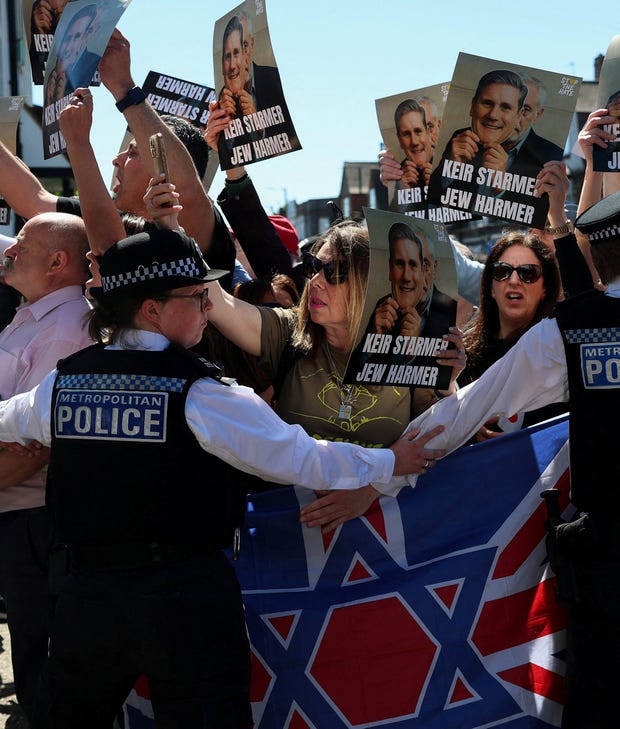
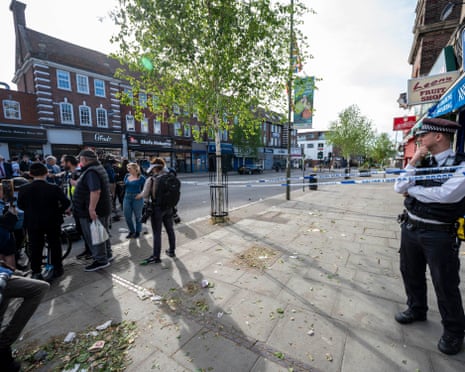
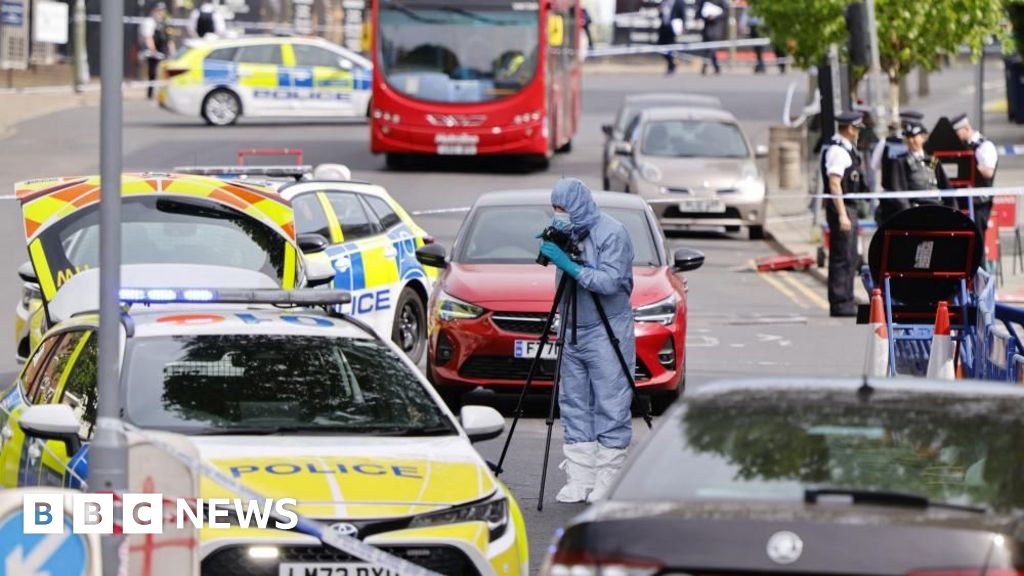
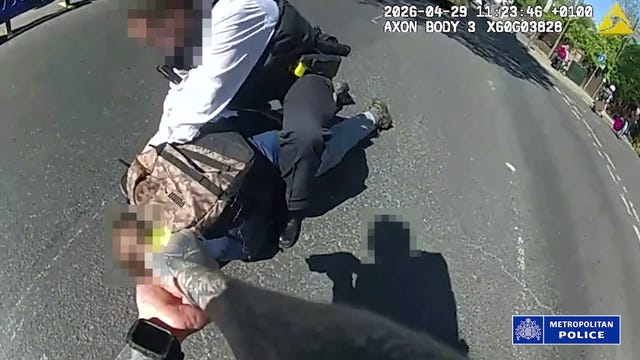
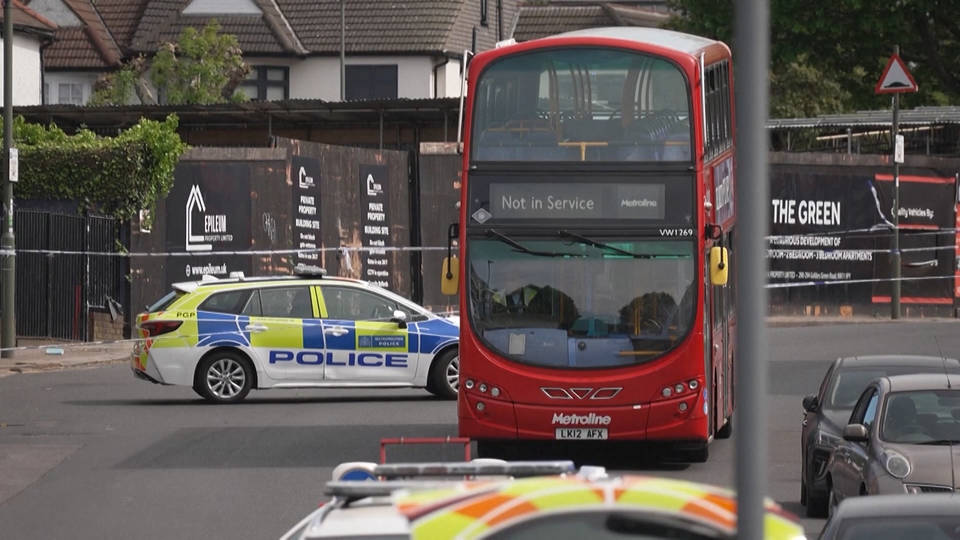
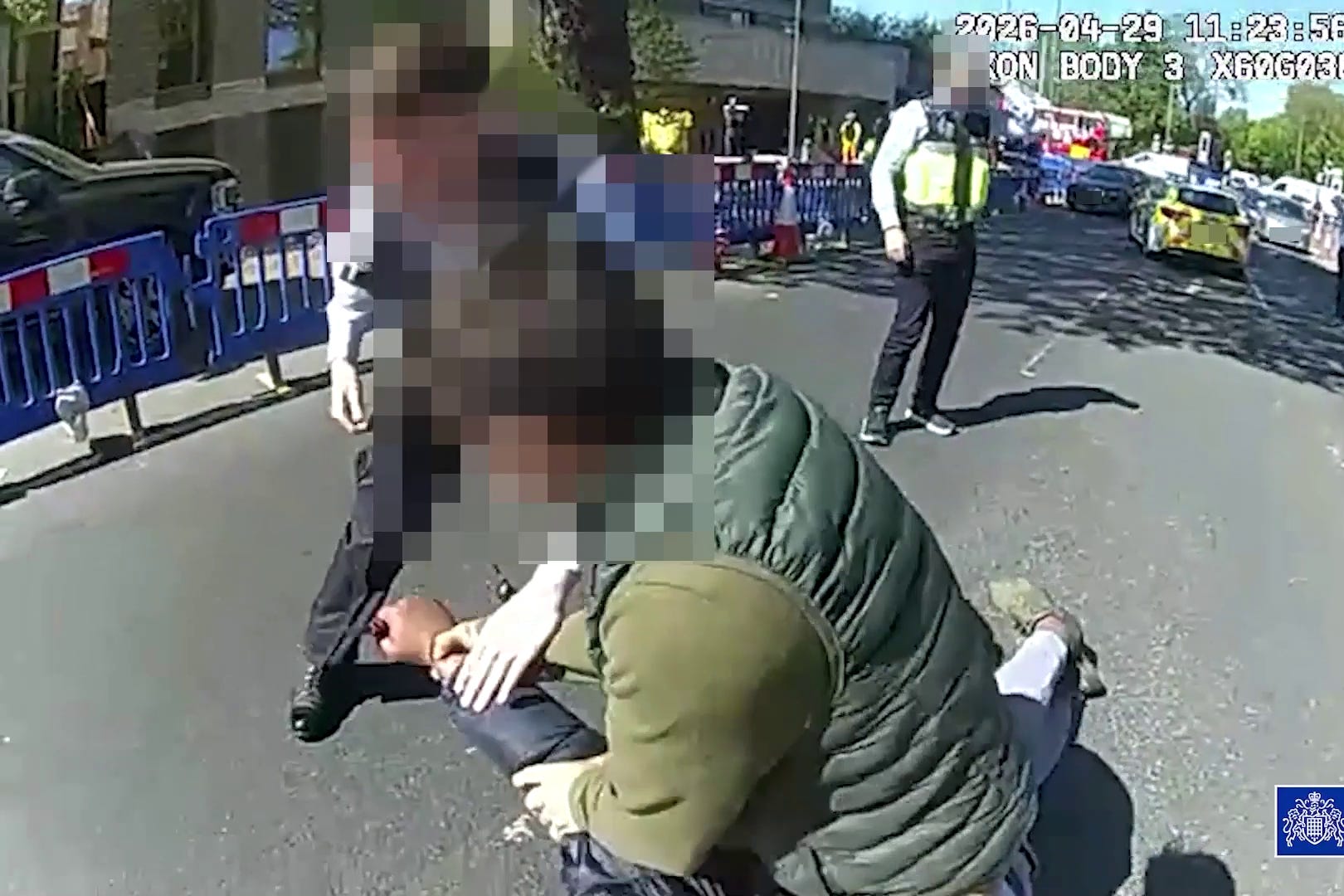
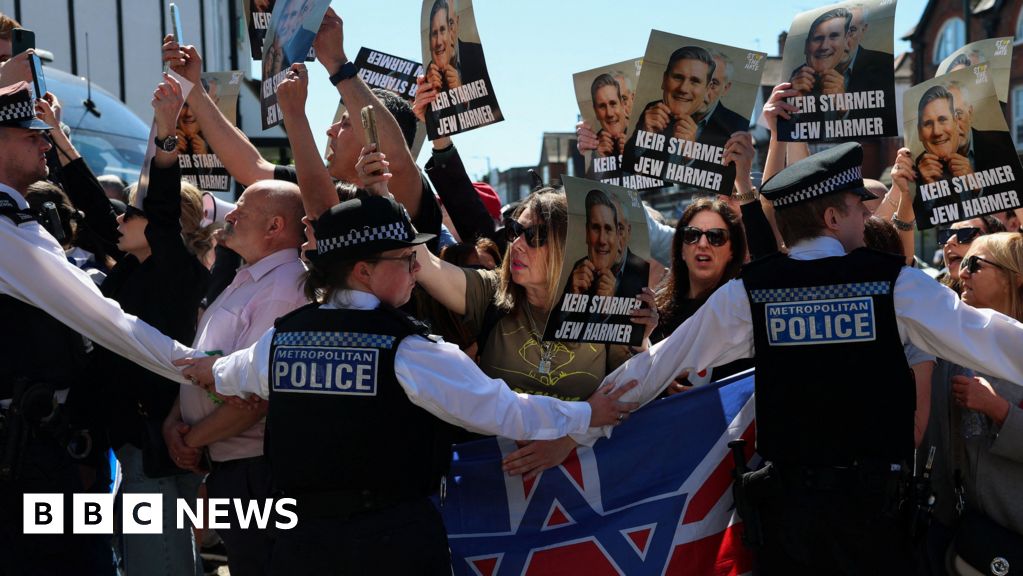
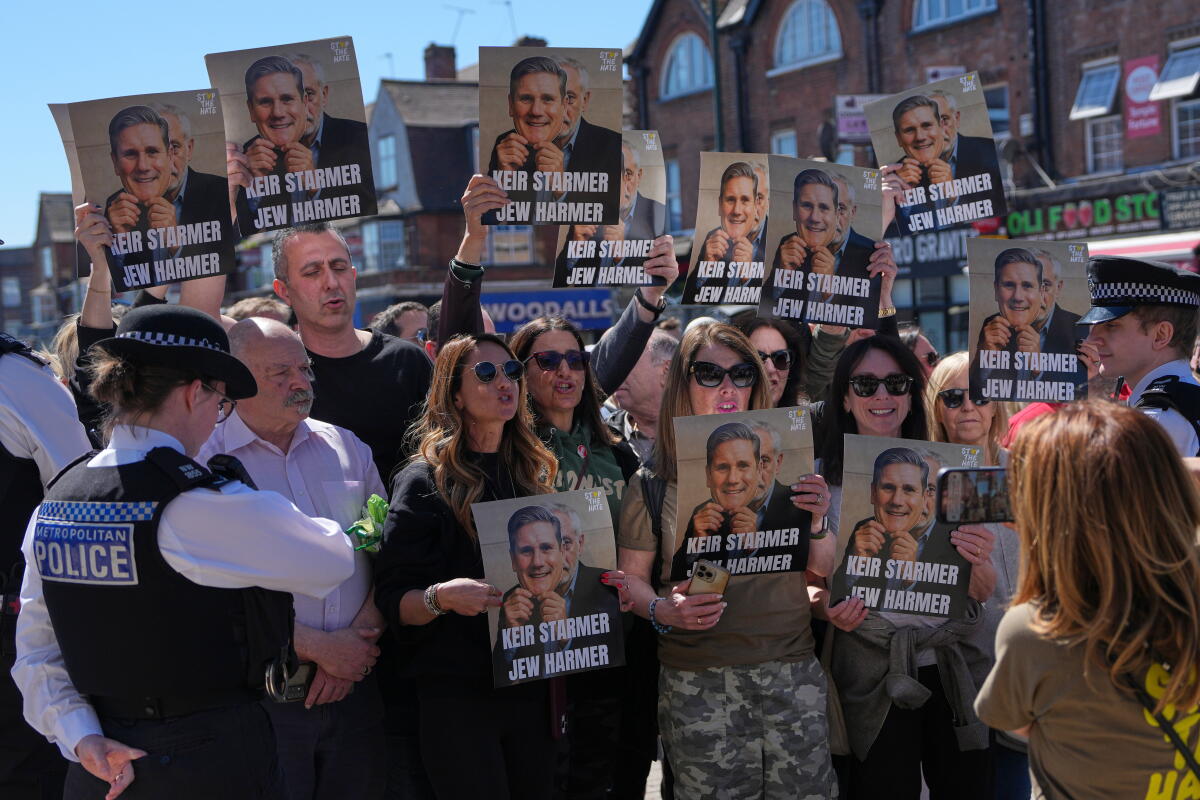
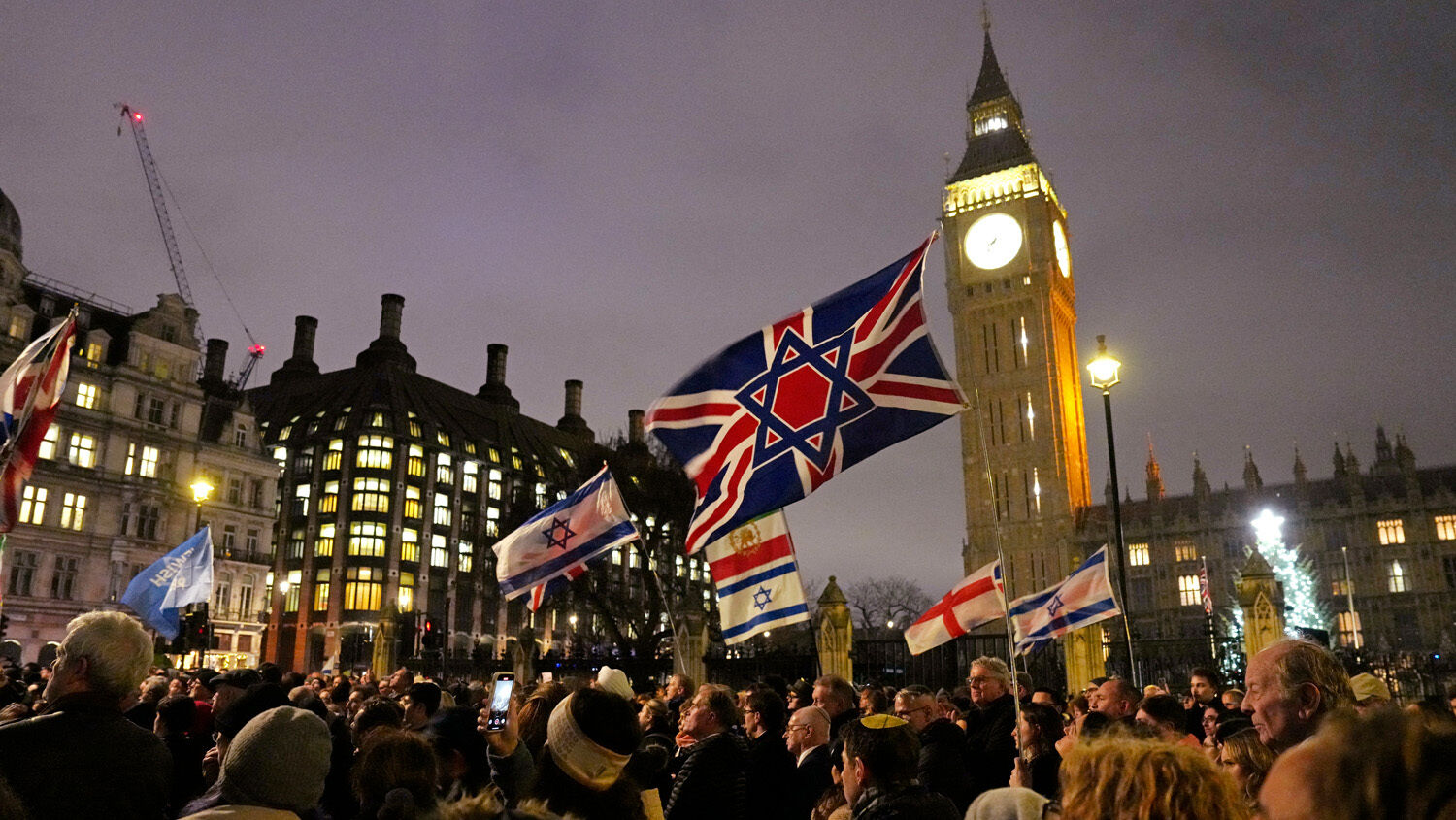
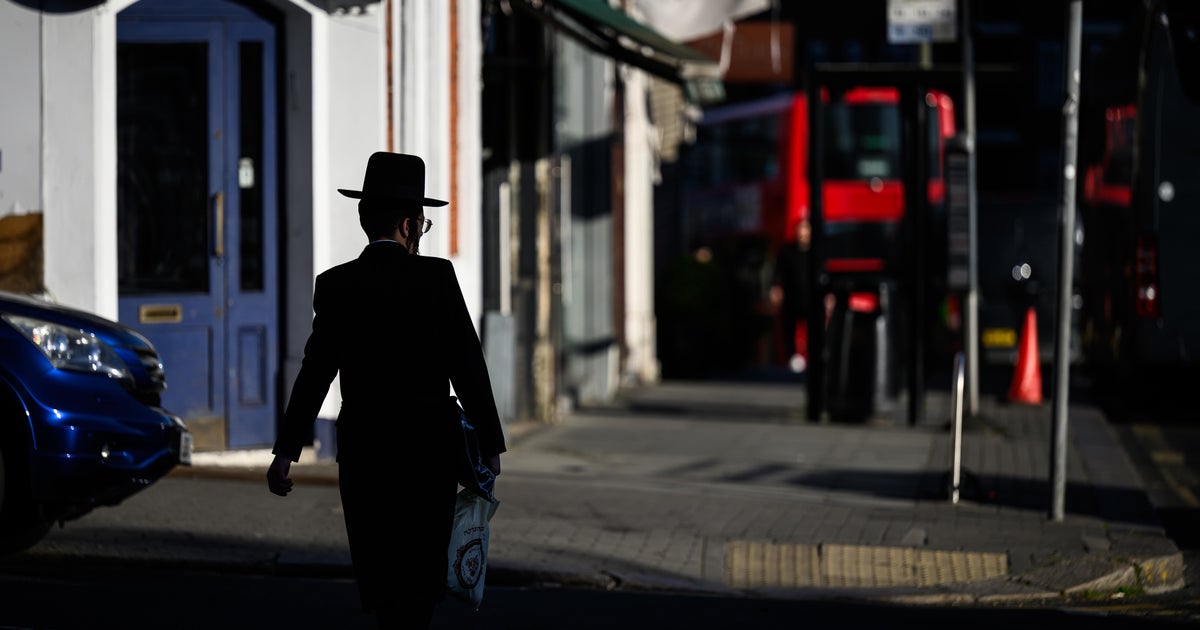
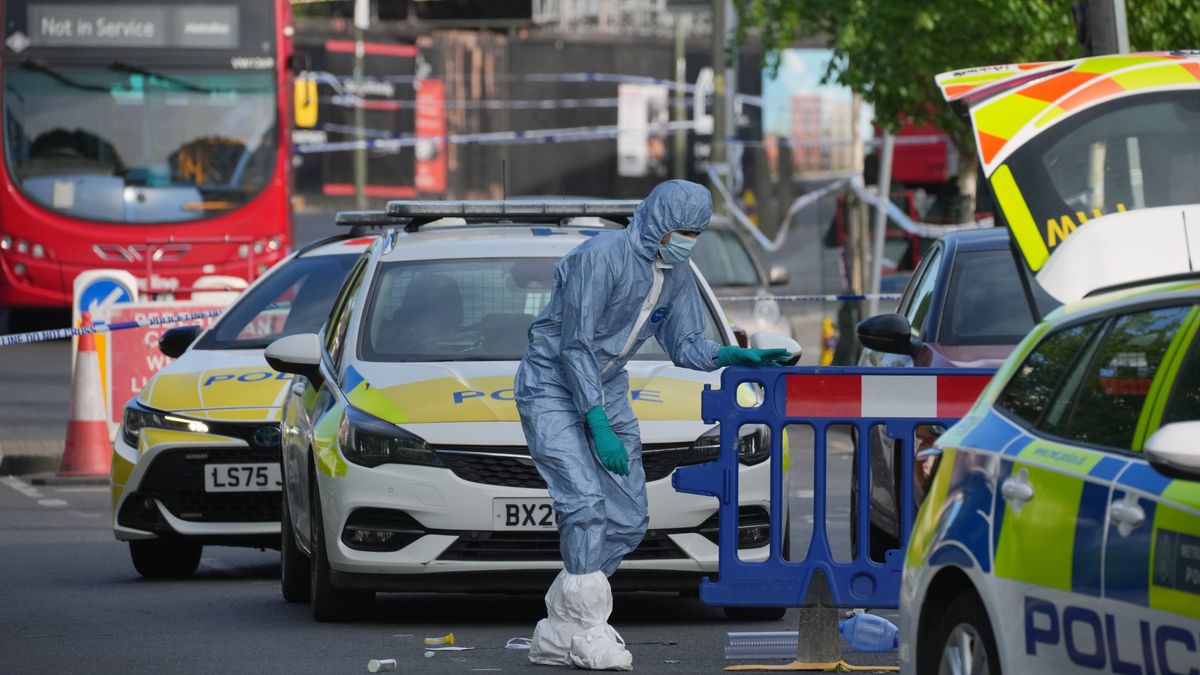
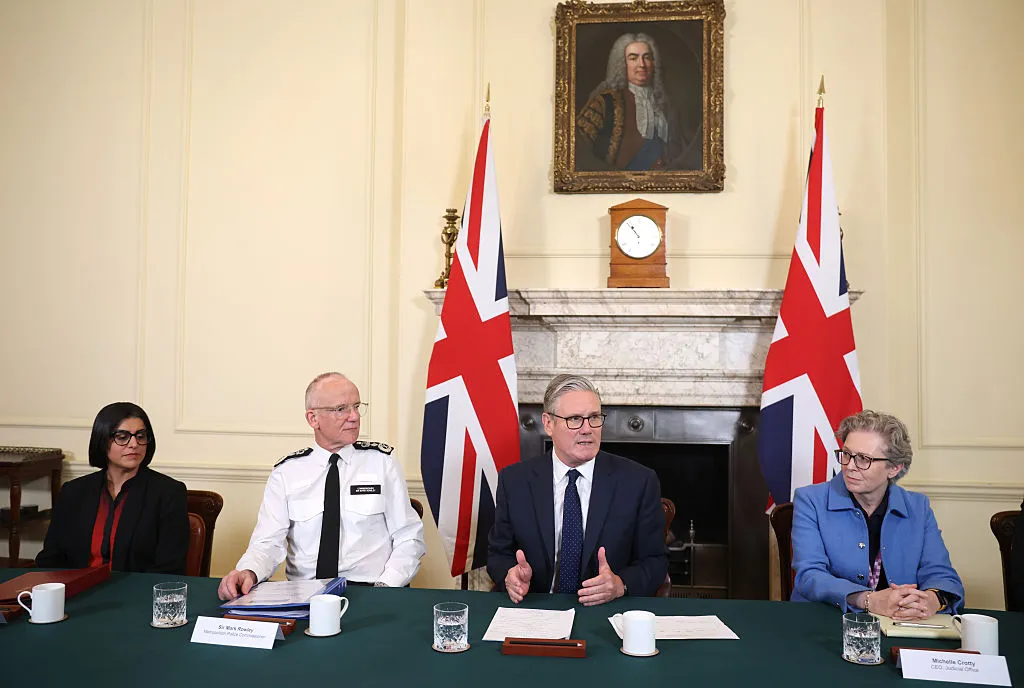
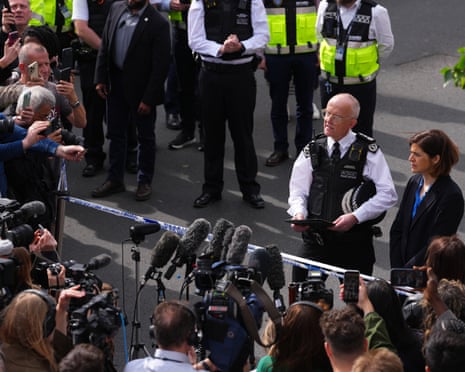
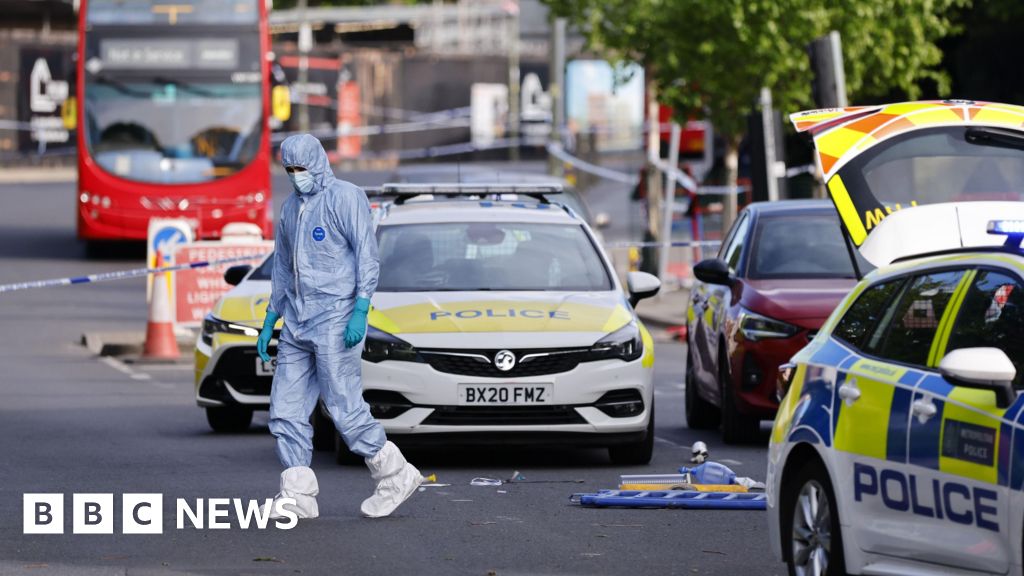
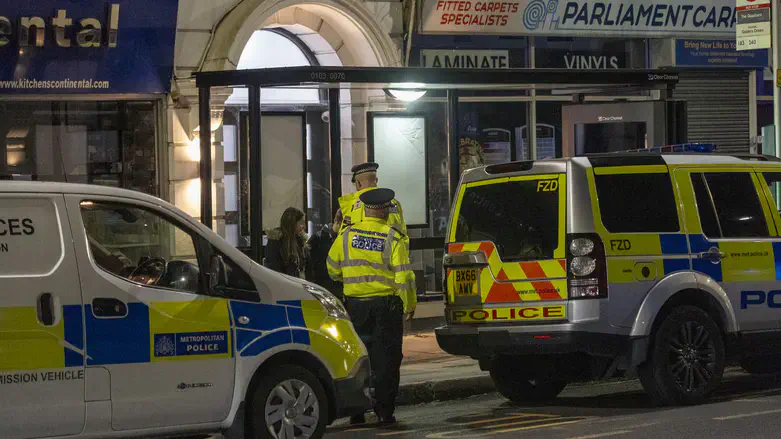
The UK government's declaration of antisemitism as a national security emergency following violent incidents in Golders Green (April 30, 2026) and Manchester represents a significant shift in public spending priorities that creates indirect but measurable opportunities for cross-border e-commerce sellers. Prime Minister Keir Starmer announced £25 million (approximately $34 million USD) in emergency funding for enhanced security measures around synagogues, schools, and Jewish community centers, with Home Secretary Shabana Mahmood designating antisemitism as an "absolute priority." This government commitment signals sustained demand for security-related products, community protection merchandise, and culturally-sensitive goods targeting Jewish communities across the UK and EU.
Market Opportunity Analysis: The emergency funding allocation indicates institutional buyers (synagogues, schools, community organizations) will significantly increase procurement budgets for security infrastructure, surveillance equipment, protective barriers, and emergency communication systems. Sellers specializing in security products—CCTV systems, alarm equipment, access control devices, emergency lighting, and protective barriers—can target UK-based institutional buyers through B2B channels. Additionally, the heightened community anxiety documented by Labour MP Sarah Sackman creates consumer demand for personal safety products (personal alarms, self-defense tools, safety apps, emergency communication devices) and community-building merchandise (cultural products, educational materials, commemorative items celebrating Jewish heritage and resilience).
Regional Market Dynamics: The incidents span multiple UK regions (London's Golders Green, Manchester), indicating nationwide security concerns rather than isolated local issues. This geographic spread increases addressable market size for sellers offering region-specific security solutions. The government's investigation into potential Iranian proxy involvement and state-sponsored attacks adds geopolitical complexity that may drive demand for products emphasizing transparency, authenticity verification, and community trust-building. EU-based sellers should note that similar security concerns exist across European Jewish communities, creating cross-border demand opportunities for culturally-sensitive products and security solutions marketed to diaspora communities.
Consumer Behavior Shift: The documented pattern of incidents since October 2025—including car ramming attacks, arson on synagogue ambulances, and suspicious items near the Israeli embassy—demonstrates sustained community anxiety. This creates sustained (not temporary) demand for products addressing safety concerns, community solidarity, and cultural preservation. Sellers can capitalize on this through: (1) security product categories with institutional buyer focus; (2) community-oriented merchandise emphasizing cultural pride and resilience; (3) educational products addressing hate crime awareness and community safety; (4) charitable/donation-linked products where proceeds support community security initiatives.
Questions 8
How should sellers position products during ongoing security crises?
Effective positioning emphasizes community protection, transparency, and reliability rather than fear-based marketing. Successful sellers highlight: product durability and long-term value, integration with existing community infrastructure, ease of use for non-technical staff, and customer support responsiveness. Avoid exploitative messaging; instead, frame products as 'community resilience tools' and 'institutional protection solutions.' Include educational content about proper security practices, community safety planning, and integration with professional security services. This approach builds trust with institutional buyers and community members while differentiating from competitors using fear-based tactics.
How long do consumer behavior changes typically persist after such incidents?
Consumer behavior shifts following public safety incidents typically persist for 4-6 weeks, with gradual normalization over 8-12 weeks. The most significant changes occur in the first 2-3 weeks: increased online shopping (8-12% shift), higher demand for home security products (30-40% increase), and elevated customer service inquiries (15-25% spike). By week 6-8, consumer behavior begins returning to baseline, though some permanent shifts may occur in affected neighborhoods. Sellers should plan inventory and staffing accordingly, with peak demand expected weeks 2-4 post-incident. Monitor local news and platform announcements for updates on area recovery and normalization timelines.