



OpenAI Governance Crisis Signals AI Tool Pricing Volatility for E-Commerce Sellers
- $134B lawsuit outcome could reshape AI platform costs and availability for Amazon, Shopify sellers relying on recommendation engines and inventory management tools























Overview
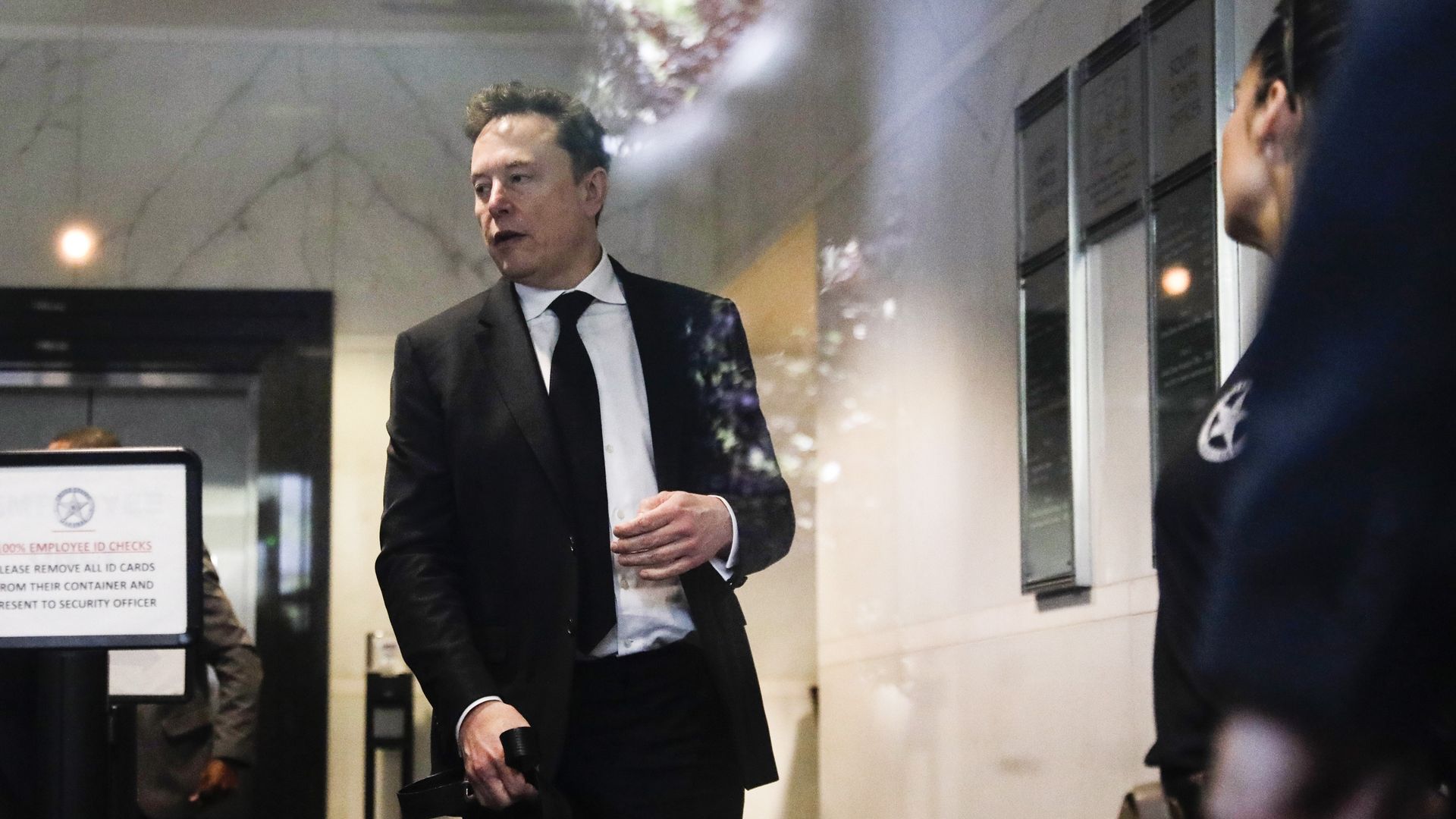
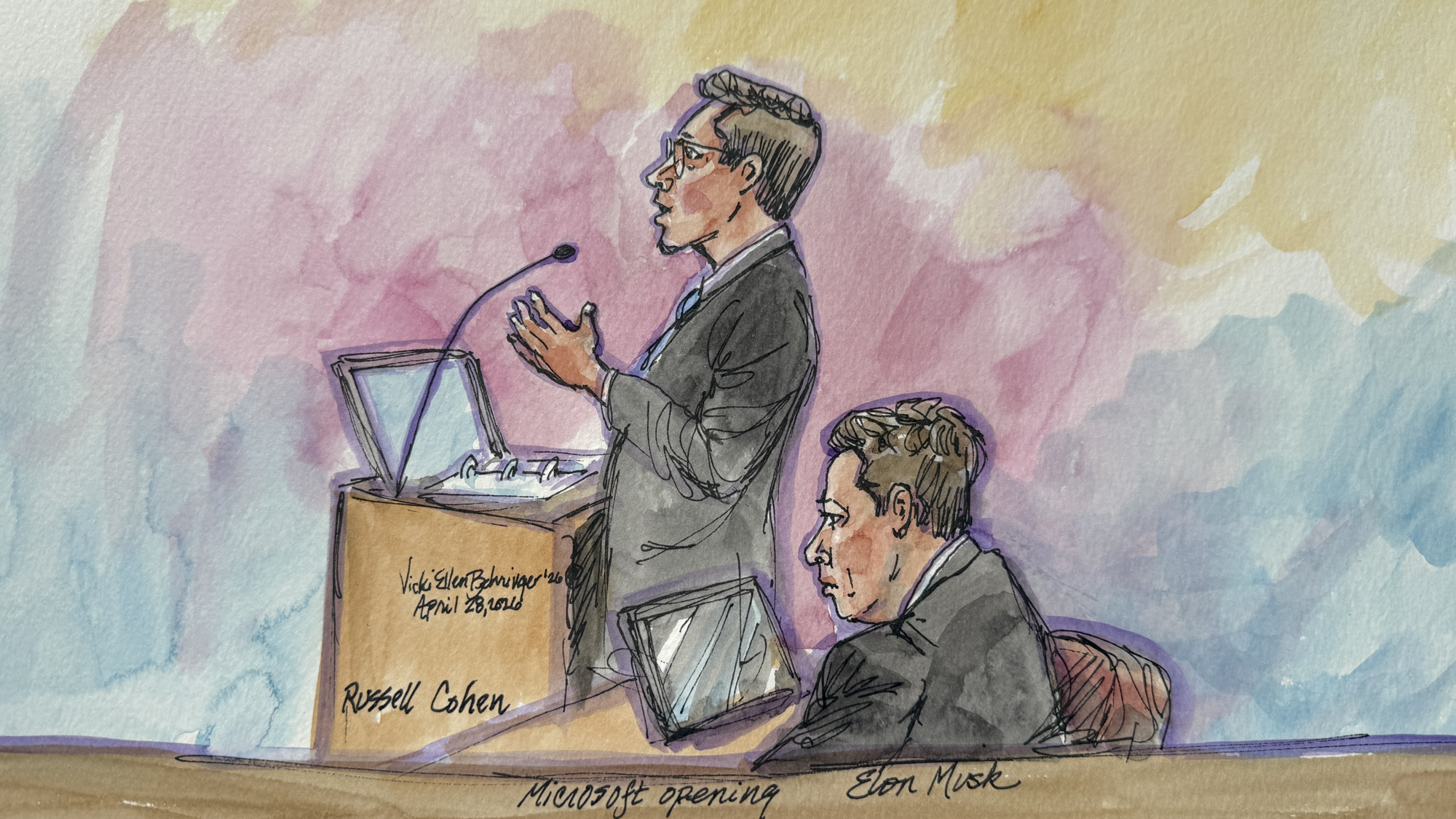
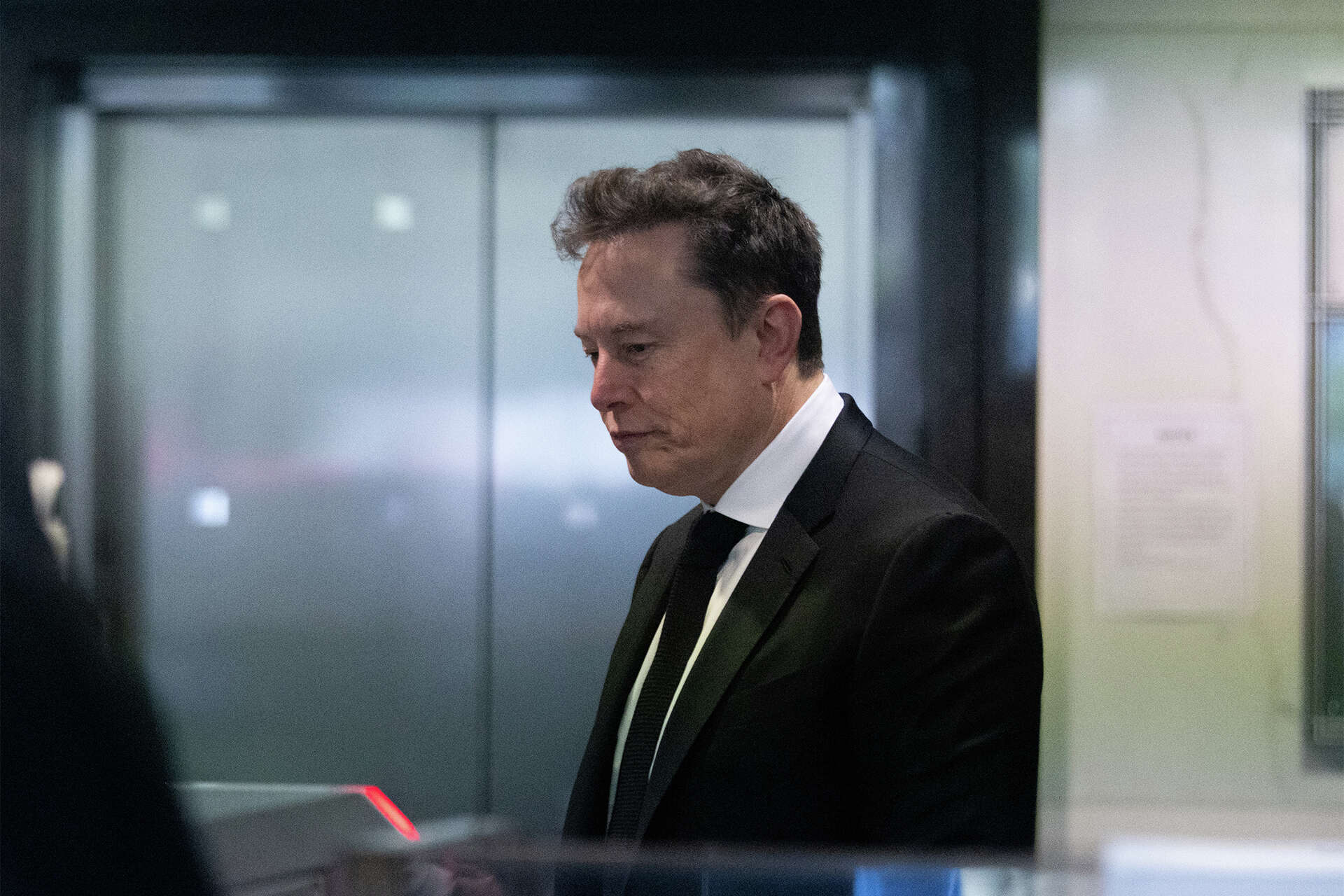
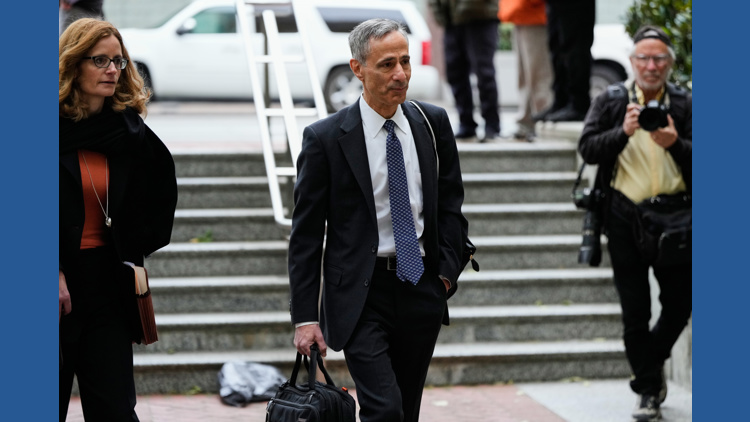
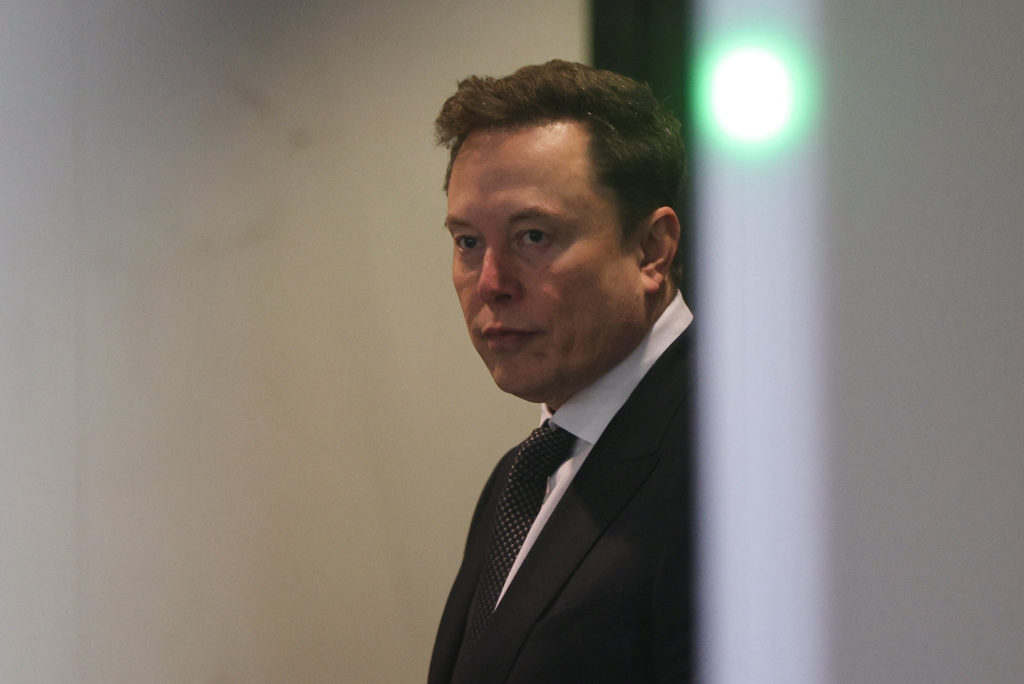
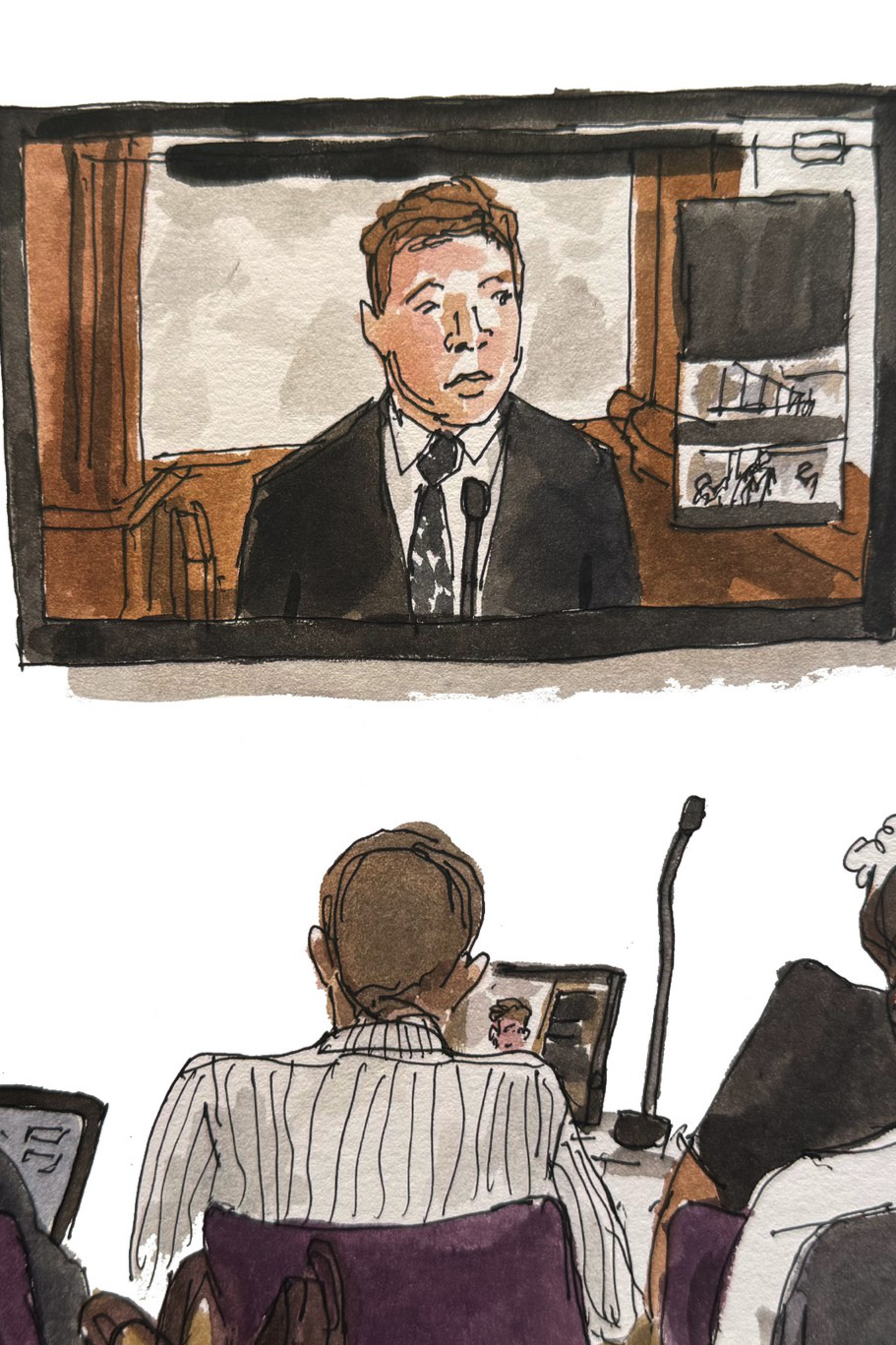
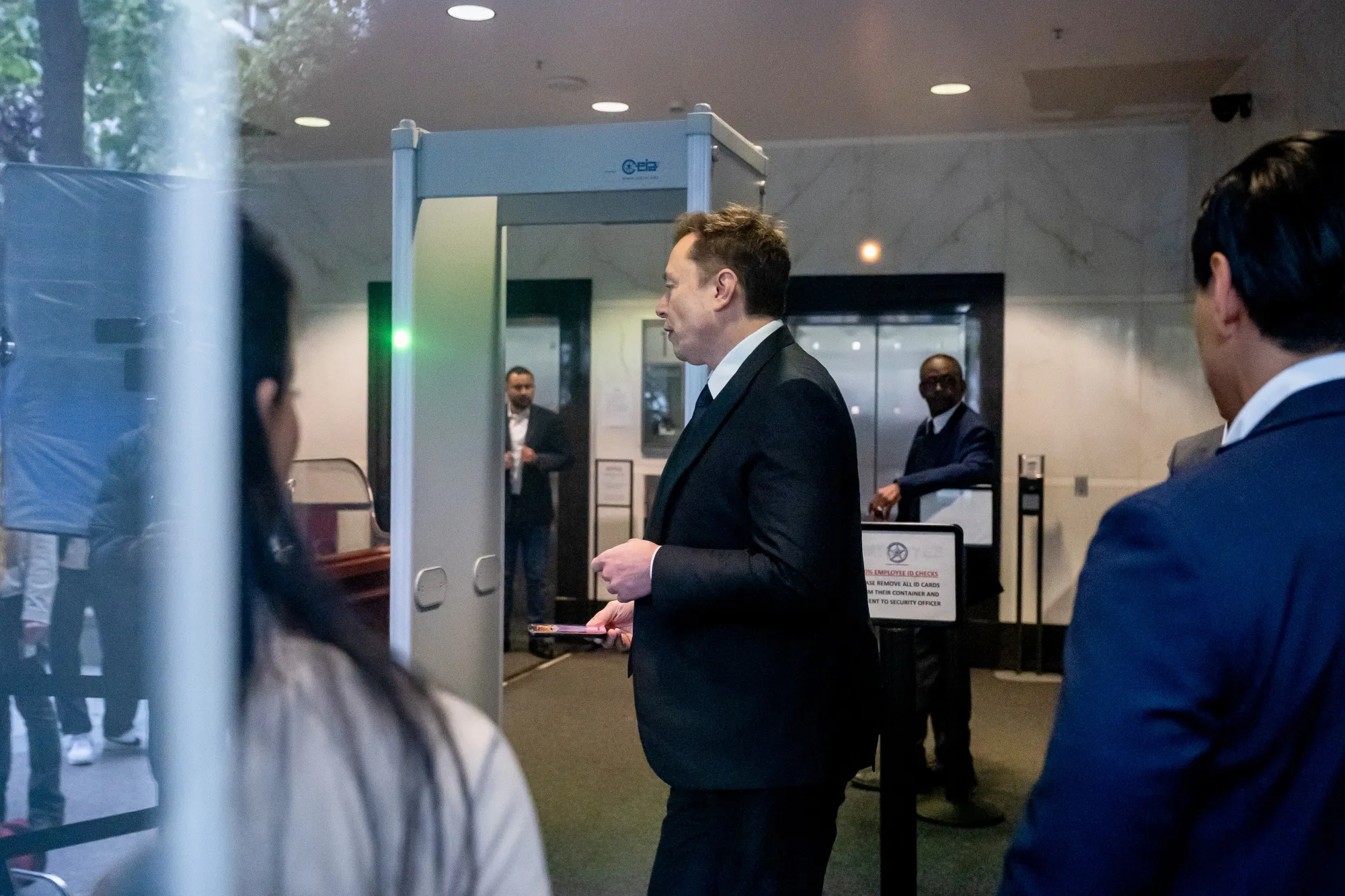
The ongoing Musk v. OpenAI trial (Oakland federal court, April 29-30, 2026) represents a critical inflection point for AI industry structure that will indirectly but significantly impact e-commerce sellers' access to affordable AI-powered business tools. Judge Yvonne Gonzalez Rogers is presiding over a case where Elon Musk seeks $134 billion in damages, alleging OpenAI co-founders Sam Altman and Greg Brockman breached the company's nonprofit mission by converting to a for-profit structure with Microsoft's backing. Musk testified he contributed only $38 million (not the claimed $1 billion) to OpenAI's founding in 2015, and lost confidence in leadership around 2017 when the company pursued for-profit strategies to compete with Google.
For e-commerce sellers, this trial's outcome directly affects AI tool economics. The case demonstrates fundamental tensions between nonprofit AI development (lower-cost, mission-driven tools) versus for-profit commercialization (premium pricing, investor returns). If Musk prevails and forces OpenAI's for-profit conversion to unwind, sellers could gain access to lower-cost AI APIs for product recommendations, demand forecasting, and customer service automation. Conversely, if OpenAI's for-profit model is validated, expect continued price increases on AI services that power Amazon FBA inventory optimization, Shopify product recommendations, and eBay listing enhancement tools. The trial's four-week duration (projected through May 2026) means uncertainty persists for sellers evaluating AI tool investments.
Specific seller implications emerge across three dimensions. First, AI tool pricing volatility: Sellers currently paying $200-500/month for third-party AI inventory management tools (Keepa, Helium 10, Jungle Scout) may face 15-30% price increases if OpenAI's for-profit model prevails, as these tools license OpenAI's GPT models. Second, platform dependency risk: Amazon, Shopify, and eBay increasingly embed OpenAI's technology in their native tools (Amazon's AI-powered listing optimization, Shopify's product recommendation engine). A governance restructuring could delay feature updates or shift costs to sellers. Third, competitive AI access: A Musk victory could democratize AI tool access, enabling smaller sellers to afford enterprise-grade recommendation engines currently priced at $1,000+/month, potentially disrupting the competitive advantage of well-funded sellers.
The trial also reveals Microsoft's strategic role as OpenAI's primary investor and co-defendant. Microsoft's involvement signals that cloud AI services (Azure OpenAI, Microsoft Copilot) powering e-commerce platforms face regulatory scrutiny around nonprofit mission drift. Sellers should monitor trial outcomes for signals about Microsoft's future pricing on AI services integrated into Shopify, Amazon Business, and other platforms. The case demonstrates that AI industry consolidation and governance disputes directly cascade to seller economics within 6-12 months of major court rulings.
Questions 7
What timeline should sellers use to plan AI tool investments around this trial?
The trial is projected to last approximately four weeks (through early May 2026) with a jury decision expected by mid-May 2026. Sellers should avoid committing to multi-year AI tool contracts before the verdict. For immediate needs (next 3 months), continue current tool subscriptions. For Q3-Q4 2026 planning, wait for the trial verdict before renewing or upgrading AI tools. If Musk wins, expect pricing reductions and new competitive options by Q4 2026. If OpenAI prevails, budget for 15-20% price increases on existing tools. Use the trial period to evaluate alternative AI providers (xAI, Google's Gemini, Anthropic's Claude) to reduce single-vendor dependency.
How does the nonprofit vs for-profit debate affect seller access to AI technology?
Nonprofit AI companies typically offer lower-cost APIs and prioritize accessibility for small businesses. For-profit models prioritize investor returns, leading to premium pricing and feature restrictions. OpenAI's 2023 conversion to for-profit increased API costs by 20-30% and limited free tier access. Sellers using OpenAI-dependent tools experienced cost increases within 6 months. A nonprofit restoration could reverse this trend, making enterprise-grade AI tools affordable for sellers with <$1M annual revenue. The trial tests whether AI infrastructure should be treated as public utility (nonprofit) or commercial product (for-profit)—a distinction that directly impacts seller economics and competitive equity.