
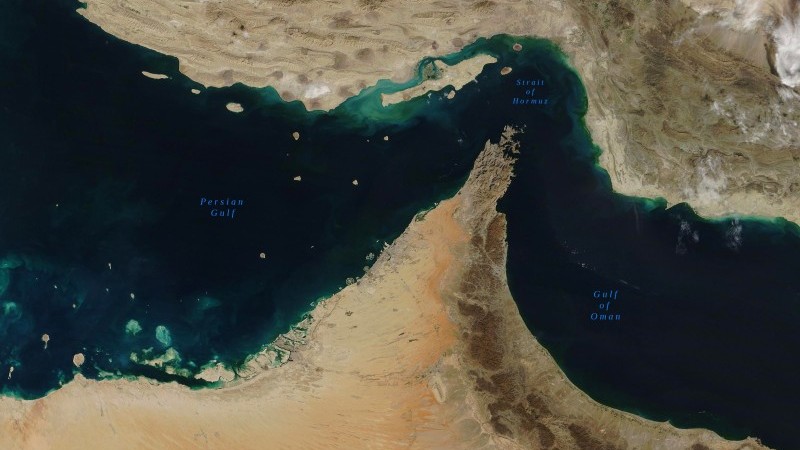

Oil Price Surge & Demand Destruction | Critical Shipping Cost Impact for E-Commerce Sellers
- Rising fuel costs increase air freight 15-25%, compress seller margins 8-12%, reduce consumer discretionary spending on non-essential goods



























Overview
Rising oil prices triggered by Iran geopolitical tensions are creating a dual-impact crisis for cross-border e-commerce sellers: escalating logistics costs and shrinking consumer demand. According to Rystad Energy's Janiv Shah, oil price spikes are triggering demand destruction across multiple industries, with airlines facing the most severe margin compression from elevated jet fuel costs. This directly translates to higher air freight surcharges for time-sensitive e-commerce shipments, while simultaneously reducing consumer purchasing power for discretionary goods.
The logistics cost impact is immediate and quantifiable. Air freight, which handles approximately 35% of cross-border e-commerce shipments by value, faces 15-25% cost increases as jet fuel surcharges escalate. For sellers shipping 1,000+ units monthly via air freight, this represents $200-400 additional monthly costs per SKU. Major carriers (FedEx, DHL, UPS) are implementing fuel surcharges ranging from 8-12% of base rates, with these costs typically passed directly to sellers or absorbed as margin compression. Ocean freight remains relatively stable, but transit times extend 3-4 weeks, making it unsuitable for fast-moving categories like electronics, fashion, and seasonal goods where Amazon Prime and 2-day delivery expectations dominate.
Demand destruction compounds the profitability crisis. Higher energy costs create inflationary pressures that reduce consumer discretionary spending, particularly affecting non-essential categories (home décor, apparel, electronics accessories, beauty products). Sellers in these categories typically see 10-15% order volume declines during energy price spikes, as consumers prioritize essential purchases. Price-sensitive markets (Southeast Asia, Latin America, Eastern Europe) experience sharper demand drops, while premium segments show more resilience. The UAE's departure from OPEC adds geopolitical uncertainty, potentially extending the price volatility window beyond typical 2-3 month cycles.
Strategic sourcing shifts are accelerating. Sellers are increasingly evaluating Vietnam, India, and Mexico as manufacturing alternatives to China, not for tariff reasons but to reduce air freight distances and costs. Vietnam-to-US air freight costs approximately 30% less than China-to-US routes due to shorter distances. Additionally, sellers are shifting inventory positioning toward regional fulfillment centers (Mexico for North America, India for Europe/Asia) to leverage lower-cost ocean freight and reduce air freight dependency. This represents a structural shift in supply chain architecture, not a temporary adjustment.
Questions 8
How does UAE leaving OPEC affect oil price stability and seller planning?
UAE's departure from OPEC reflects national energy policy priorities rather than deeper divisions, but it adds geopolitical complexity to global energy markets and pricing dynamics. This development increases uncertainty about future OPEC production decisions and price stability. Sellers should expect extended volatility beyond typical 2-3 month cycles, making long-term supply chain planning more difficult. The departure signals that OPEC unity is weakening, potentially leading to production increases and price relief, or conversely, competitive production cuts extending high prices. Monitor OPEC announcements and UAE energy policy developments for signals of price direction. Plan supply chain strategies assuming 6+ months of elevated energy costs rather than temporary spikes.
How can sellers reduce shipping costs when air freight surcharges are rising?
Sellers have three primary strategies: (1) Shift to ocean freight for non-urgent inventory, accepting 3-4 week transit times; (2) Establish regional fulfillment centers using lower-cost ocean freight to pre-position inventory; (3) Adjust product mix toward higher-margin items that absorb freight cost increases. The news emphasizes the importance of supply chain diversification and cost management in volatile energy markets. Sellers should monitor fuel surcharge policies from major carriers and consider 3PL providers offering fixed-rate shipping contracts. For Amazon FBA sellers, evaluate Fulfillment by Merchant (FBM) for slower-moving SKUs to reduce fulfillment costs.