



OpenAI Nonprofit-to-Profit Conversion Trial | AI Industry Governance Implications for Tech Sellers
- $134-150B damages claim reshapes AI investment accountability; impacts tech product sourcing, AI tool adoption, and enterprise software seller strategies through 2026

















Overview
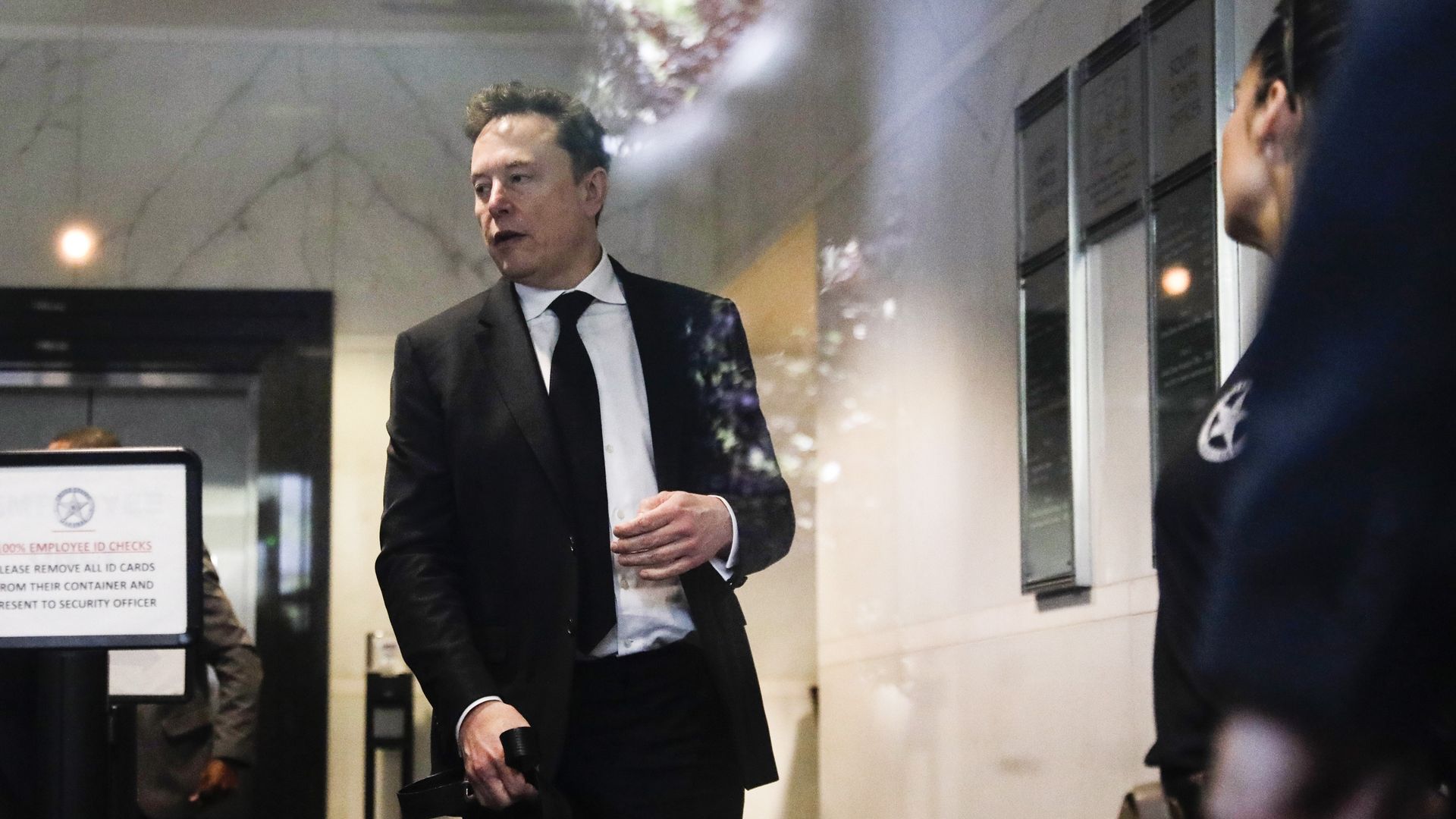
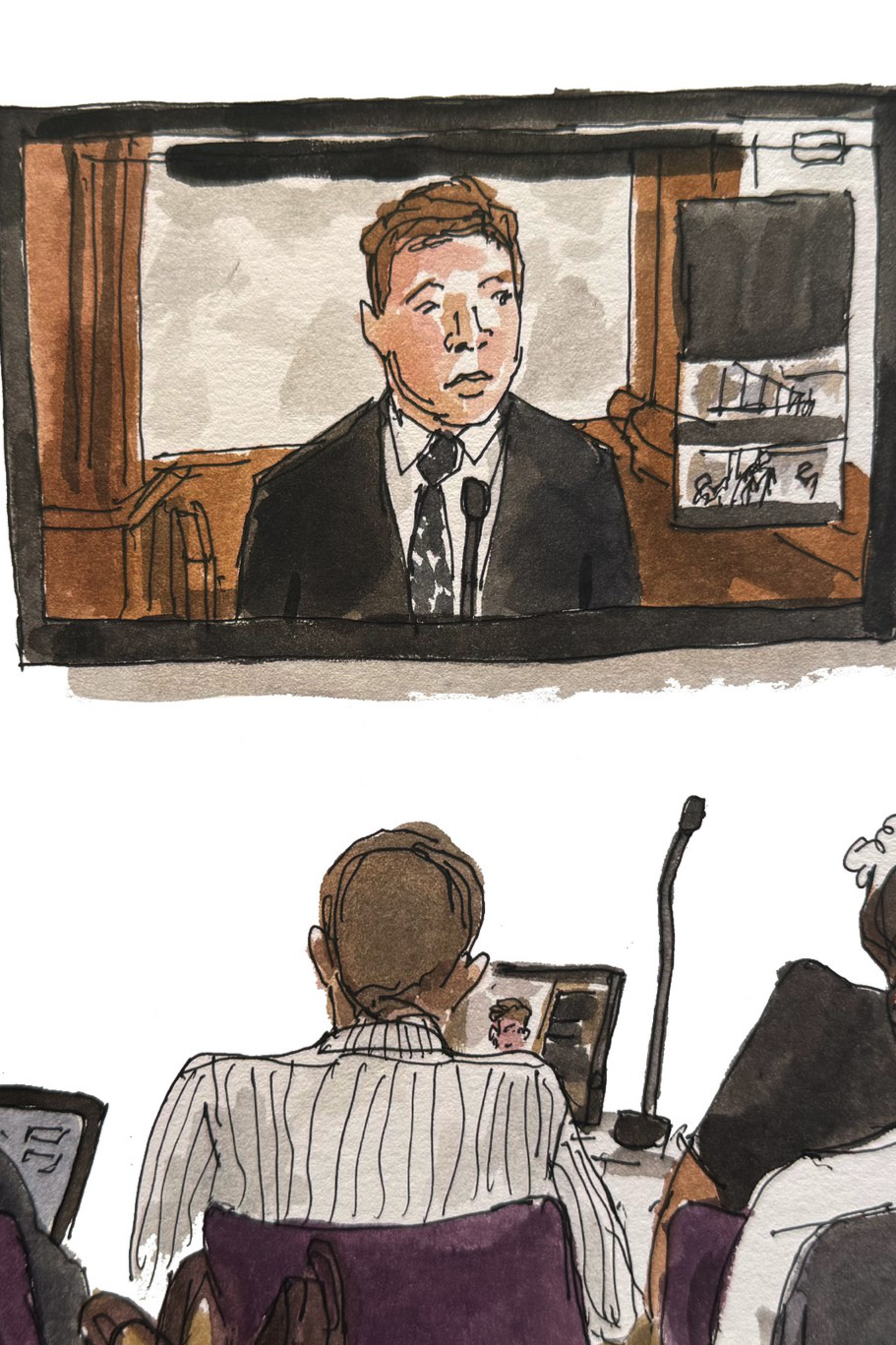
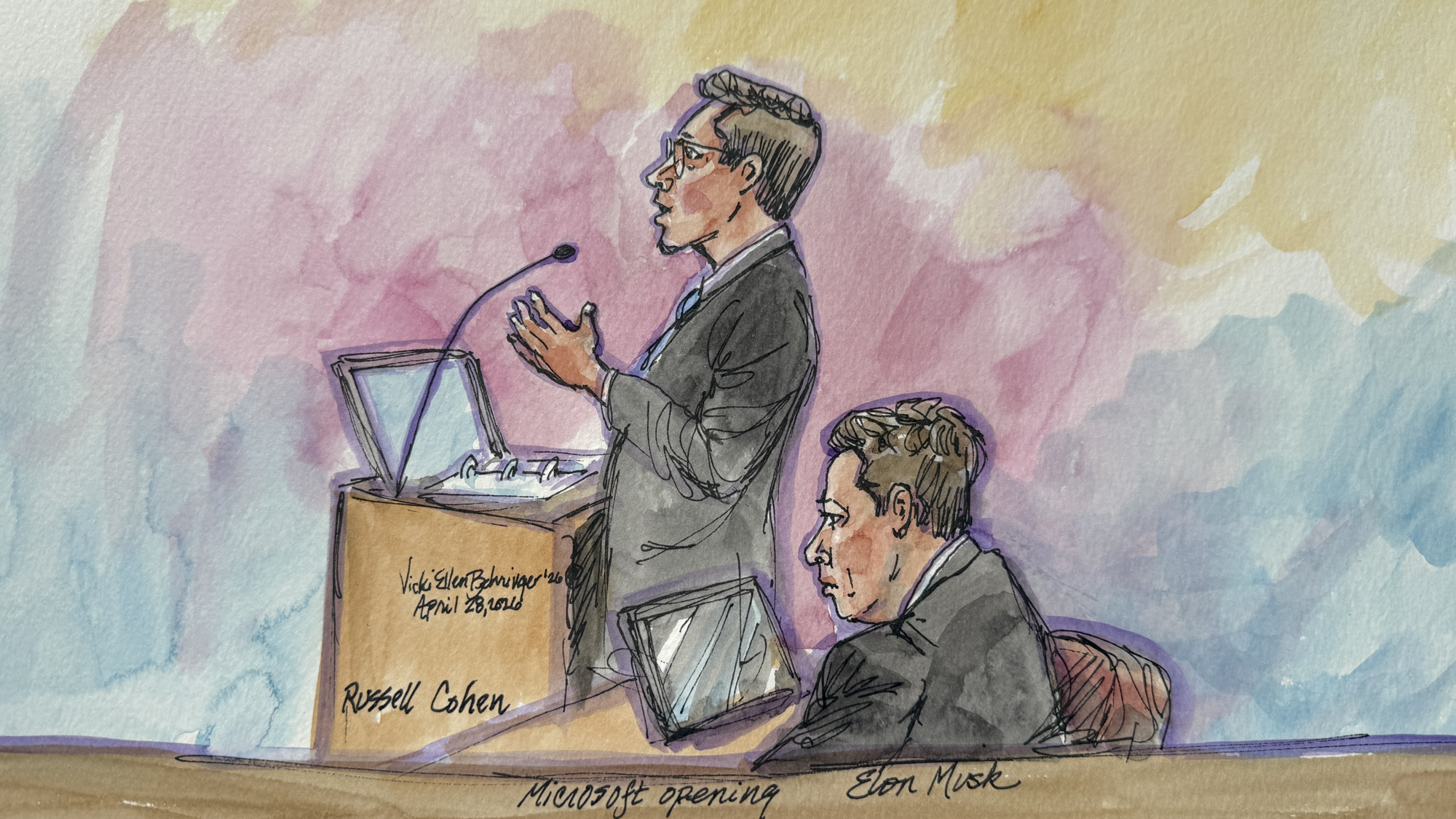
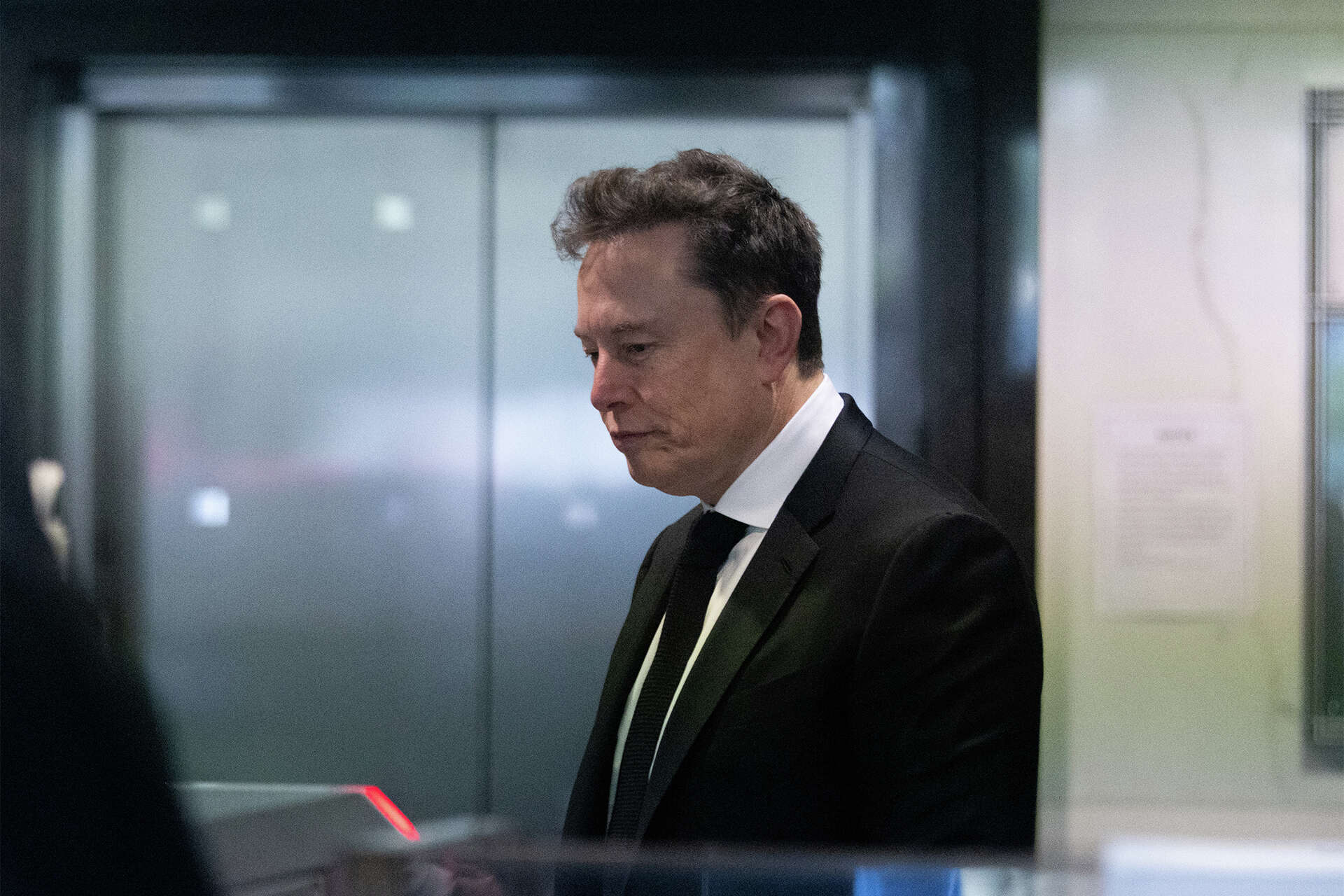
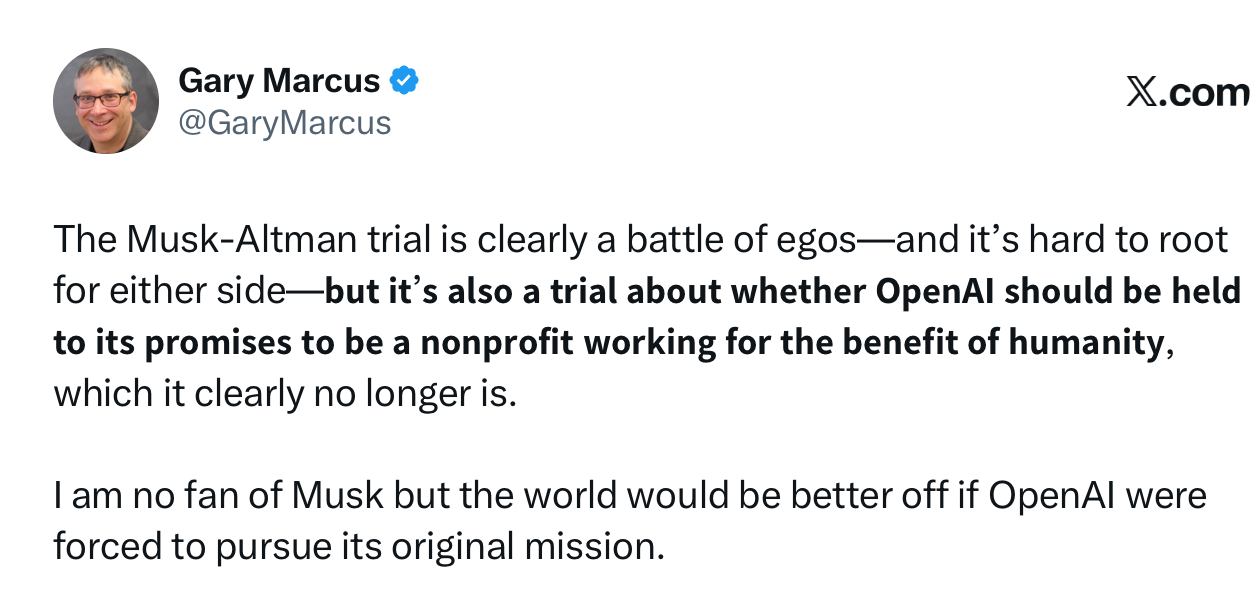
The landmark Musk v. OpenAI trial (Oakland federal court, April 29-30, 2026) represents a critical inflection point for AI industry governance that indirectly shapes e-commerce seller strategies around AI tool adoption, tech product sourcing, and enterprise software partnerships. Musk's testimony reveals a $962 million discrepancy between his claimed $1 billion commitment and actual $38 million contribution, exposing tensions between nonprofit mission statements and commercial incentives that increasingly define the AI tools sellers depend on for operations.
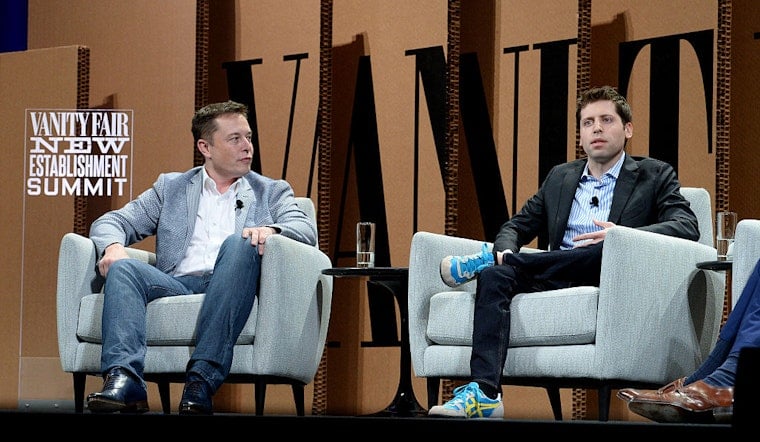
The core dispute centers on OpenAI's October 2025 for-profit conversion, which Musk claims violated the company's original nonprofit charter. Musk seeks $134-150 billion in damages and removal of CEO Sam Altman and President Greg Brockman. This trial outcome directly impacts how AI companies structure governance and fulfill commitments to early investors—a pattern that affects the reliability and pricing of AI-powered tools sellers use for inventory management, demand forecasting, and customer service automation. The trial's four-week duration (with expected testimony from Microsoft CEO Satya Nadella and OpenAI's former CTO Mira Murati) signals deep scrutiny of how tech giants leverage AI infrastructure for competitive advantage.
For cross-border and tech sellers, this trial creates three operational considerations: First, AI tool pricing volatility—if Musk prevails and forces OpenAI's for-profit conversion reversal, API costs for ChatGPT-integrated seller tools could shift dramatically, affecting margins for sellers using AI-powered listing optimization and customer service platforms. Second, vendor reliability concerns—the trial exposes how quickly AI companies can pivot from nonprofit missions to commercial strategies, creating risk for sellers dependent on specific AI platforms for core operations. Third, competitive intelligence opportunities—the trial's revelations about OpenAI's strategic pivot toward Microsoft partnership and away from Google competition signal broader consolidation in enterprise AI, suggesting sellers should diversify AI tool dependencies rather than concentrating on single-vendor solutions.
The trial's outcome could reshape the global AI industry landscape, potentially benefiting competitors like Google and Anthropic. For sellers, this means monitoring which AI platforms gain market share post-trial, as winning platforms may offer more stable pricing and governance structures. The case also highlights the importance of vendor due diligence when adopting AI tools—sellers should evaluate whether their AI tool providers have clear governance structures and transparent mission statements, reducing the risk of sudden pricing changes or service disruptions.
Questions 7
What product opportunities emerge from the trial's AI industry consolidation signals?
The trial reveals consolidation around Microsoft-OpenAI partnership, signaling demand for alternative AI solutions and governance-focused tech products. Sellers can capitalize on this by sourcing and selling: (1) AI governance consulting services for small tech companies, (2) alternative AI tool comparison guides and reviews, (3) vendor risk management software for e-commerce platforms, and (4) open-source AI tools that emphasize transparency and nonprofit governance. The trial's high-profile nature (described as 'the biggest courtroom drama in AI history') creates consumer awareness of AI governance issues, driving demand for products that address vendor reliability concerns. Sellers should monitor trial coverage in tech media to identify emerging product categories and consumer interest in governance-focused AI solutions.
Which AI competitors could gain market share if OpenAI's governance is restructured?
The trial's outcome could benefit Google (through Vertex AI), Anthropic (Claude), and potentially xAI (Musk's competing AI startup founded in 2023). If OpenAI's for-profit conversion is reversed or restructured, sellers may diversify to these alternatives to reduce governance risk. Google's Vertex AI offers enterprise-grade AI with Google's established corporate governance; Anthropic focuses on AI safety (aligning with OpenAI's original nonprofit mission); xAI emphasizes transparency and open development. Sellers should evaluate these platforms' pricing, API reliability, and governance structures as potential alternatives. The trial's expected four-week duration means competitive positioning could shift by late May 2026, creating opportunities for sellers to negotiate better terms with emerging AI providers.