


Brand Leadership Crisis Erupts as Founder's Public Attack Destabilizes Retail Strategy
- Unprecedented internal conflict reveals deep strategic vulnerabilities in athletic apparel market leadership














Overview
The Lululemon leadership crisis represents a critical inflection point in modern retail management, where internal tensions can rapidly unravel carefully constructed brand narratives. At the core of this dramatic leadership transition lies a fundamental breakdown of organizational alignment, symbolized by founder Chip Wilson's provocative full-page newspaper advertisement targeting CEO Calvin McDonald.
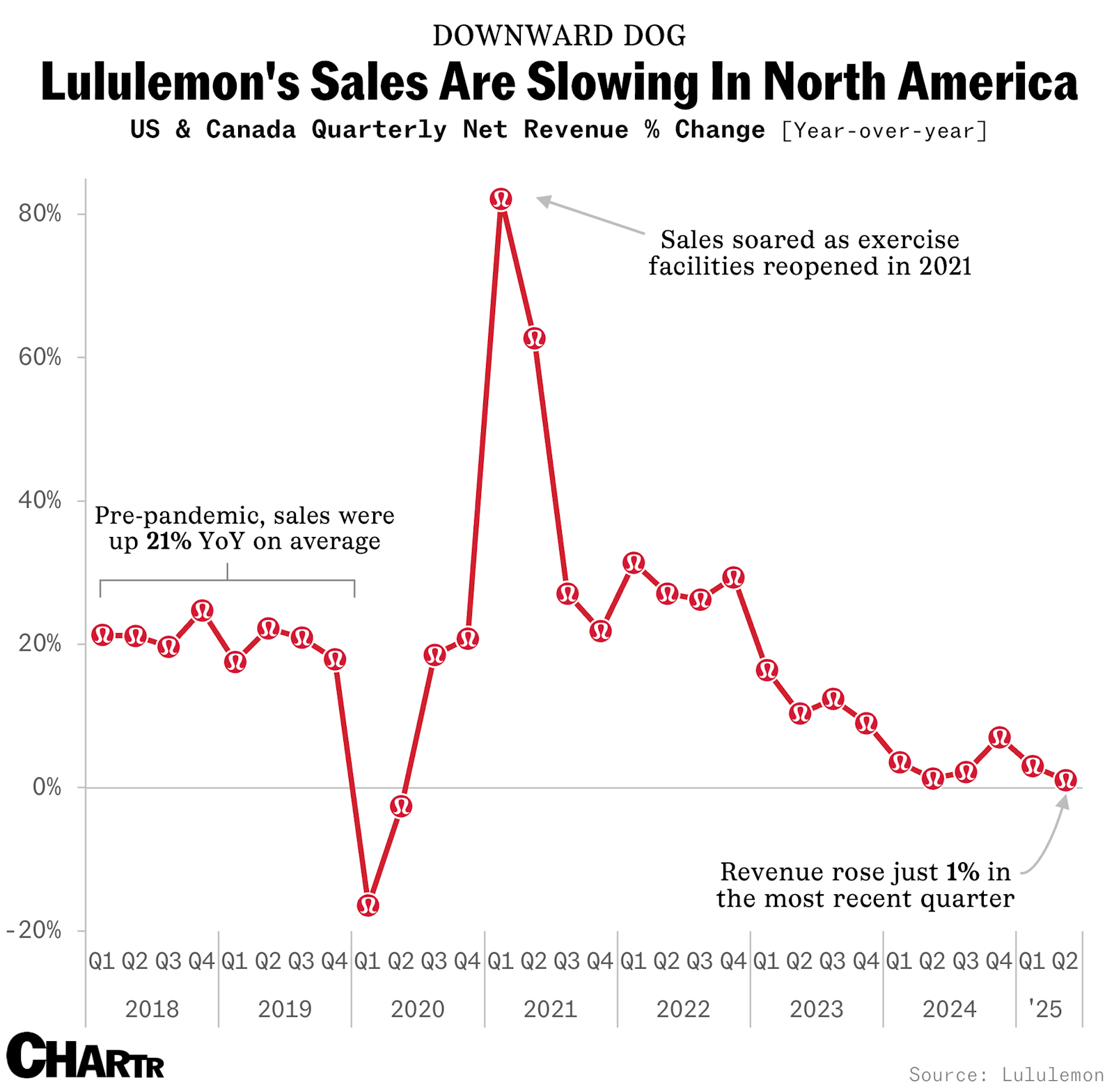
Market fatigue signals are particularly telling in this scenario. Analyst Randal Konik's observation about an unusual accumulation of bestselling black leggings in outlet stores—traditionally a rarely discounted product line—reveals deeper performance challenges. This isn't just a leadership dispute; it's a symptom of broader strategic exhaustion in the athletic apparel sector.
The unexpected public critique appears strategically calculated to accelerate leadership change. By openly challenging McDonald's performance through a media advertisement, Wilson demonstrated how founder influence can dramatically reshape corporate governance. For cross-border e-commerce sellers and brand strategists, this case study illuminates the critical importance of maintaining internal brand consistency and managing potential founder-executive conflicts.
The underlying dynamics suggest a more profound market transformation. Customer engagement models are evolving rapidly, with even core customer bases showing signs of exhaustion. McDonald's own acknowledgment of this fatigue indicates that traditional athletic apparel strategies are becoming less effective. Brands must now navigate increasingly complex landscapes where performance, perception, and internal dynamics intersect unpredictably.
This leadership transition goes beyond a single company's challenges—it represents a broader narrative of retail sector disruption. The ability to manage growth, maintain customer loyalty, and navigate internal tensions has become a critical competitive differentiator. Companies that cannot maintain strategic alignment risk rapid market devaluation, regardless of their previous success.
Questions 3
How are market dynamics changing in athletic apparel?
The sector is experiencing customer fatigue, with traditional engagement models becoming less effective. Brands must now navigate more complex landscapes that require continuous strategic realignment and deeper customer understanding.
What are the broader implications for retail leadership?
The Lululemon case demonstrates that internal conflicts, market performance, and public perception can rapidly converge to create significant organizational challenges. Maintaining strategic alignment and brand consistency has become crucial for survival.