


Iran Conflict Oil Crisis Drives 15-25% Shipping Cost Surge | Cross-Border Seller Impact
- Brent crude hits $126/barrel amid Strait of Hormuz blockade; air freight surcharges spike 20%+ for international sellers; demand destruction threatens non-essential categories























Overview
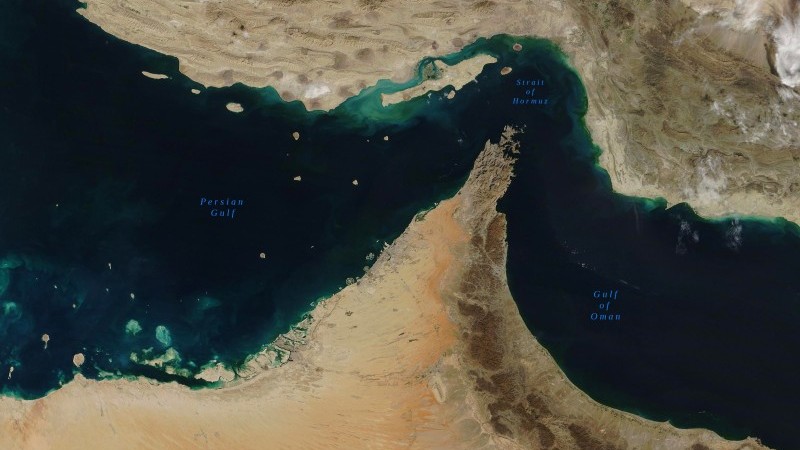
The Iran-Israel conflict has triggered a critical supply chain crisis for cross-border e-commerce sellers, with Brent crude briefly spiking to $126 per barrel and the Strait of Hormuz—which transits approximately 20% of global daily oil supply—effectively closed for two months. According to Janiv Shah, Vice President of Commodity Markets at Rystad Energy, escalating oil prices are triggering demand destruction across multiple regions and industries, with airlines facing the most severe impact as jet fuel costs compress margins on time-sensitive shipments.
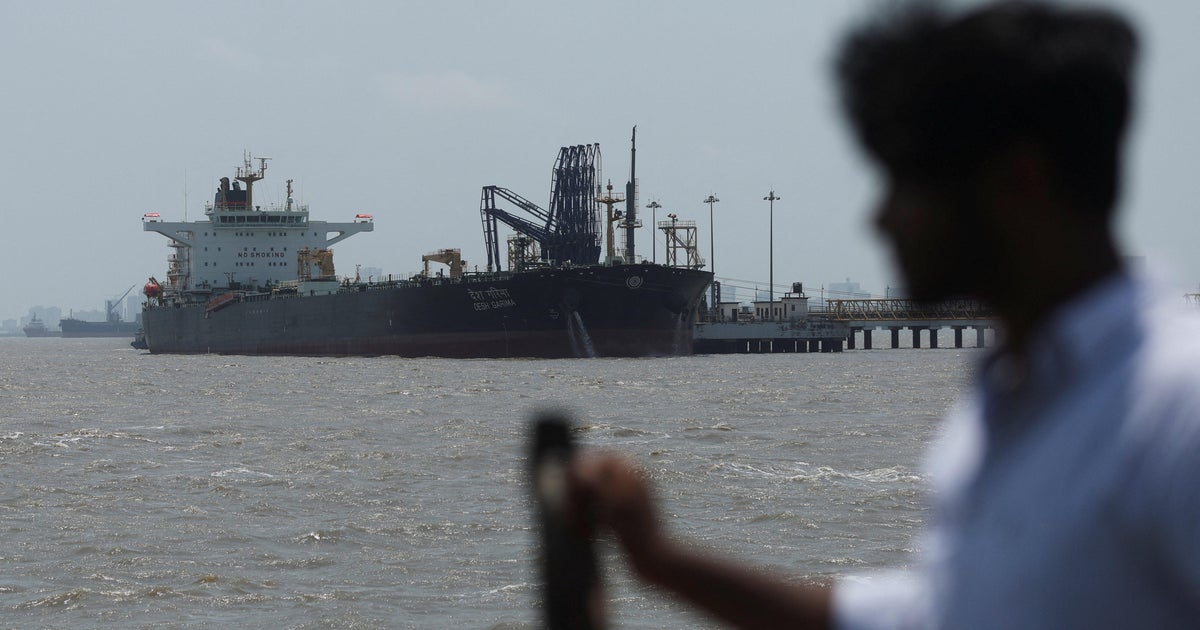
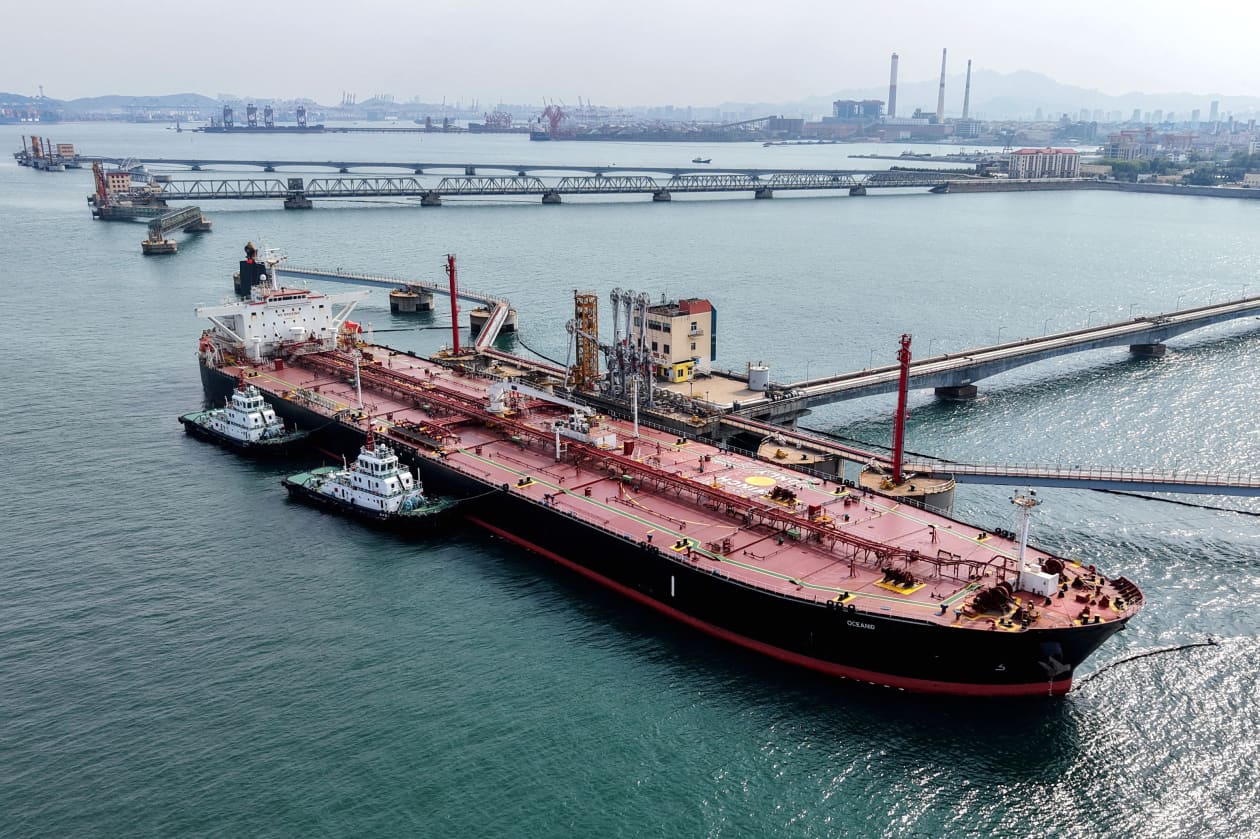
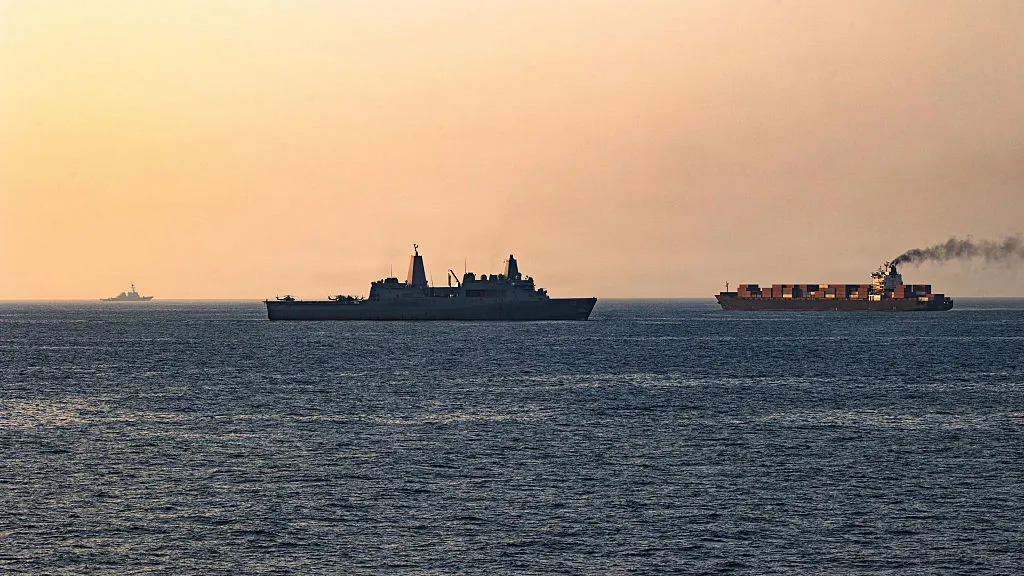
For cross-border sellers, the operational impact is immediate and severe. Air freight costs have surged 20%+ due to elevated jet fuel expenses, directly reducing profit margins on imported goods. Ocean freight surcharges are accelerating as shipping routes face extended transit times and fuel cost pass-throughs. Sellers relying on just-in-time inventory models face heightened risks from supply chain delays, with only a few vessels managing passage through the Strait of Hormuz over the past two months. Logistics providers are implementing fuel surcharges on international shipments, with carriers passing increased costs directly to sellers. For sellers shipping 1,000+ units monthly via air freight, monthly shipping costs could increase $2,000-5,000 depending on product weight and destination. Ocean freight surcharges typically add 8-15% to base shipping costs during geopolitical disruptions.
The demand destruction component poses an equally significant threat. Higher energy costs create inflationary pressures that reduce consumer purchasing power, particularly affecting discretionary spending on non-essential goods. Sellers in categories like fashion, home décor, electronics accessories, and beauty products—which typically rely on fast shipping and serve price-sensitive markets—face declining order volumes. The UAE's recent departure from OPEC adds complexity to energy market dynamics, signaling potential for sustained price volatility. Historical precedent shows previous Middle East geopolitical disruptions have caused sustained energy price increases lasting 3-6 months, suggesting current market conditions will persist through Q1 2025.
Immediate seller actions are critical. Monitor fuel surcharge policies from major carriers (FedEx, UPS, DHL) daily, as surcharges can change weekly. Review inventory composition and shift 20-30% of stock from air freight to ocean freight or slower ground shipping where demand timelines permit. Consolidate shipments to reduce per-unit logistics costs and consider alternative routing through less-congested corridors. Update pricing strategies to reflect 15-25% shipping cost increases, particularly for air-shipped products. Maintain 60-90 days of working capital reserves to absorb potential cost increases. For sellers with high exposure to air freight (electronics, apparel), consider temporary category shifts toward heavier, lower-margin products that benefit from ocean freight economics. Monitor diplomatic developments and military action reports, as conflict resolution could rapidly reverse pricing trends.
Questions 8
Which product categories are most vulnerable to demand destruction from higher shipping costs?
Non-essential categories relying on fast shipping face the steepest demand declines: fashion apparel, home décor, beauty products, electronics accessories, and collectibles. These categories typically depend on air freight for competitive delivery times and serve price-sensitive consumers whose purchasing power declines during inflationary periods. According to Rystad Energy analysis, demand destruction is accelerating across multiple regions as higher energy costs reduce consumer discretionary spending. Sellers in these categories should consider temporary shifts toward heavier products benefiting from ocean freight economics or consolidate shipments to reduce per-unit costs. Essential categories (groceries, health products, tools) show more resilience during energy price spikes.
How much will my shipping costs increase due to the Iran conflict oil spike?
Air freight costs are rising 20-25% due to elevated jet fuel expenses, translating to $2,000-5,000 monthly increases for sellers shipping 1,000+ units via air. Ocean freight surcharges are adding 8-15% to base costs as carriers implement fuel pass-throughs. The Brent crude spike to $126/barrel (retreating to $111) reflects the Strait of Hormuz blockade, which transits 20% of global daily oil supply. Sellers should expect sustained increases through Q1 2025 based on historical geopolitical disruption patterns lasting 3-6 months. Monitor carrier fuel surcharge policies weekly, as they adjust frequently during volatile energy markets.