


Russia Oil Refinery Strikes Trigger Environmental Crisis | Supply Chain & Eco-Product Opportunities for Sellers
- Ukrainian drone attacks on Tuapse refinery create 5-10 year ecosystem damage, driving demand for environmental cleanup products, eco-friendly alternatives, and disaster relief merchandise across cross-border marketplaces









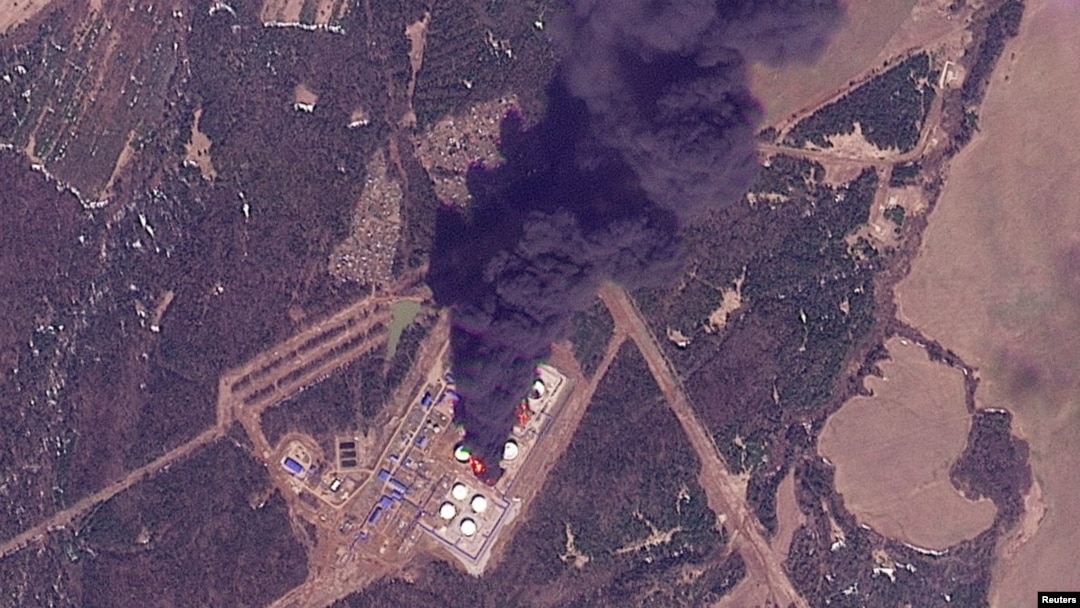
Overview
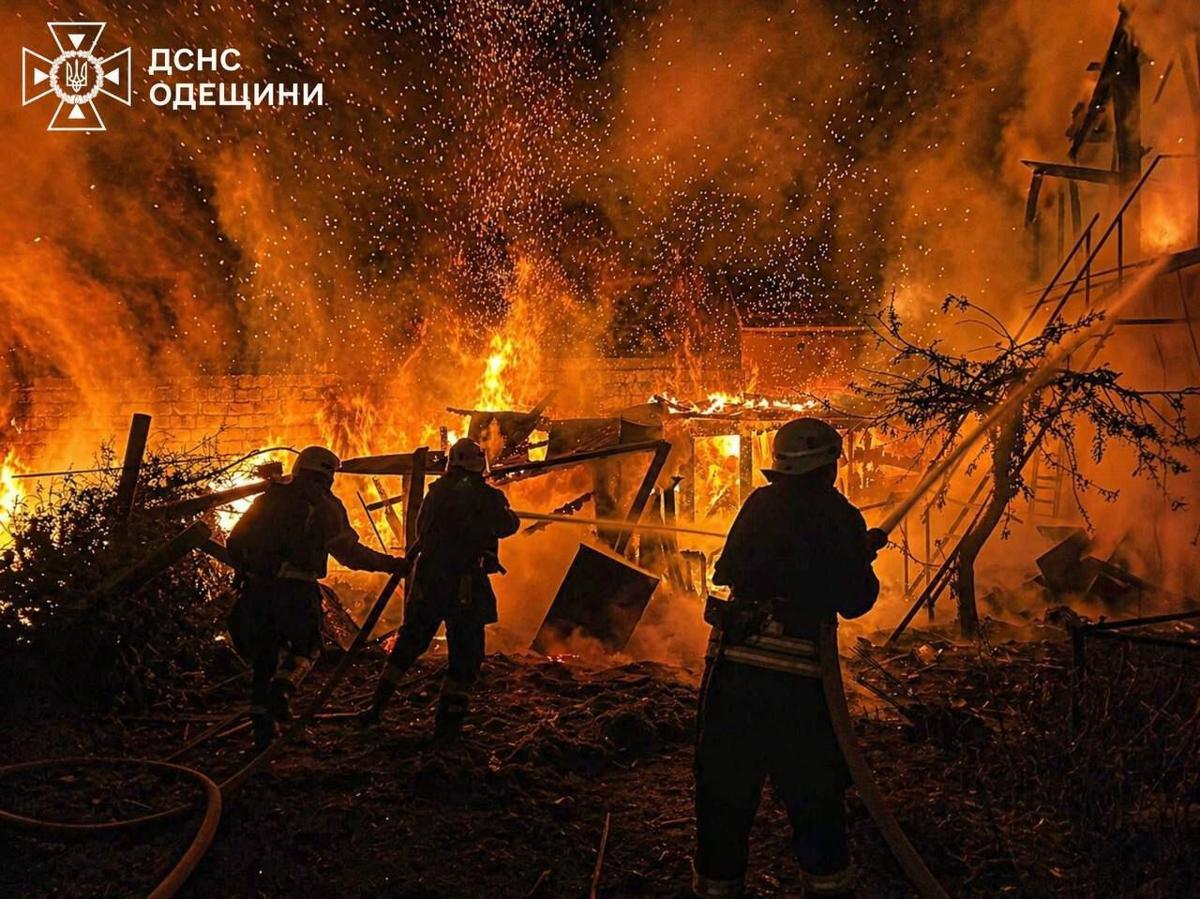
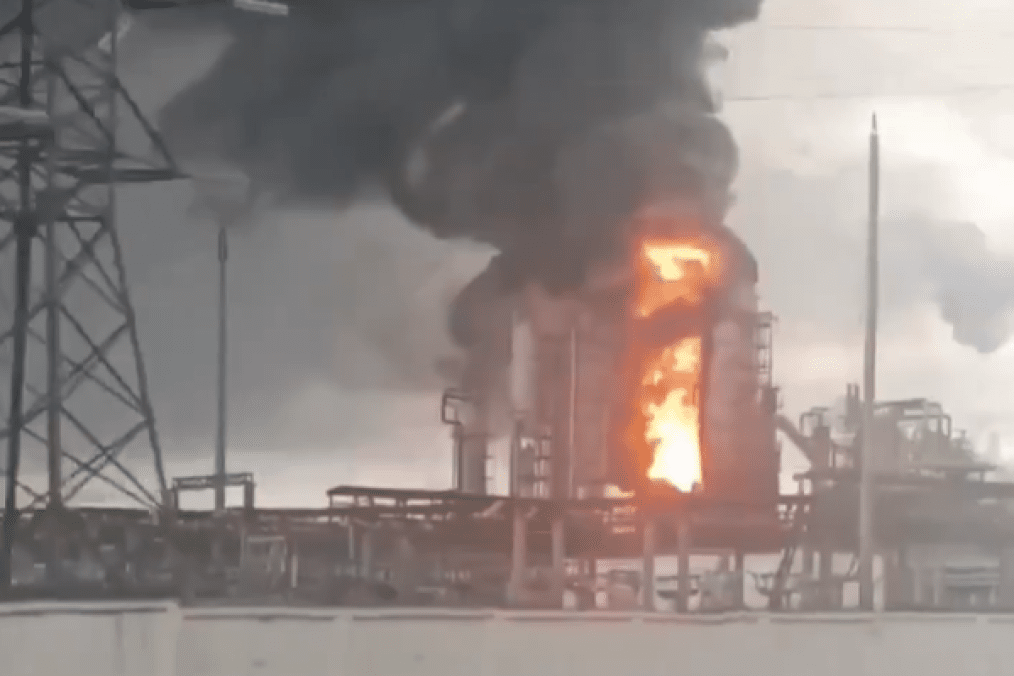
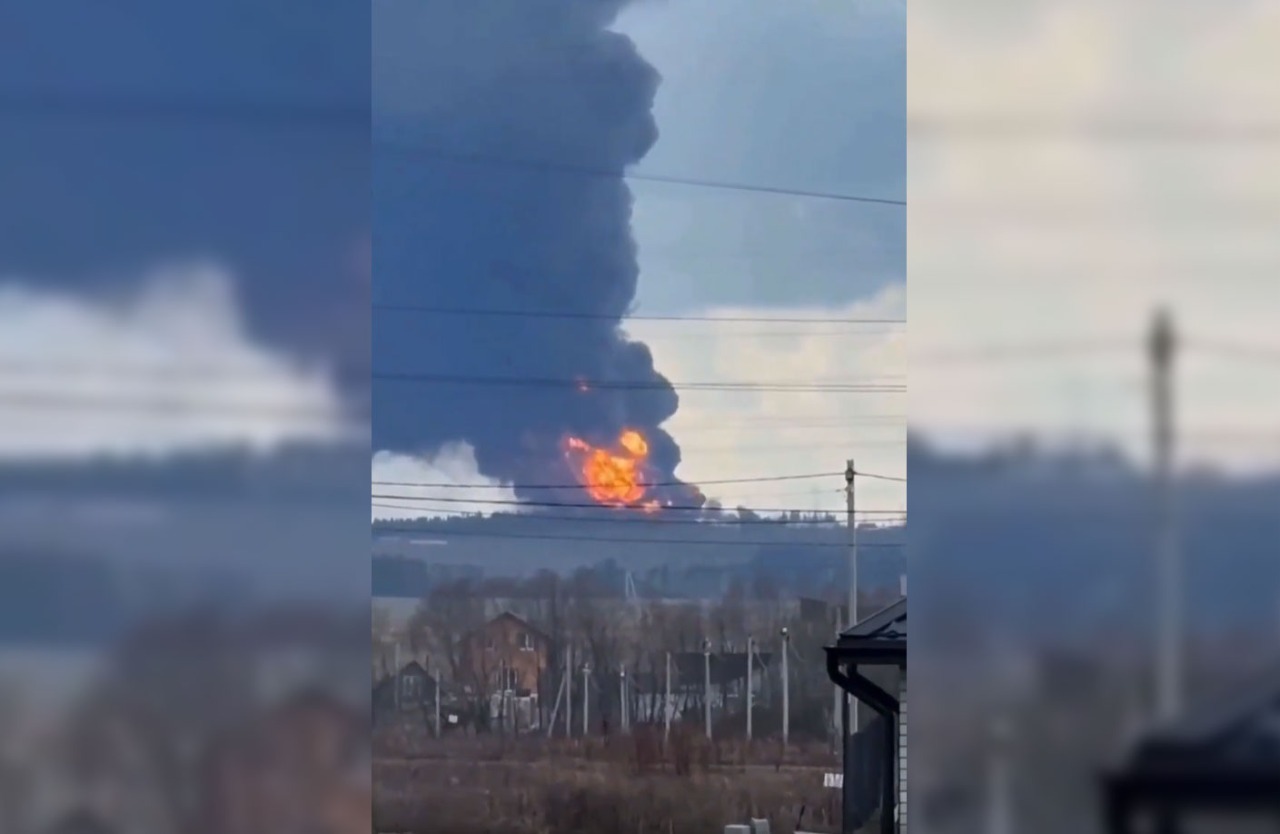
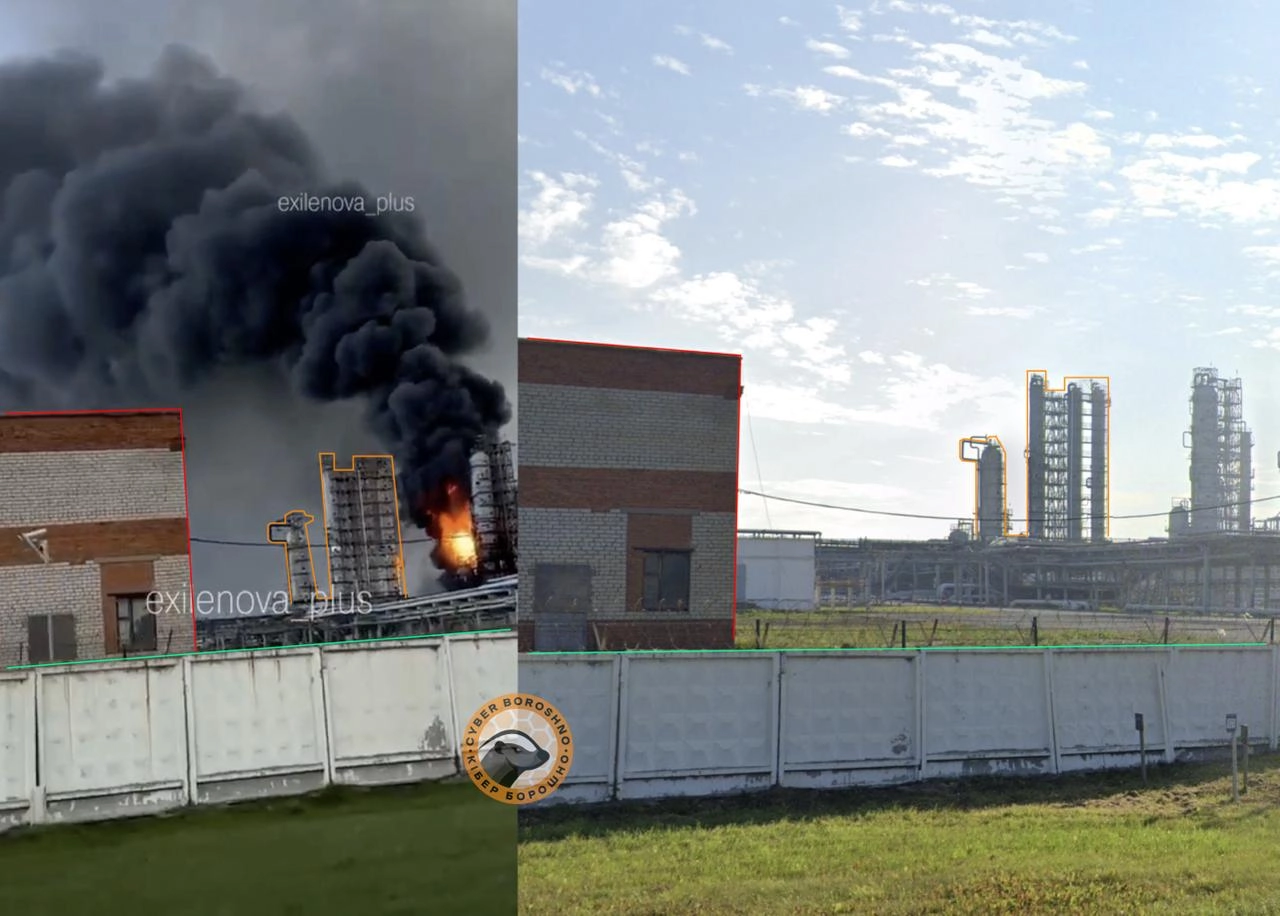
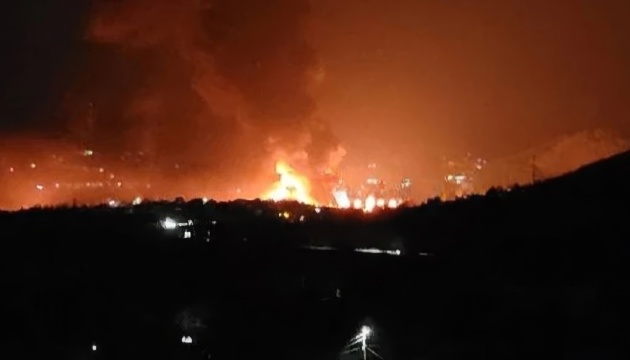
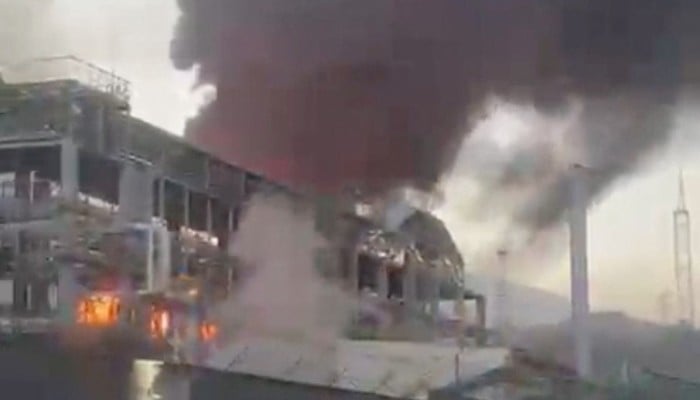
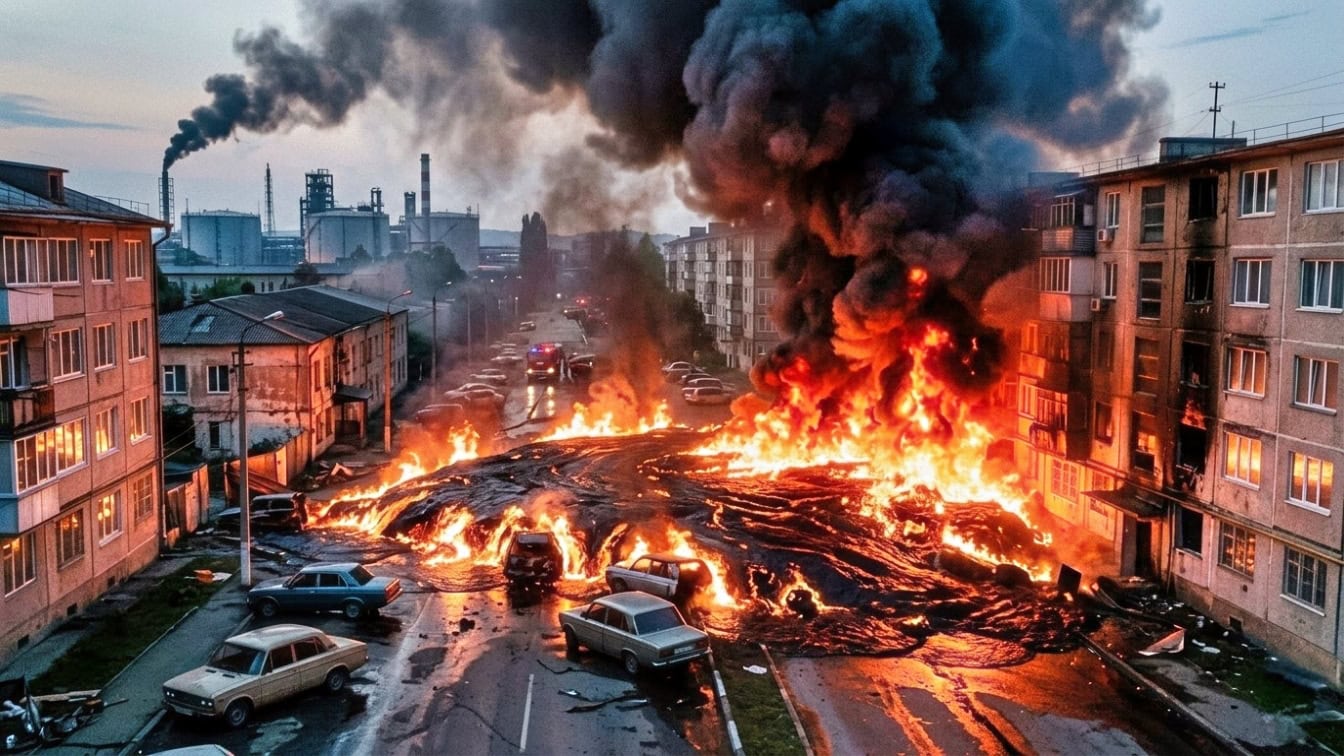
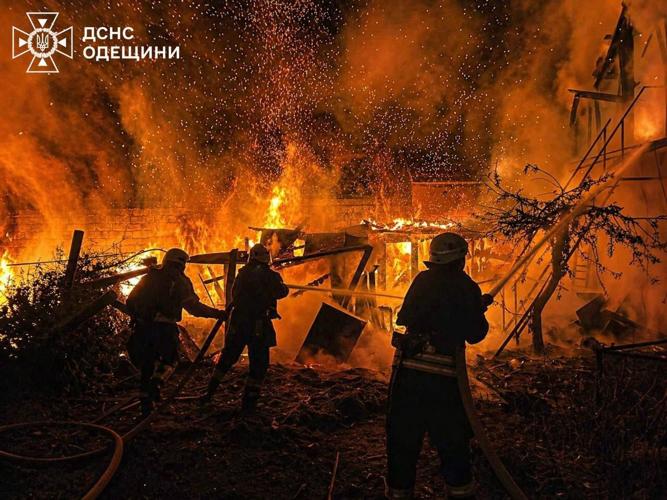
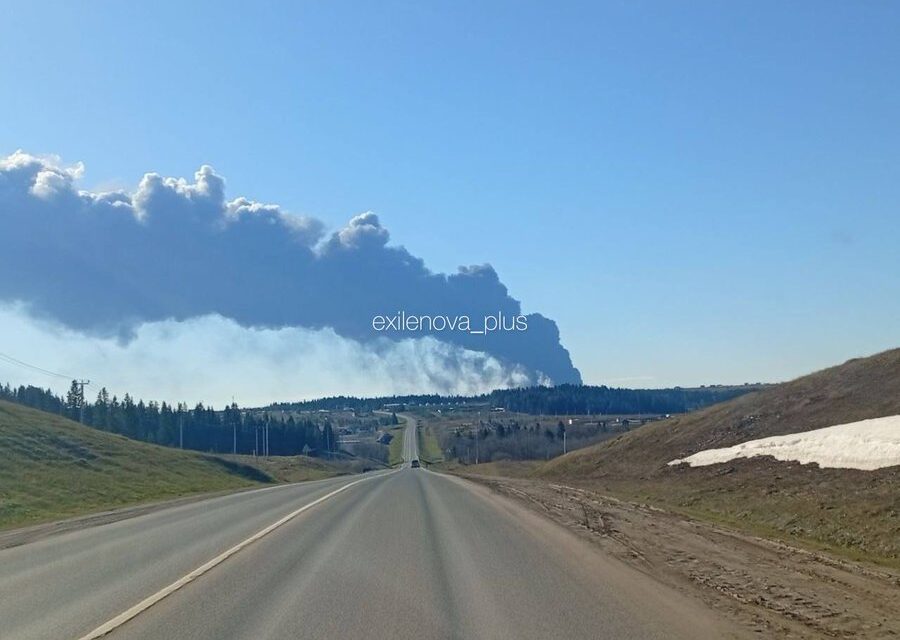
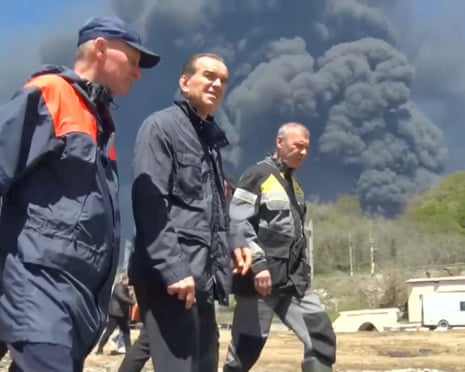
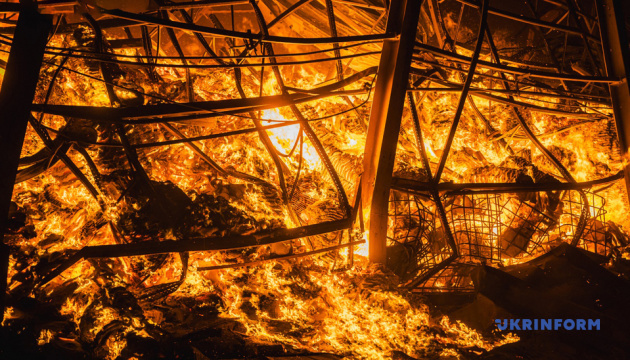
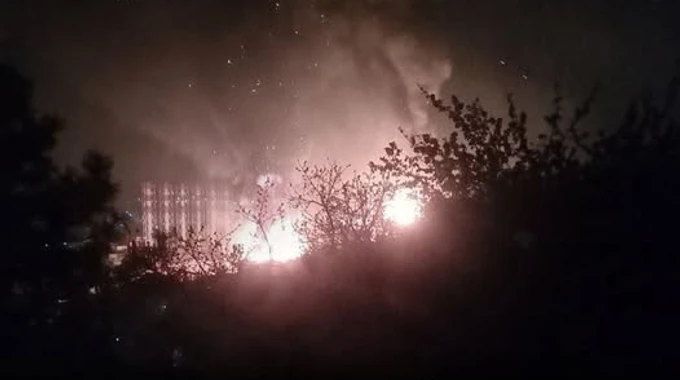
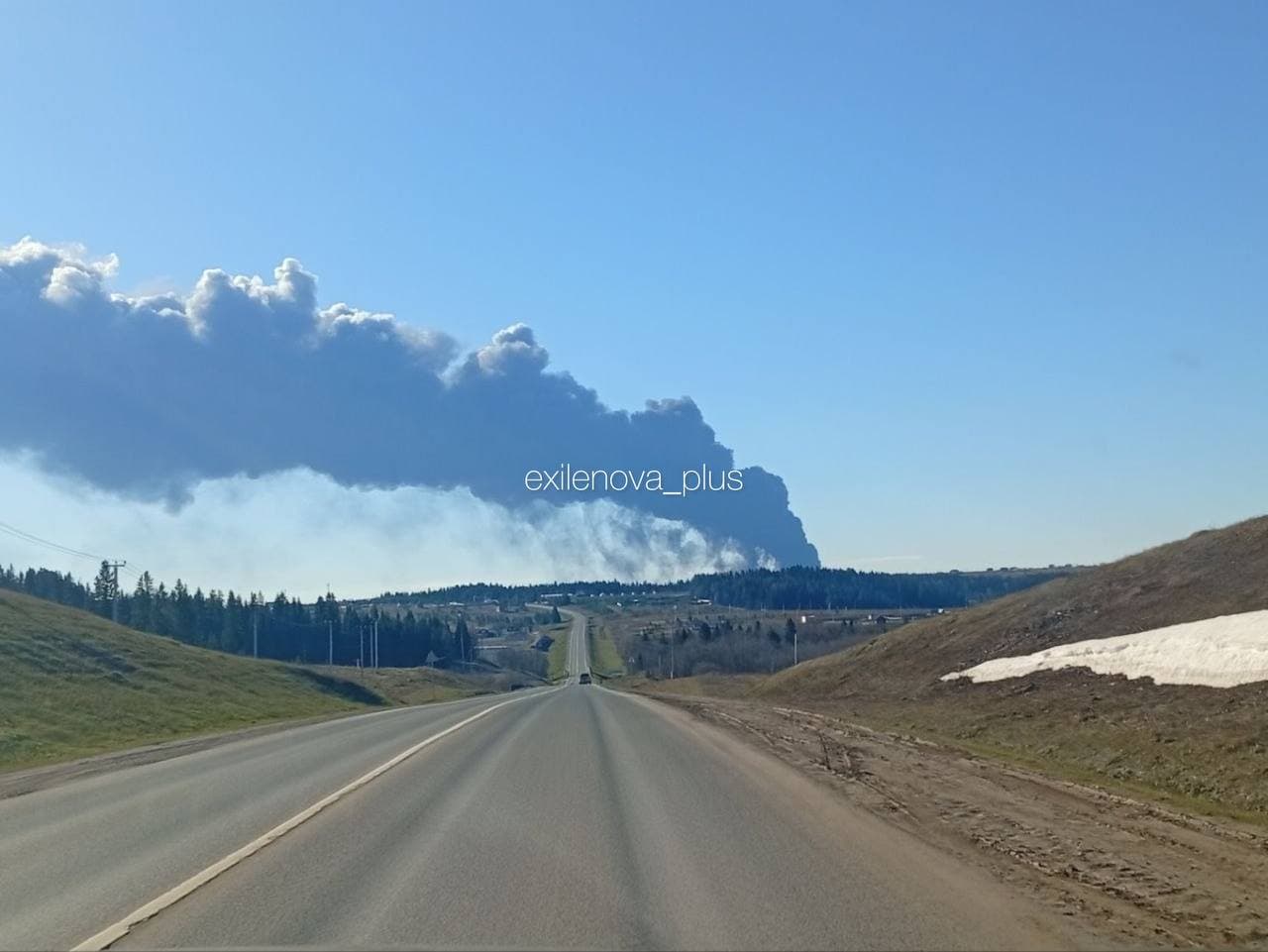
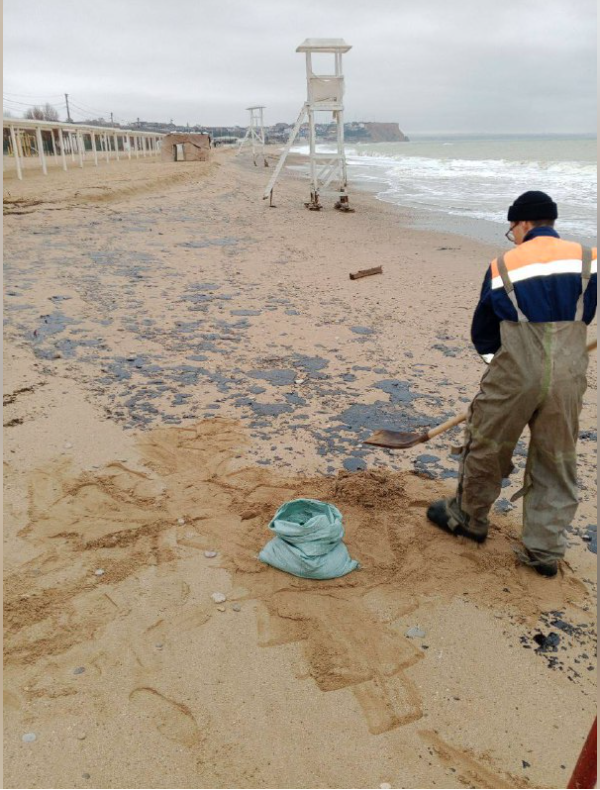
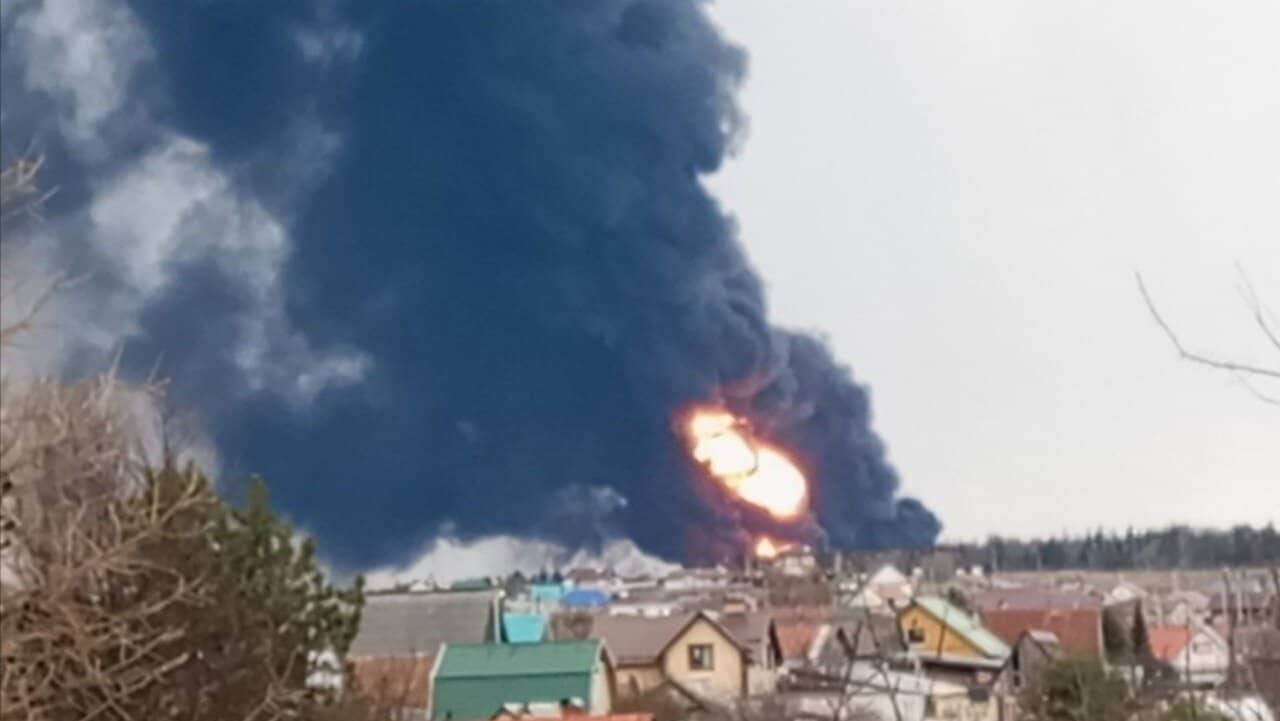
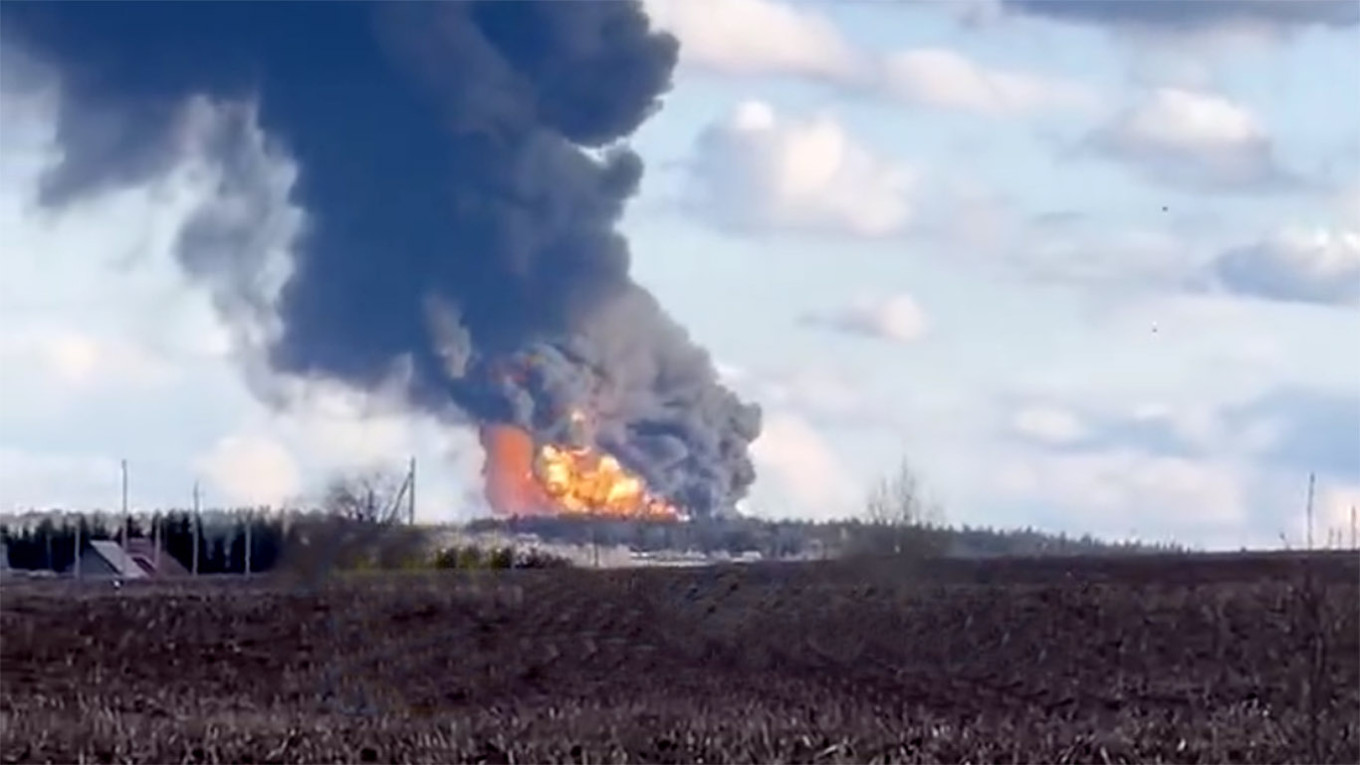
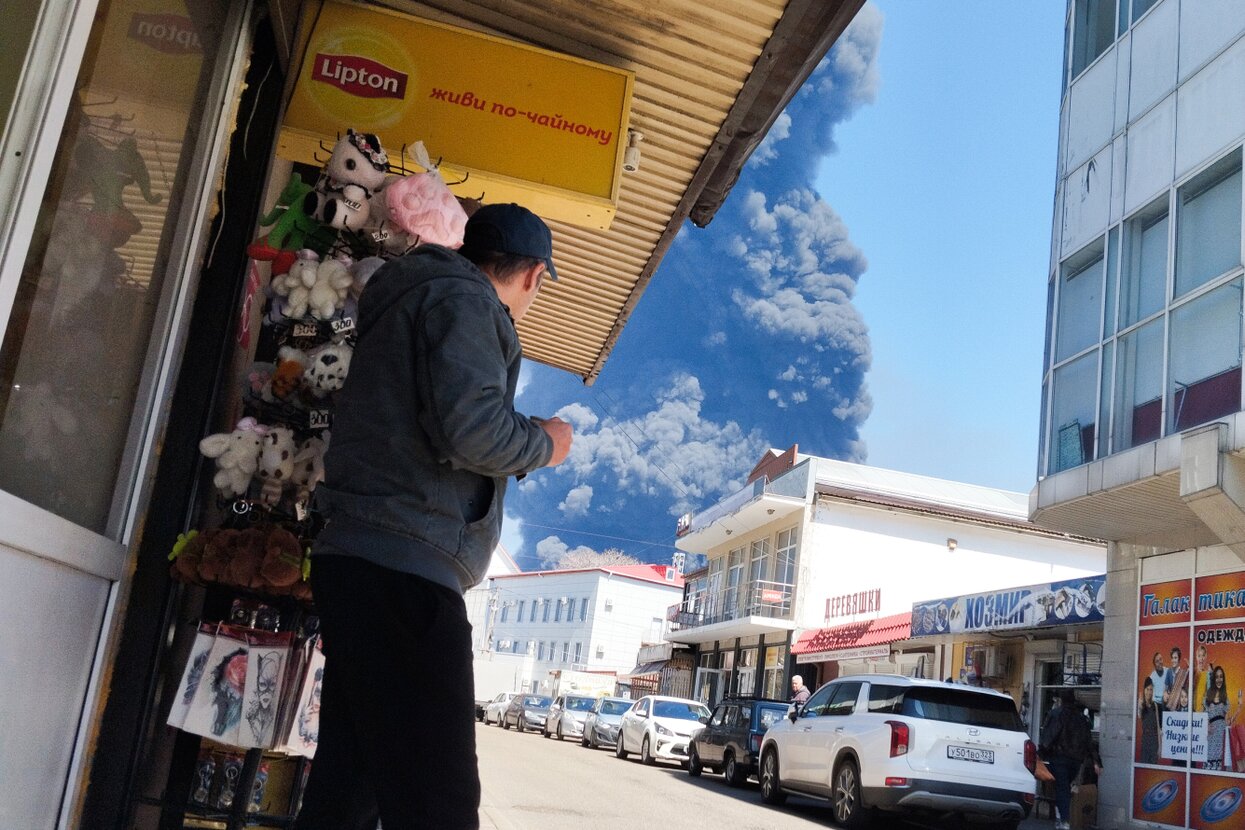
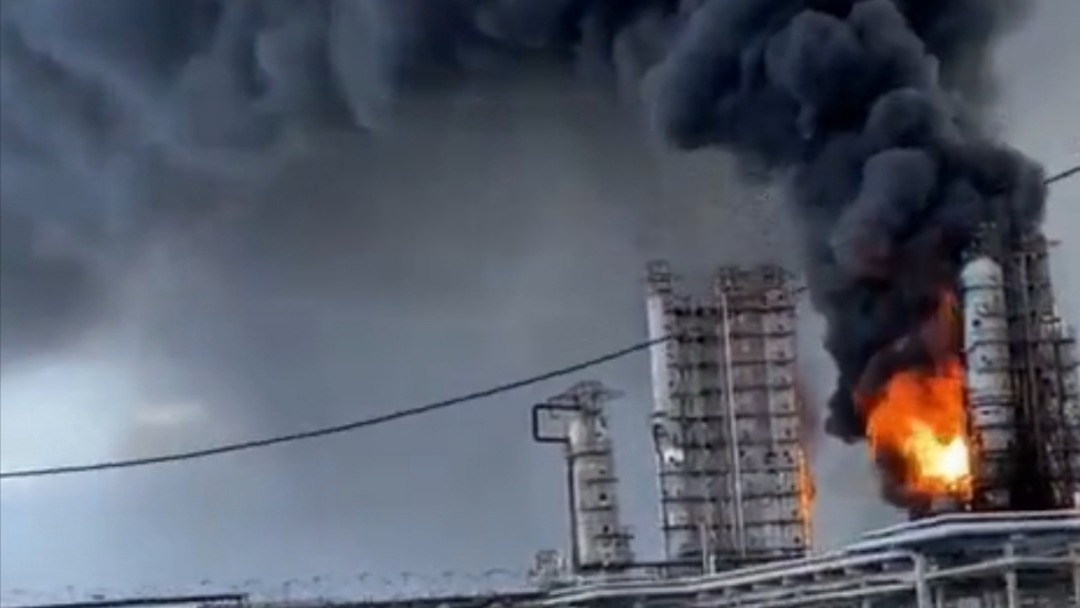
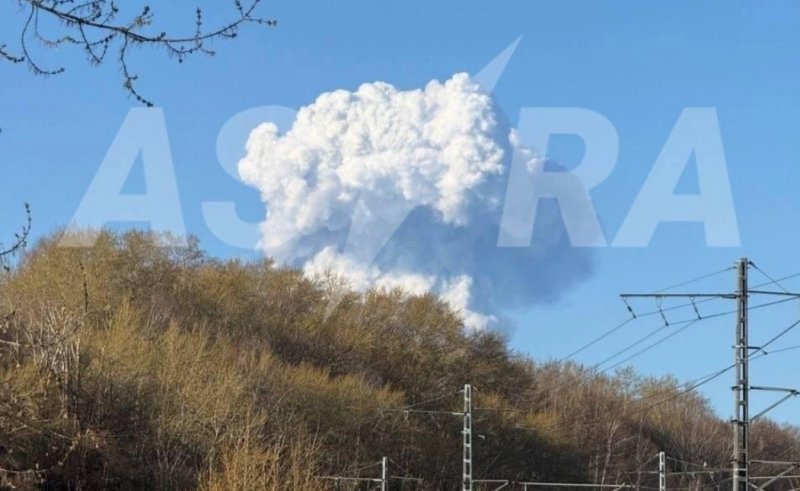
The April 2024 Ukrainian drone strikes on Russia's Tuapse refinery—hit three times within two weeks (April 16, 20, and subsequent attack)—represent a critical inflection point for cross-border sellers operating in environmental remediation, disaster relief, and eco-conscious product categories. The strikes destroyed eight storage tanks, releasing benzene and xylene at concentrations 3x above safe levels, creating a 20-kilometer oil slick affecting the Black Sea and triggering a sustained cleanup operation requiring specialized equipment, protective gear, and absorbent materials consumed at rates of 2+ hours per volunteer session.
For e-commerce sellers, this environmental disaster unlocks multiple revenue streams. First, the immediate cleanup phase (April-June 2024) drives demand for industrial-grade protective equipment—respirators, hazmat suits, nitrile gloves, and absorbent materials—categories that typically see 40-60% volume spikes during environmental emergencies. Sellers specializing in safety equipment can target Russian and Eastern European buyers through Amazon, eBay, and regional marketplaces, with cleanup operations requiring "over a dozen boats" and emergency crews suggesting B2B procurement opportunities for industrial suppliers. Second, the 5-10 year ecosystem recovery timeline creates sustained demand for eco-restoration products: water filtration systems, marine habitat restoration kits, and environmental monitoring equipment. Third, the geopolitical context—Ukraine's escalating drone campaign with plans to intensify as "domestic drone production increases"—signals potential supply chain disruptions for Russian sellers and opportunities for sellers in NATO-aligned regions to capture market share from disrupted competitors.
Consumer behavior shifts toward environmental consciousness. The volunteer animal rescue centers established to wash affected cats, dogs, and birds reflect growing consumer demand for pet care products, eco-friendly cleaning solutions, and animal welfare merchandise. Sellers can capitalize on this sentiment through targeted campaigns in pet care, sustainable home goods, and charitable product bundles marketed toward environmentally conscious buyers in Western markets. The "black rain" phenomenon—soot and ash coating vehicles and infrastructure—creates demand for automotive cleaning products, protective coatings, and industrial decontamination supplies. Additionally, the long-term ecosystem damage (fish/shellfish mortality, food chain disruption) signals potential growth in sustainable seafood alternatives and plant-based protein products, categories that historically see 15-25% growth during environmental crises that raise consumer awareness about food sourcing.
Supply chain implications are substantial. Russian refineries supply fuel and petrochemical feedstocks to manufacturing sectors across Eastern Europe and Asia. The Tuapse facility's destruction reduces Russian energy exports, potentially increasing energy costs for manufacturers in dependent regions and creating opportunities for sellers to source products from alternative suppliers or shift manufacturing to less-affected geographies. Sellers with inventory in Russia face logistics challenges; the military analyst's assessment that Ukraine will "systematically" escalate refinery targeting suggests ongoing infrastructure risk, making 3PL diversification and inventory rebalancing toward EU/US warehouses strategically prudent.
Questions 8
What product categories see demand spikes during environmental disasters like the Tuapse refinery strikes?
Environmental emergencies typically drive 40-60% volume increases in protective equipment (respirators, hazmat suits, nitrile gloves), industrial absorbents, and cleanup supplies. The Tuapse incident, which destroyed 8 storage tanks and required absorbent consumption every 2 hours for volunteer cleanup crews, exemplifies this pattern. Sellers on Amazon, eBay, and regional marketplaces can target Russian and Eastern European buyers with industrial-grade safety equipment. Additionally, demand emerges for water filtration systems, marine habitat restoration kits, and pet care products—the latter driven by volunteer animal rescue centers established to wash oil-affected cats, dogs, and birds. Historical data from similar 2023 environmental incidents shows sustained 15-25% growth in eco-friendly alternatives for 6-12 months post-incident.
What sustainable product opportunities emerge from long-term ecosystem damage lasting 5-10 years?
The Tuapse disaster's 5-10 year recovery timeline—with oil settling in Black Sea sediments, disrupting food chains and causing fish/shellfish mortality—creates sustained demand for sustainable alternatives. Plant-based protein products and sustainable seafood alternatives typically see 15-25% growth during environmental crises that raise consumer awareness about food sourcing. Sellers can develop product bundles combining eco-friendly home goods, sustainable food products, and environmental education materials, marketed toward Western consumers with heightened environmental consciousness. Additionally, water filtration systems, marine habitat restoration kits, and environmental monitoring equipment represent B2B opportunities for sellers targeting government agencies and NGOs involved in ecosystem recovery efforts.