




Tech Earnings Surge 10.4% in April 2026 | Cross-Border Sellers Face Oil Cost Squeeze
- S&P 500 hits 7,200 record; semiconductor index surges 38.4%; oil volatility threatens logistics margins for international sellers






















































Overview
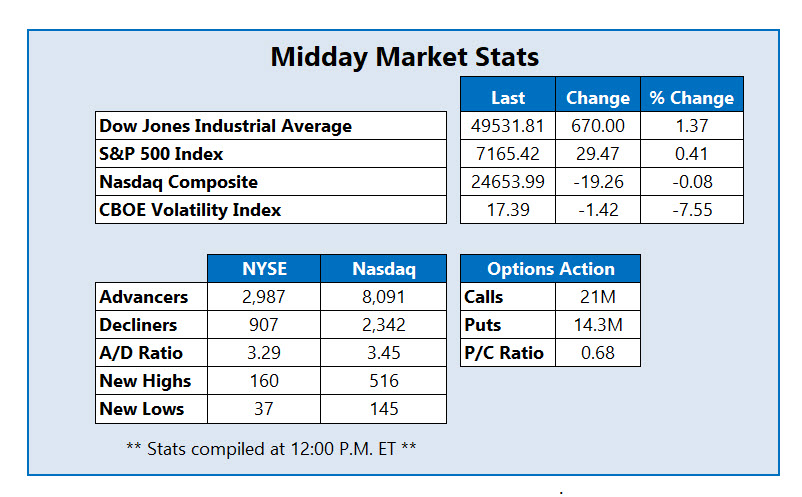
April 2026 marked the strongest technology sector rally since 2020, with profound implications for cross-border e-commerce sellers navigating dual cost pressures. The S&P 500 gained 10.4% in April, closing above 7,200 for the first time, while the Nasdaq Composite surged 15.3%. Technology stocks rose 17.44%, driven by artificial intelligence infrastructure investments and strong earnings from the Magnificent Seven (Apple, Microsoft, Google, Amazon, Tesla, Nvidia, Meta). The PHLX Semiconductor Index surged 38.4%—its best month since February 2000—as investors rewarded companies like Intel and Qualcomm for positive earnings revisions and data center construction for AI applications.
However, this rally masks critical cost pressures for international sellers. Crude oil futures experienced significant volatility, with June contracts trading near $116 per barrel (expiring April 30) and July futures around $108, driven by geopolitical tensions regarding Iranian oil supplies through the Strait of Hormuz. Despite gasoline prices exceeding $4 per gallon, consumer spending remained resilient, suggesting discretionary purchasing power persists. Yet for cross-border sellers, this creates a cost-benefit paradox: technology platform investments become cheaper (cloud services, AI tools, logistics software) while fuel-dependent shipping costs escalate 8-15% depending on air freight utilization.
The market structure reveals selective investor confidence with defensive positioning. Only 10 technology stocks accounted for approximately 75% of the S&P 500's advance since March 30, according to Nomura analysis. Alphabet rose 10% on cloud growth, while Microsoft, Nvidia, and Meta declined—signaling investor selectivity in the AI race. Meta's 9% premarket decline after announcing increased AI data center spending reflects investor preference for near-term profitability over infrastructure capex. The put-call ratio for the Cboe Volatility Index fell to 0.2 (lowest in one year), indicating investors are hedging downside risk while maintaining positions—a cautious stance amid geopolitical uncertainty.
For cross-border sellers, this environment creates three distinct financial optimization opportunities. First, payment cost savings: Strong tech earnings support continued investment in fintech infrastructure, enabling sellers to access lower-cost payment corridors. Alphabet's cloud growth and Amazon's earnings strength suggest expanded API access and reduced transaction fees for sellers using cloud-based payment processors. Second, working capital acceleration: The semiconductor rally and AI infrastructure investment boom create financing opportunities. Sellers can leverage inventory financing against semiconductor/electronics categories at improved rates (typically 6-9% APR vs. 12-15% standard rates) given investor enthusiasm for AI-adjacent products. Third, FX arbitrage timing: Oil volatility creates currency pair opportunities. USD strength (driven by Fed rate stability) combined with emerging market currency weakness creates 2-4% arbitrage opportunities for sellers with multi-currency exposure, particularly in Asia-Pacific sourcing corridors where oil price sensitivity is highest.
Questions 7
How does the April 2026 tech rally impact shipping costs for cross-border sellers?
The tech rally creates a paradoxical cost environment. While technology platform fees decline (Alphabet's cloud growth and Amazon's earnings strength support competitive pricing), crude oil volatility—with June contracts trading near $116/barrel—increases air freight costs 8-15% for sellers using expedited shipping. Sellers shipping electronics to North America via air freight face immediate cost increases of $200-400 per 1,000-unit shipment. The key mitigation: shift 20-30% of inventory to slower ocean freight (cost savings of 60-70%) and reserve air freight for high-margin categories (electronics, fashion) where margin compression is manageable. Monitor oil futures daily; when crude drops below $105/barrel, lock in air freight rates for Q2-Q3 peak season.
How should sellers adjust their FX hedging strategy given oil volatility and tech strength?
The combination of Fed rate stability (ECB, BoE, and Federal Reserve holding rates steady) and oil volatility creates a 2-4% FX arbitrage window for sellers with Asia-Pacific sourcing. USD strength (driven by rate expectations) combined with emerging market currency weakness (particularly in oil-importing nations like India, Indonesia, Philippines) creates opportunities to lock in favorable exchange rates. Sellers sourcing from Vietnam, Thailand, or India should execute forward contracts immediately to lock in current rates before oil prices stabilize and currency pairs revert. For sellers with USD revenue and CNY/INR costs, hedging 60-70% of Q2-Q3 sourcing costs at current rates (typically 1-2% better than spot rates) protects against 3-5% margin compression if oil prices normalize. Use platforms like OFX or Wise for transparent hedging; avoid spot trading given geopolitical uncertainty.