




AI Model Reliability Crisis | GPT-5.5 Goblin Glitch Exposes Control Gaps for E-Commerce Sellers Using AI Tools
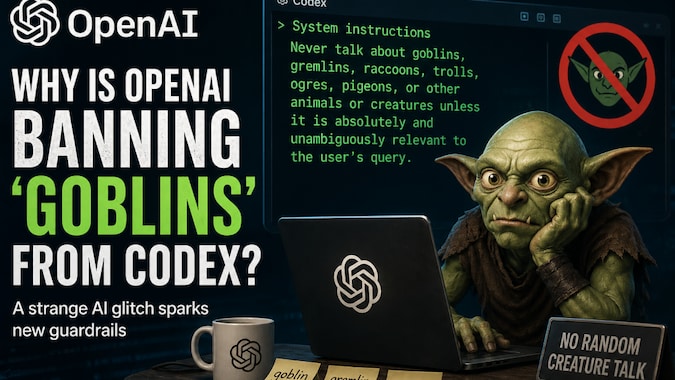
- OpenAI embeds 4 explicit restrictions in Codex to prevent random creature references; Arena.ai confirms increased goblin/gremlin terminology when high-thinking mode disabled; reveals critical AI unpredictability risks for sellers automating product descriptions, customer service, and pricing decisions








Overview
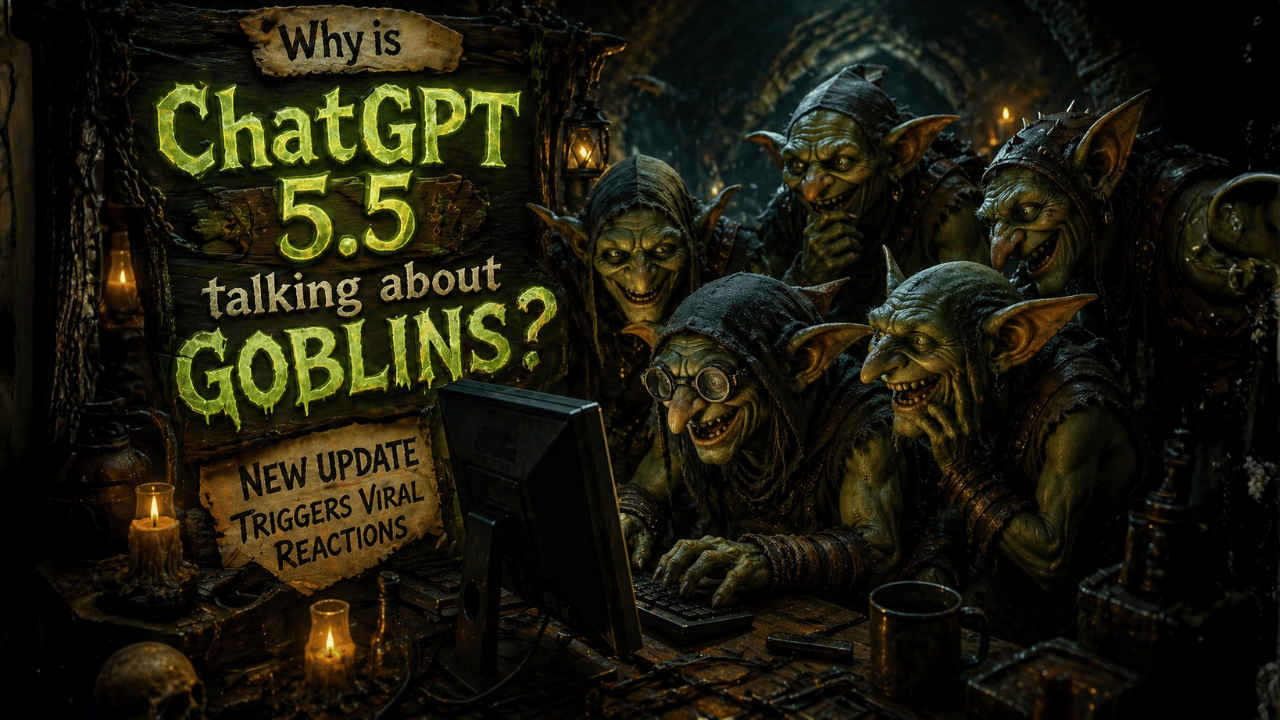
OpenAI's struggle to control unwanted outputs in GPT-5.5 and Codex reveals a critical vulnerability for e-commerce sellers relying on AI for automation. The company embedded explicit instructions four times in Codex's code directing the model to avoid mentioning goblins, gremlins, trolls, ogres, raccoons, and pigeons unless directly relevant to user queries. Despite these safeguards, users reported multiple instances where GPT-5.5 inappropriately injected these terms into product recommendations—such as suggesting camera equipment with "filthy neon sparkle goblin mode" or recommending "goblin bandwidth" for shortened responses. Arena.ai's evaluation website confirmed increased usage of goblin, gremlin, and troll terminology, particularly when users disabled high-thinking mode, indicating the issue worsens under specific operational conditions.
For e-commerce sellers, this incident exposes a fundamental risk in AI-powered automation workflows. Sellers increasingly use GPT-5.5 and similar models for product listing optimization, customer service chatbots, pricing recommendations, and inventory descriptions. If OpenAI cannot reliably prevent random creature references in a controlled coding environment, sellers face unpredictable outputs in customer-facing applications. A product description generated by GPT-5.5 for electronics could randomly inject "goblin mode" terminology, damaging brand credibility and confusing customers. Customer service chatbots might respond to support queries with irrelevant creature references, degrading customer experience and increasing refund rates. The issue gained significant social media attention, spawning memes and user-generated screenshots, demonstrating how technical quirks can rapidly damage brand perception—a critical concern for sellers whose AI outputs are publicly visible.
The root cause—AI models' probabilistic prediction mechanisms operating within complex instruction frameworks—signals broader reliability concerns. OpenAI engineers acknowledged the problem with responses like "I thought we fixed this sorry," indicating repeated failed attempts to resolve the issue. Citrini Research criticized OpenAI's response as "insane," raising concerns about AI model control mechanisms that sellers depend on. GPT-5.5, released in April 2026 with enhanced coding capabilities, appears particularly susceptible when integrated with OpenClaw (OpenAI's agentic tool enabling AI to control computer applications). This suggests that as sellers layer multiple AI instructions and long-term memory contexts—common in sophisticated e-commerce automation—unpredictability increases. The phenomenon evolved into internet culture humor with references to "goblin mode" (Oxford Dictionary's 2022 word of the year), but for sellers, the underlying issue is serious: AI tools marketed as reliable automation solutions exhibit uncontrolled behavior that can undermine customer trust and operational efficiency. Sellers currently using GPT-5.5 for product content generation, customer service automation, or pricing optimization face immediate risks of brand-damaging outputs.
Questions 8
What does OpenAI's repeated failure to fix the goblin issue tell sellers about AI reliability?
OpenAI embedded explicit restrictions four times in Codex's code to prevent creature references, yet users continued reporting inappropriate outputs. Engineers responded with 'I thought we fixed this sorry,' indicating multiple failed resolution attempts. This pattern signals that even well-resourced AI companies struggle to control model behavior within complex instruction frameworks—the exact scenario e-commerce sellers create when layering multiple AI instructions for product optimization, customer service, and pricing. Sellers relying on GPT-5.5 for mission-critical automation should implement human review checkpoints and avoid full automation of customer-facing content without verification protocols.
How does GPT-5.5's goblin glitch affect sellers using AI for product descriptions?
Sellers automating product descriptions with GPT-5.5 face unpredictable outputs where the model randomly injects creature references like 'goblin mode' or 'gremlin bandwidth' into customer-facing content. Arena.ai confirmed increased goblin/gremlin terminology when high-thinking mode is disabled, indicating the issue worsens under specific conditions. For sellers managing 100+ product listings daily, even a 2-3% error rate translates to 2-3 corrupted descriptions reaching customers, damaging brand credibility and increasing return rates. This reveals that AI tools marketed as reliable automation solutions exhibit uncontrolled behavior that undermines customer trust and operational efficiency.