




Viral Hygiene Incident Drives Vending Equipment Upgrades | Consumer Safety & Liability Lessons for Food Service Sellers
- IJooz replaces 500 straws, upgrades 100% of fleet with locked compartments; reveals critical product liability exposure for consumer-facing equipment sellers in Asia-Pacific markets



























Overview
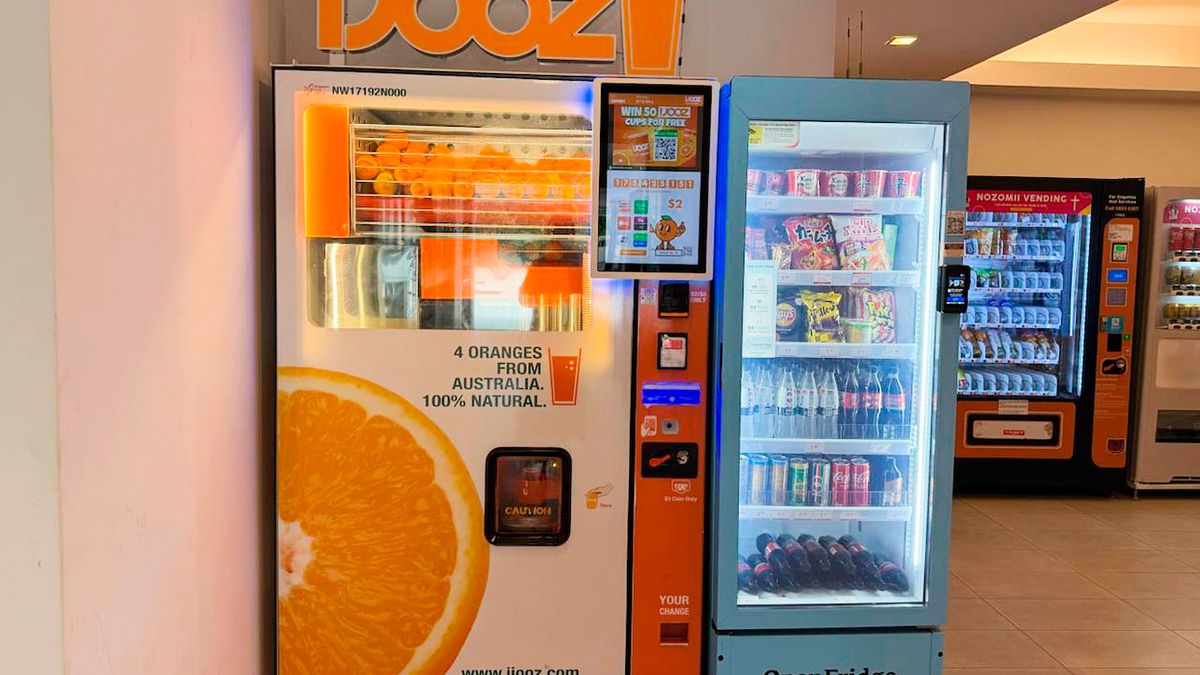
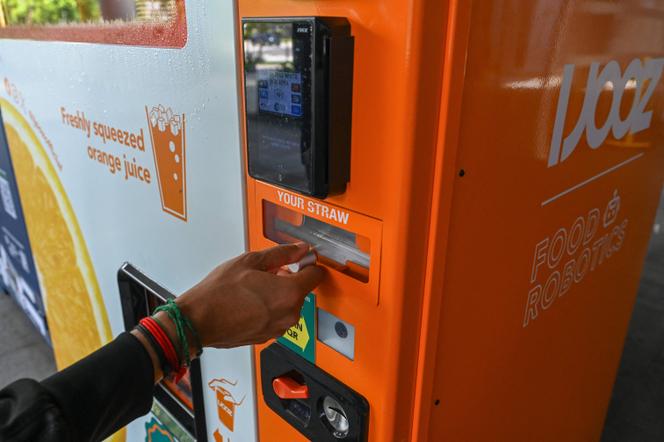
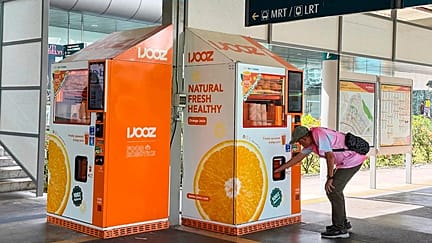
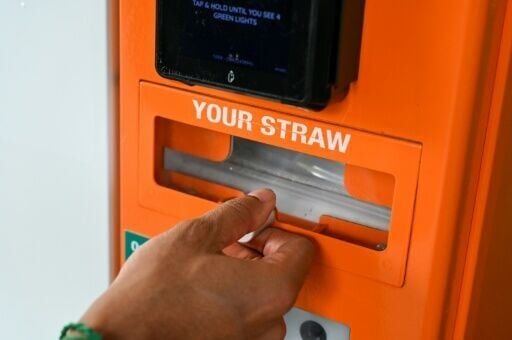
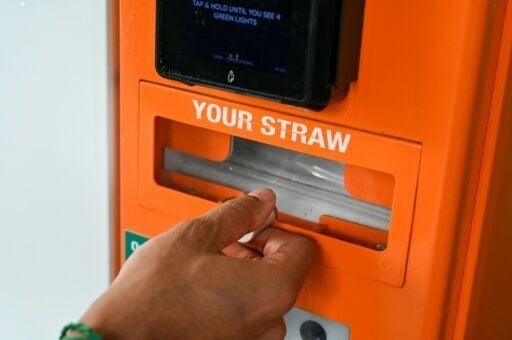
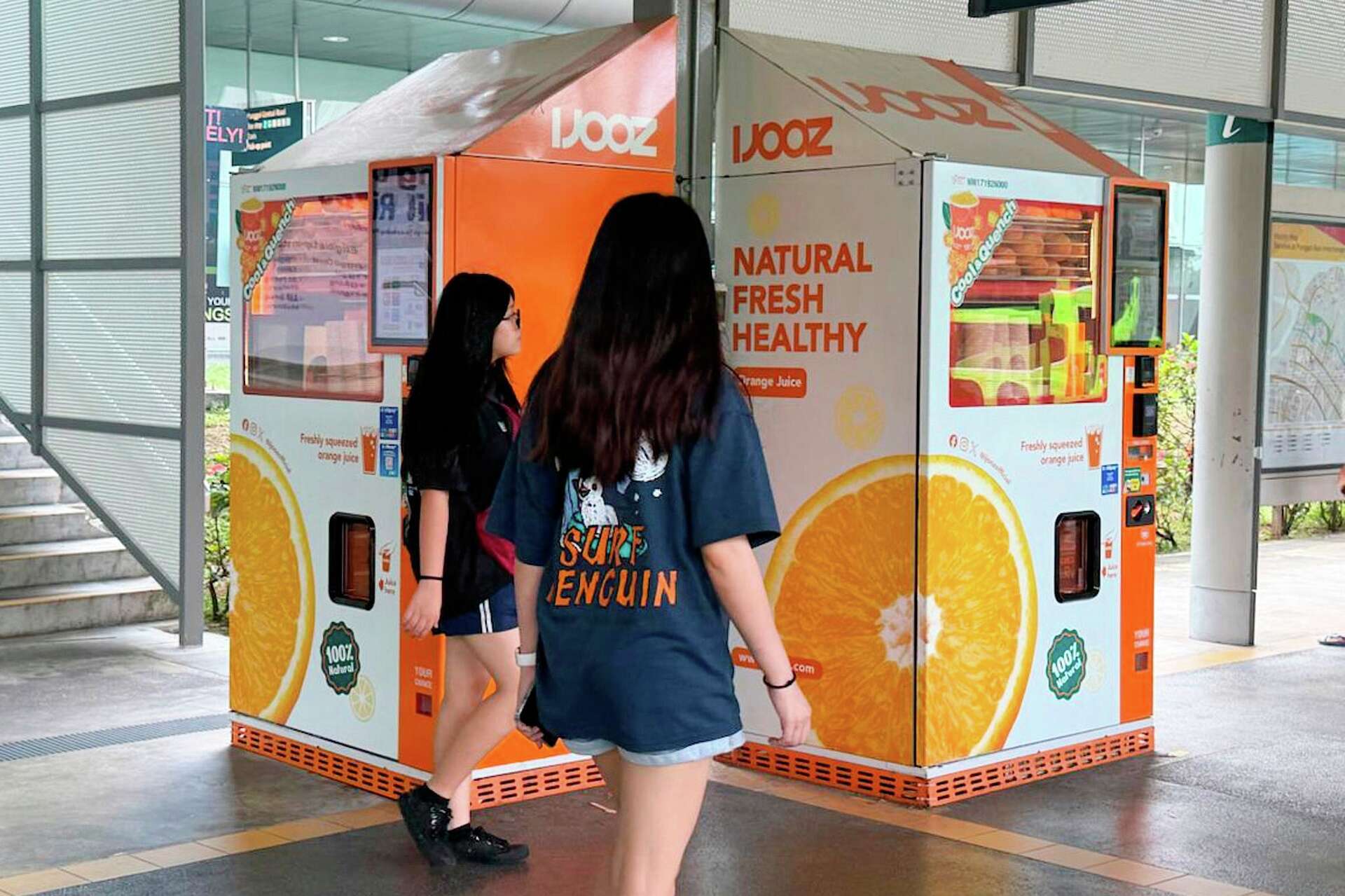
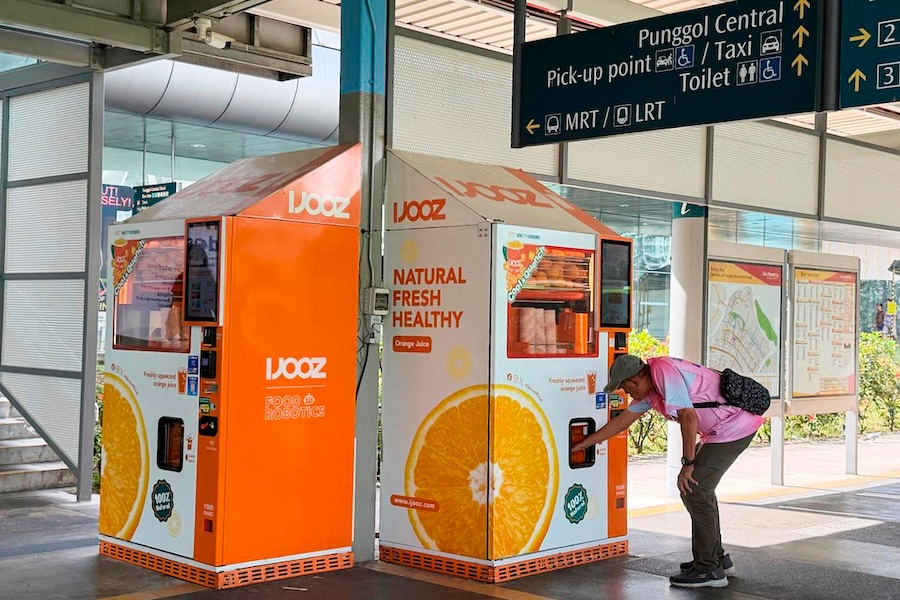
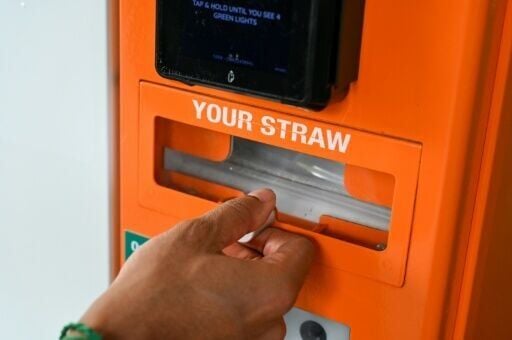
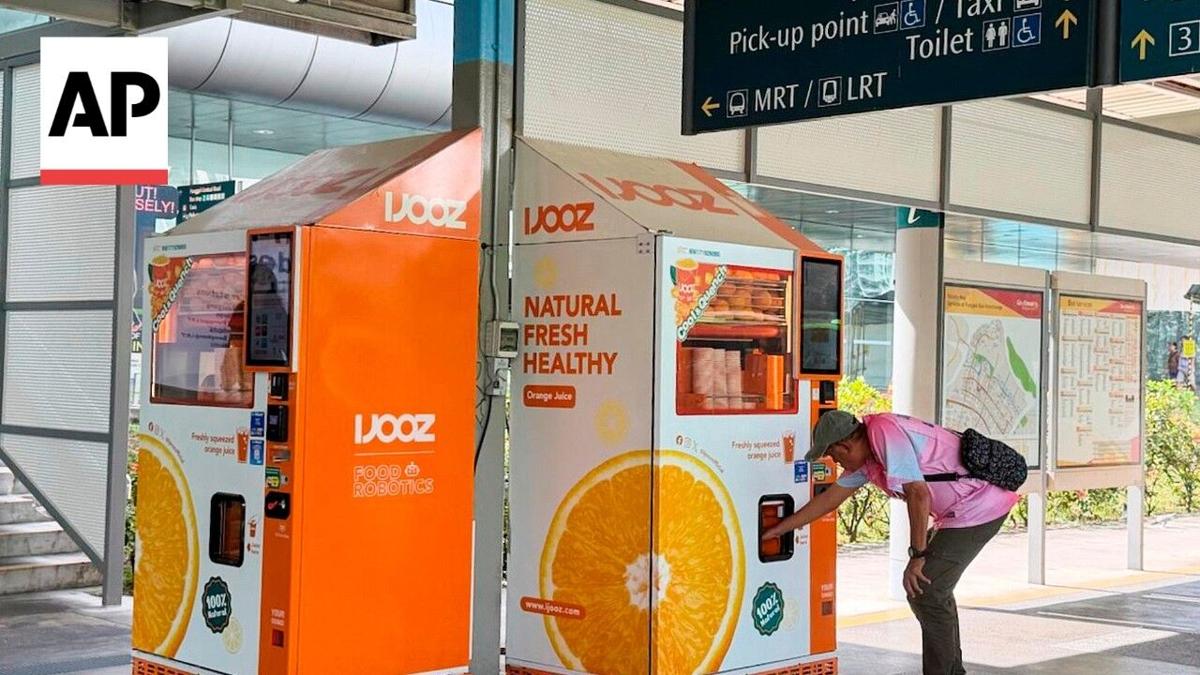
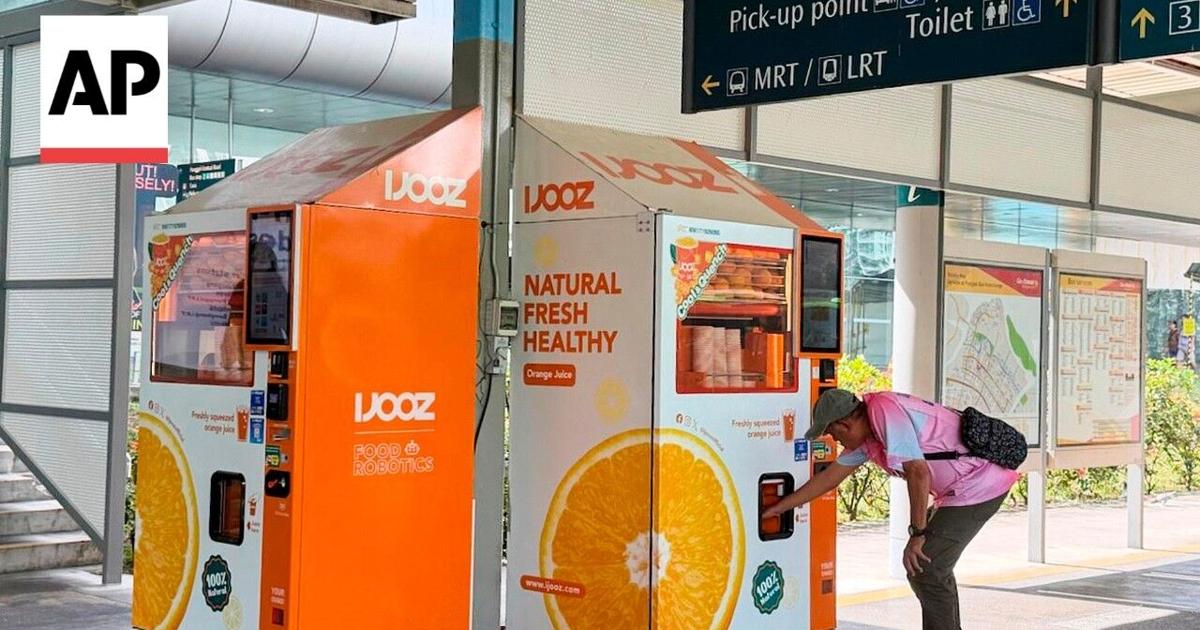
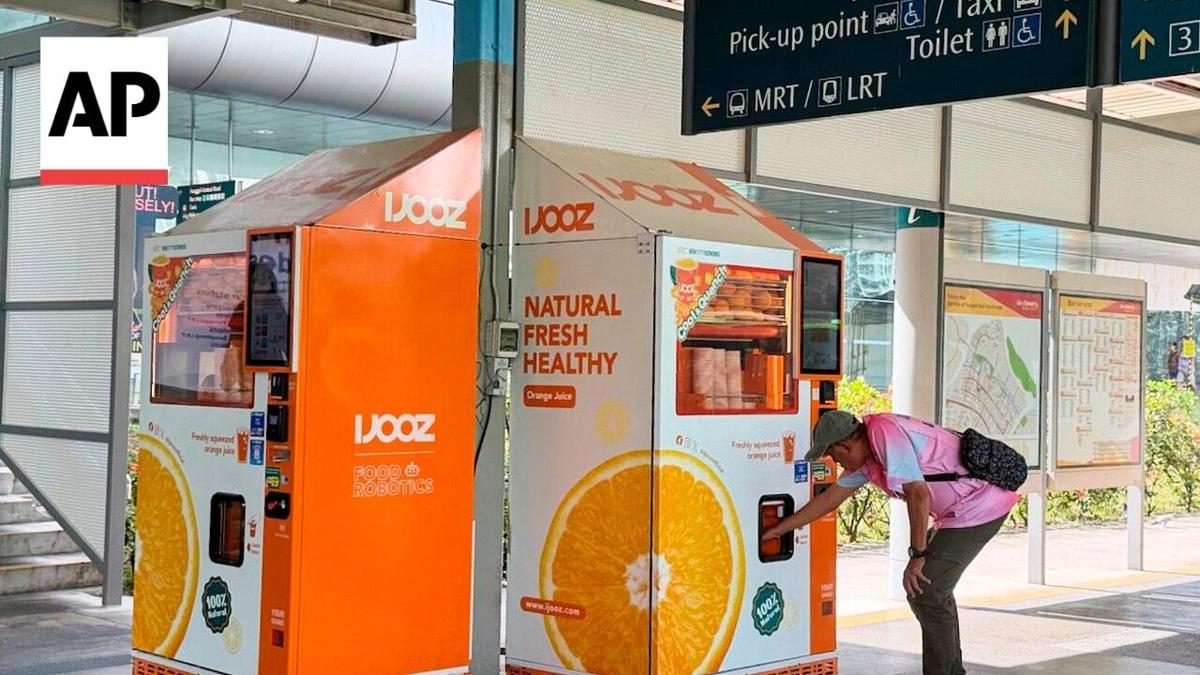
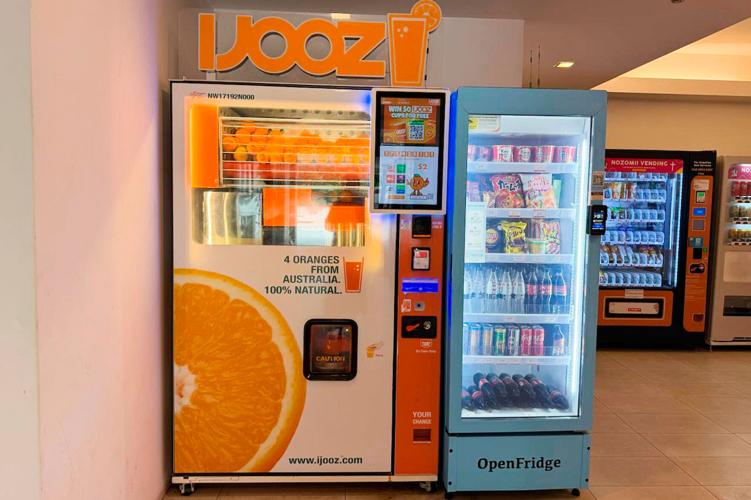
The March 12, 2025 incident involving French teenager Didier Gaspard Owen Maximilien—who posted a viral Instagram video of licking a straw from an IJooz orange juice vending machine and returning it—has triggered significant operational and regulatory responses with direct implications for food service equipment sellers, beverage distributors, and consumer product manufacturers operating in high-regulation markets like Singapore.
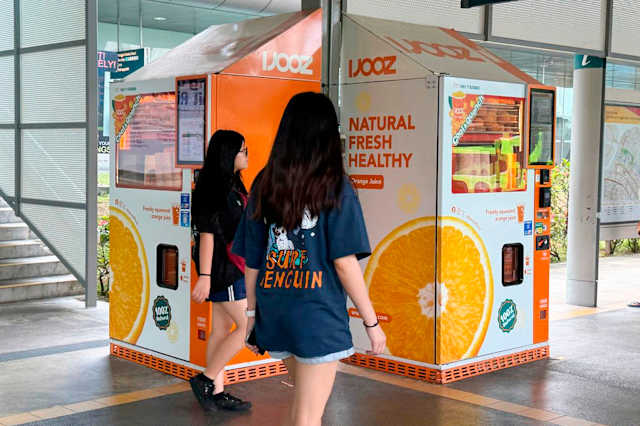
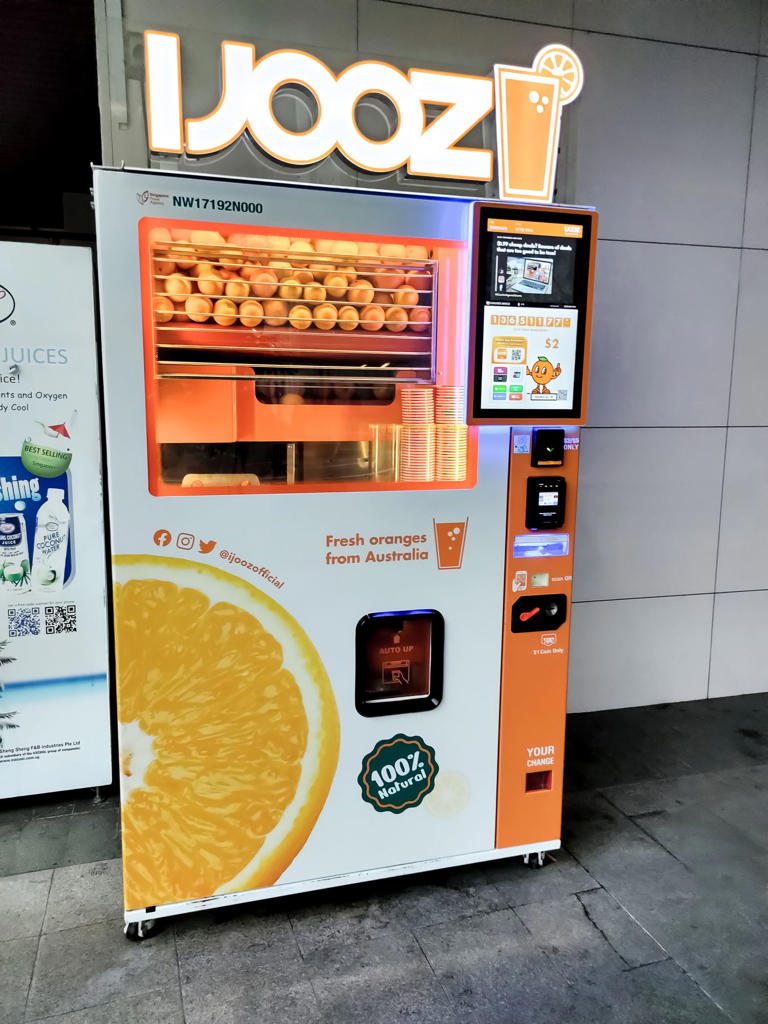
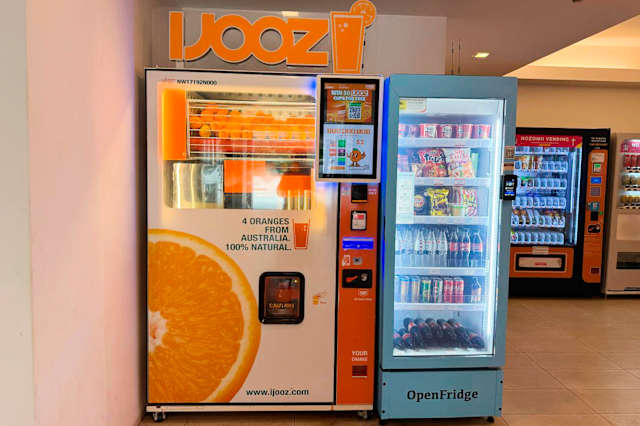
Immediate Business Impact: IJooz's response demonstrates how a single viral hygiene incident can force fleet-wide equipment upgrades. The company replaced all 500 straws in the affected dispenser and announced comprehensive fleet upgrades including individually packaged straws and transaction-locked straw compartments. This represents a capital expenditure cycle that affects suppliers of vending machine components, packaging materials, and locking mechanisms. For sellers in the food service equipment category (estimated $8.2B Asia-Pacific market in 2025), this incident signals accelerating demand for hygiene-focused product innovations and safety-certified components.
Regulatory & Liability Context: Singapore's strict legal framework—with mischief charges carrying up to 2 years imprisonment and public nuisance charges up to 3 months—reflects the city-state's zero-tolerance approach to public conduct violations. This regulatory environment directly impacts product design requirements for equipment sold in Singapore and similar jurisdictions (Hong Kong, South Korea, Japan). Sellers must now account for enhanced safety features as baseline requirements rather than premium add-ons. The incident also highlights social media liability exposure: companies operating consumer-facing equipment in densely populated urban markets face reputational and operational risks from viral content, requiring insurance coverage and rapid response protocols.
Supply Chain Opportunity: The forced upgrade cycle creates near-term demand for: (1) individually packaged straw suppliers (estimated 15-25% margin improvement vs. bulk dispensing), (2) electronic locking mechanisms and sensors (premium pricing 20-30% above standard components), (3) food-grade packaging materials meeting Singapore's strict hygiene standards, and (4) sanitization equipment and protocols. Sellers in these categories should prioritize Asia-Pacific market expansion, particularly targeting vending machine operators, quick-service restaurants, and beverage distributors in Singapore, Hong Kong, and major Chinese cities where similar regulatory pressures exist.
Consumer Behavior Shift: The viral nature of the incident (spreading rapidly across Instagram and social media platforms) demonstrates how hygiene concerns drive consumer purchasing decisions and brand perception. This creates opportunities for sellers offering transparent, certified hygiene solutions—products with third-party certifications, antimicrobial features, or tamper-evident packaging command 15-40% price premiums in Asia-Pacific markets. Beverage and food service sellers should emphasize hygiene credentials in product listings, particularly for items sold through vending channels or shared-use equipment.
Questions 8
How does the IJooz vending machine incident affect sellers of food service equipment in Asia-Pacific markets?
The incident directly impacts equipment suppliers by accelerating demand for hygiene-focused upgrades. IJooz's decision to replace all 500 straws and implement transaction-locked compartments signals that safety features are now baseline requirements rather than premium options. Sellers of vending machine components, locking mechanisms, and individually packaged dispensing systems should expect 20-35% increased inquiry volume from operators in Singapore, Hong Kong, and major Asian cities over the next 6-12 months. Companies offering certified antimicrobial or tamper-evident solutions can command 25-40% price premiums in this market segment.
How should sellers protect their brands from social media liability risks in strict regulatory jurisdictions?
The incident demonstrates that viral content can trigger rapid regulatory responses and operational changes. Sellers operating consumer-facing equipment in Singapore, Hong Kong, South Korea, and similar markets should: (1) implement rapid response protocols for negative social media content (24-48 hour response window), (2) obtain product liability insurance covering reputational damage and forced recalls, (3) design equipment with tamper-evident features and monitoring capabilities, and (4) establish hygiene certification programs with third-party verification. Companies with transparent, certified safety features can differentiate from competitors and reduce liability exposure by 30-50%.