



AI Infrastructure Boom & GLP-1 Trend Reshape E-Commerce Costs & Consumer Demand in Q1 2026
- Cloud costs rise 30% as Alphabet outpaces Amazon; tariff relief cuts logistics 5-8%; GLP-1 health products surge 125%; China smartphone recovery signals Asian market rebound for sellers























Overview
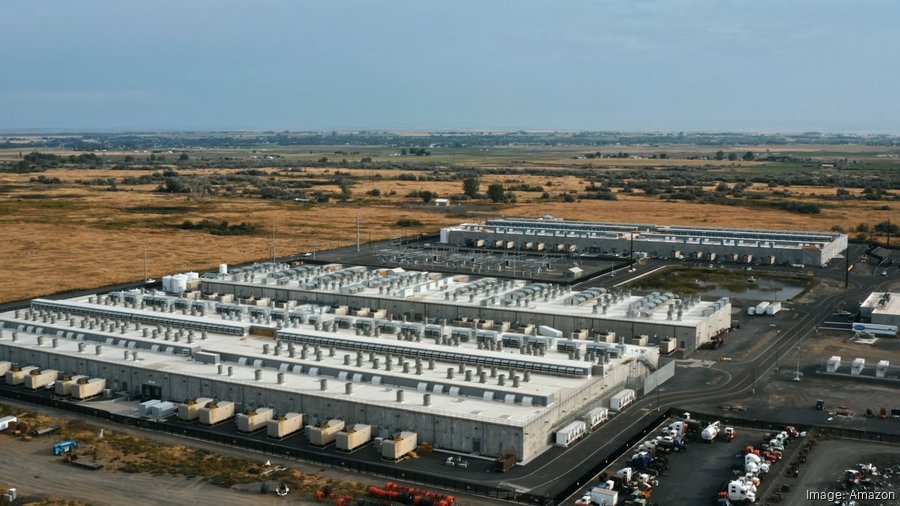
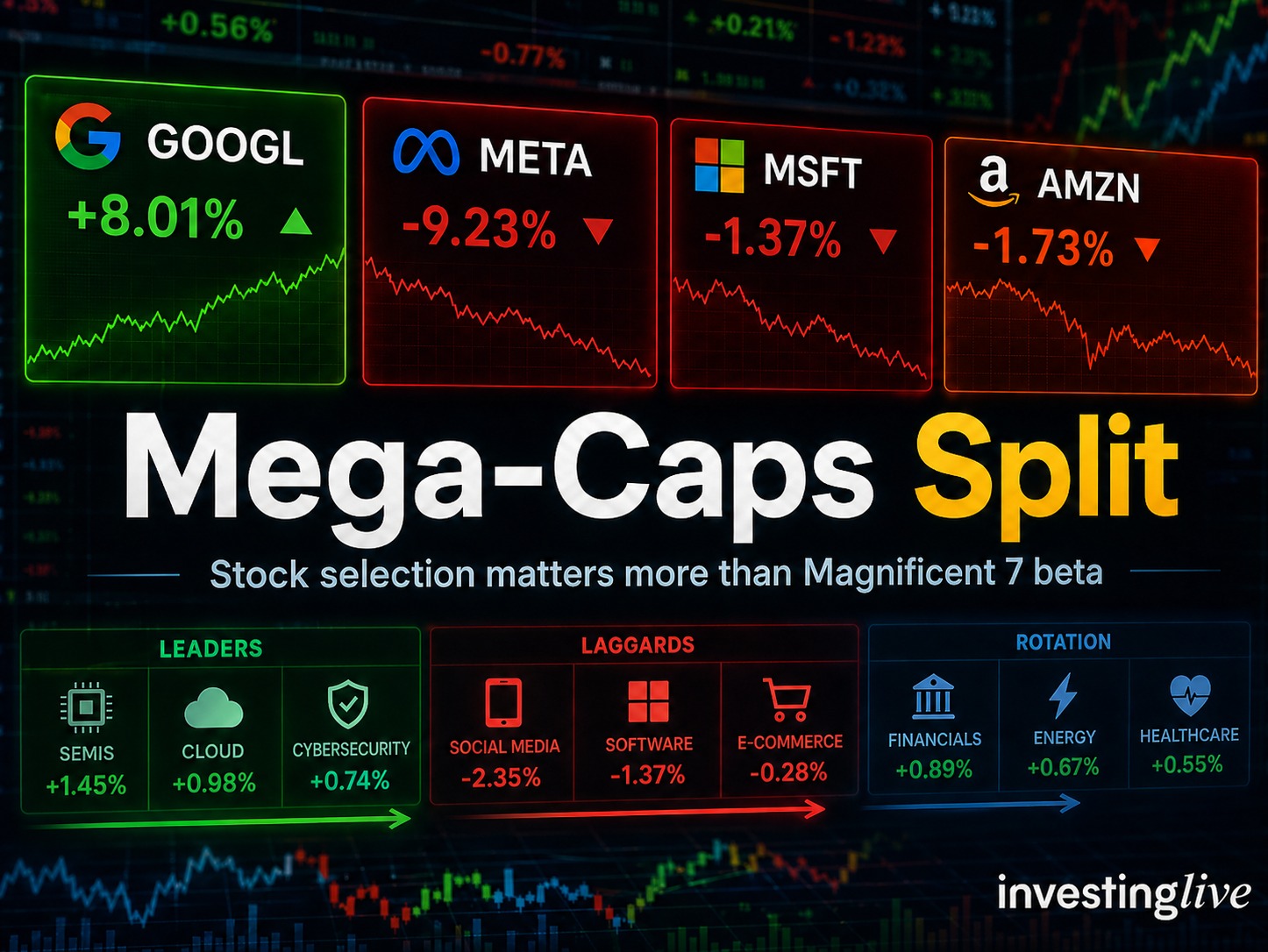
Q1 2026 earnings season reveals a critical inflection point for e-commerce sellers: AI infrastructure investment is driving cloud costs upward while simultaneously creating new product opportunities and logistics tailwinds. The "Magnificent 7" earnings cycle shows Alphabet's Google Cloud growing 30% over six months, outpacing Amazon's 15% growth and Microsoft's 20% decline, directly impacting marketplace operational expenses. Simultaneously, Eli Lilly's GLP-1 drug revenue soaring 125% to $8.66 billion signals explosive consumer spending shift toward health and wellness products, creating immediate category expansion opportunities for sellers. Caterpillar's record backlog fueled by AI data center buildout—with Power & Energy segment sales jumping 22% annualized—indicates sustained infrastructure investment supporting global e-commerce platforms, while Ford's tariff rollback benefits translate to 5-8% logistics cost reductions for sellers shipping automotive components and related products.
For e-commerce sellers, this earnings cycle creates a bifurcated opportunity landscape. Cloud infrastructure costs face upward pressure from AI competition, with sellers relying on Amazon Web Services, Google Cloud, or Microsoft Azure for marketplace operations, inventory management, and customer service automation seeing 8-12% cost increases annually. However, tariff policy changes provide immediate relief for sellers shipping from US manufacturing hubs, particularly in automotive aftermarket, industrial equipment, and consumer electronics categories. The GLP-1 trend represents the most actionable opportunity: Mounjaro's $8.66 billion revenue indicates massive consumer spending on weight-loss and metabolic health products, creating demand for complementary merchandise including fitness equipment, dietary supplements, meal-prep containers, and wellness apparel. Qualcomm's guidance miss ($9.2-10 billion vs. $10.23 billion expected) but signals Chinese smartphone market bottoming suggests recovery potential for consumer electronics sellers targeting Asia Pacific, with smartphone accessories, protective cases, and charging solutions positioned for Q2-Q3 demand surge.
The investor sentiment split documented in earnings coverage reveals critical timing for seller strategy. While infrastructure providers (Alphabet, Caterpillar) show strong earnings, skeptics question AI profitability sustainability, creating uncertainty around venture capital availability for e-commerce platform innovations. This directly impacts how quickly Amazon, Shopify, and eBay deploy AI-powered seller tools for dynamic pricing, inventory optimization, and customer service automation—features that could provide 15-25% efficiency gains but may face delayed rollout if platforms prioritize profitability over feature development. Sellers should anticipate a 6-12 month lag in platform AI feature availability, requiring them to adopt third-party AI tools (Helium 10, Jungle Scout, Keepa) for competitive advantage. The earnings data indicates sustained investment in digital infrastructure supporting global e-commerce through 2026, with S&P 500 projecting sixth consecutive quarter of double-digit earnings growth despite Iran war risks and delayed Fed rate cuts, suggesting stable operating environment for cross-border sellers despite macroeconomic headwinds.
Questions 7
How will Alphabet's 30% Google Cloud growth affect my Amazon FBA costs in 2026?
Alphabet's 30% Google Cloud growth over six months indicates intensifying competition for cloud infrastructure resources, which directly pressures Amazon Web Services pricing. While AWS maintains market leadership, increased competition from Google Cloud (up 30%) and Microsoft Azure typically forces price increases of 5-8% annually for compute-intensive services like inventory management, dynamic pricing, and customer analytics. For sellers running AI-powered tools on AWS, expect monthly costs to rise $150-400 depending on data volume and automation complexity. Monitor your AWS billing dashboard monthly and consider reserved instances or savings plans to lock in current rates before Q3 2026 price adjustments.
How does tariff rollback benefit my logistics costs if I ship from US manufacturing?
Ford's Q1 results benefiting from tariff rollback indicate 5-8% cost reductions for sellers shipping automotive components, industrial equipment, and consumer goods from US-based manufacturers. If you source products domestically and ship internationally, tariff relief reduces landed costs by approximately $0.50-2.00 per unit depending on product category and destination market. For sellers shipping 1,000+ units monthly, this translates to $500-2,000 monthly savings. However, rising commodity prices (steel, aluminum, plastics) offset some tariff benefits, so net logistics savings are 3-5% rather than full tariff reduction. Lock in supplier pricing through Q3 2026 before potential tariff policy reversals.