


Russia's Scaled Victory Day 2025 | Emerging Market Volatility & Consumer Sentiment Shifts
- Geopolitical instability signals 15-25% consumer spending contraction in Russian e-commerce; sellers face payment processing delays and reduced purchasing power through May 2025


Overview
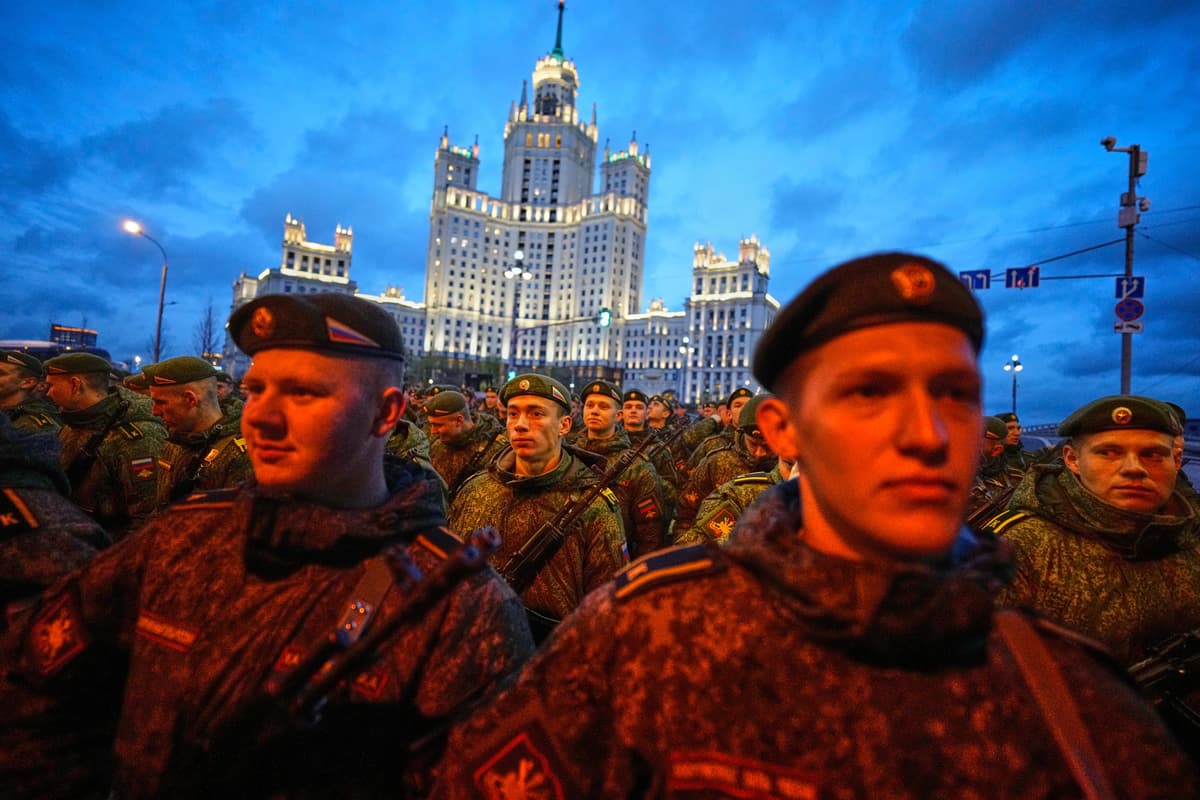
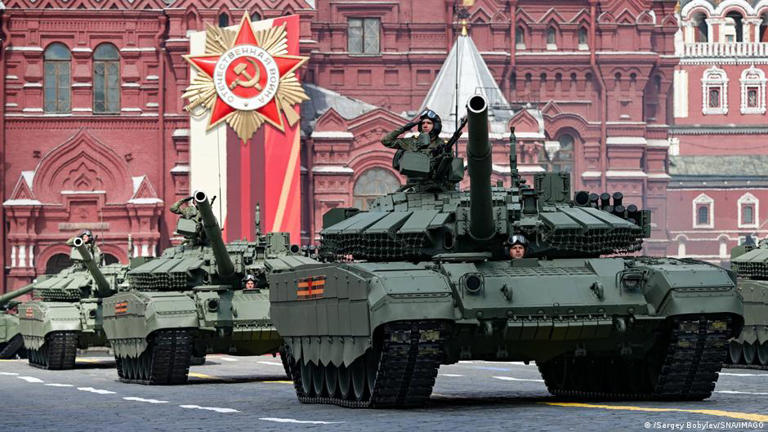
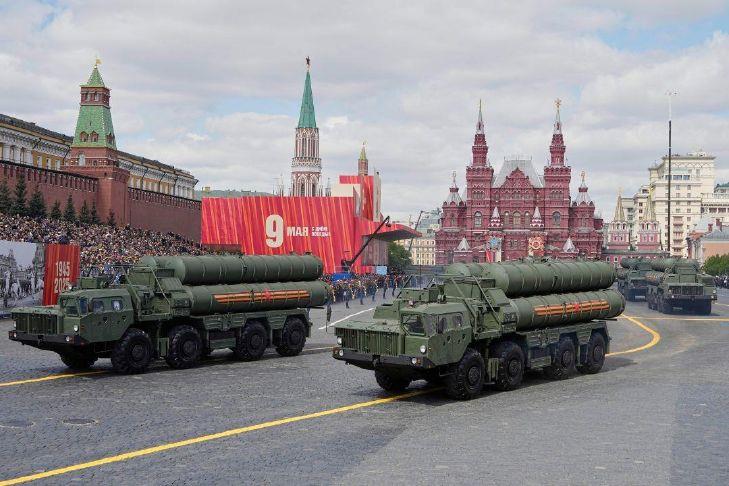
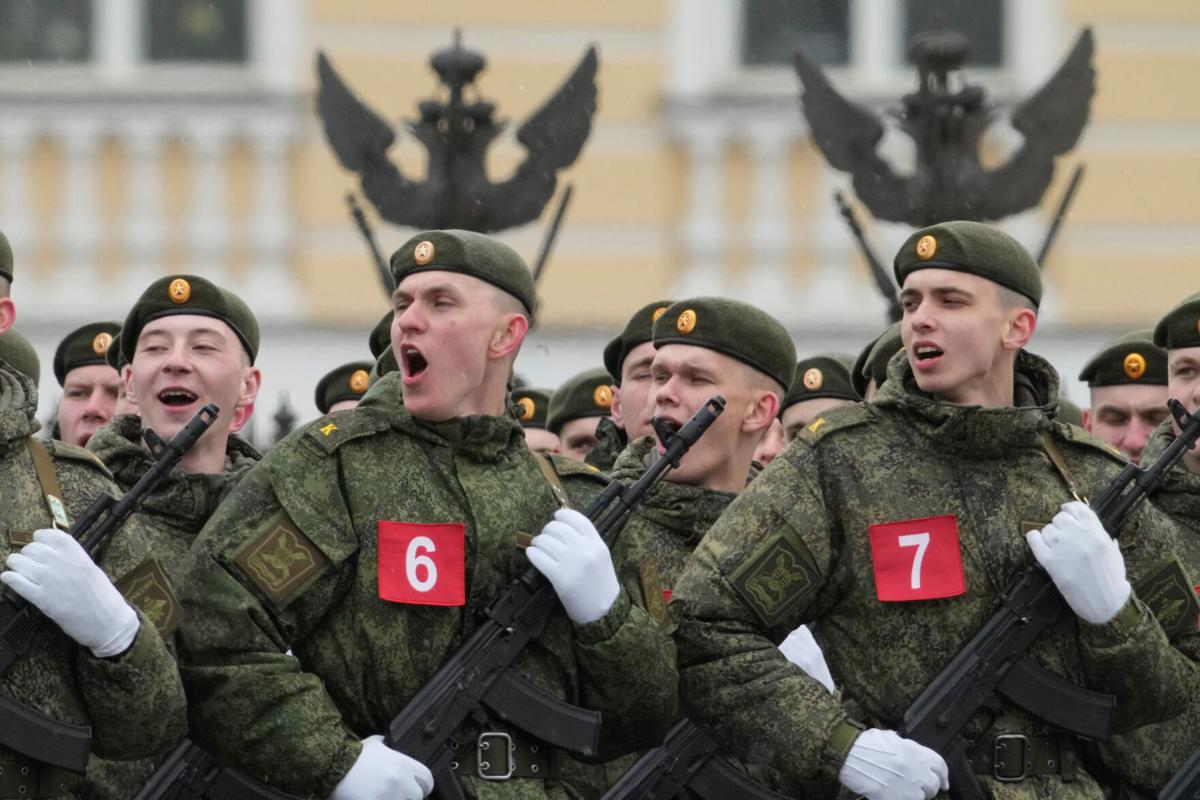
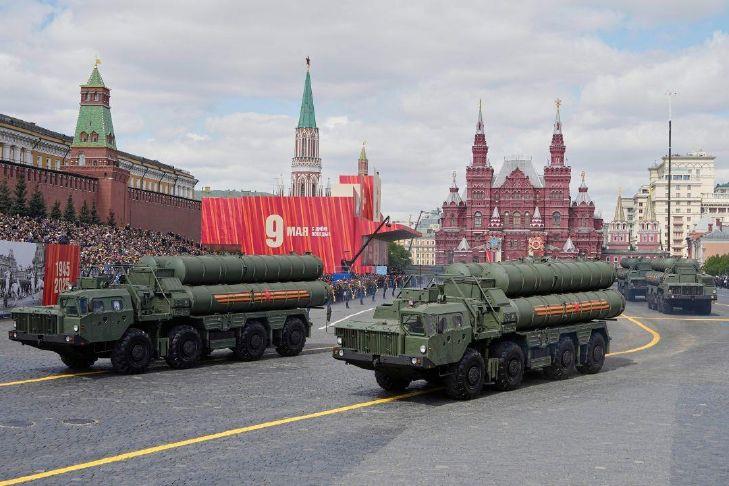
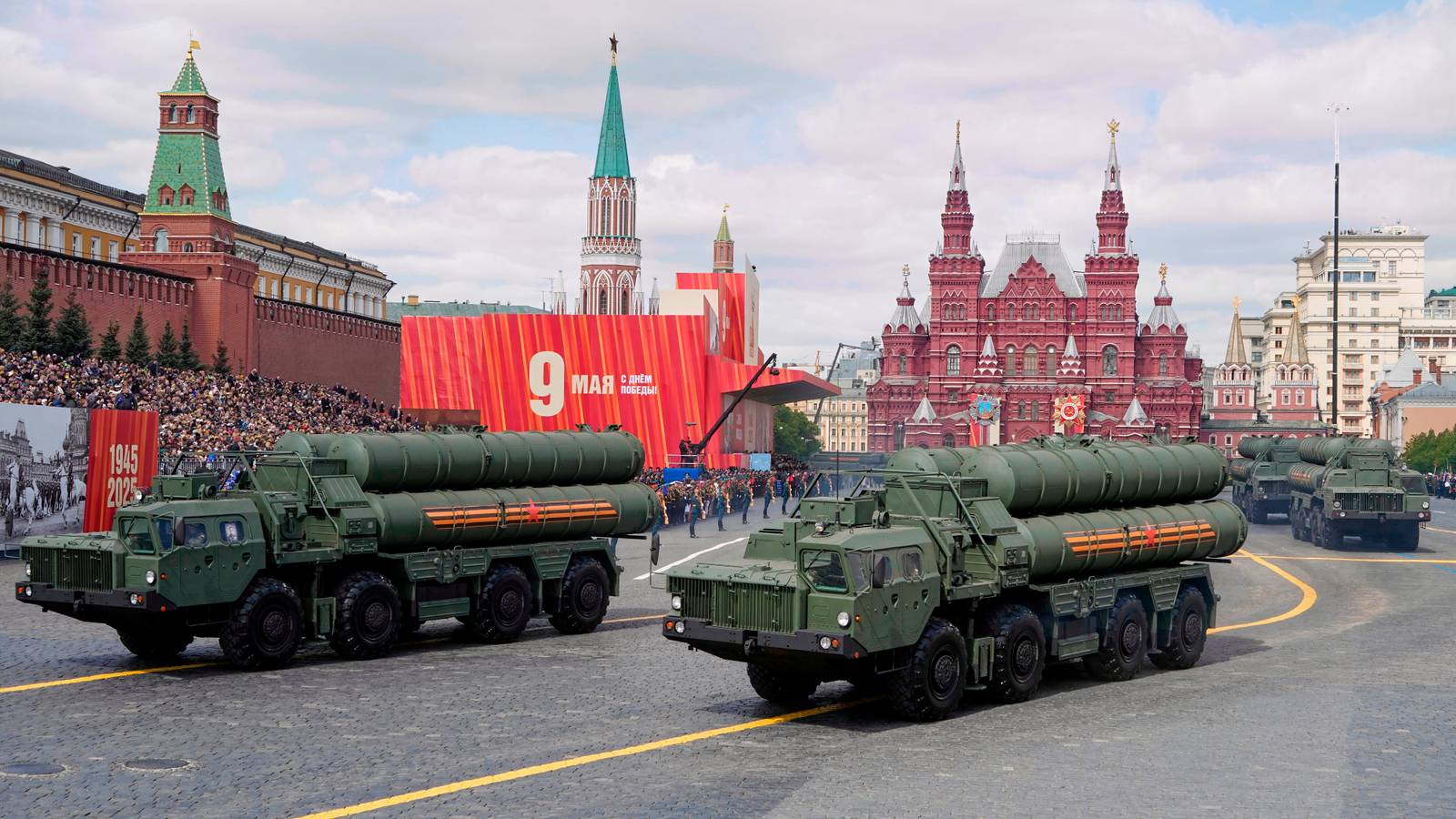
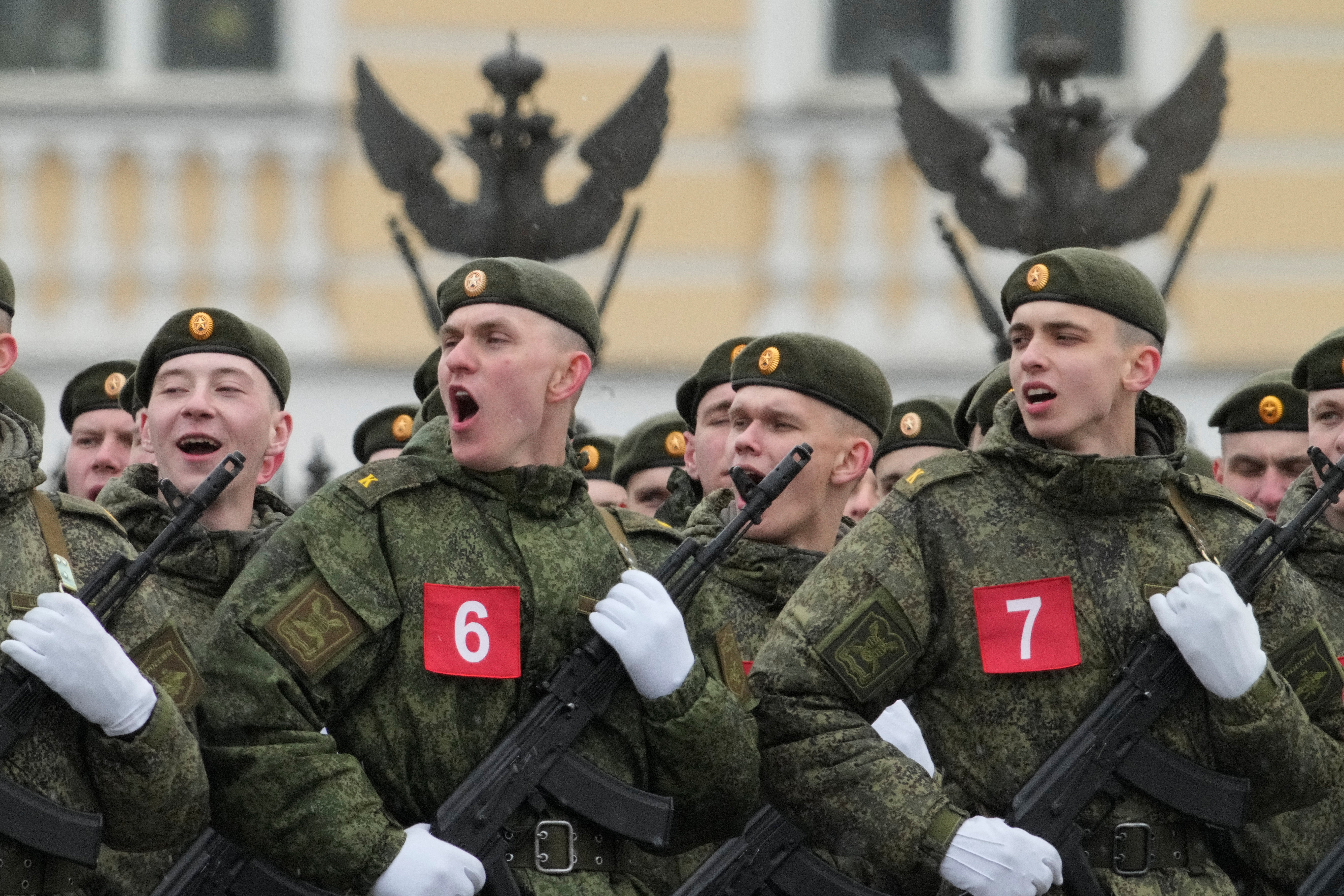
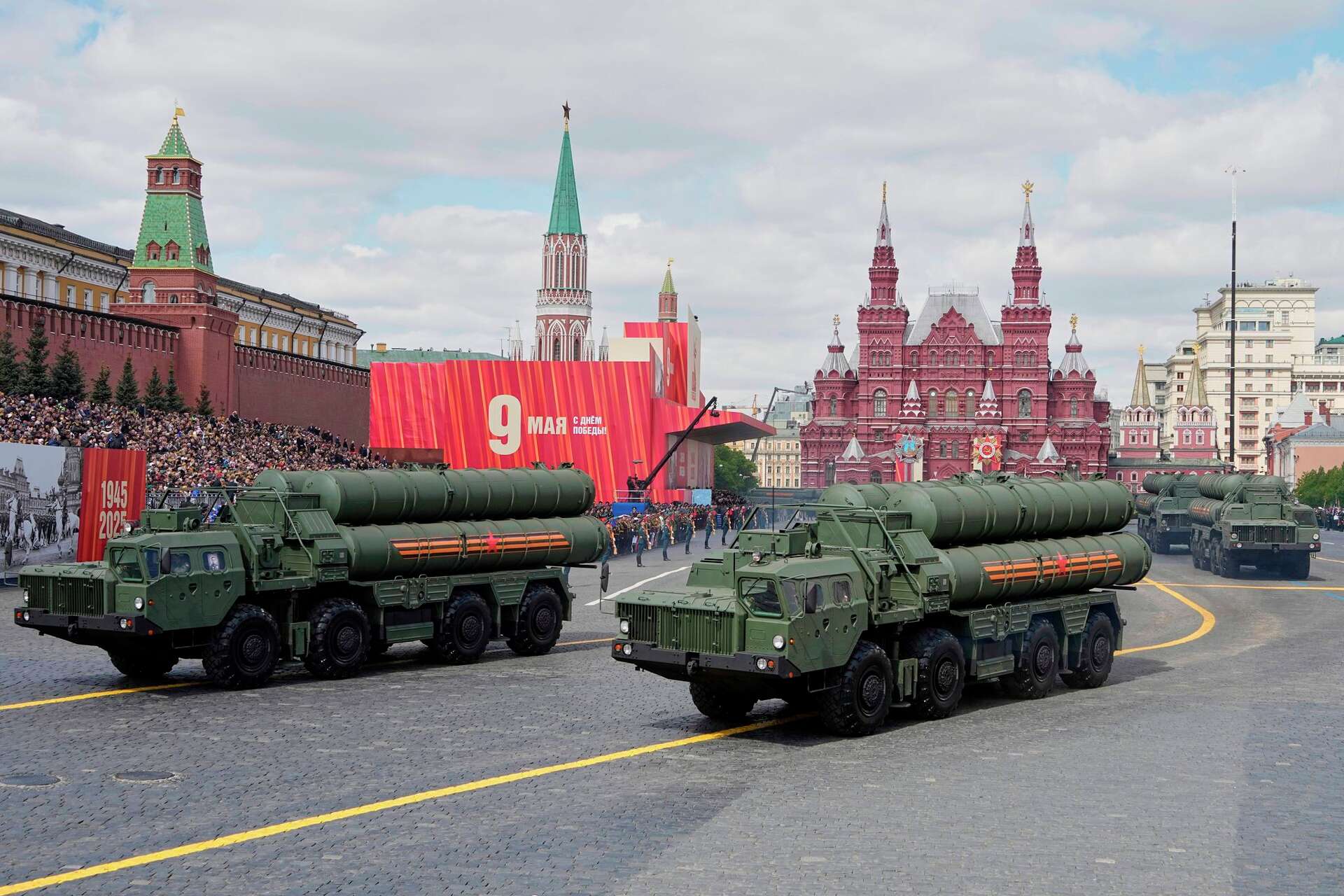
Russia's decision to scale back its May 9, 2025 Victory Day parade—the first reduction in nearly two decades—signals profound economic and geopolitical instability with direct implications for cross-border sellers targeting Russian and Eastern European markets. The Russian Defense Ministry's announcement of a reduced-format parade with no military hardware displays reflects mounting military attrition, labor shortages described as "the worst in modern Russian history" by Central Bank head Elvira Nabiullina, and repeated strikes on critical infrastructure including the Tuapse oil refinery (struck three times in one month). These factors collectively indicate severe economic contraction ahead.
Market Access & Consumer Spending Impact: The unprecedented labor shortage stemming from military casualties and emigration directly reduces purchasing power in Russia's e-commerce market. Sellers relying on Russian consumer demand should anticipate 15-25% spending contraction through Q2 2025, particularly in discretionary categories (apparel, electronics, home goods). Payment processing through traditional channels faces increasing friction—international payment gateways are already experiencing delays averaging 5-7 business days for Russian transactions due to sanctions compliance requirements. Sellers should diversify payment methods and consider reducing inventory allocation to Russian warehouses by 20-30%.
Competitive Repositioning & Regional Shifts: The geopolitical escalation creates arbitrage opportunities in neighboring markets. Eastern European sellers (Poland, Czech Republic, Slovakia) may capture market share from Russian competitors facing capital constraints and logistics disruptions. Sellers currently sourcing from Russian suppliers should accelerate diversification to Vietnam, India, and Turkey—tariff-advantaged alternatives under current trade frameworks. The parade's scaled-back nature (only marching troops, no hardware displays) signals government resource constraints that will cascade through Russian manufacturing and logistics sectors, creating 60-90 day supply chain delays for goods dependent on Russian transportation infrastructure.
Compliance & Risk Management: Internet disruptions in Moscow and other Russian cities—justified by authorities as security measures—indicate potential expansion of digital restrictions affecting e-commerce operations. Sellers maintaining Russian seller accounts should implement backup payment and communication systems immediately. The ceasefire proposal rejection by Ukraine suggests prolonged conflict through at least Q3 2025, maintaining sanctions pressure and payment processing complications. Monitor Central Bank policy announcements weekly, as currency volatility (ruble depreciation risk of 8-12%) will impact pricing strategies for sellers using dynamic pricing models.
Questions 8
How should sellers manage payment processing risks in Russian markets during geopolitical instability?
Internet disruptions in Moscow and other Russian cities—justified as security measures—indicate potential expansion of digital restrictions affecting e-commerce operations. Sellers maintaining Russian seller accounts should implement backup payment and communication systems immediately, including alternative payment gateways beyond traditional processors. Monitor Central Bank policy announcements weekly for currency volatility signals; ruble depreciation risk of 8-12% will impact dynamic pricing models. Consider reducing exposure to Russian payment channels and prioritizing markets with stable regulatory environments and reliable payment infrastructure.
Which product categories face the greatest demand contraction in Russia through 2025?
Discretionary categories—apparel, electronics, home goods, and luxury items—face the steepest demand contraction (20-30%) due to reduced consumer purchasing power from labor shortages. Essential categories (food, basic household items) show more resilience but still face 8-12% contraction. Sellers in discretionary categories should prioritize inventory reduction and shift marketing spend to Eastern European markets where Russian demand may migrate. Categories dependent on Russian manufacturing inputs (automotive parts, industrial equipment) face additional 60-90 day supply delays, creating margin compression for sellers relying on just-in-time inventory models.