
Counterfeit Pharma Crisis Reshapes E-Commerce Compliance | Seller Liability Surge
- 20% of consumers unknowingly buy fake medications; platforms face stricter verification mandates affecting health/wellness sellers globally
Overview
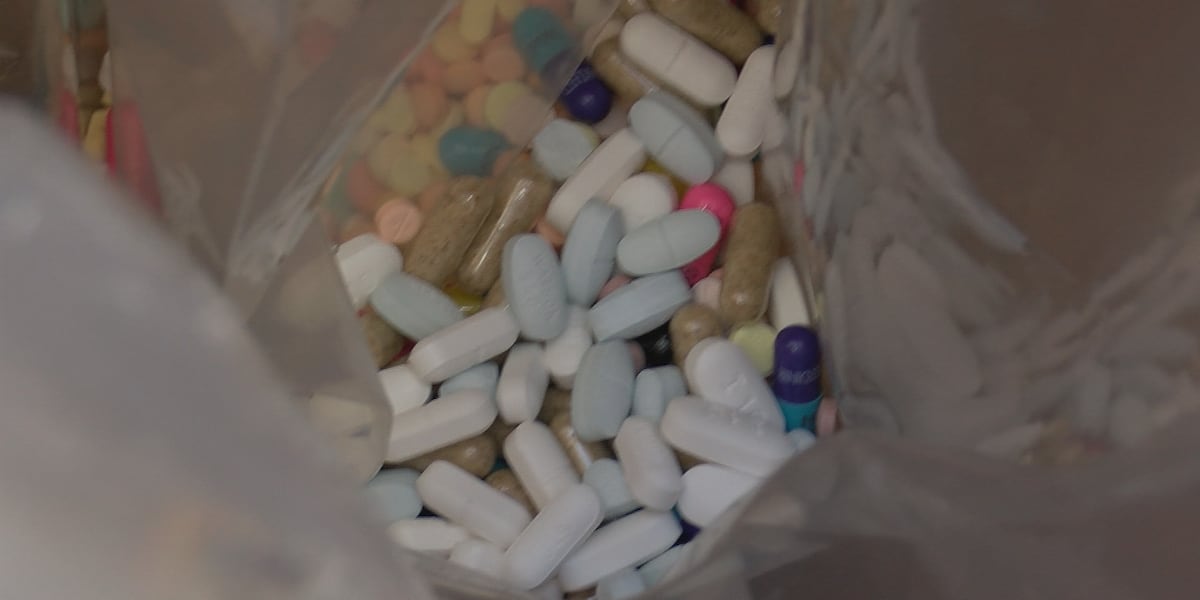
The Michigan State University A-CAPP Center's landmark study reveals a critical e-commerce compliance crisis: 20% of consumers have unknowingly purchased counterfeit medications online, with an additional 25% knowingly buying fakes. Surveying nearly 5,000 participants across eight countries (U.S., China, India, Australia, Brazil, Italy, Nigeria, UAE), the research exposes that counterfeit prescription drugs, OTC medications, and dietary supplements are primarily distributed through online pharmacies, e-commerce platforms, and social media sites. This finding directly impacts cross-border sellers and platform operators facing unprecedented regulatory pressure.
Platform liability exposure is intensifying as regulators demand stricter seller verification protocols. The study's evidence that "current platform safeguards are insufficient to prevent fraudulent pharmaceutical sales" signals imminent policy changes on Amazon, eBay, Shopify, and specialized health marketplaces. Sellers operating in health and wellness categories—including vitamins, supplements, OTC medications, and wellness devices—now face increased scrutiny, potential account suspension, and legal consequences if counterfeit products are discovered. Platforms will likely implement pharmaceutical-specific compliance requirements including manufacturer authentication, batch number verification, and third-party testing documentation. This creates a two-tier market: compliant sellers with authentication infrastructure gain competitive advantage, while non-compliant sellers face delisting or account termination.
The geographic dimension reveals vulnerability across diverse markets. The study's eight-country sample demonstrates this is not a regional problem but a global e-commerce challenge affecting sellers in developed (U.S., Australia, Italy) and emerging markets (India, Brazil, Nigeria, UAE) equally. Regional demand for legitimate health products remains strong—the global dietary supplements market alone reached $151B in 2023—but consumer trust is eroding. Sellers can capitalize on this trust gap by positioning themselves as verified authentic suppliers with transparent sourcing, certification badges, and consumer education content. The compliance burden creates barriers to entry that favor established sellers with resources for authentication infrastructure, potentially consolidating market share among larger players.
Immediate platform responses will reshape seller economics in health categories. Expect mandatory seller verification programs (similar to Amazon's Brand Registry but for pharmaceuticals), increased documentation requirements (GMP certifications, supply chain transparency), and potential commission increases to fund platform compliance infrastructure. Sellers currently operating in health/wellness categories should audit inventory authenticity immediately, establish relationships with verified manufacturers, and prepare for enhanced documentation requirements. The opportunity lies in building trust-based differentiation: sellers who proactively implement authentication measures, display certifications prominently, and educate consumers about counterfeit risks will capture market share from competitors facing compliance challenges.
Questions 8
Should sellers exit health categories or invest in compliance infrastructure?
The decision depends on current inventory size and profit margins. Sellers with high-margin health products (supplements, wellness devices) should invest in compliance—the global dietary supplements market reached $151B in 2023, indicating strong demand. Sellers with low-margin OTC medications should consider exiting, as regulatory burden will compress margins below profitability. For existing sellers, conduct a cost-benefit analysis: calculate compliance investment against projected revenue growth. If compliance costs exceed 20% of annual category revenue, consider pivoting to adjacent categories (fitness equipment, wellness apps) with lower regulatory burden. For new sellers, avoid health categories entirely until compliance infrastructure stabilizes (12-18 months). Existing compliant sellers will capture disproportionate market share as competitors exit.
What are the financial implications of compliance for health category sellers?
Compliance costs include manufacturer verification ($500-2,000 per supplier), third-party testing ($1,000-5,000 per product line), documentation systems ($200-500/month), and potential platform compliance fees (estimated 1-3% commission increase). Small sellers with 10-50 SKUs face $5,000-15,000 initial investment; mid-size sellers with 100+ SKUs face $20,000-50,000. However, compliant sellers gain competitive advantage: platforms will likely prioritize verified sellers in search rankings, and consumers will pay premiums for authenticated products. The ROI appears positive for sellers who can absorb compliance costs, but barriers to entry will consolidate market share toward larger players. Consider outsourcing compliance to 3PL providers specializing in health products to distribute costs.