



Royal Health Transparency Sparks a Public Wellness Revolution
- How King Charles's Cancer Journey is Transforming Public Health Communication




















Overview
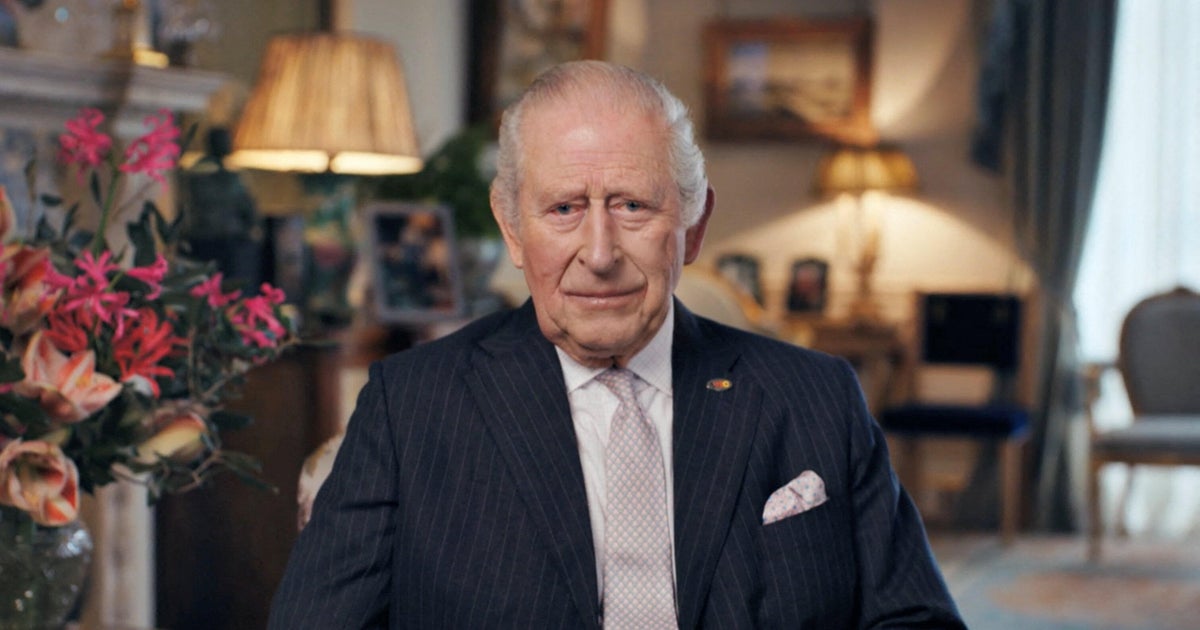
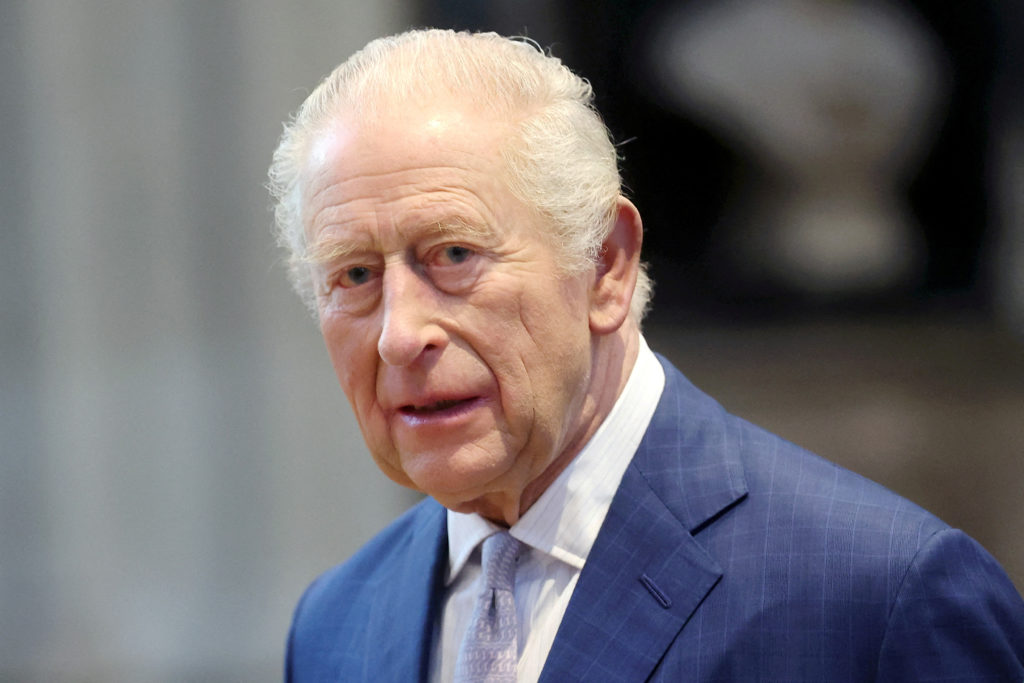
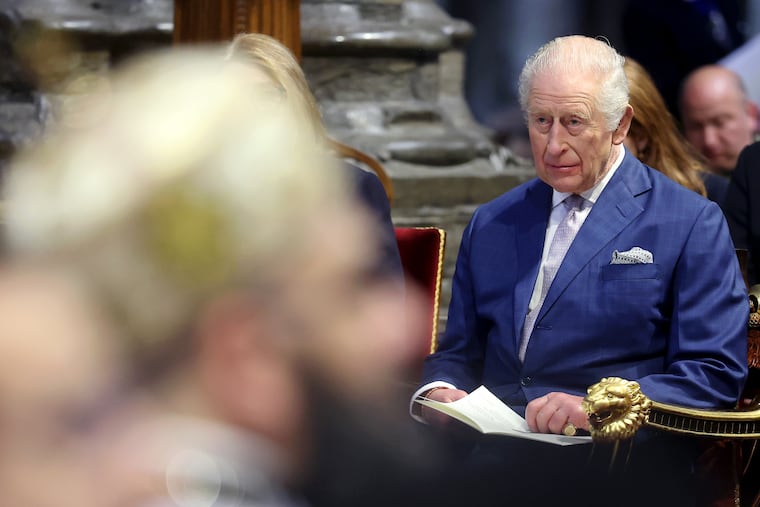
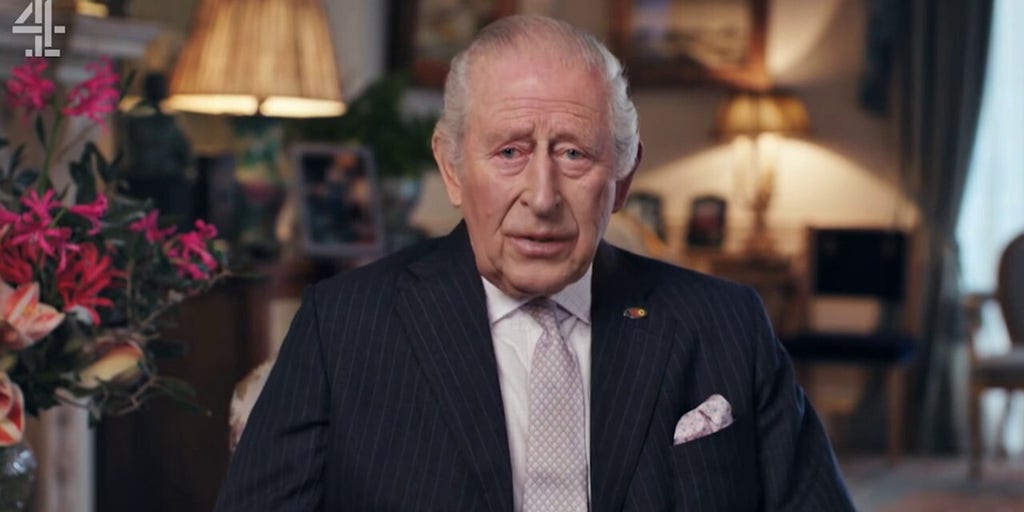
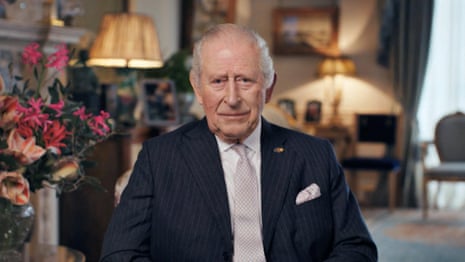
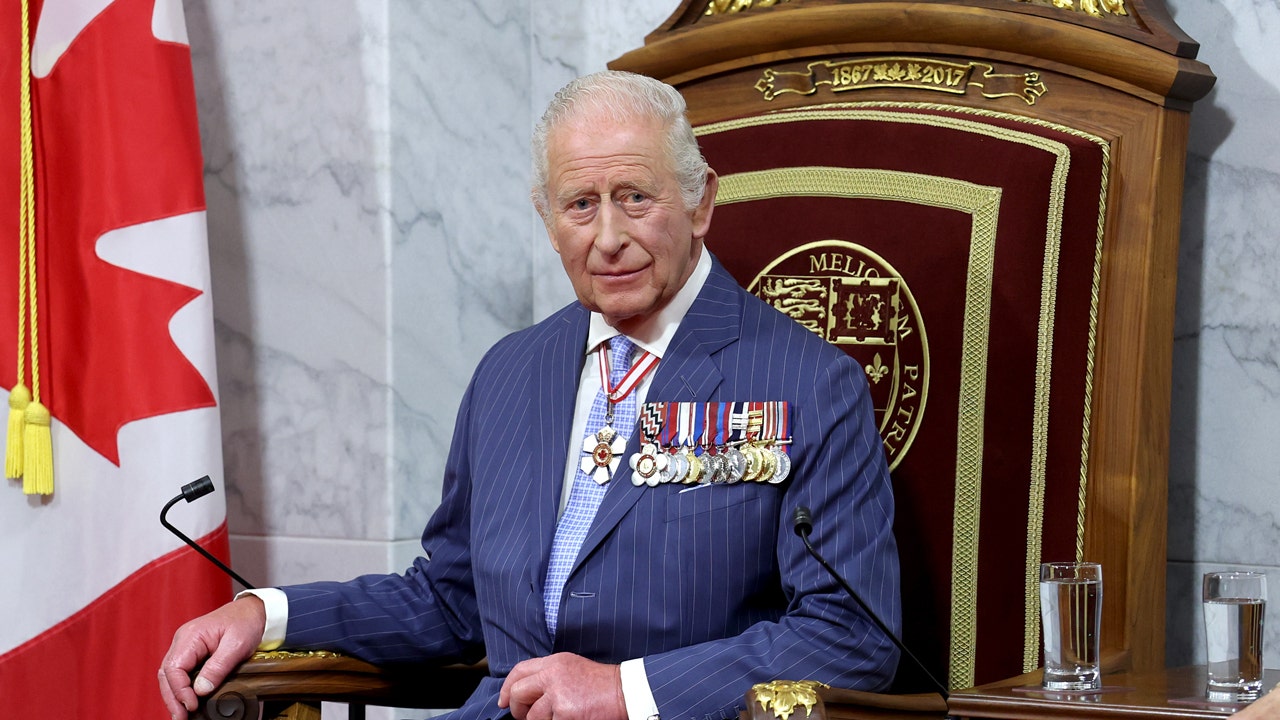
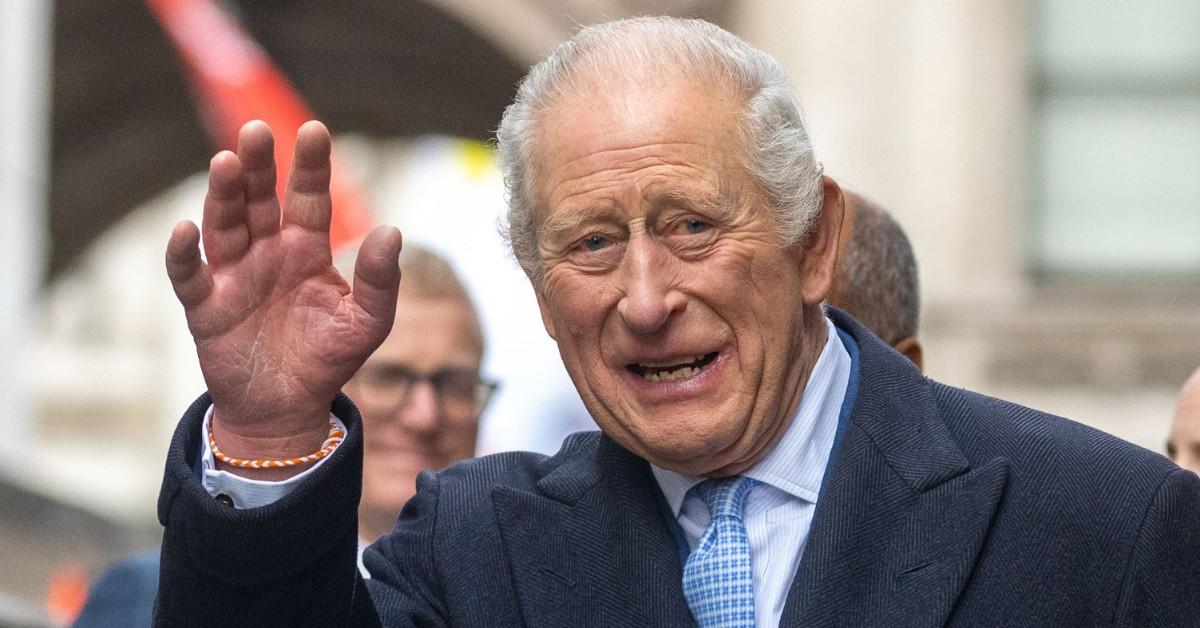
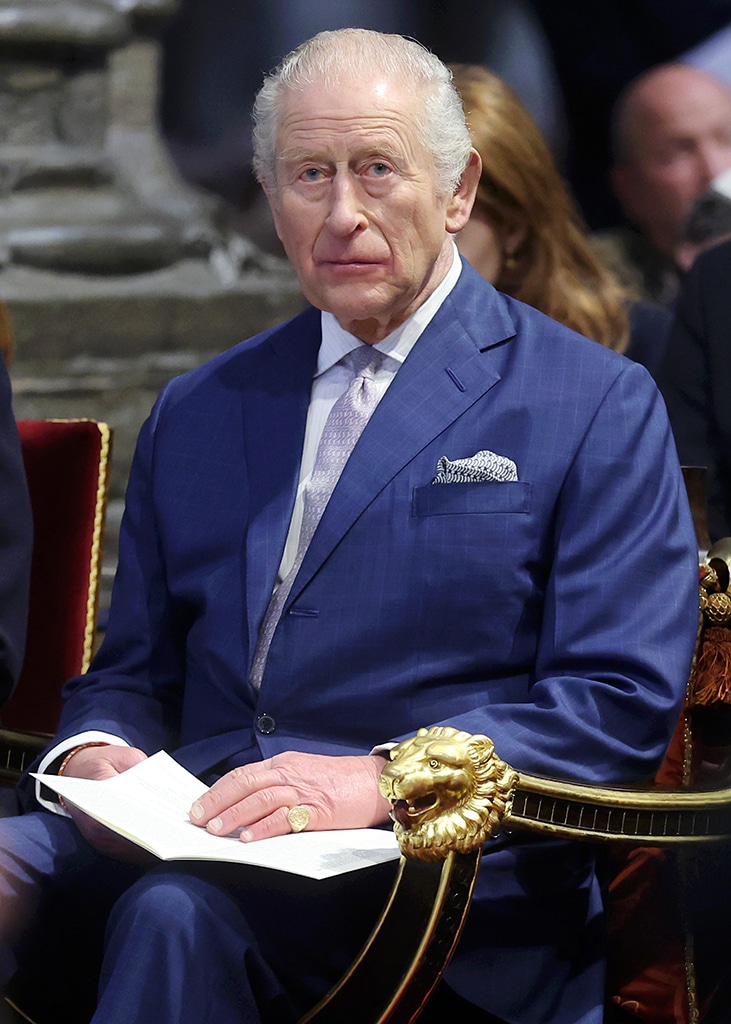
In an unprecedented moment of royal vulnerability, King Charles III has transformed a personal health challenge into a powerful public health campaign, revealing a strategic approach to medical communication that transcends traditional monarchical privacy. The monarch's candid discussion of his cancer diagnosis represents more than a medical update—it's a calculated intervention in public health awareness that could fundamentally reshape how serious medical conditions are perceived and discussed.
The key breakthrough lies in Charles's deliberate demystification of cancer diagnosis and treatment. By sharing that his cancer was discovered during a routine prostate procedure and emphasizing early detection, he has effectively weaponized his royal platform to combat medical hesitation. The data is compelling: at least 9 million people in the UK are not up-to-date with cancer screenings, a statistic that transforms his personal narrative into a critical public health intervention.
What makes this approach revolutionary is its multi-layered impact. The 33% increase in Cancer Research UK website visits following his announcement demonstrates the profound influence of high-profile, authentic health communication. Charles has essentially turned his medical journey into a national health education campaign, breaking down psychological barriers that prevent people from seeking early medical interventions.
Moreover, his continued public engagement during treatment—visiting cancer centers, maintaining state duties, and openly discussing his experience—challenges traditional narratives of illness as something to be hidden. By presenting cancer as a manageable condition when detected early, he's reshaping societal perceptions from fear and stigma to proactive health management.
The strategic brilliance lies in transforming a potentially vulnerable moment into a position of leadership. Charles isn't just a patient; he's become a national health advocate, using his unique platform to drive systemic change in how people approach medical screening and early intervention.
Questions 3
What makes King Charles's approach to discussing his cancer unique?
Unlike traditional royal privacy, Charles has transformed his personal health journey into a national health education campaign, openly discussing his diagnosis to destigmatize cancer and encourage proactive medical screening.
What are the key public health insights from King Charles's cancer communication?
He highlighted that 9 million UK residents are not up-to-date with cancer screenings, emphasizing how early detection can dramatically improve survival rates—from 10% when diagnosed late to 90% when caught early.