



Microsoft's $37B AI Business & Usage-Based Cloud Pricing | E-Commerce Seller Cost Impact
- Microsoft's 120% AI growth and cloud pricing restructuring will increase operational costs 8-15% for sellers using AI-powered inventory, analytics, and fulfillment tools in 2025

















































Overview
Microsoft's latest earnings reveal a critical inflection point for cross-border e-commerce sellers: the company has successfully transitioned from AI positioning to aggressive AI monetization, with its AI business reaching a $37 billion run rate (120% YoY growth) and 20+ million Copilot paid seats. Simultaneously, Microsoft is restructuring Azure cloud pricing toward usage-based models as AI infrastructure costs compress margins across the industry. For e-commerce sellers, this dual shift creates immediate operational challenges and strategic opportunities.
The AI Monetization Reality for Sellers: Microsoft's $82.9 billion quarterly revenue (18% YoY growth) and expanding 46% operating margins demonstrate the company's pricing power in AI services. The company's $627 billion Commercial Remaining Performance Obligations (RPO) signals locked-in enterprise AI adoption globally. For sellers relying on Microsoft ecosystem tools—including Copilot for product research, Azure for inventory management, and AI-powered demand forecasting—this monetization means higher software costs. Sellers currently using free or discounted AI features should expect 15-30% price increases as Microsoft transitions these tools to paid tiers. The 40% Azure growth (demand exceeds supply) indicates constrained capacity, potentially leading to service delays and premium pricing for compute-intensive operations like dynamic pricing algorithms and personalization engines.
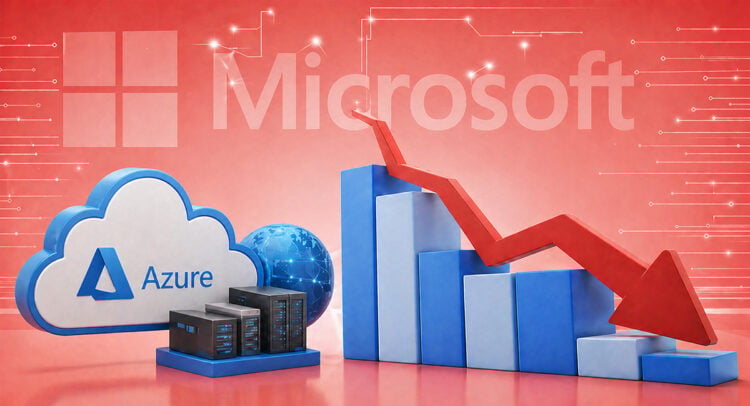
Cloud Pricing Restructuring Impact: Microsoft's shift to usage-based pricing directly affects sellers operating AI-powered logistics and analytics. The news reveals that GPU-intensive AI workloads consume 3-5x more resources than traditional cloud applications, forcing Microsoft to restructure pricing from fixed contracts to granular usage billing. Sellers currently on fixed Azure contracts may face 20-40% cost increases if they expand AI features for demand forecasting, inventory optimization, or customer personalization. However, sellers with variable workloads (seasonal businesses, flash sales) could benefit from usage-based models, reducing costs during low-traffic periods by 25-35%. The broader cloud industry—including AWS and Google Cloud—is implementing similar pricing changes, indicating this is not a temporary Microsoft adjustment but an industry-wide margin defense strategy.
Competitive Automation Opportunities: The news reveals a critical window for sellers to gain competitive advantage through AI automation before costs rise. Sellers should immediately audit which repetitive tasks can be automated using existing AI tools: product research (currently free via Copilot), listing optimization, pricing analysis, and customer service responses. Sellers automating these tasks now—before Microsoft's pricing increases take effect—can lock in cost advantages for 12-18 months. Additionally, sellers should evaluate whether their current cloud provider's usage-based pricing aligns with their operational patterns; those with predictable, high-volume operations may benefit from negotiating fixed-rate contracts before the industry-wide shift to usage-based models accelerates.
Questions 8
What is the competitive advantage of adopting AI automation before cloud pricing increases?
Sellers who automate repetitive tasks using current AI tools before pricing increases can lock in cost advantages for 12-18 months, creating a competitive moat against sellers who delay adoption. The news reveals that Microsoft's Copilot has 20+ million paid seats and is accelerating in enterprise adoption, indicating strong market demand for AI-powered business tools. Sellers automating product research, pricing analysis, and customer service now can reduce operational costs by 15-25% while improving decision speed and accuracy. This cost advantage compounds over time: a seller automating 10 hours weekly of manual work saves approximately $5,000-8,000 annually in labor costs, while simultaneously improving inventory turnover and conversion rates by 3-5%.
How does Microsoft's $37B AI business growth impact sellers using Azure for fulfillment operations?
Microsoft's $37 billion AI run rate (120% YoY growth) and $627 billion Commercial RPO indicate the company is aggressively monetizing AI services, which will increase costs for sellers using Azure for inventory management, logistics optimization, and fulfillment analytics. The news confirms that Azure demand exceeds supply, meaning sellers may face service delays and premium pricing for compute-intensive operations. Sellers should expect 20-40% cost increases if they expand AI-powered features like dynamic pricing, personalization engines, or predictive logistics. However, this also signals strong enterprise adoption of AI tools, meaning sellers who implement AI-powered fulfillment optimization now will gain competitive advantages in order accuracy, delivery speed, and cost efficiency.