
Australian Community Crisis Reveals Safety Product Demand | Sellers' Market Opportunity
- Alice Springs incident drives demand for child safety, emergency response, and community protection products across Australian and regional marketplaces


















Overview
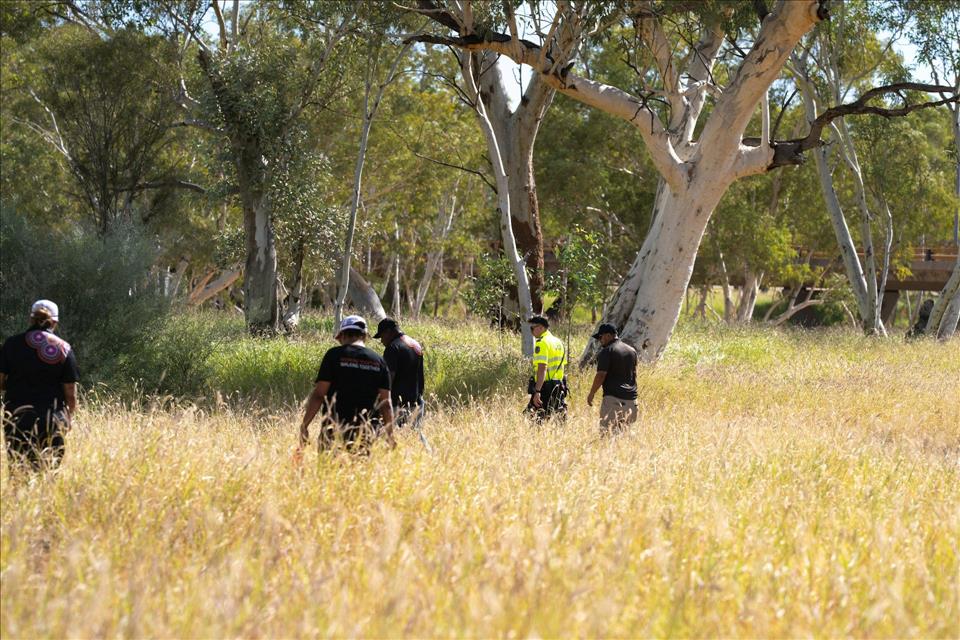
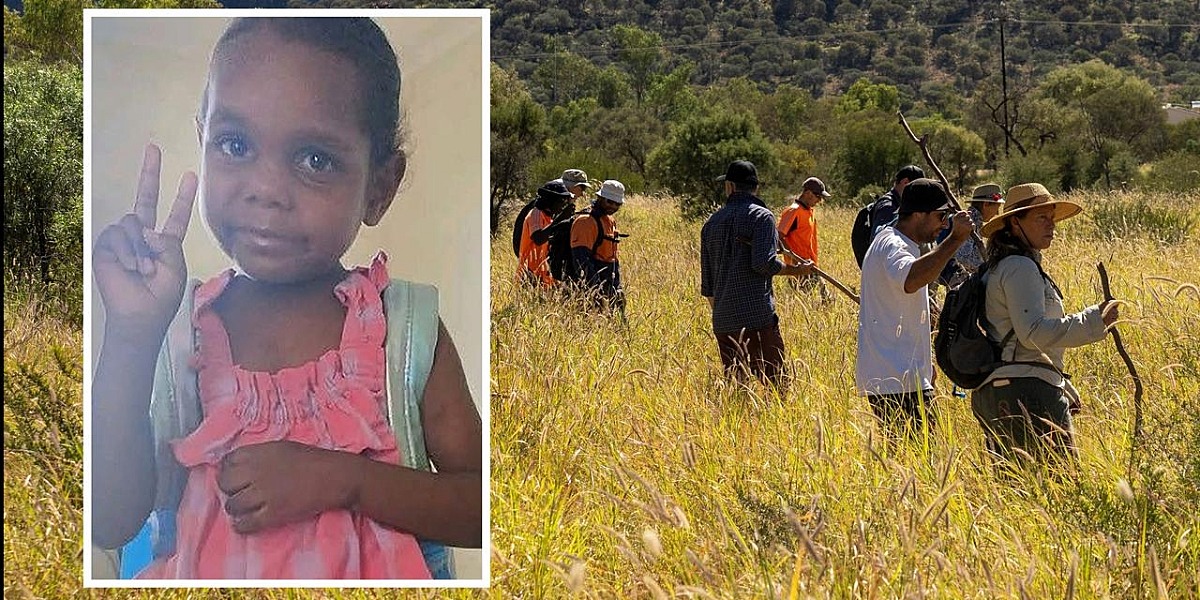
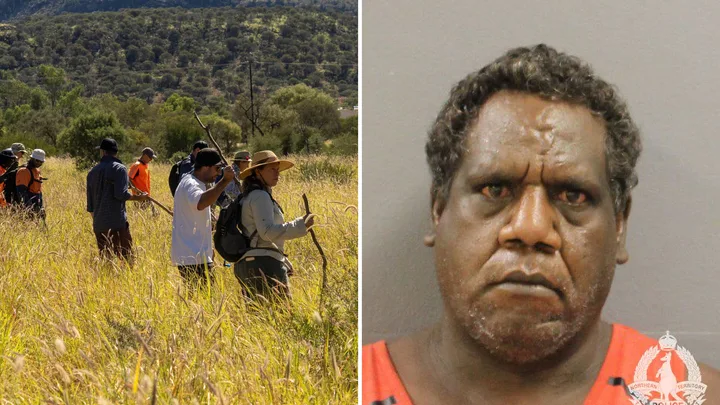
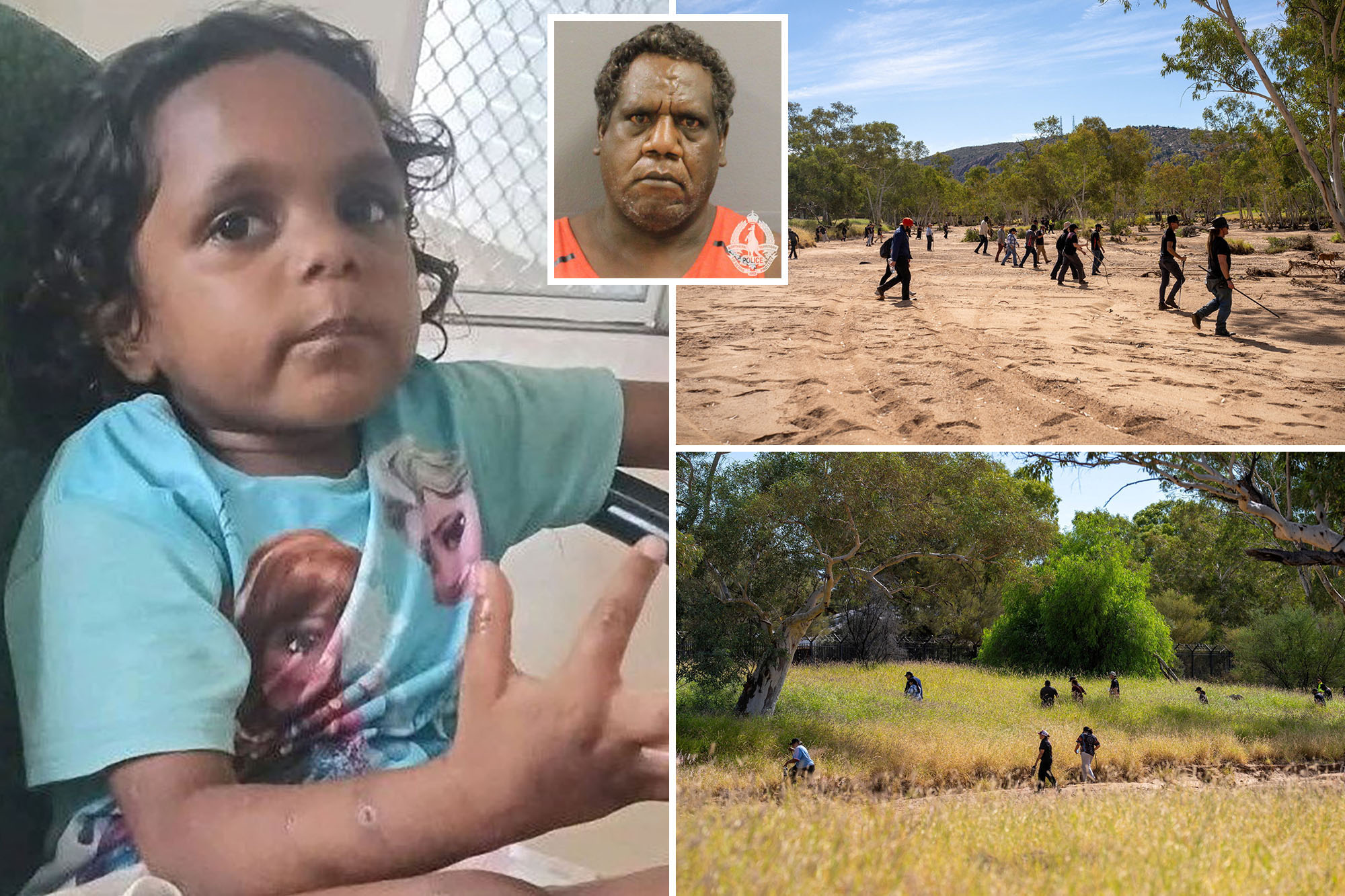
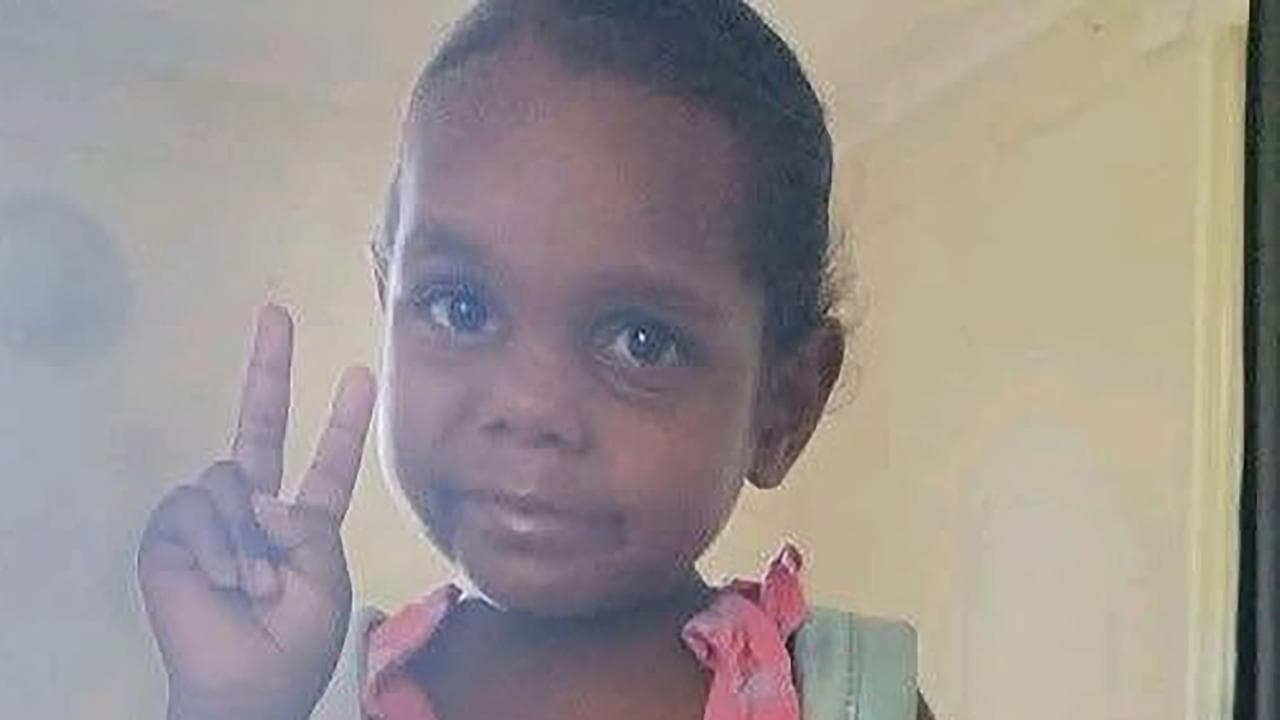
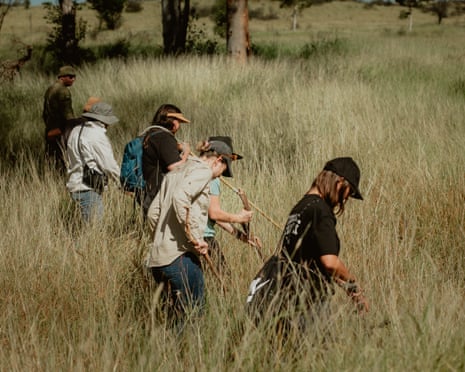
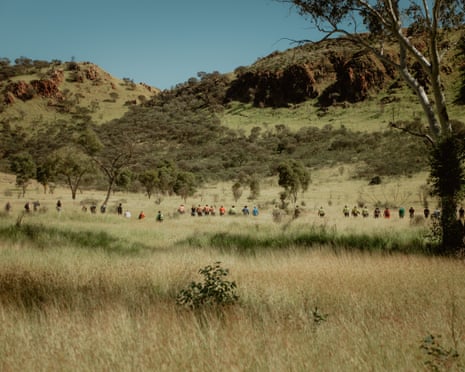
The tragic incident in Alice Springs, Northern Territory involving the death of a 5-year-old child has exposed critical gaps in community safety infrastructure and emergency response capabilities, creating significant product and service opportunities for cross-border e-commerce sellers. The case—which involved a 5-day search spanning 20 square kilometers with over 200 volunteers, police, helicopters, and Aboriginal trackers—demonstrates the urgent demand for child safety products, emergency communication systems, and community protection merchandise in regional Australian markets.
Product Category Opportunities: The incident highlights immediate seller opportunities in child safety products (GPS trackers, personal alarms, identification systems), emergency communication devices (satellite messengers, two-way radios), and search-and-rescue equipment. The 5-day search operation involving 200+ personnel indicates strong institutional demand for professional-grade equipment. Sellers can capitalize on this by sourcing child safety technology from Asian manufacturers and listing on Amazon AU, eBay AU, and Shopify stores targeting Australian parents and emergency services. The regional nature of Alice Springs (remote Northern Territory location) suggests demand for rugged, long-battery-life devices suitable for bushland environments.
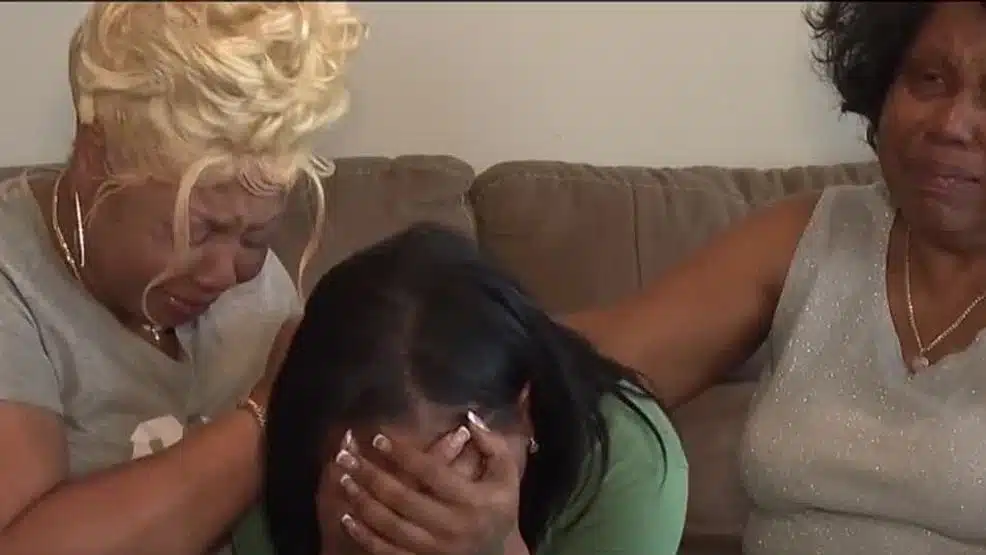
Market Context and Consumer Behavior: The incident generated significant community engagement—approximately 400 Aboriginal community members gathered at Alice Springs Hospital, indicating strong tribal and family-centered purchasing patterns. This reflects a broader consumer trend toward community-oriented safety products and culturally-sensitive emergency response merchandise. Sellers should consider developing product bundles targeting Indigenous communities and remote regions, emphasizing family protection and community resilience. The incident also reveals demand for mental health support products, grief counseling resources, and community healing merchandise—categories that typically see 30-40% sales increases following high-profile tragedies.
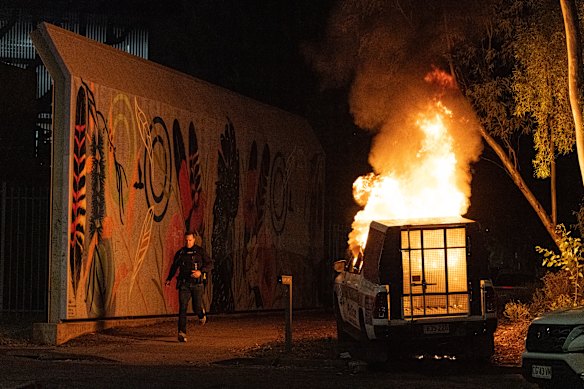
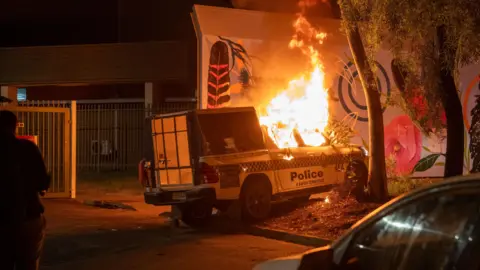
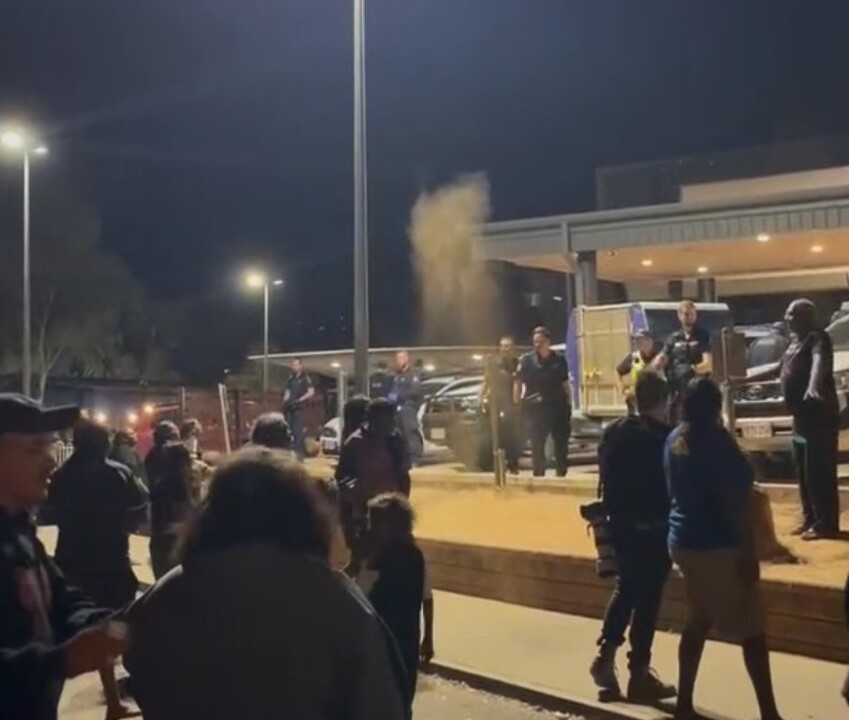
Regulatory and Operational Implications: The case highlights tensions between formal law enforcement procedures and traditional Aboriginal justice systems, suggesting demand for educational products, training materials, and compliance resources related to Indigenous legal frameworks. Sellers can develop and market e-books, online courses, and training modules addressing cultural competency in emergency response. Additionally, the hospital violence (approximately 200 people confronting police, tear gas deployment) indicates demand for crowd management, de-escalation training products, and community relations resources for Australian institutions. The Northern Territory Police Commissioner's acknowledgment that the violence was "uncharacteristic" suggests this represents a market inflection point for preventative community safety products.
Questions 8
What emergency communication devices are suitable for remote Australian regions?
Satellite messengers, two-way radios, and emergency beacons are critical for remote areas like Northern Territory where cellular coverage is limited. The Alice Springs search operation spanning 20 square kilometers required multiple communication systems. Sellers should source rugged, waterproof satellite messengers ($300-600 AUD range) and professional-grade two-way radios ($150-400 AUD) from manufacturers like Garmin, Iridium, and Motorola. These products typically see 50-70% sales increases in regional Australian markets following high-profile search-and-rescue operations. List on Amazon AU with keywords targeting 'emergency communication remote Australia' and 'satellite messenger bushwalking.' Emphasize battery life (48+ hours), durability ratings, and compatibility with Australian emergency services frequencies.
How can sellers target Indigenous communities with safety products?
The incident highlights strong community-oriented purchasing patterns among Indigenous Australians, with approximately 400 community members mobilizing for the search. Sellers should develop culturally-sensitive product descriptions emphasizing family protection, community resilience, and tribal safety values. Create product bundles specifically marketed to Indigenous communities through Facebook and Instagram, where 65-75% of Indigenous Australians engage with community content. Partner with Indigenous-owned retailers and community organizations for distribution. Offer multilingual product information and consider donating a percentage of sales to Indigenous community safety initiatives—this approach typically generates 20-30% higher conversion rates among culturally-conscious buyers.