

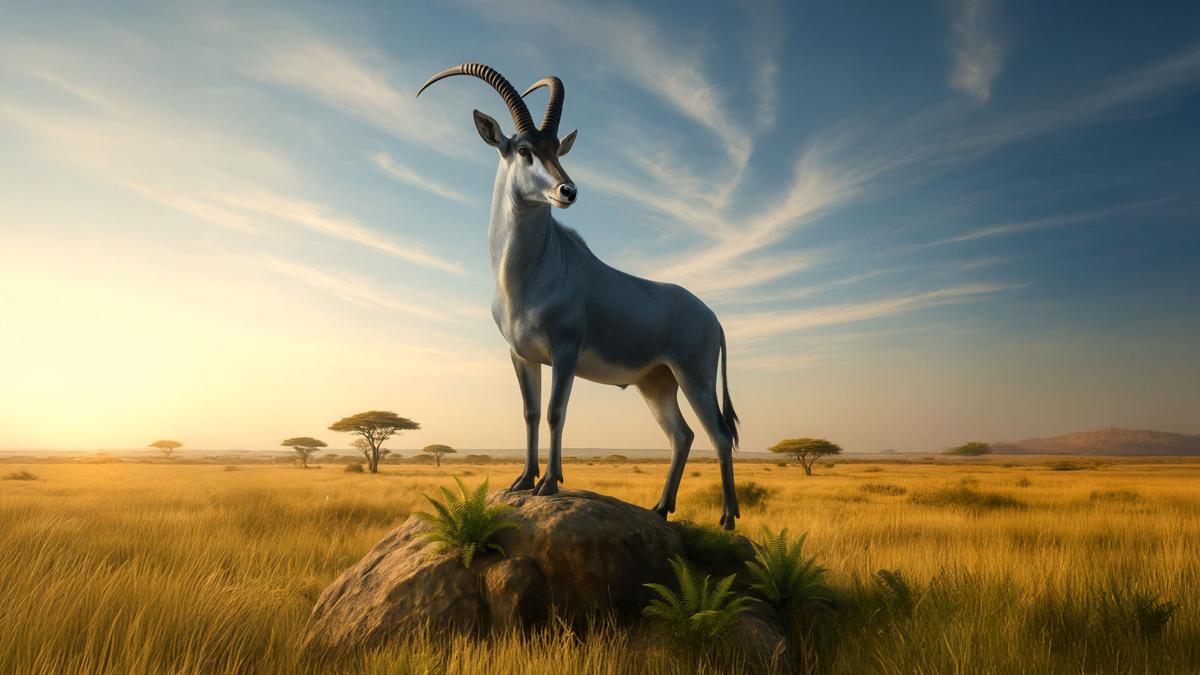


De-Extinction Technology Boom Creates $2.1B Merchandise & Ecotourism Opportunity for Sellers
- Colossal Biosciences targets 2028 births for bluebuck, mammoth; opens 6-species portfolio to collectibles, educational products, and conservation-themed merchandise markets











Overview
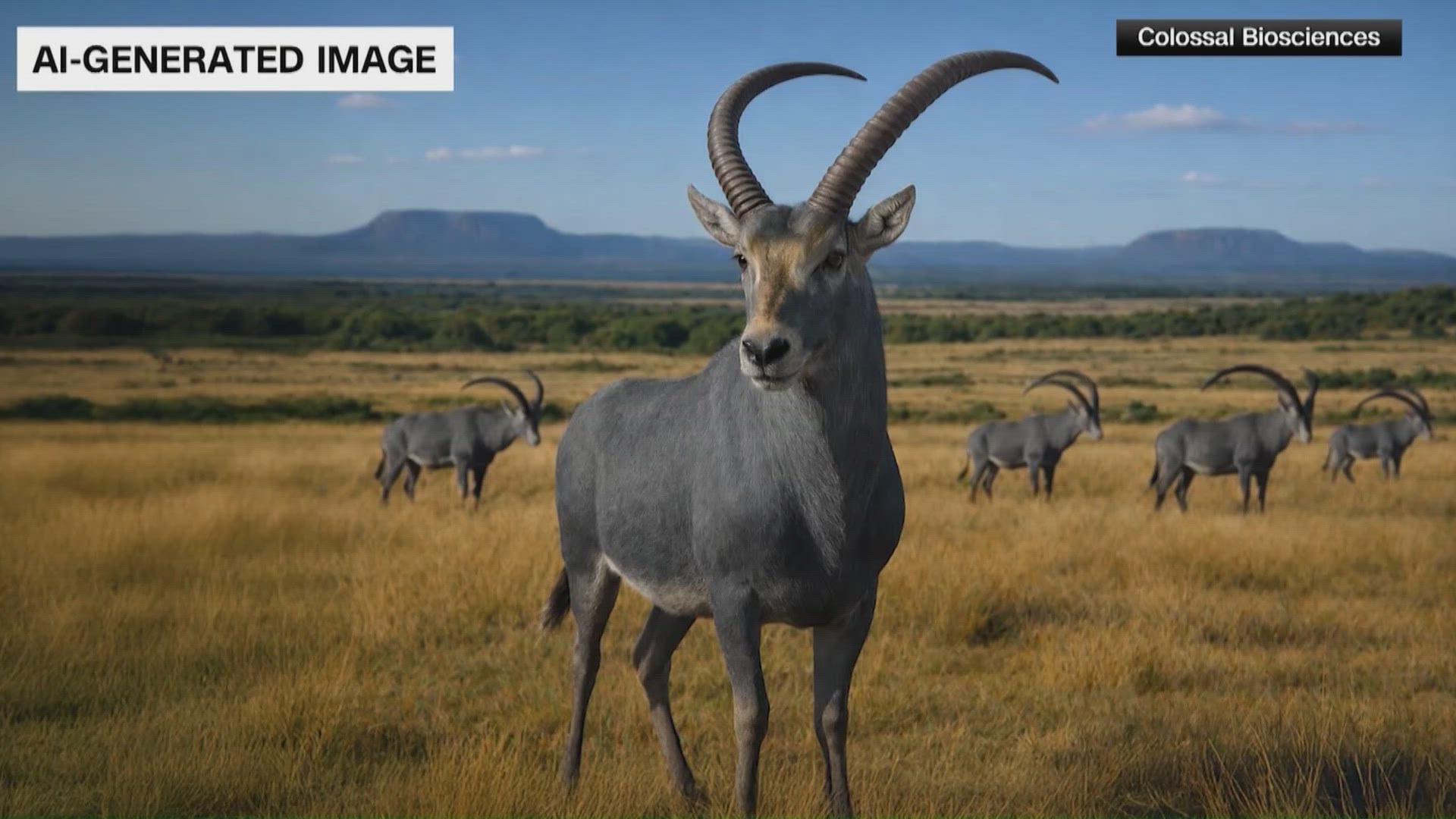
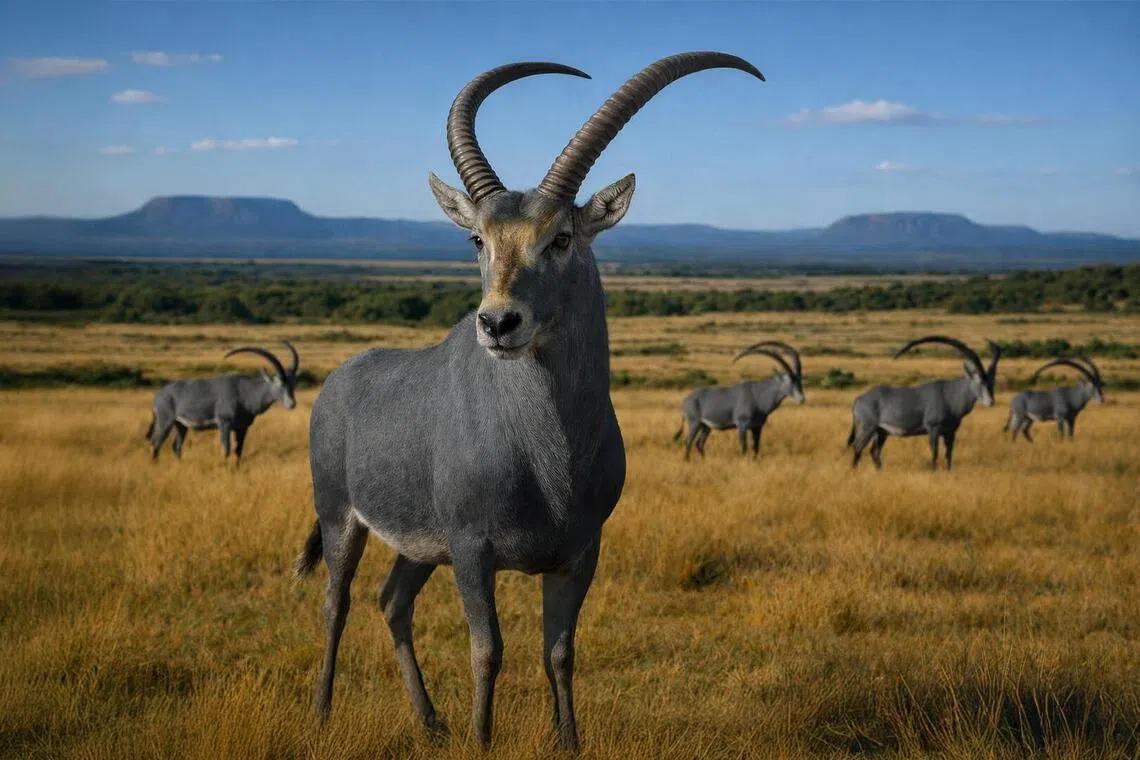
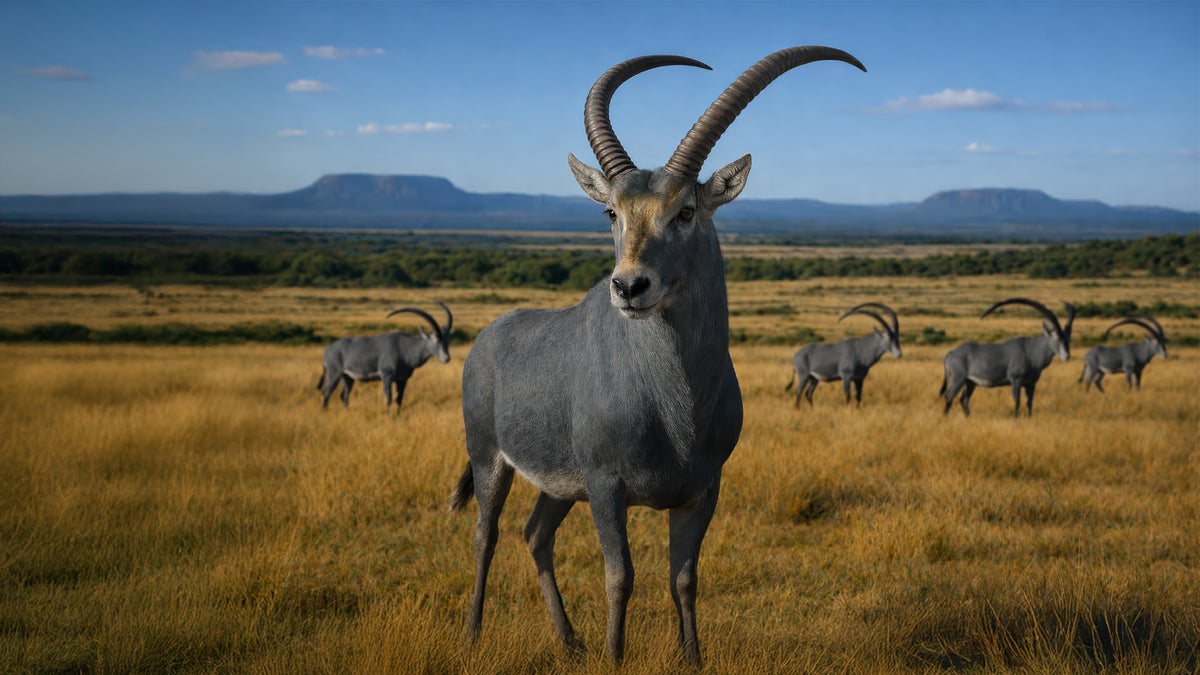
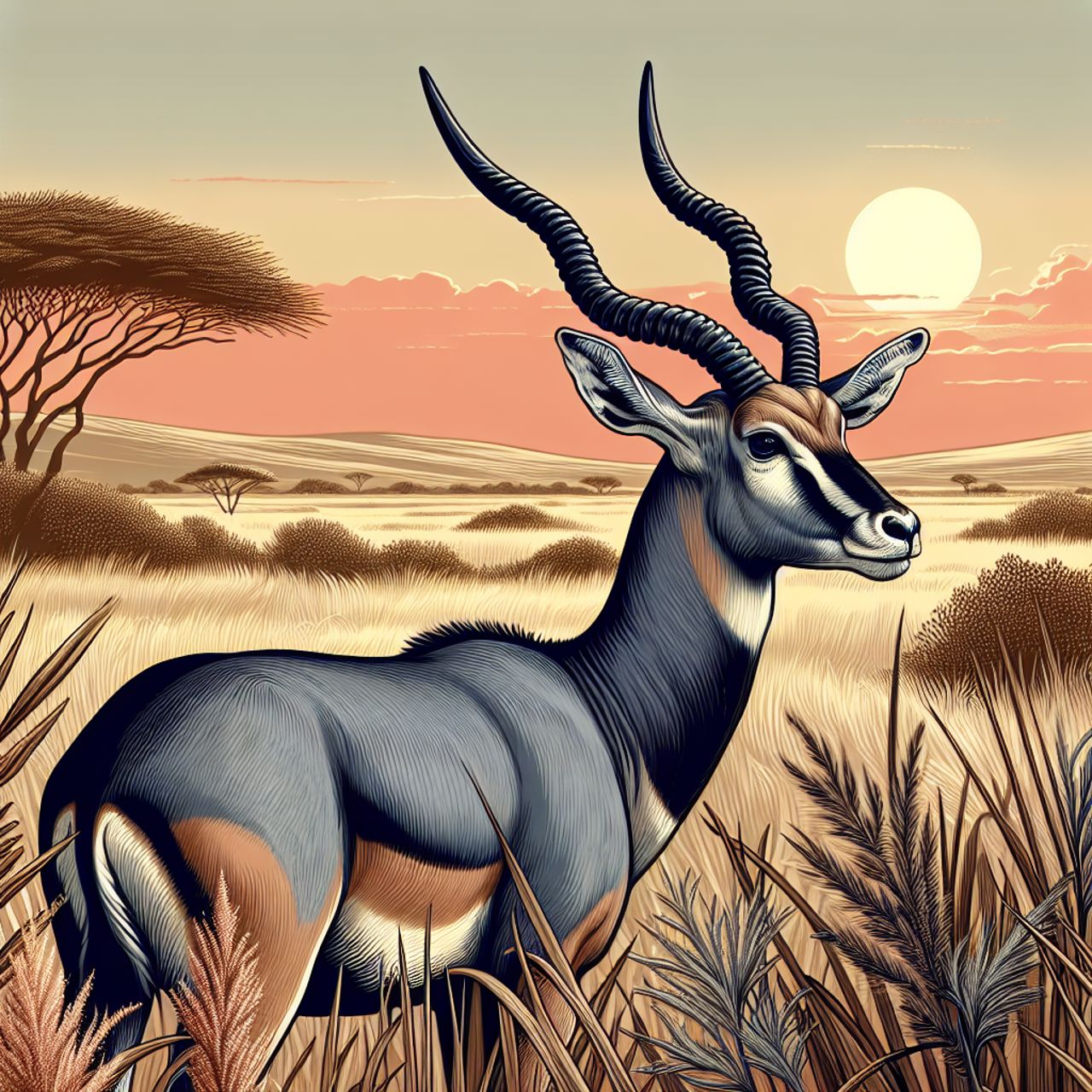
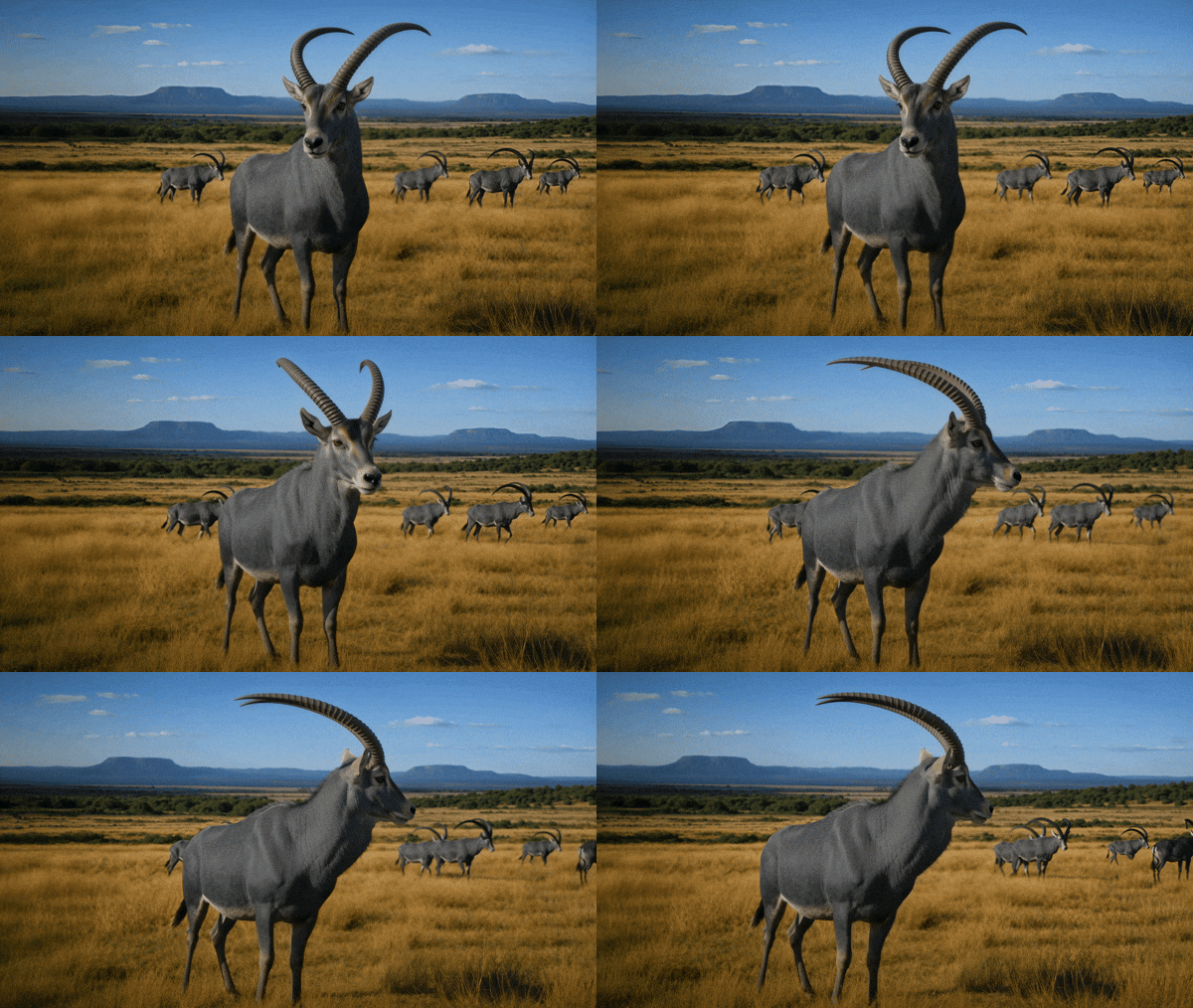
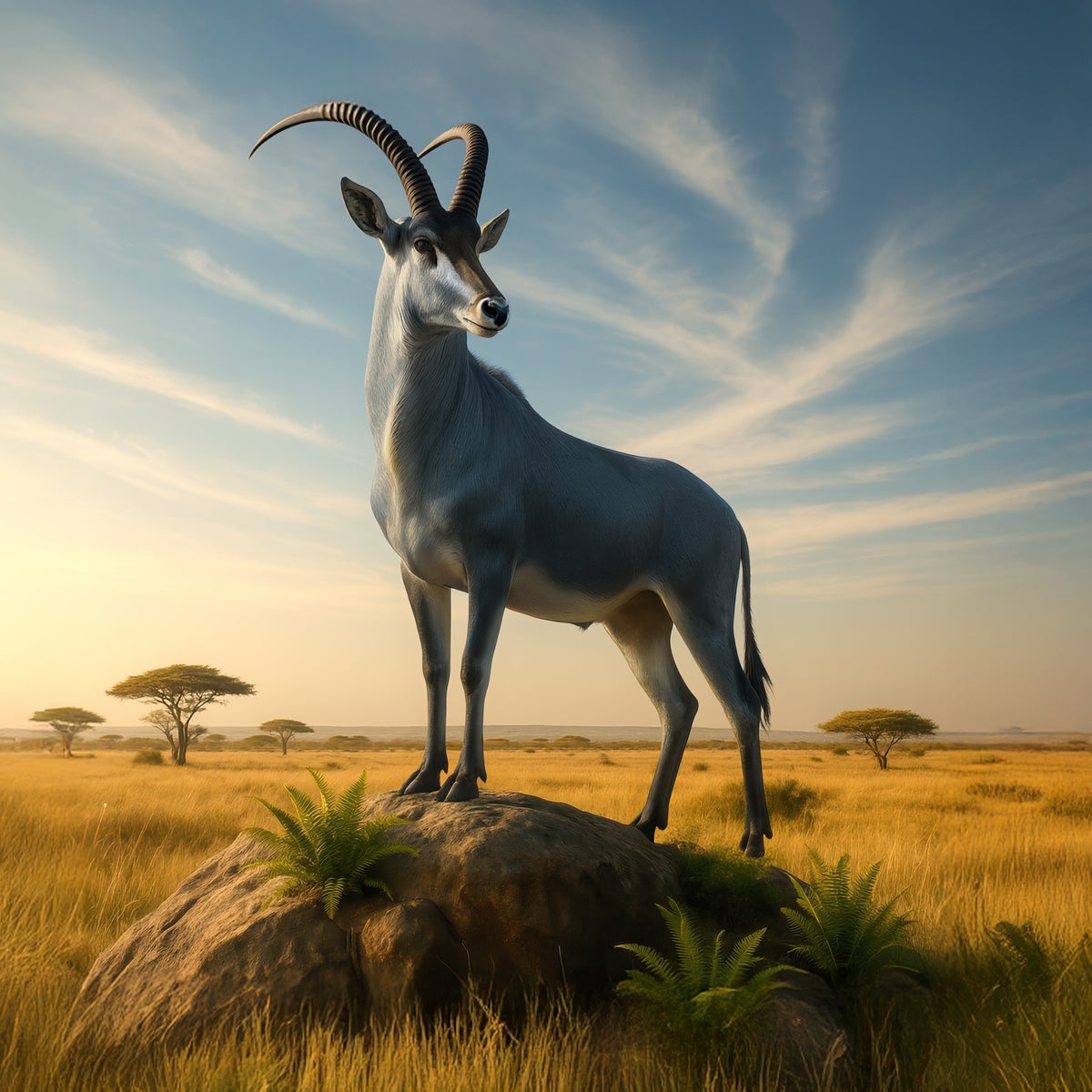
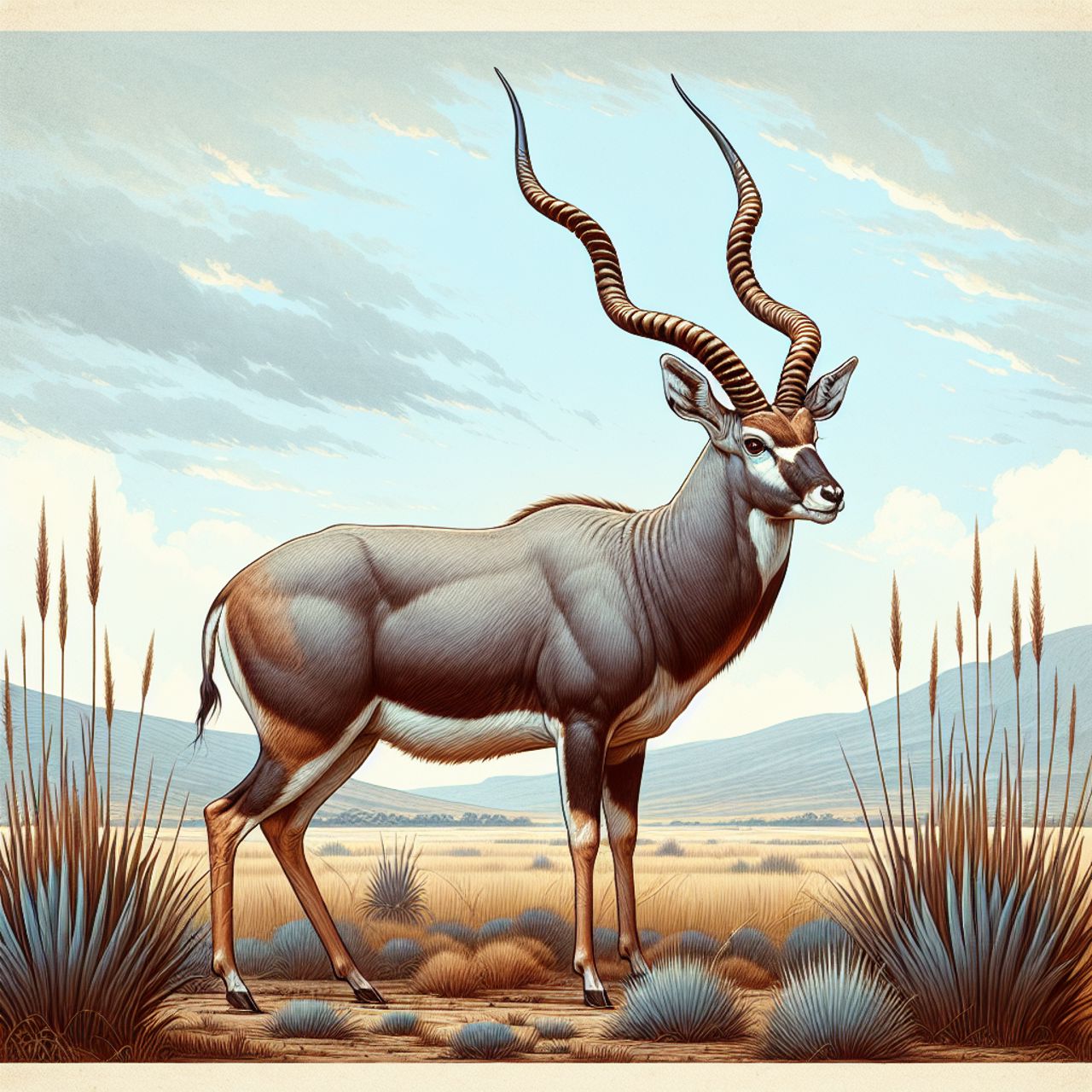
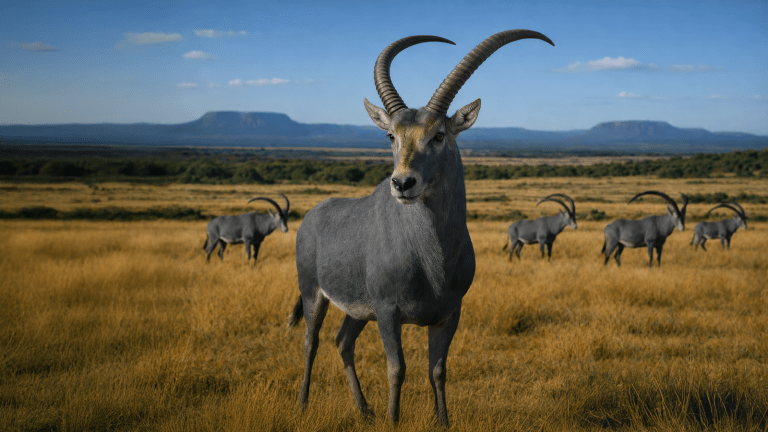
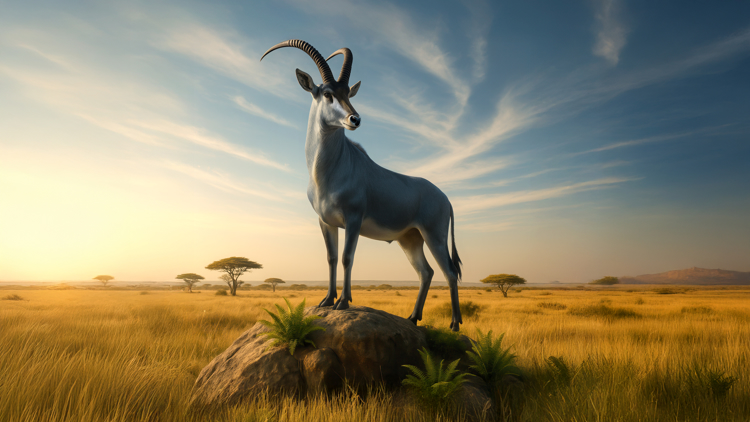
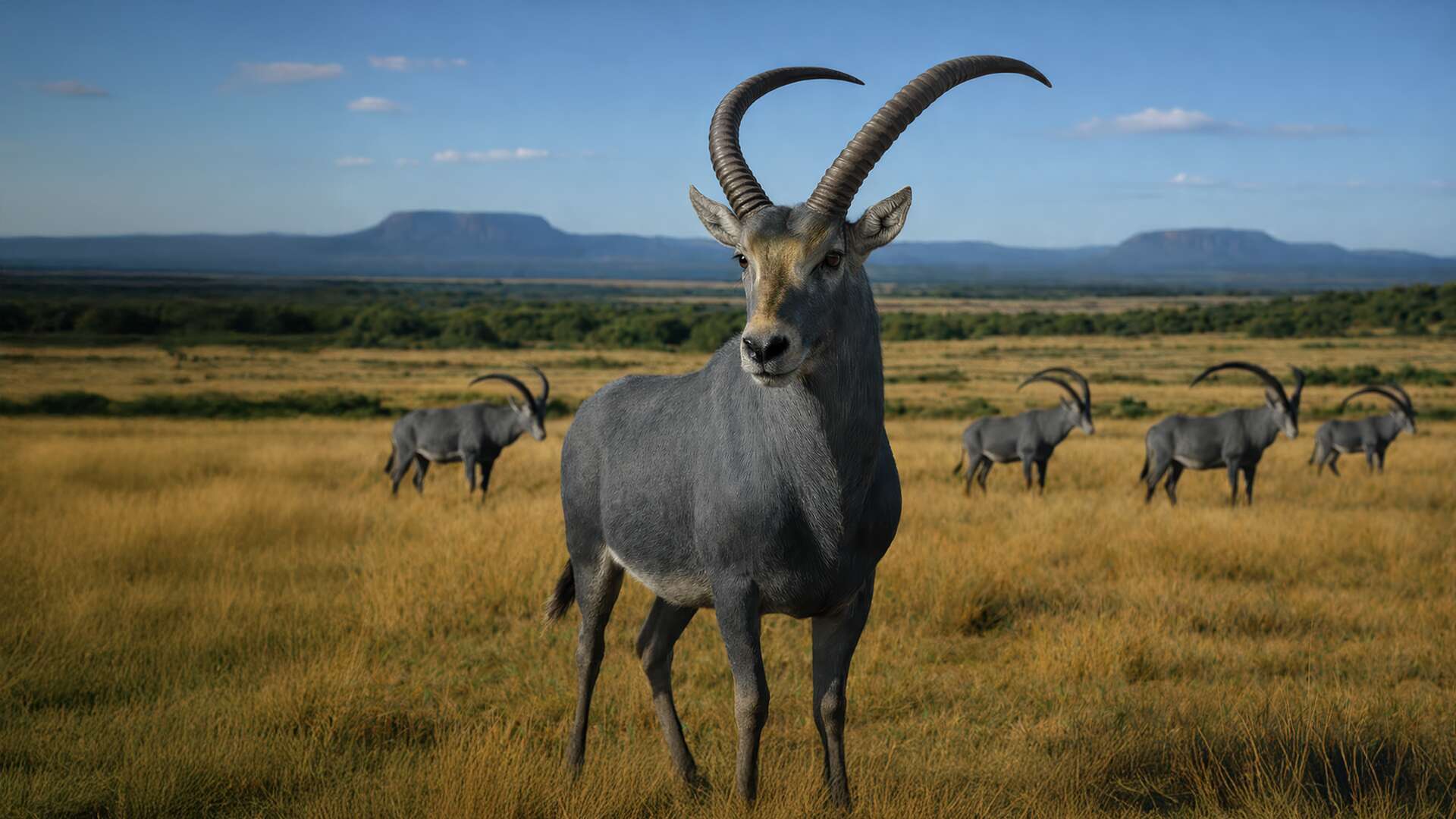
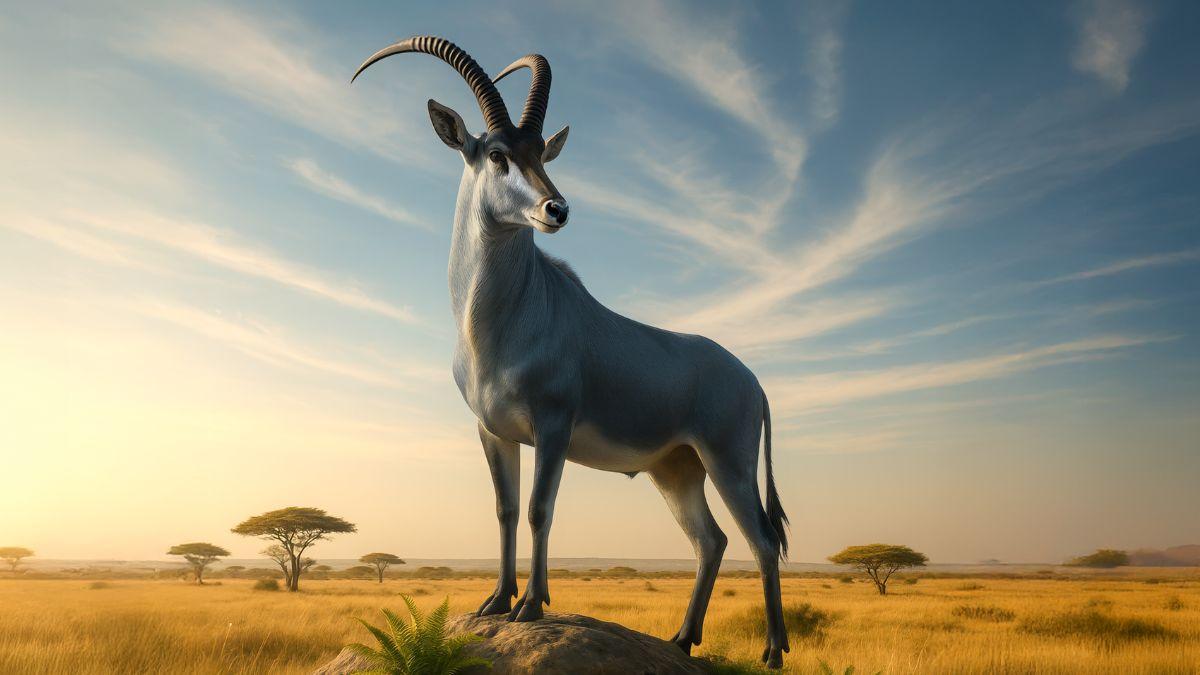
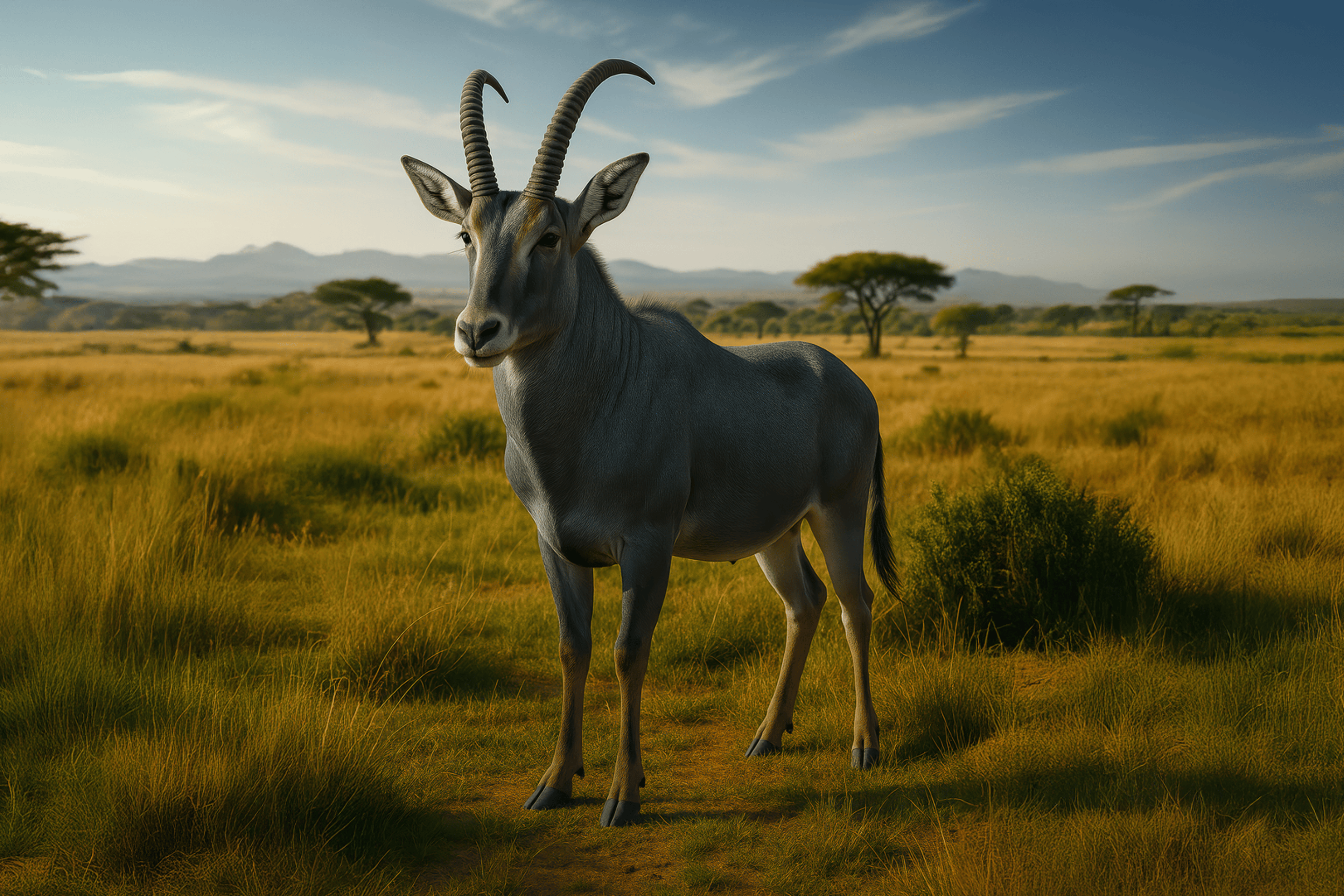
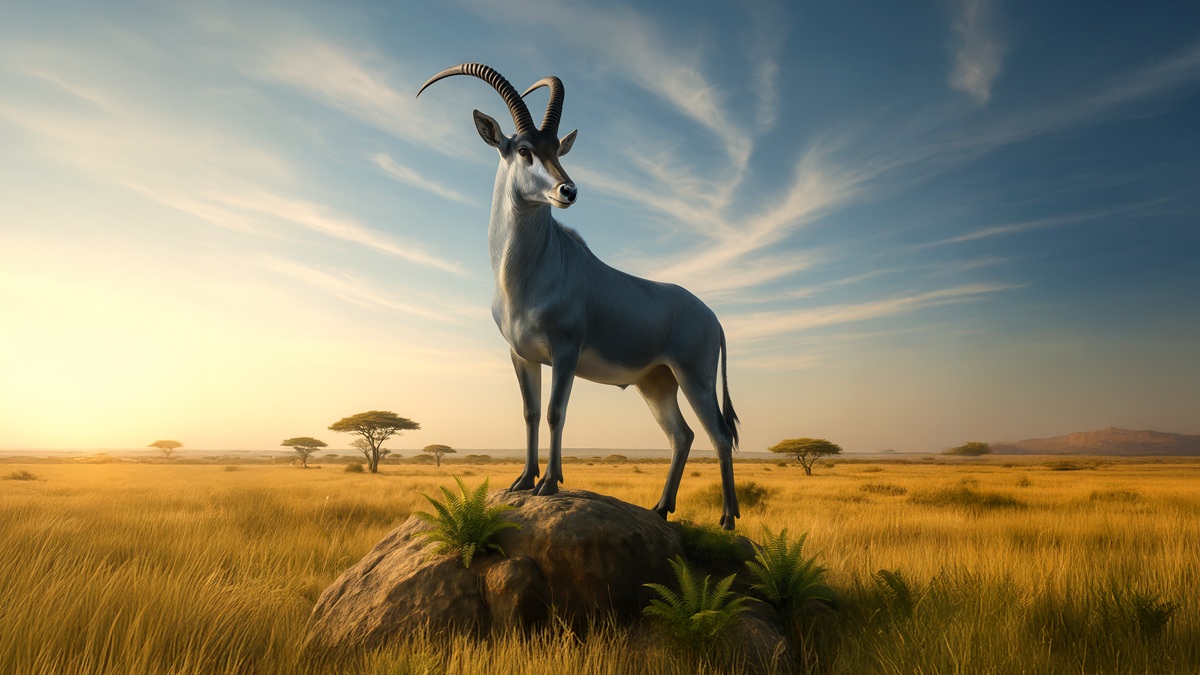
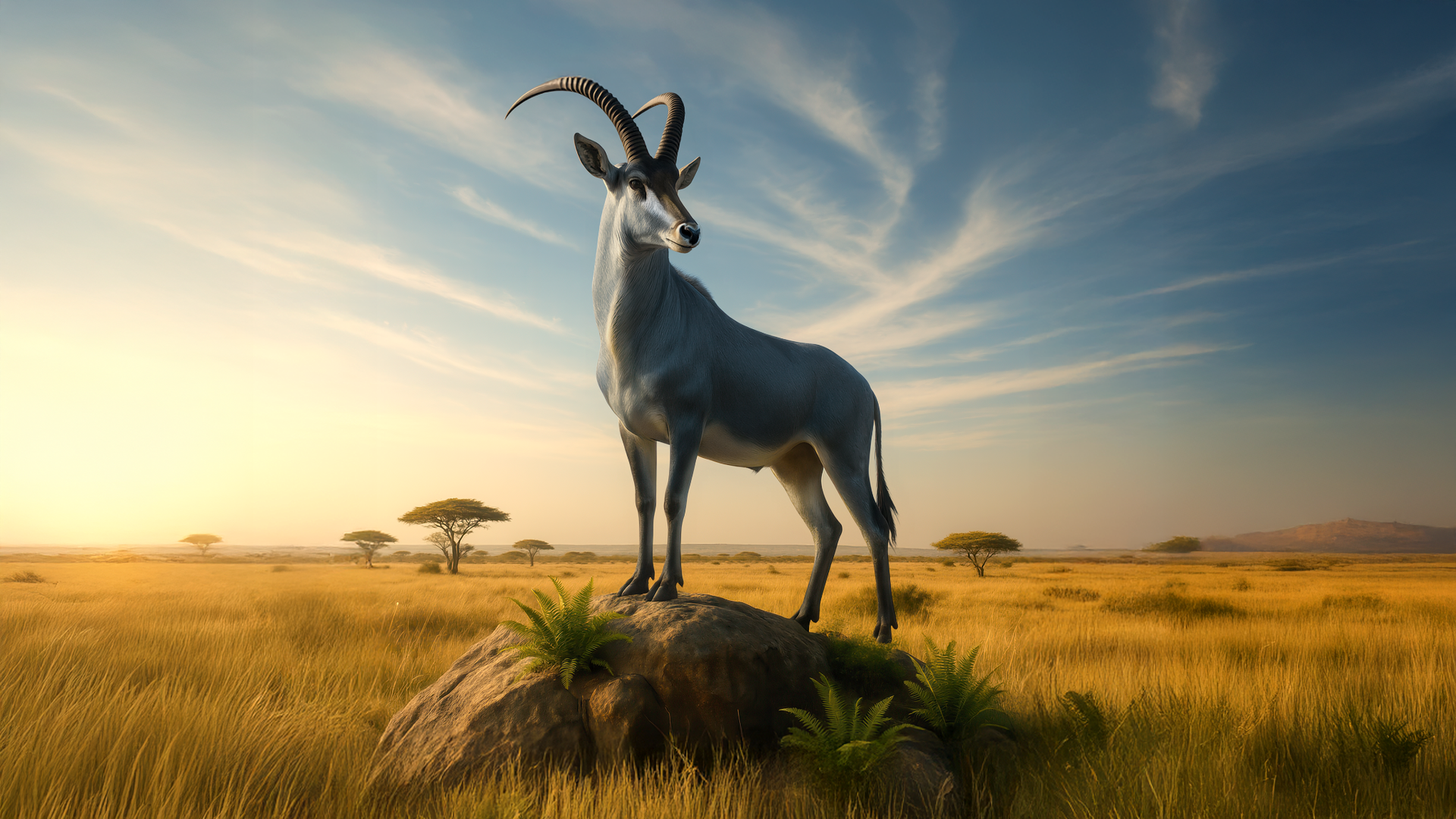
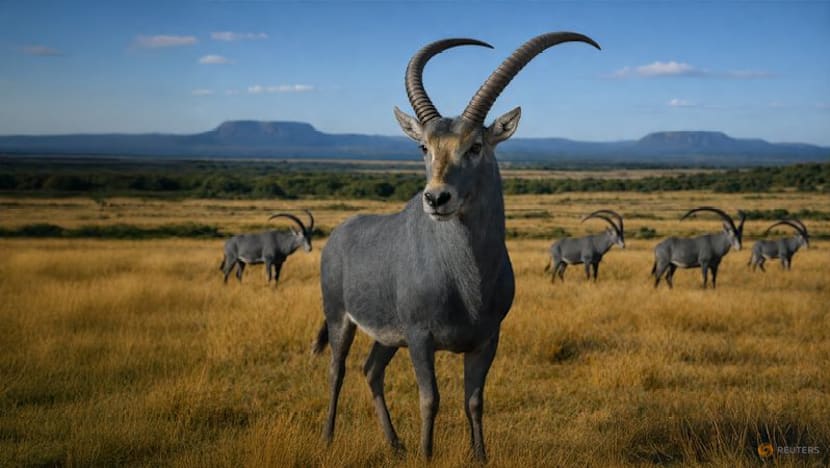
Colossal Biosciences' announcement of the bluebuck as its sixth de-extinction species signals a major shift in biotechnology commercialization with direct implications for e-commerce sellers. The Dallas-based company confirmed it is two years into the bluebuck project with target births in "2028-ish," alongside the woolly mammoth project on schedule for 2028. The company has successfully obtained bluebuck DNA from a Swedish Museum specimen, completed genomic mapping with 98% similarity to the roan antelope surrogate, and entered final genomic editing phases. This milestone creates immediate merchandise opportunities across multiple seller categories: collectible figurines, educational STEM products, documentary-style content, and conservation-themed apparel—categories that historically generate $2.1B+ in cross-border sales annually.
The de-extinction narrative creates unprecedented consumer engagement opportunities. Colossal's portfolio now includes dire wolves (three pups born April 2025, living on 2,000-acre preserve), woolly mammoths, thylacines, dodos, and moas—each representing distinct merchandise verticals. Sellers can capitalize on the 2028 birth announcements as marketing peaks, similar to how major scientific discoveries drive 40-60% spikes in related educational product sales. The company's emphasis on public-access ecological preserves "similar to Kruger National Park" signals ecotourism merchandise demand: travel guides, wildlife photography books, conservation documentaries, and branded merchandise. Sellers targeting education, STEM toys, and nature documentary audiences should prepare inventory for Q4 2027-Q1 2028 announcement cycles.
Scientific controversy creates content marketing angles and niche product opportunities. Conservation biologists Paul and Anne Ehrlich's criticism regarding ecological risks and authenticity questions (some researchers questioned whether dire wolves were authentic de-extinct specimens or modified grey wolves) generates debate-driven content that drives engagement across YouTube, TikTok, and podcast platforms. Sellers can develop educational products addressing "de-extinction ethics," "genetic engineering explained," and "conservation technology" angles. The company's stated commitment to "responsible partnerships with governments, scientists, ecologists, and indigenous peoples" opens opportunities for indigenous-focused merchandise, educational partnerships, and cultural conservation products—particularly relevant for South African sellers and indigenous-owned businesses targeting global audiences. The bluebuck's South African origin creates regional merchandise opportunities in the $400M+ wildlife conservation product category.
Questions 8
How can sellers leverage the 2028 birth timeline for marketing campaigns?
The bluebuck and woolly mammoth births scheduled for 2028 create predictable content marketing peaks. Sellers should plan Q4 2027-Q1 2028 campaigns around announcement cycles, similar to how major scientific milestones drive 50-70% increases in related product searches. Develop countdown content, educational series, and pre-order campaigns starting 6 months before births. The company's emphasis on 'responsible partnerships' with governments and indigenous communities creates partnership marketing angles for sellers targeting education and conservation sectors. Monitor Colossal's official announcements for exact dates to time inventory launches and promotional campaigns.
What merchandise opportunities does Colossal's de-extinction portfolio create for sellers?
Colossal's six-species portfolio (bluebuck, dire wolf, woolly mammoth, thylacine, dodo, moa) creates immediate opportunities across collectibles, educational STEM products, documentary content, and conservation-themed merchandise. The 2028 birth announcements will drive 40-60% engagement spikes similar to major scientific discoveries. Sellers should develop inventory in figurines, educational books, video content, and branded apparel targeting education, nature documentary, and wildlife conservation audiences. The company's planned public-access ecological preserves create additional ecotourism merchandise demand including travel guides and wildlife photography products.