




Inflation Surge & Margin Compression | Cross-Border Sellers Face 11.6% Energy Cost Spike
- Energy prices surge 11.6% amid Iran geopolitical tensions; freight costs rise 8-12% for international sellers; consumer spending weakness threatens Q2-Q3 demand
































Overview
Core Inflation Accelerates to 3.2% in March 2026, Triggering Critical Cost Pressures for Cross-Border E-Commerce Sellers
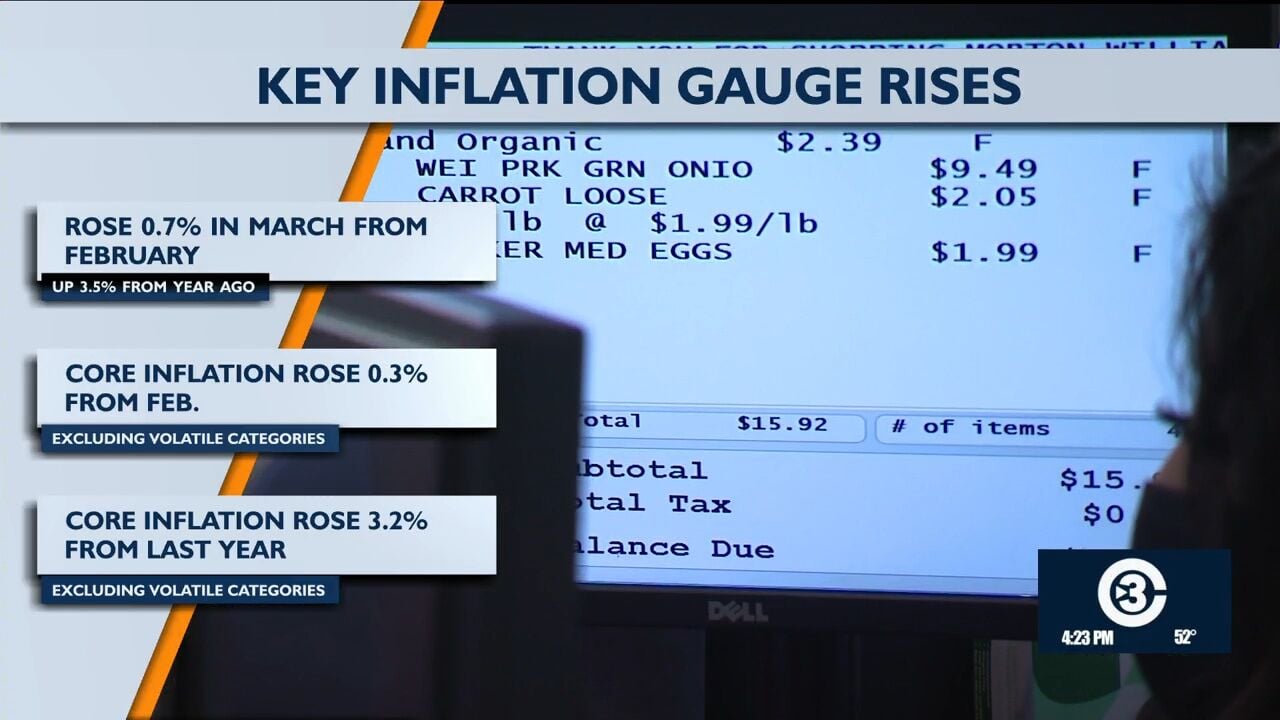
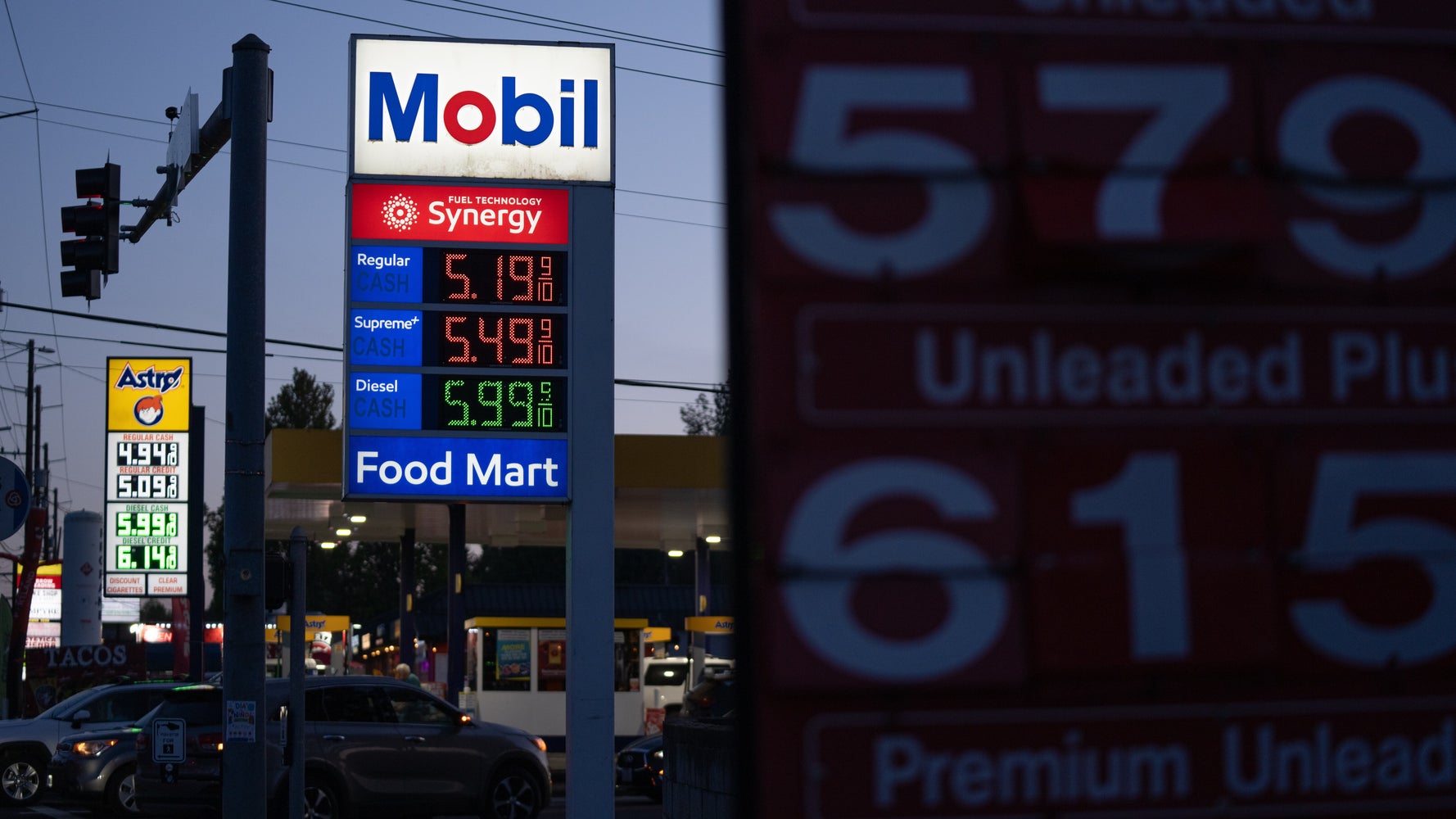
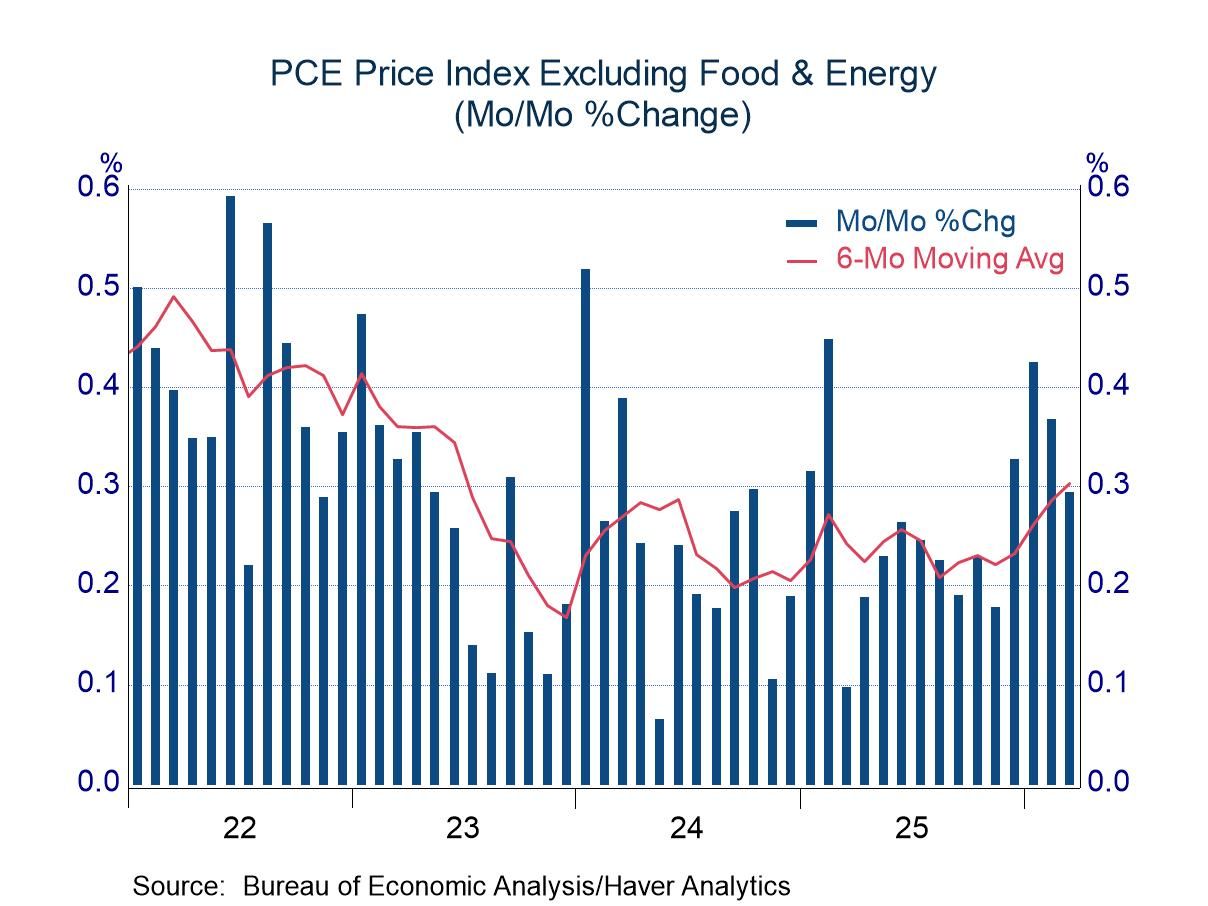
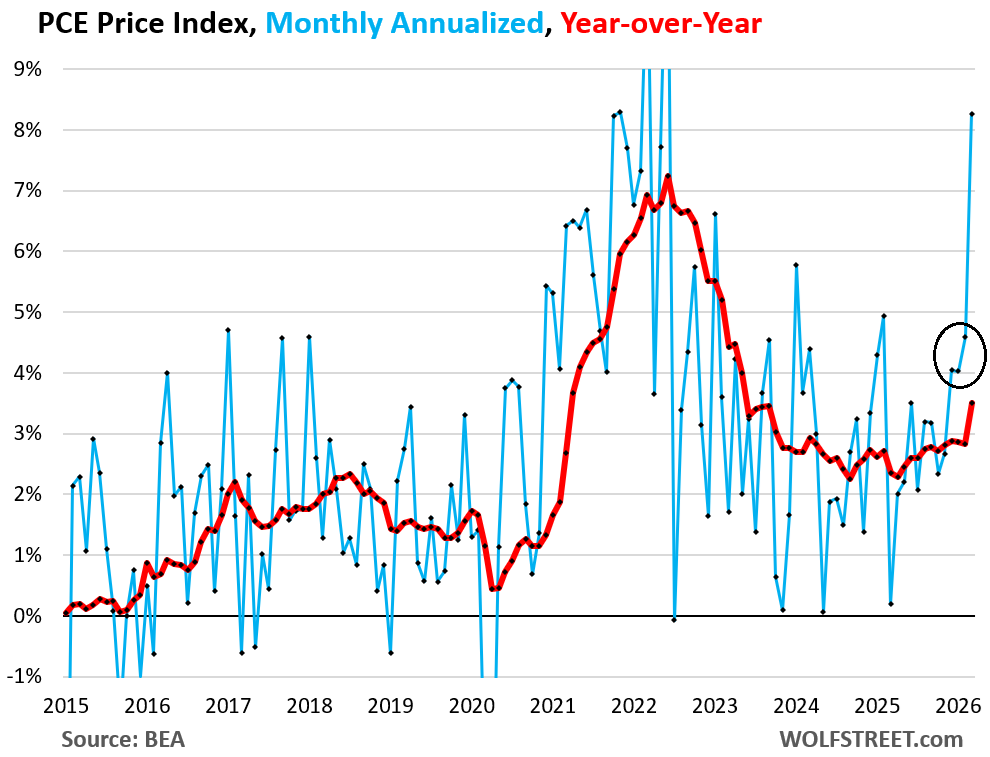
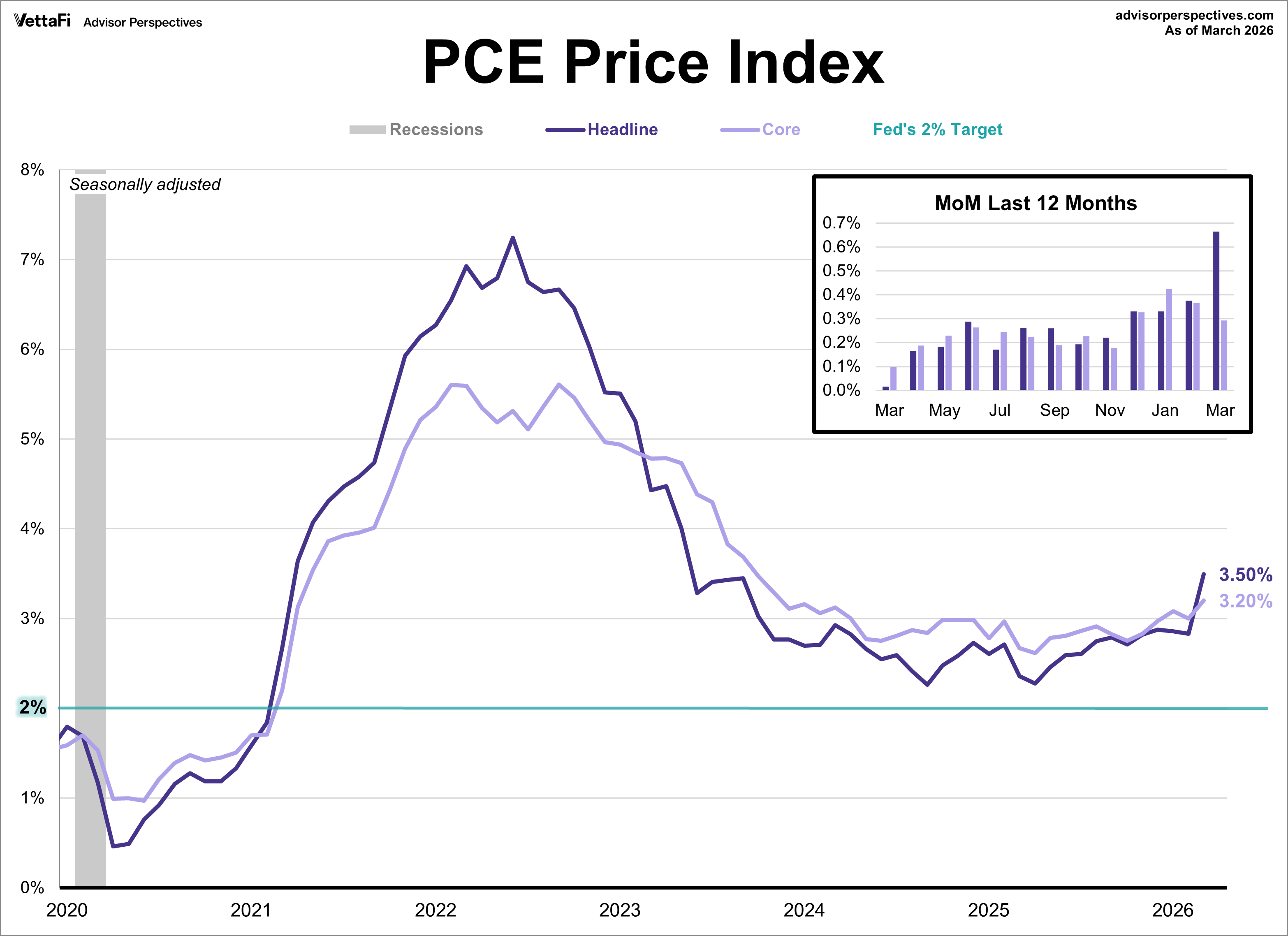
The U.S. Commerce Department reported on April 30, 2026, that core inflation reached 3.2% annually in March—the highest level since November 2023—while headline inflation climbed to 3.5%, driven primarily by energy prices surging 11.6% due to geopolitical tensions from the Iran war. Oil prices exceeded $120 per barrel, pushing gasoline above $4 per gallon nationally. Simultaneously, first-quarter GDP growth disappointed at 2% annualized pace, below the 2.2% consensus estimate, with personal consumption expenditures increasing only 1.6% monthly and goods outlays declining 0.1%. However, real final sales to private domestic purchasers accelerated 2.5%, and the labor market remained historically tight with initial jobless claims at 189,000—the lowest reading since September 1969.
For cross-border e-commerce sellers, this inflation environment creates immediate operational challenges and margin compression. The 11.6% energy surge directly increases freight and logistics costs, with international shipping rates rising 8-12% for sellers relying on air freight or expedited ocean services. Amazon FBA sellers face compounding pressures: elevated fuel surcharges on inbound shipments, higher storage fees due to inventory financing costs, and increased platform fees as Amazon adjusts pricing for inflation. Sellers shipping from Asia (China, Vietnam, India) to U.S. fulfillment centers experience the most acute cost impact, as air freight premiums and ocean shipping fuel surcharges compress margins by 150-300 basis points on mid-range products ($15-50 ASP). The Federal Reserve's policy uncertainty—evidenced by four dissenting FOMC votes and incoming Chairman Kevin Warsh's divided central bank—creates currency volatility affecting cross-border transactions and inventory planning. Wage gains of only 0.6% being outpaced by price increases signal reduced consumer purchasing power, particularly among middle and moderate-income households struggling with high gas prices.
The split-screen economy creates divergent opportunities and risks. AI-focused companies and premium sellers thrive while traditional retail and value-oriented sellers face headwinds. Goods outlays declining 0.1% monthly suggests consumers are deferring discretionary purchases, shifting demand toward essential, value-priced categories. Industry experts warn of potential global supply chain disruptions in Q3-Q4 2026 as sustained high energy costs force logistics network reconfigurations. The geopolitical Iran situation adds unpredictability—Trump's threatened continued blockade of the Strait of Hormuz suggests energy costs may remain elevated through mid-2026. Sellers should expect sustained pressure on margins through Q2 2026, with potential relief only if geopolitical tensions ease or the Federal Reserve cuts rates (currently unlikely before Q3 2026 at earliest).
Strategic Implications for Seller Segments:
- Small sellers (under $100K annual revenue): Most vulnerable to margin compression; consider shifting to higher-margin categories or reducing inventory velocity to preserve cash
- Mid-market sellers ($100K-$1M): Opportunity to negotiate better 3PL rates by consolidating shipments; evaluate nearshoring to Mexico/Central America to reduce air freight dependency
- Large sellers ($1M+): Can absorb margin compression; focus on market share gains from smaller competitors exiting categories; lock in long-term shipping contracts before Q3 rate increases
Questions 7
How much will my Amazon FBA shipping costs increase due to the 11.6% energy surge?
FBA inbound shipping costs will rise 8-12% for sellers shipping internationally, with the highest impact on air freight routes. The Commerce Department reported energy prices surged 11.6% in March 2026, directly increasing fuel surcharges on all freight modes. For a seller shipping 1,000 units monthly from China to U.S. FBA centers at $2 per unit current cost, expect an additional $160-240 monthly ($1,920-2,880 annually). Ocean freight fuel surcharges typically increase 5-8%, while air freight premiums spike 12-18%. Monitor your Seller Central shipping reports weekly and negotiate volume discounts with your freight forwarder before Q3 2026, when additional rate increases are likely if geopolitical tensions persist.
What product categories will see the strongest demand despite consumer spending weakness?
The news reports personal consumption expenditures increased only 1.6% monthly with goods outlays declining 0.1%, signaling consumers are deferring discretionary purchases. However, value-oriented and essential categories remain resilient: budget home goods, basic apparel, health/wellness products, and pet supplies typically maintain 2-4% growth during inflationary periods. Premium and luxury categories face headwinds as middle-income consumers reduce discretionary spending. The tight labor market (189,000 jobless claims—lowest since 1969) supports continued demand for work-from-home products and professional apparel. Consider shifting 20-30% of inventory allocation toward value-priced essentials and away from discretionary luxury items through Q2 2026.