


Middle East Supply Chain Disruption | Cross-Border Sellers Face Logistics Crisis
- Infrastructure destruction across 55+ Lebanese towns threatens regional logistics hubs; sellers shipping to/from Levant region face 30-60 day delays and 15-25% cost increases















Overview
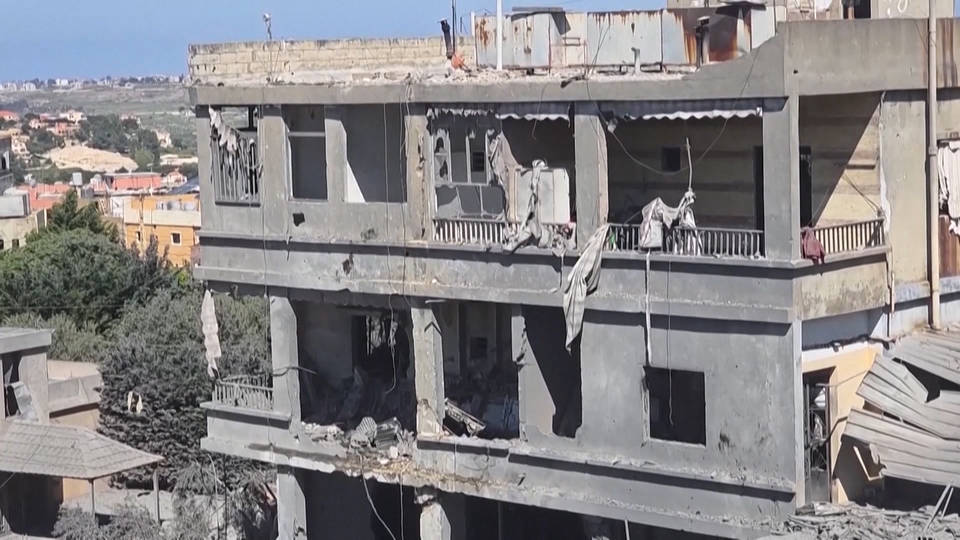
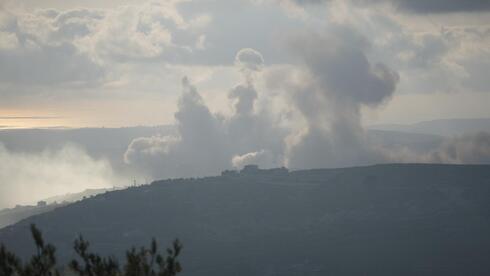
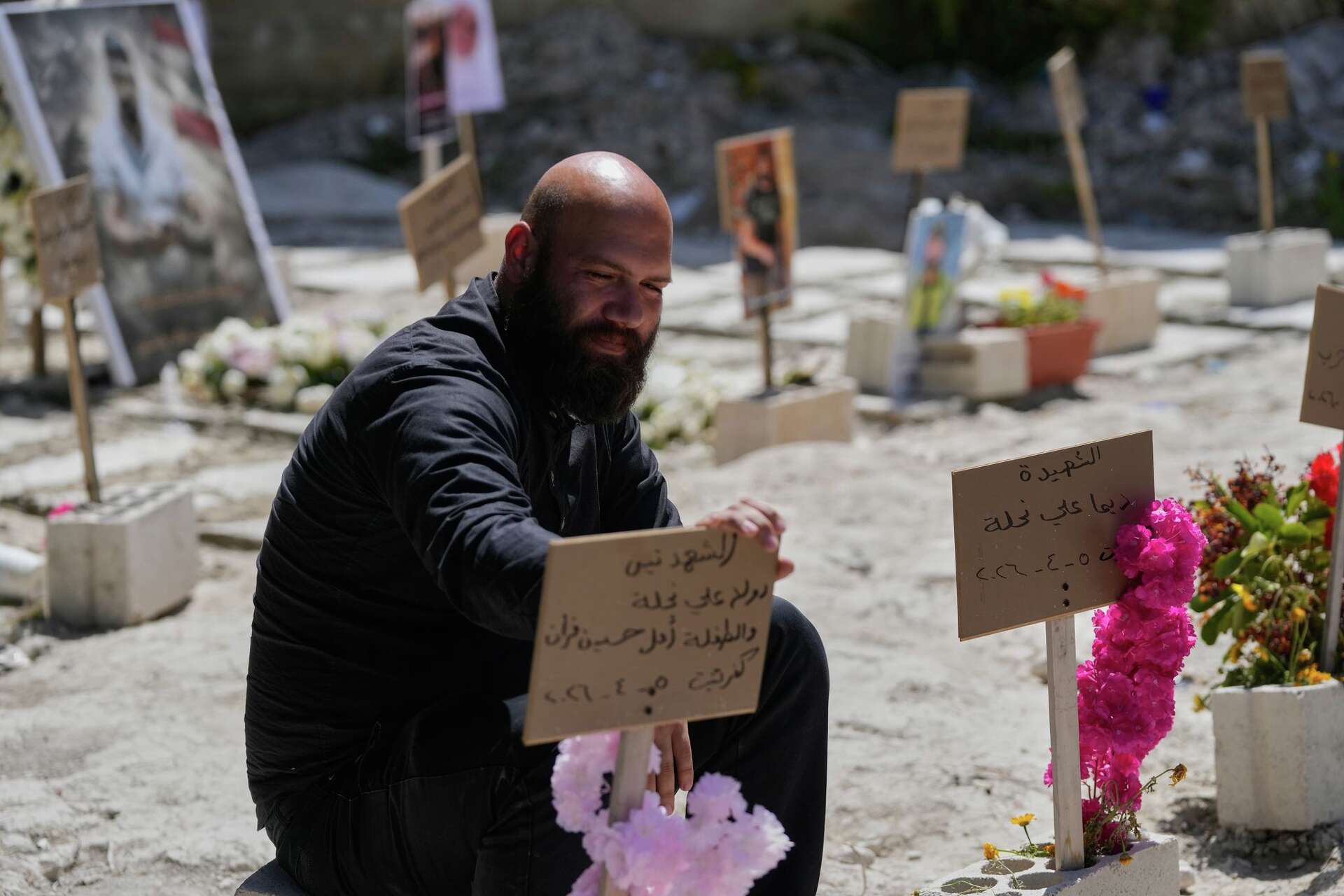
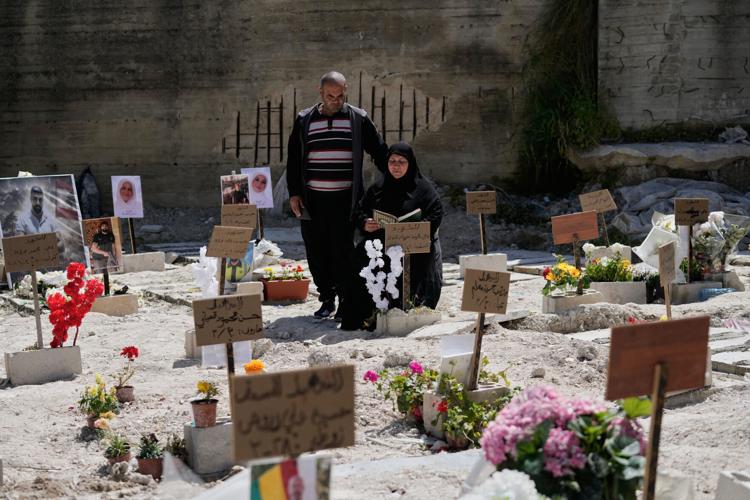
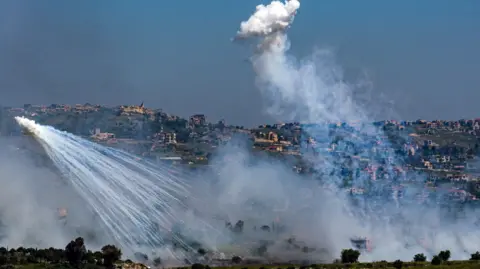
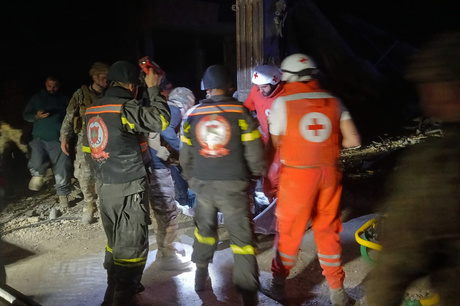
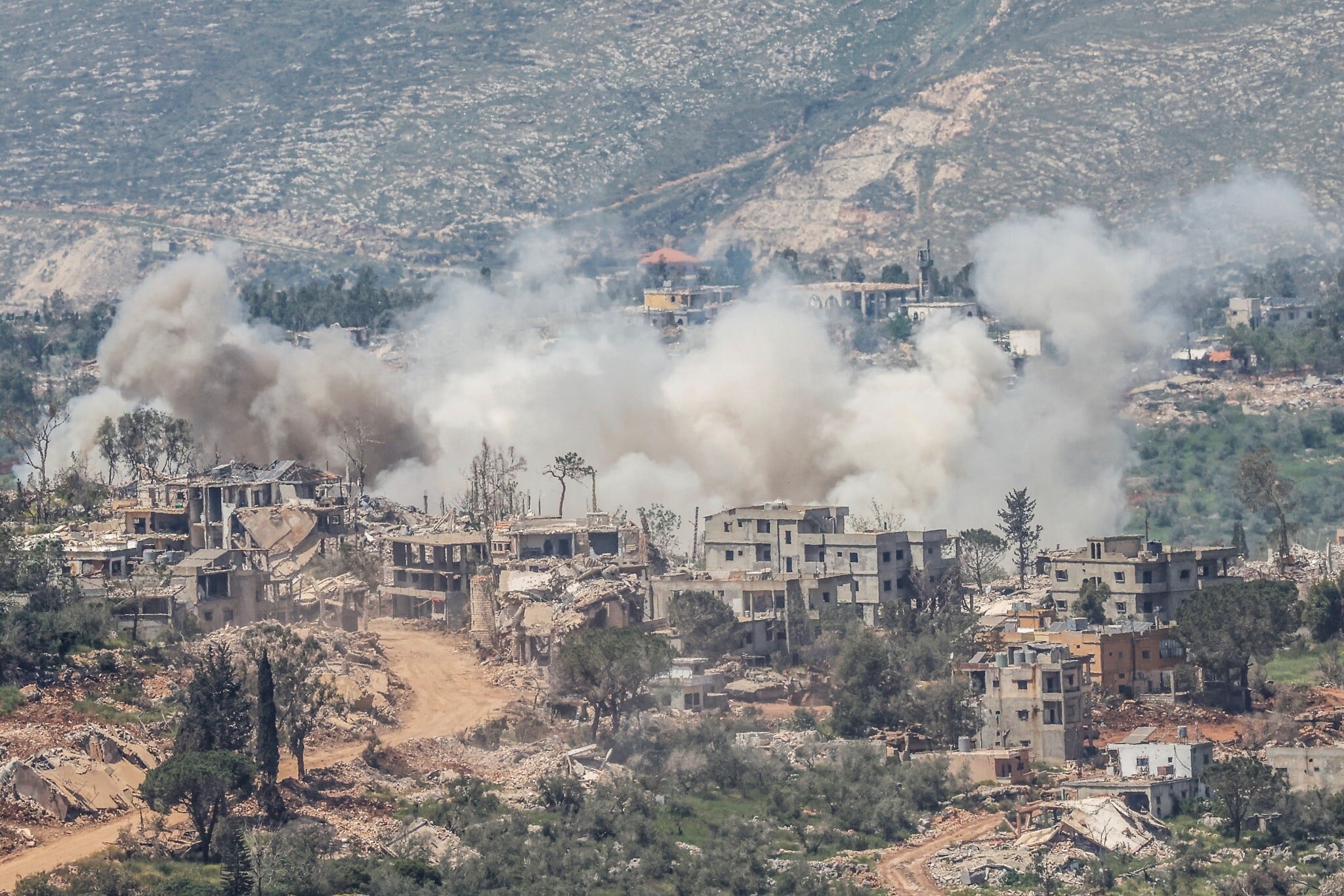
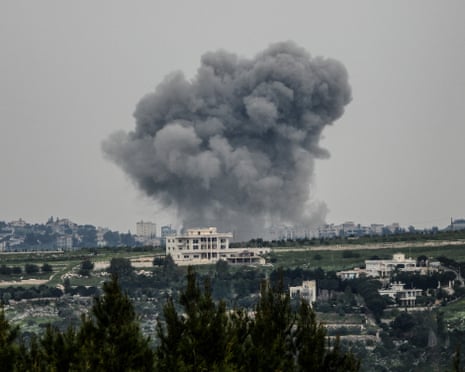
The escalating Israel-Lebanon conflict represents a critical supply chain disruption event for cross-border e-commerce sellers operating in or shipping to the Middle East region. Since March 2, 2024, military operations have resulted in 2,586+ deaths and systematic destruction of civilian infrastructure across 55 Lebanese towns and villages, with 62,000+ homes damaged or destroyed. Most critically for sellers, all major bridges over the Litani River and the Qasmiyeh bridge—the last remaining crossing to southern Lebanon—have been destroyed, effectively severing critical logistics corridors that connect Mediterranean ports to inland distribution networks.
For cross-border sellers, this infrastructure collapse creates immediate operational challenges. Lebanon's Port of Beirut and Tripoli remain functional but face severely constrained access due to damaged road networks. Sellers relying on Lebanese 3PL providers, warehousing facilities, or transit routes through southern Lebanon to reach Syria, Jordan, and Iraq markets now face 30-60 day shipping delays compared to normal 7-14 day timelines. The destruction of water and electricity infrastructure documented by Oxfam and humanitarian organizations indicates broader supply chain vulnerability—warehouses without reliable power cannot maintain temperature-controlled storage for electronics, pharmaceuticals, or perishables, forcing sellers to reroute shipments through alternative (and more expensive) corridors via Turkey or Egypt.
The ceasefire announced April 16 remains fragile and non-binding. IDF Chief of Staff Lt. Gen. Eyal Zamir explicitly stated "there is no ceasefire" in southern Lebanon, with ongoing strikes continuing despite diplomatic efforts. This uncertainty creates unquantifiable risk for sellers planning inventory positioning. The forced displacement of 15+ villages and Israeli occupation plans lasting "months or years" (compared to previous 18-year occupation) suggest infrastructure recovery timelines extending into 2026-2027. Sellers with existing inventory in Lebanese warehouses face potential loss or extended lockdown, while those planning regional expansion must immediately reassess market entry strategies and 3PL partnerships in the region.
Strategic implications extend beyond Lebanon. The conflict demonstrates vulnerability of Middle East logistics networks to geopolitical disruption. Sellers should diversify away from single-country distribution hubs, evaluate alternative ports (Istanbul, Port Said, Jeddah), and stress-test supply chains for 60+ day disruption scenarios. Regional demand for reconstruction materials, emergency supplies, and humanitarian goods may create short-term category opportunities (building materials, medical supplies, water purification systems), but only for sellers with alternative logistics capabilities outside conflict zones.
Questions 8
How does the Lebanon infrastructure destruction affect sellers shipping to Middle East markets?
The destruction of all major bridges over the Litani River and the Qasmiyeh bridge—the last crossing to southern Lebanon—has severed critical logistics corridors connecting Mediterranean ports to inland distribution networks. Sellers relying on Lebanese 3PL providers or transit routes now face 30-60 day shipping delays (vs. normal 7-14 days) and 15-25% cost increases due to forced rerouting through Turkey or Egypt. Warehouses without electricity cannot maintain temperature-controlled storage, forcing sellers to relocate inventory or accept spoilage risk. Immediate action: audit your 3PL contracts for force majeure clauses and identify alternative distribution hubs in Turkey (Istanbul ports) or Egypt (Port Said) within 14 days.
Which product categories face the highest supply chain risk in the Middle East?
Temperature-sensitive categories (electronics, pharmaceuticals, perishables) face the highest risk due to destroyed electricity infrastructure documented by Oxfam. Warehouse facilities without reliable power cannot maintain cold chains, forcing sellers to accept spoilage or reroute through expensive air freight. Building materials, medical supplies, and water purification systems face opposite risk—high demand from reconstruction but constrained supply due to logistics collapse. Sellers in electronics and apparel should immediately diversify away from Lebanese warehousing. Sellers in emergency goods categories (medical supplies, water filters, generators) should evaluate whether demand spikes justify premium logistics costs through alternative routes.