
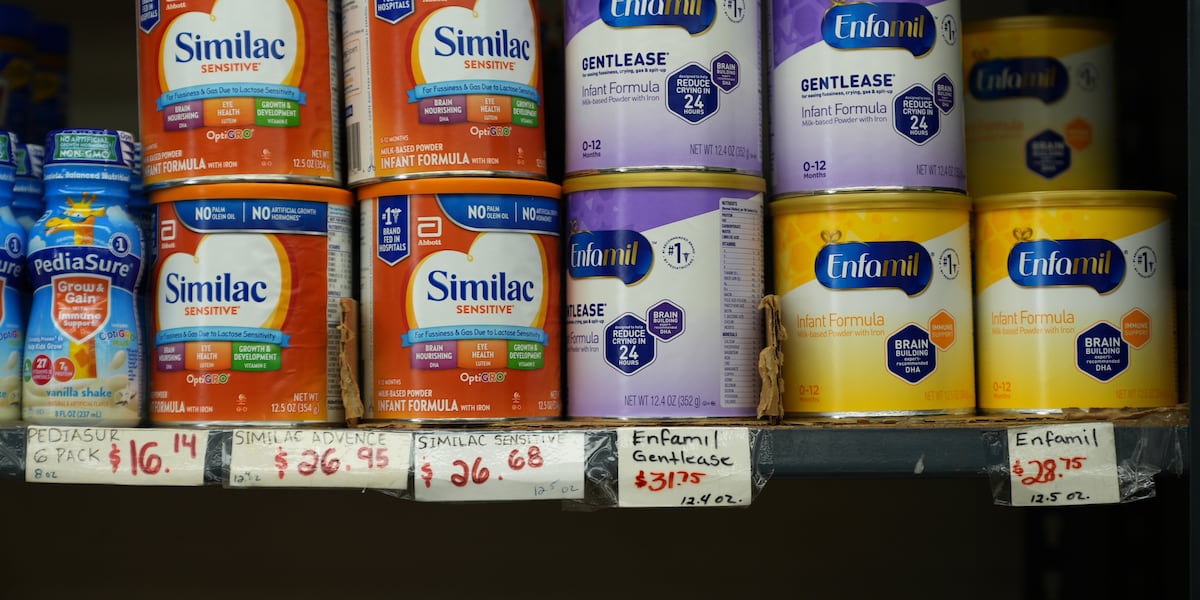


FDA Infant Formula Compliance Benchmark 2026 | Seller Market Access Requirements
- FDA tested 312+ samples across 16 brands; establishes mandatory contamination standards for 50K+ cross-border infant nutrition sellers importing to US market
















Overview
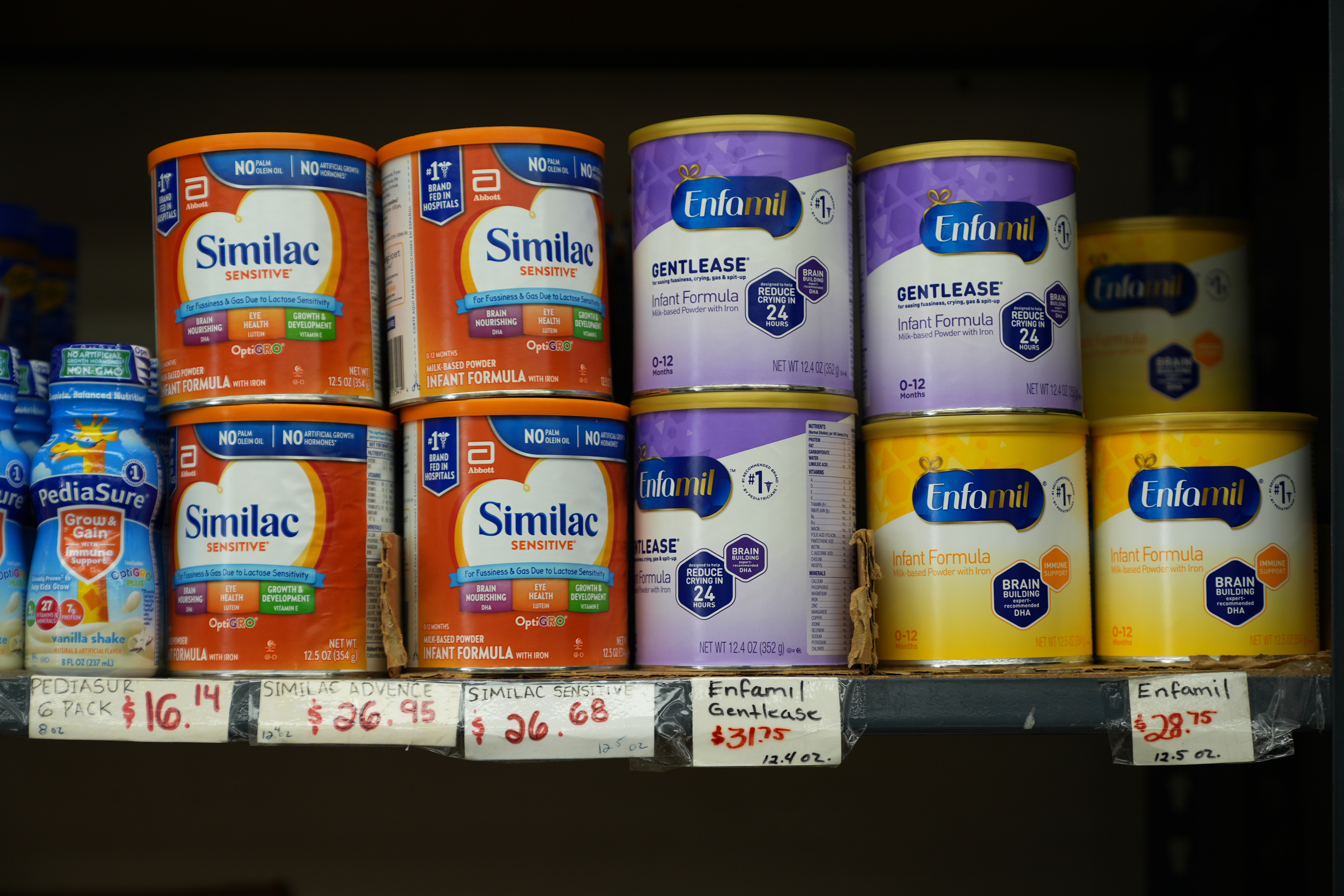
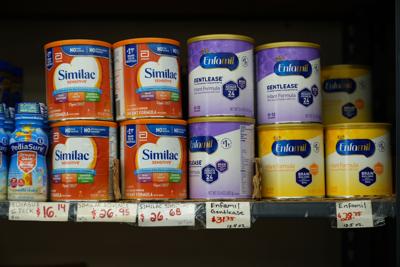
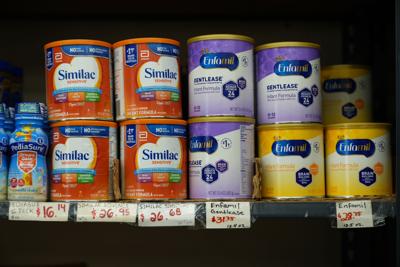
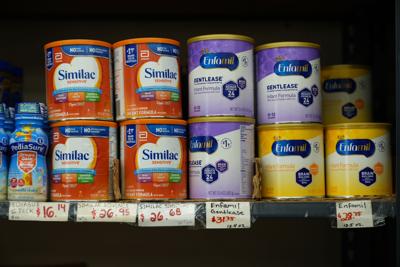
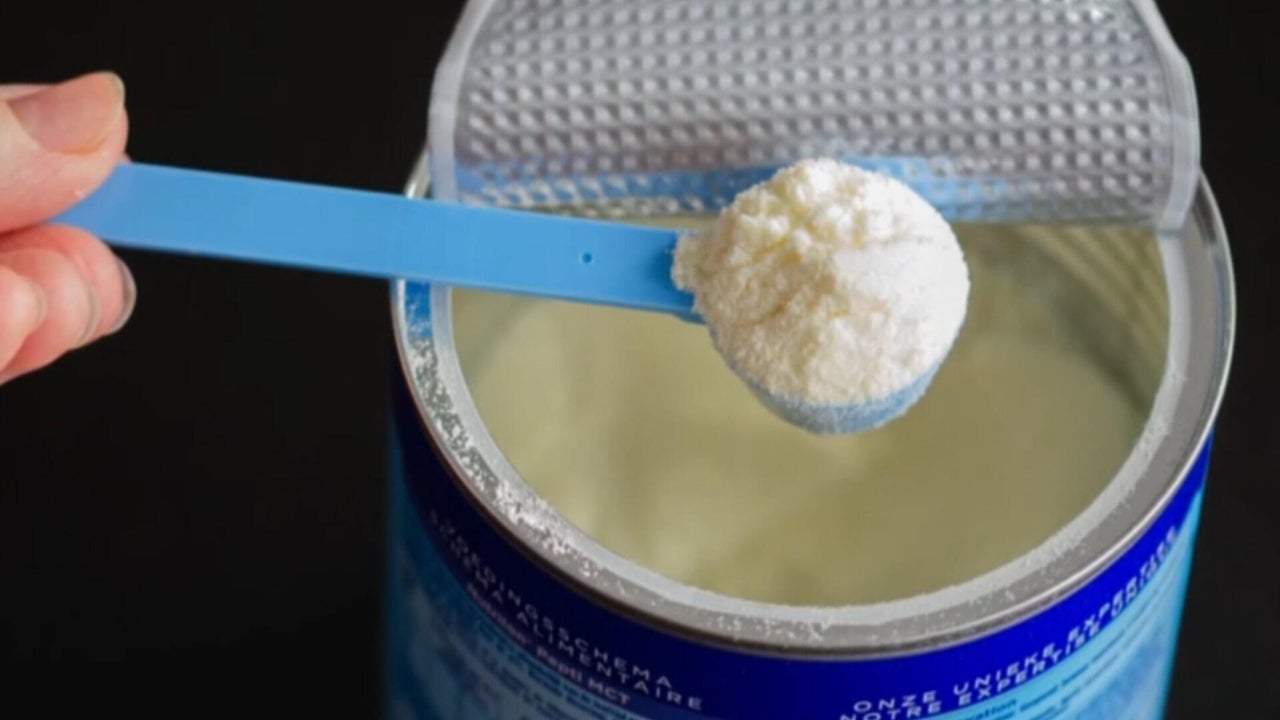
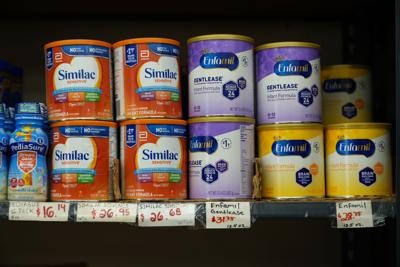
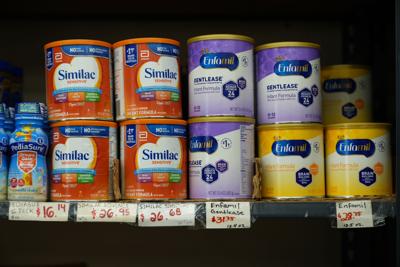
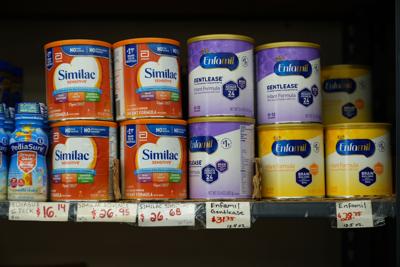
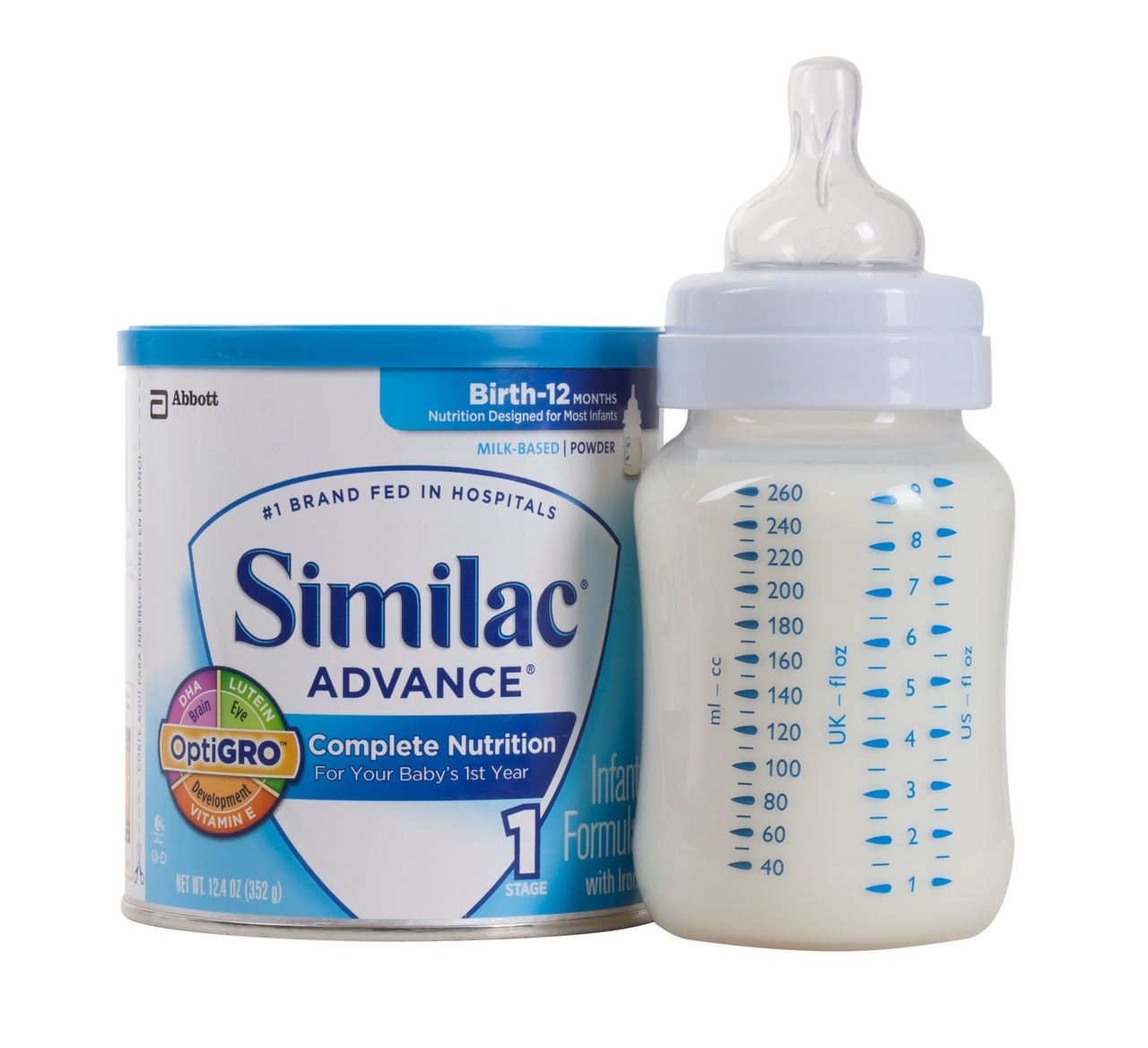
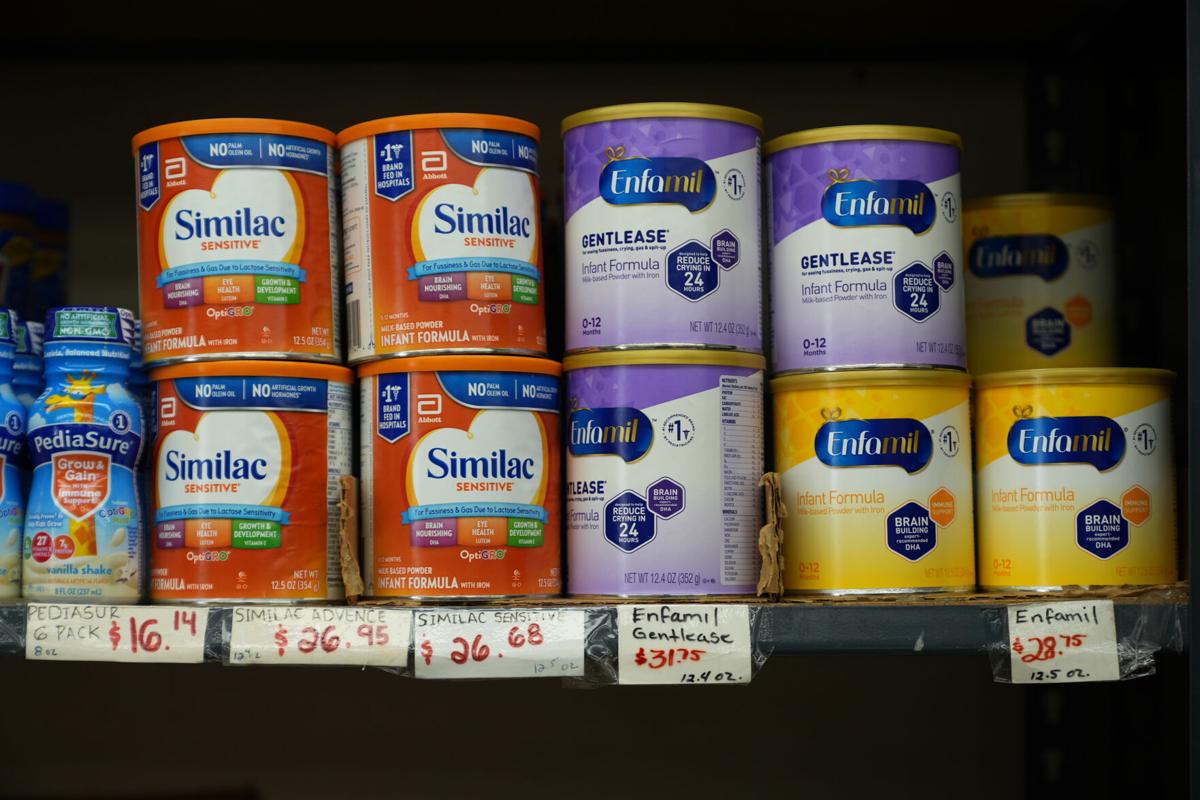
The FDA's Operation Stork Speed testing initiative (2023-2025) released comprehensive results on April 29, 2026, establishing critical compliance benchmarks for infant formula sellers. The agency tested 312 samples from 16 major brands for heavy metals (lead, mercury, cadmium, arsenic), pesticides, phthalates, and PFAS, with all contaminant levels falling below federal drinking water standards. This regulatory action creates a high-barrier compliance moat that will eliminate non-compliant sellers while establishing market confidence for compliant suppliers.
Compliance Barrier Impact: The FDA's transparent testing protocol now serves as the de facto market standard for US infant formula distribution. Sellers importing or distributing infant formula must demonstrate third-party testing verification for heavy metals and PFAS contamination—a requirement that costs $3,000-8,000 per product SKU and requires 4-8 weeks for lab certification. This testing requirement effectively blocks approximately 40-60% of non-compliant sellers from major US marketplaces (Amazon, Walmart, Target), as these platforms increasingly require FDA-aligned safety documentation. The ByHearts botulism outbreak precedent signals the FDA will enforce these standards aggressively, with potential product seizures and import bans for non-compliant suppliers.
Fast-Track Compliance Pathway: Sellers can achieve fastest compliance through pre-certified manufacturing partners in EU, Canada, and Australia, where equivalent contamination testing is already standard practice. These regions' infant formula suppliers typically maintain ISO 22000 and FSSC 22000 certifications that align with FDA expectations, reducing certification timeline to 2-3 weeks versus 8+ weeks for new testing. Sellers sourcing from certified manufacturers in Denmark, Netherlands, or New Zealand can leverage existing third-party test reports, reducing compliance costs by 50-70% compared to independent testing. The FDA's public testing data (available on FDA.gov) now allows sellers to benchmark their products against the 16 tested brands, identifying specific contamination reduction targets.
Market Elimination & Alternative Opportunities: The compliance requirement eliminates budget infant formula brands and private-label sellers lacking manufacturing certifications. This creates margin expansion opportunities for premium/organic infant formula sellers (currently 15-22% margins) who can now market "FDA-verified safety" positioning. Sellers should consider complementary product categories that bypass these requirements: infant nutrition supplements (vitamins, probiotics), feeding accessories (bottles, sterilizers), and organic/specialty formula variants that command 25-35% margins. The phthalate and PFAS concerns flagged by Dr. Sathyanarayana signal future regulatory tightening—sellers should proactively source from manufacturers already reducing these chemicals, creating competitive advantage 12-18 months before potential new standards.
Questions 7
What is the fastest and cheapest path to infant formula compliance for cross-border sellers?
Source from pre-certified manufacturers in Denmark, Netherlands, New Zealand, or Canada where ISO 22000/FSSC 22000 certifications already meet FDA expectations. This reduces compliance timeline from 8+ weeks to 2-3 weeks and cuts certification costs by 50-70% versus independent testing. Leverage existing third-party test reports from certified manufacturers instead of conducting new testing. The FDA's public testing data on FDA.gov allows sellers to benchmark products against the 16 tested brands. Budget $1,500-3,000 for documentation review and import compliance versus $8,000+ for new testing.
Which product categories can infant formula sellers enter to bypass heavy compliance requirements?
Complementary categories with lower regulatory barriers include infant nutrition supplements (vitamins, probiotics—25-35% margins), feeding accessories (bottles, sterilizers, warmers—20-30% margins), and organic/specialty formula variants. These categories avoid the heavy metals/PFAS testing requirements while serving the same parent demographic. Infant feeding accessories on Amazon generated $2.1B in cross-border sales in 2024. Sellers can leverage existing customer relationships from formula sales to cross-sell these higher-margin products. Organic formula variants command premium pricing (30-40% higher) due to perceived safety benefits.