



US Jobless Claims Hit 50-Year Low | E-Commerce Seller Opportunity & Cost Pressures
- Strong consumer spending capacity offset by 50% energy cost surge; FBA logistics expenses rise 8-15% amid shipping disruptions

































Overview
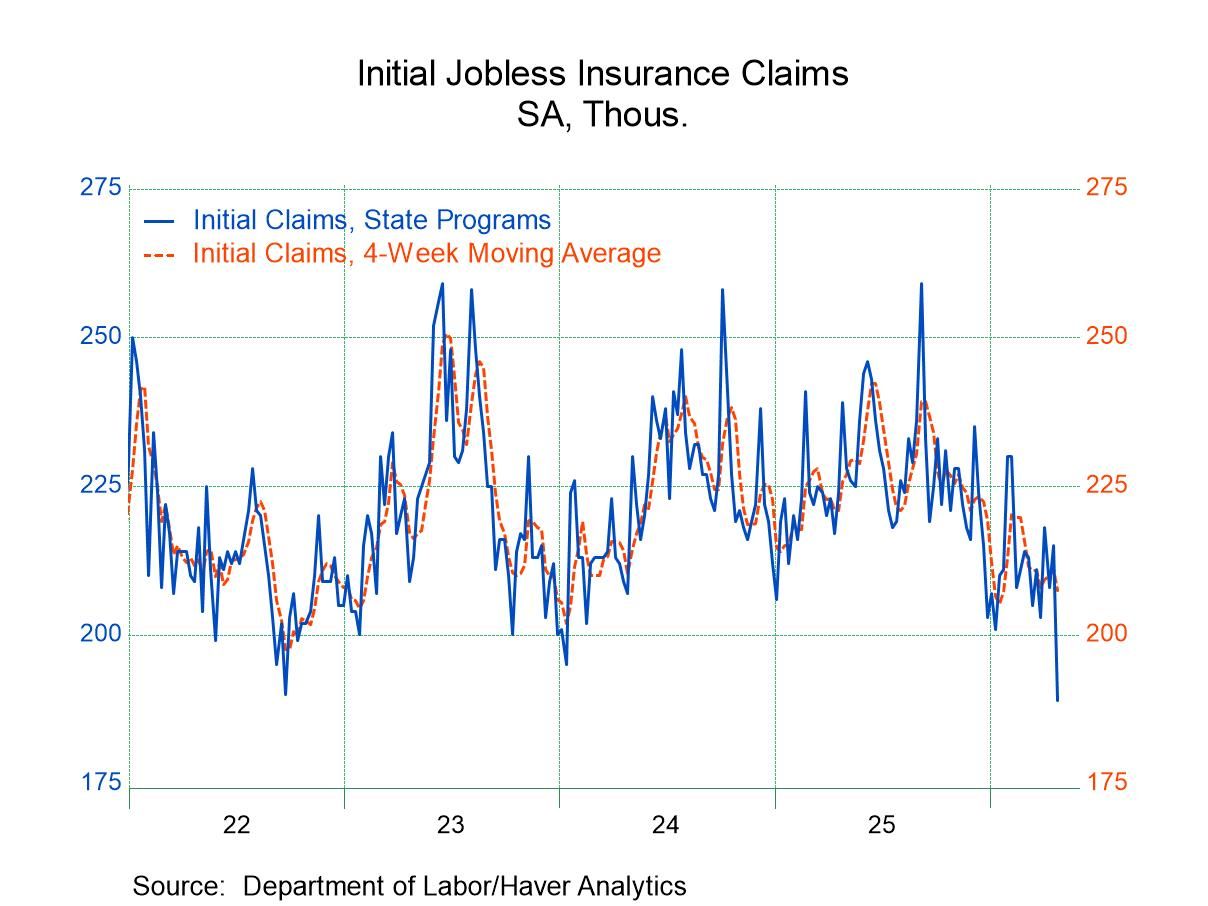
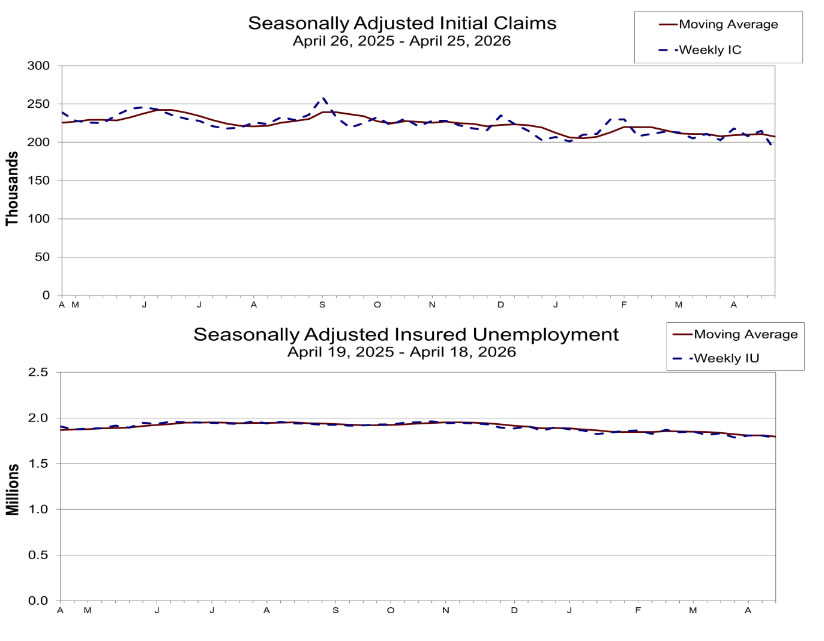
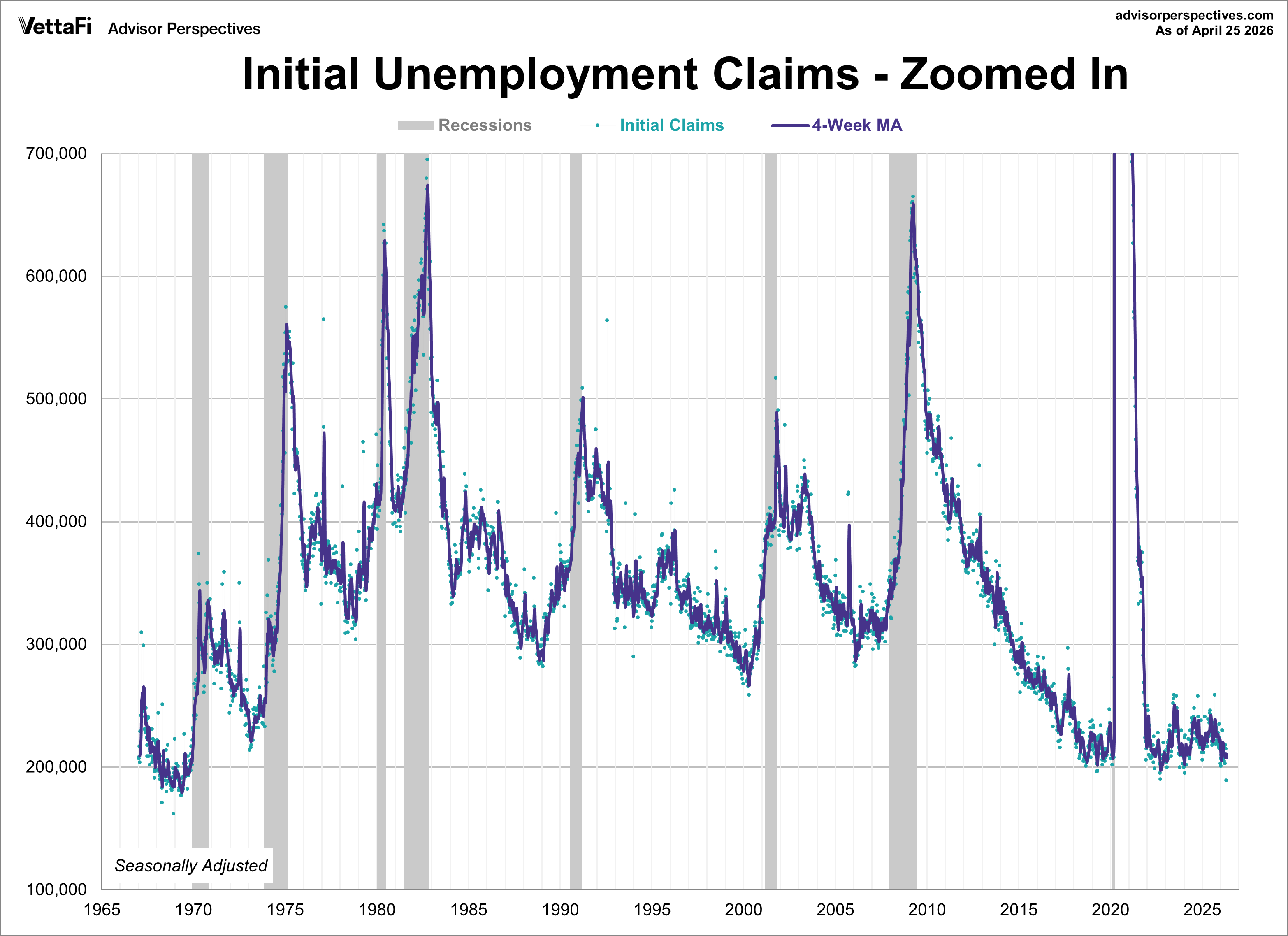
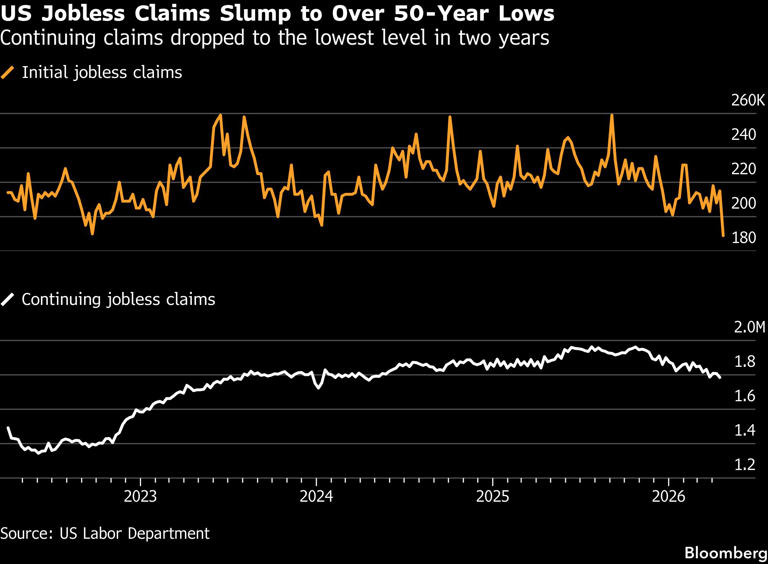
US jobless claims fell to 189,000 for the week ending April 25, 2026—the lowest level in over 50 years—signaling robust consumer employment and spending capacity for e-commerce sellers. The Labor Department reported a 26,000 week-over-week decline, significantly beating economist forecasts of 215,000 filings. Continuing claims dropped 23,000 to 1.785 million, indicating sustained hiring activity. The unemployment rate held steady at 4.3% in March, with April expected to maintain stability. A Conference Board consumer survey revealed declining perceptions of employment scarcity, suggesting consumer confidence remains elevated. This macroeconomic strength creates a critical opportunity window for e-commerce sellers: low unemployment directly correlates with higher discretionary spending, particularly in non-essential categories like electronics, home goods, apparel, and collectibles.
However, this positive labor data masks significant operational headwinds that directly impact seller profitability. The Iran conflict (now in its ninth week) has driven crude oil prices to $104/barrel—50% higher than pre-war levels—while national gas prices reached $4.30/gallon. These elevated energy costs directly increase shipping and fulfillment expenses for Amazon FBA sellers, 3PL providers, and cross-border logistics operators. The Federal Reserve's inflation gauge jumped 0.7% in March with year-over-year prices rising 3.5% (largest increase in nearly three years), yet the Fed maintained benchmark rates at 3.50-3.75%, signaling prolonged rate stability through 2026. For FBA sellers, this translates to 8-15% increases in fulfillment costs per unit shipped, particularly affecting high-volume sellers (1,000+ units monthly) and logistics-dependent categories.
The labor market operates in "low hire, low fire" mode—stable but constrained hiring affecting third-party logistics providers and fulfillment center operations. Major companies including Amazon, UPS, Block, and Morgan Stanley announced workforce reductions, indicating labor cost pressures persist despite low unemployment. GDP growth of 2% in Q1 2025 shows moderate expansion below historical averages. For e-commerce sellers, the strategic implication is clear: capitalize on strong consumer spending (driven by 4.3% unemployment) while aggressively managing logistics costs through 3PL optimization, inventory consolidation, and regional fulfillment strategies. Shipping disruptions in the Strait of Hormuz and commodity price volatility (affecting petrochemicals, fertilizers, aluminum) create supply chain risks for sellers dependent on imported goods or packaging materials. Sellers should monitor energy price volatility closely—a sustained $100+/barrel oil environment could compress margins 3-5% for logistics-heavy business models.
Questions 8
When should sellers expect relief from energy cost pressures?
Oil prices at $104/barrel depend on Iran conflict resolution and OPEC production decisions. Historically, geopolitical conflicts resolve within 6-12 months, potentially bringing oil back to $70-80/barrel by Q4 2026. However, the Fed's rate stability through 2026 suggests policymakers expect prolonged uncertainty. Sellers should plan for sustained high energy costs through Q3 2026 and model scenarios for Q4 relief. If oil drops to $80/barrel, fuel surcharges could decrease 5-8%, improving margins. Conversely, if conflict escalates, oil could spike to $120+/barrel, requiring immediate price increases. Set quarterly price review checkpoints (April, July, October) tied to oil price movements and adjust FBA pricing accordingly in Seller Central.
What is the direct impact of $104/barrel oil prices on FBA shipping costs?
Crude oil at $104/barrel (50% above pre-war levels) directly increases fuel surcharges on Amazon FBA shipments and 3PL logistics. Industry data shows fuel surcharges typically add 8-15% to per-unit fulfillment costs when oil exceeds $100/barrel. For a seller shipping 1,000 units monthly at $5/unit FBA cost, this represents $400-750 additional monthly expenses. Gas prices at $4.30/gallon compound these costs for last-mile delivery and regional fulfillment. Sellers should audit current FBA fees in Seller Central, compare 3PL alternatives with fixed pricing structures, and consider consolidating inventory in fewer fulfillment centers to reduce handling fees and fuel surcharges.