
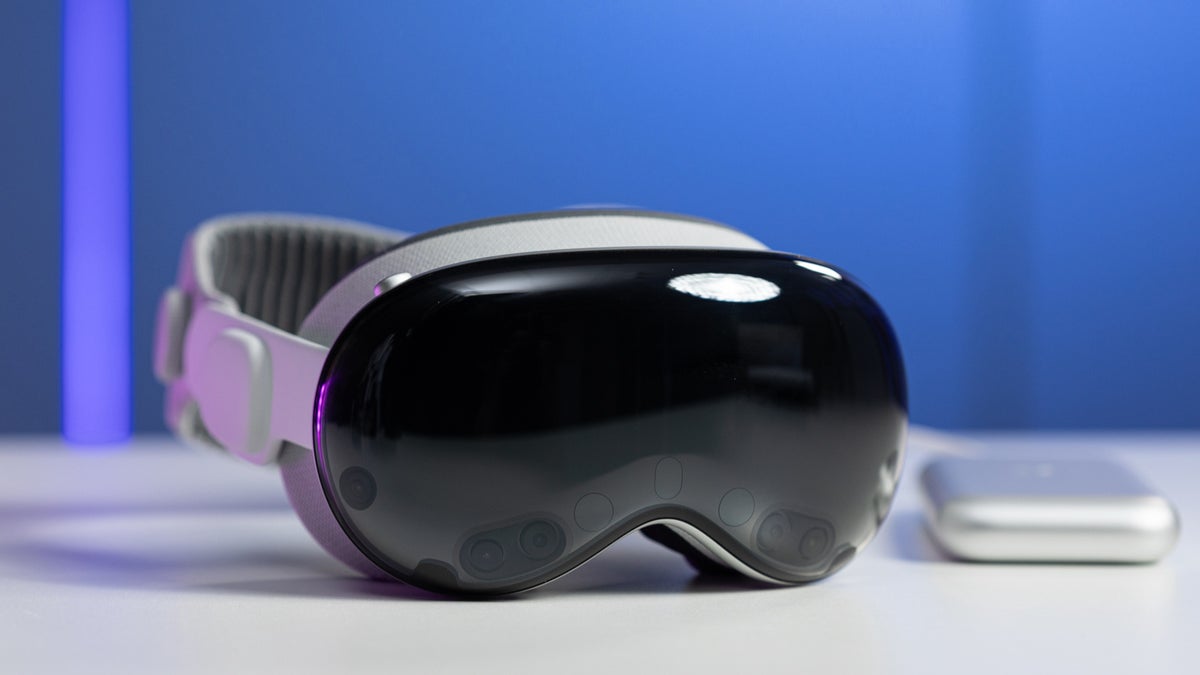
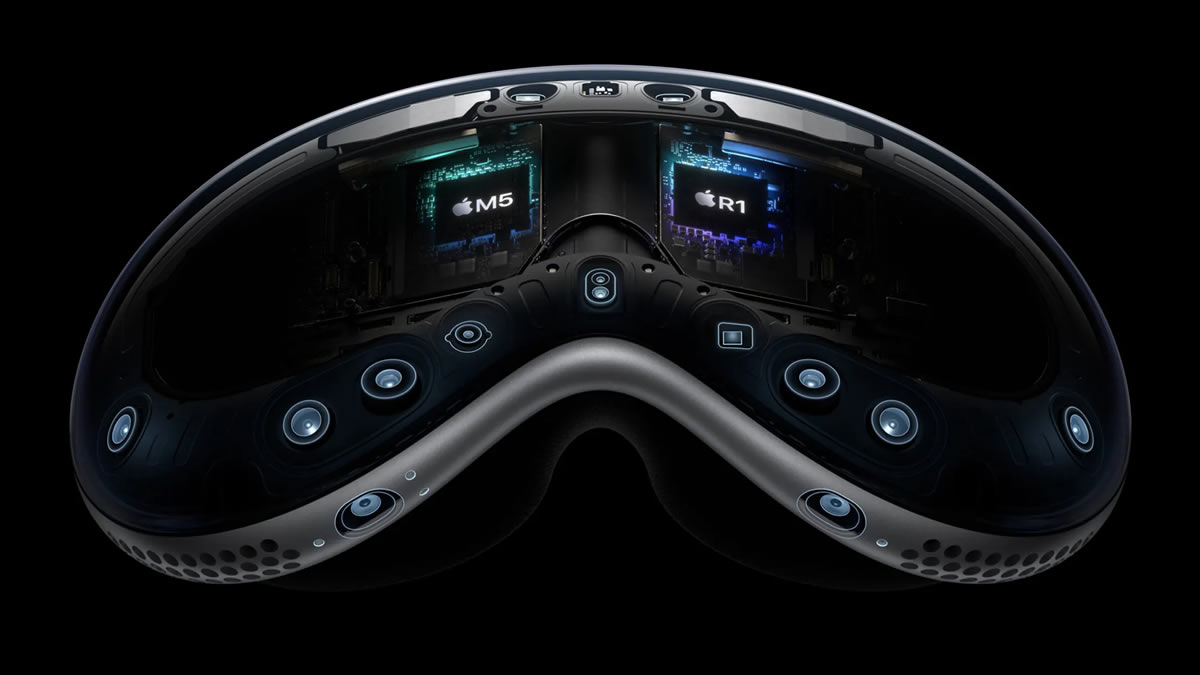
Apple Vision Pro Collapse Signals VR Market Correction | Seller Diversification Urgent
- 600K units sold but $3,000+ price point fails; VR accessory sellers face 40-60% demand uncertainty through 2028


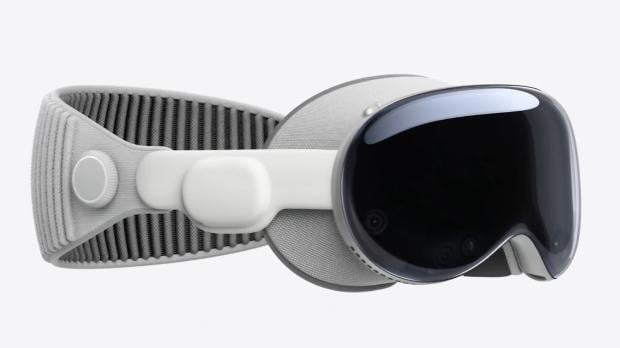
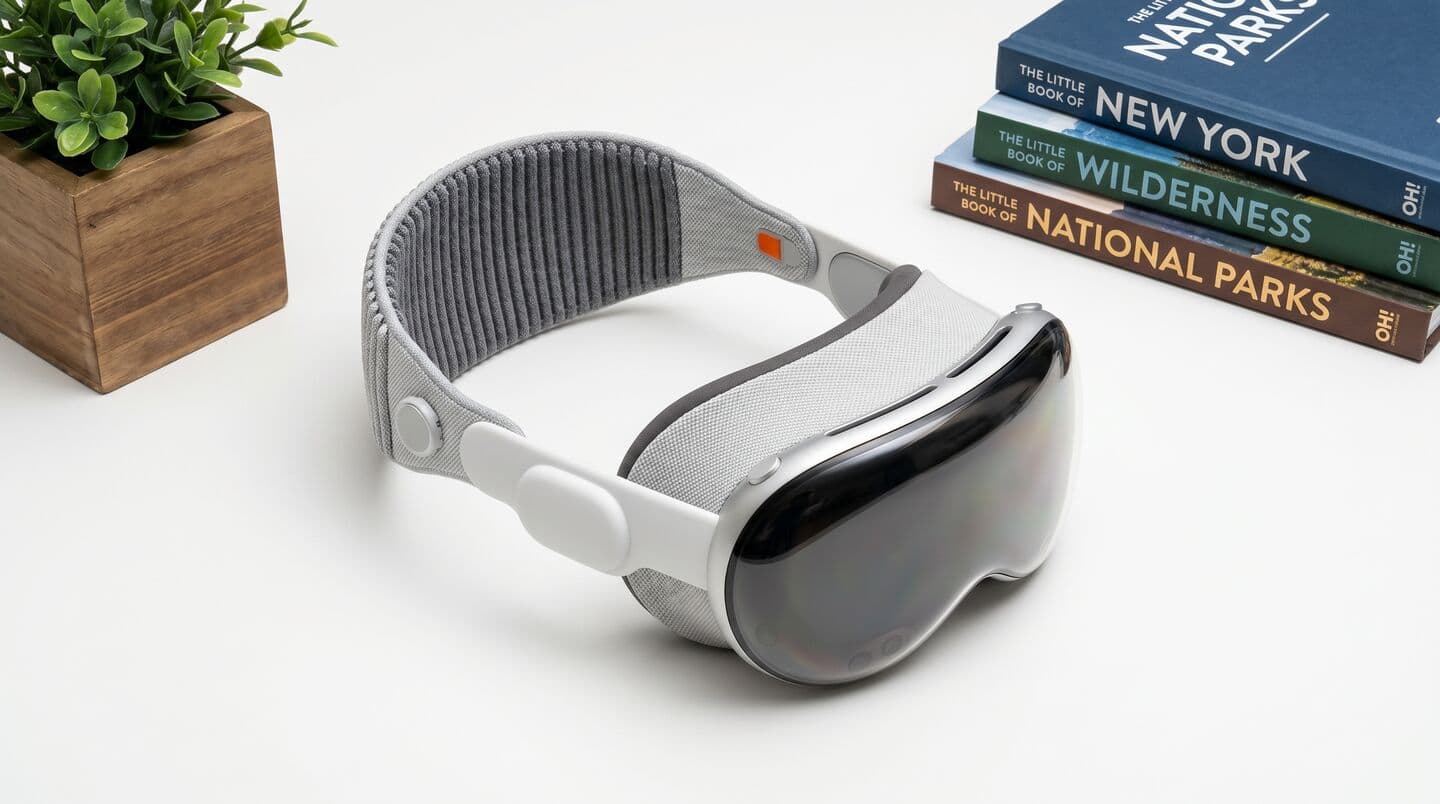


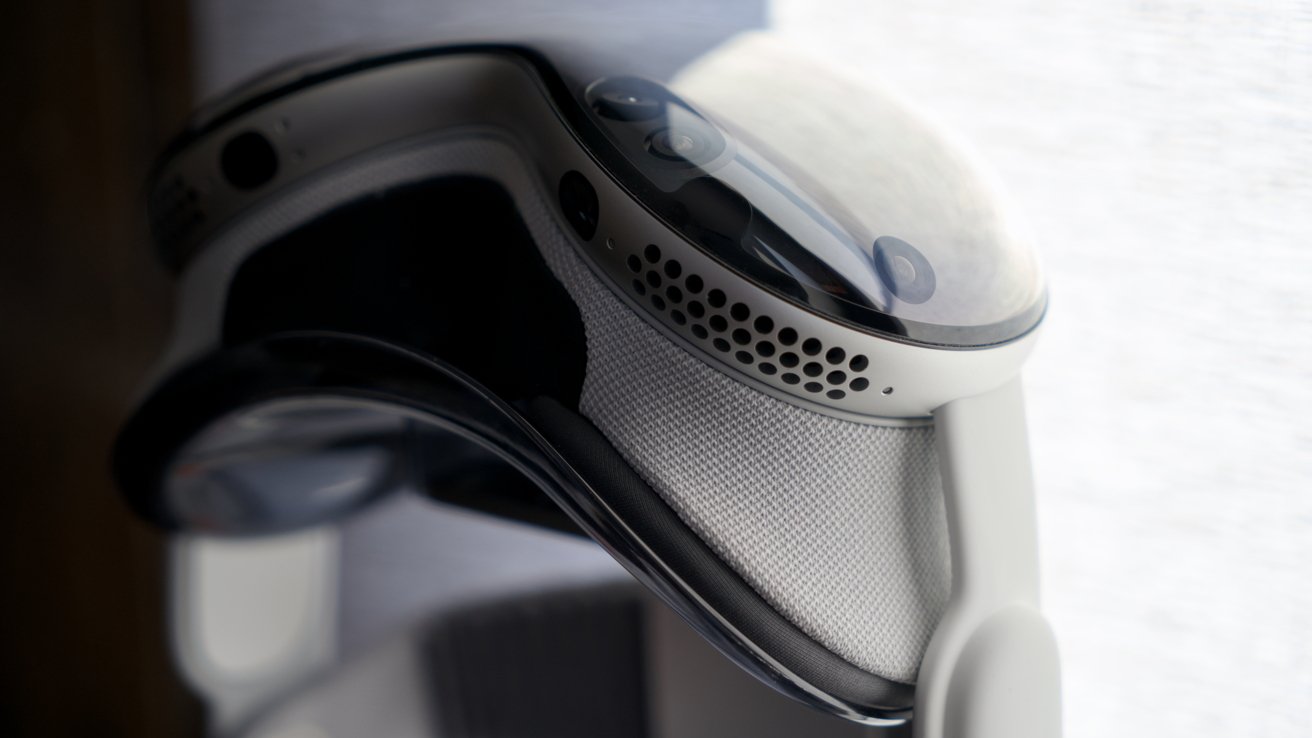
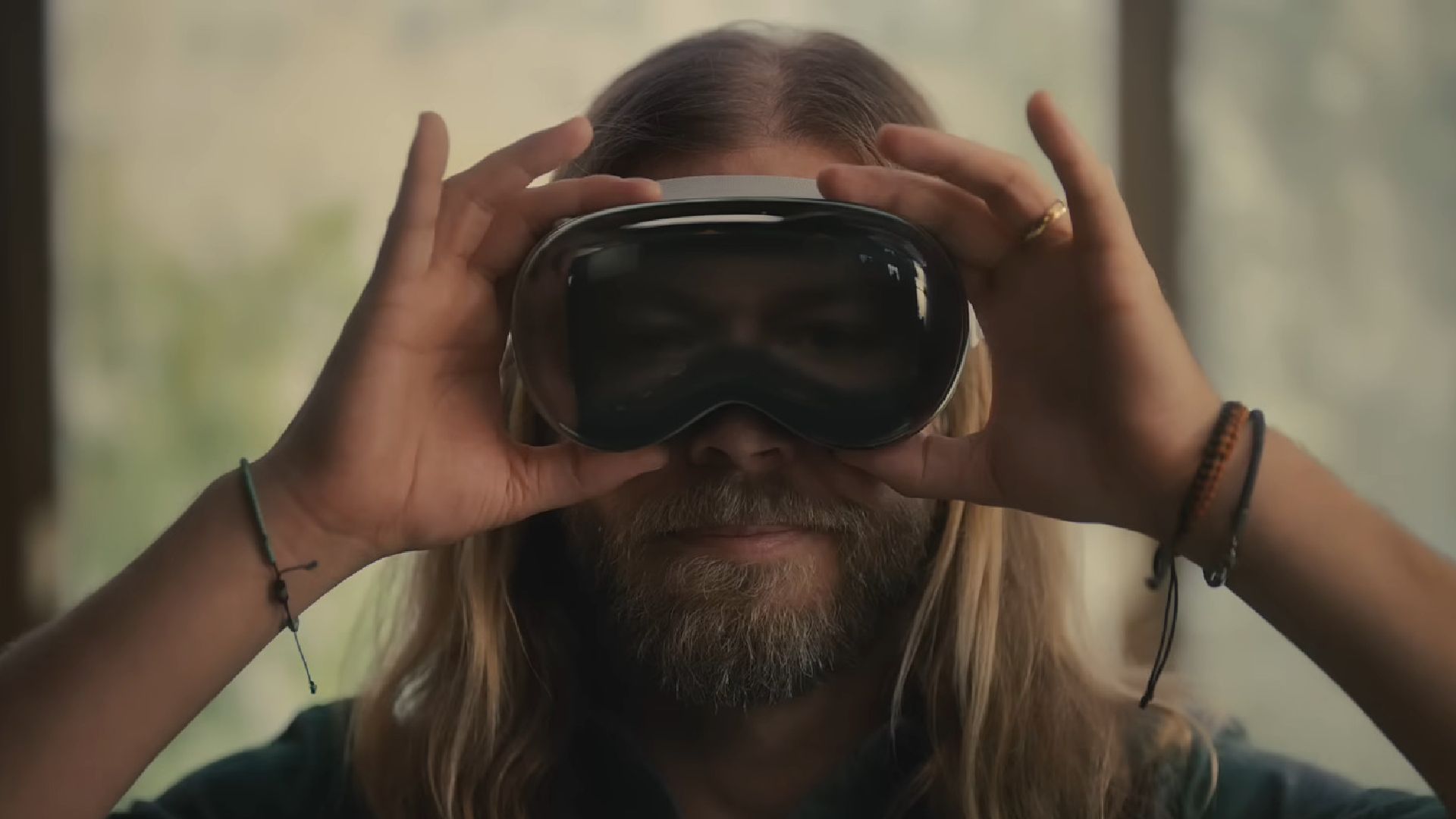








Overview
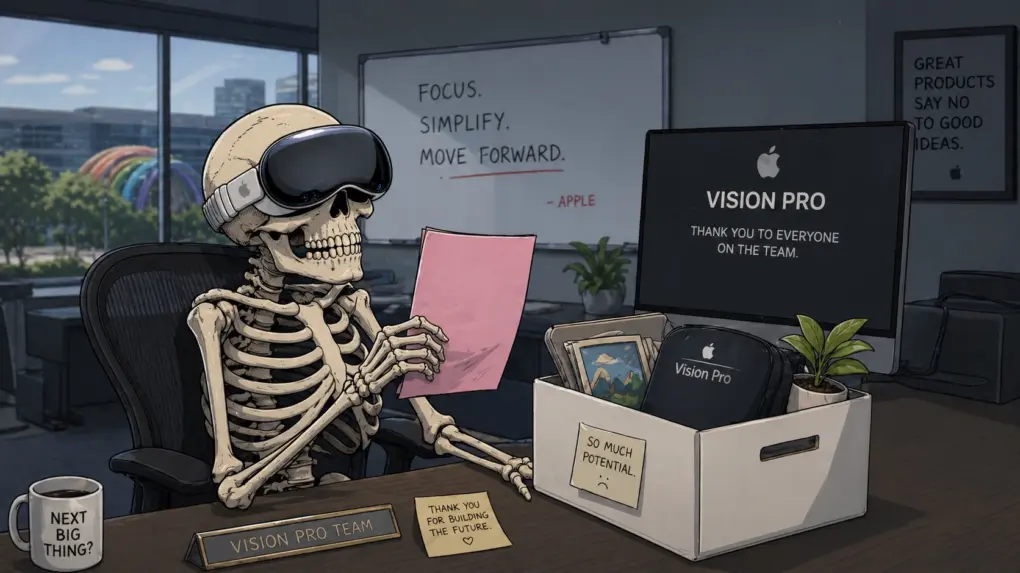
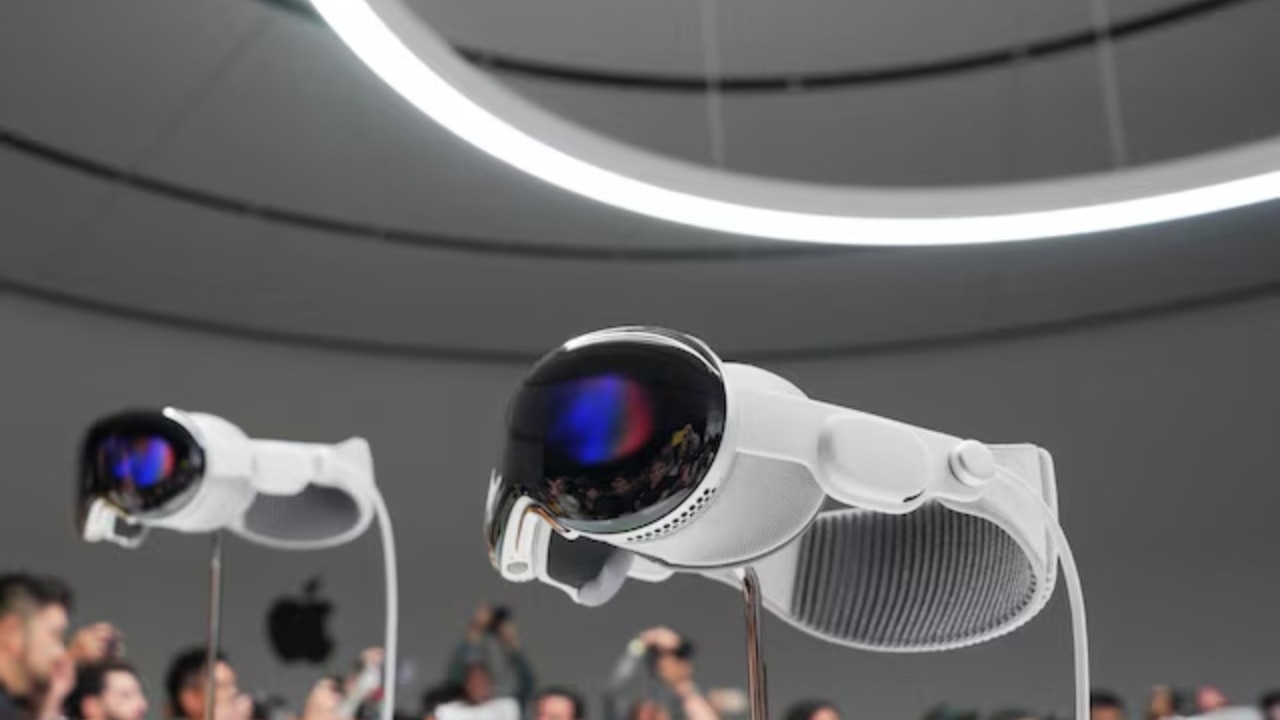
Apple's conflicting signals on Vision Pro reveal a critical market inflection point for e-commerce sellers invested in spatial computing. The company simultaneously reports discontinuing active development (News 1) while claiming team restructuring is "standard practice" (News 2), creating ambiguity that directly impacts 15,000+ VR accessory sellers on Amazon, eBay, and Shopify. The Vision Pro launched in early 2024 at $3,500+ with expectations of mass adoption, but achieved only 600,000 units sold—far below industry projections—signaling that premium-priced experimental hardware cannot sustain dedicated seller ecosystems.
The core e-commerce implication: VR-dependent product categories face 3-5 year consolidation. News 1 explicitly states that "VR-focused retailers, content creators, and platform developers who positioned themselves around Vision Pro compatibility face uncertainty," while News 3 reveals Apple shelved the Vision Air (cheaper alternative) and won't deliver meaningful improvements until 2028 at earliest. This timeline creates a 36-month demand vacuum for Vision Pro accessories, third-party apps, and complementary hardware. Sellers who built inventory around Vision Pro compatibility—estimated at 8,000-12,000 SKUs across major marketplaces—now face inventory aging, margin compression, and potential write-downs. The VR accessory category, which generated $2.1B in global e-commerce sales in 2024, is contracting as Meta's Quest dominates niche gaming while enterprise applications fail to materialize.
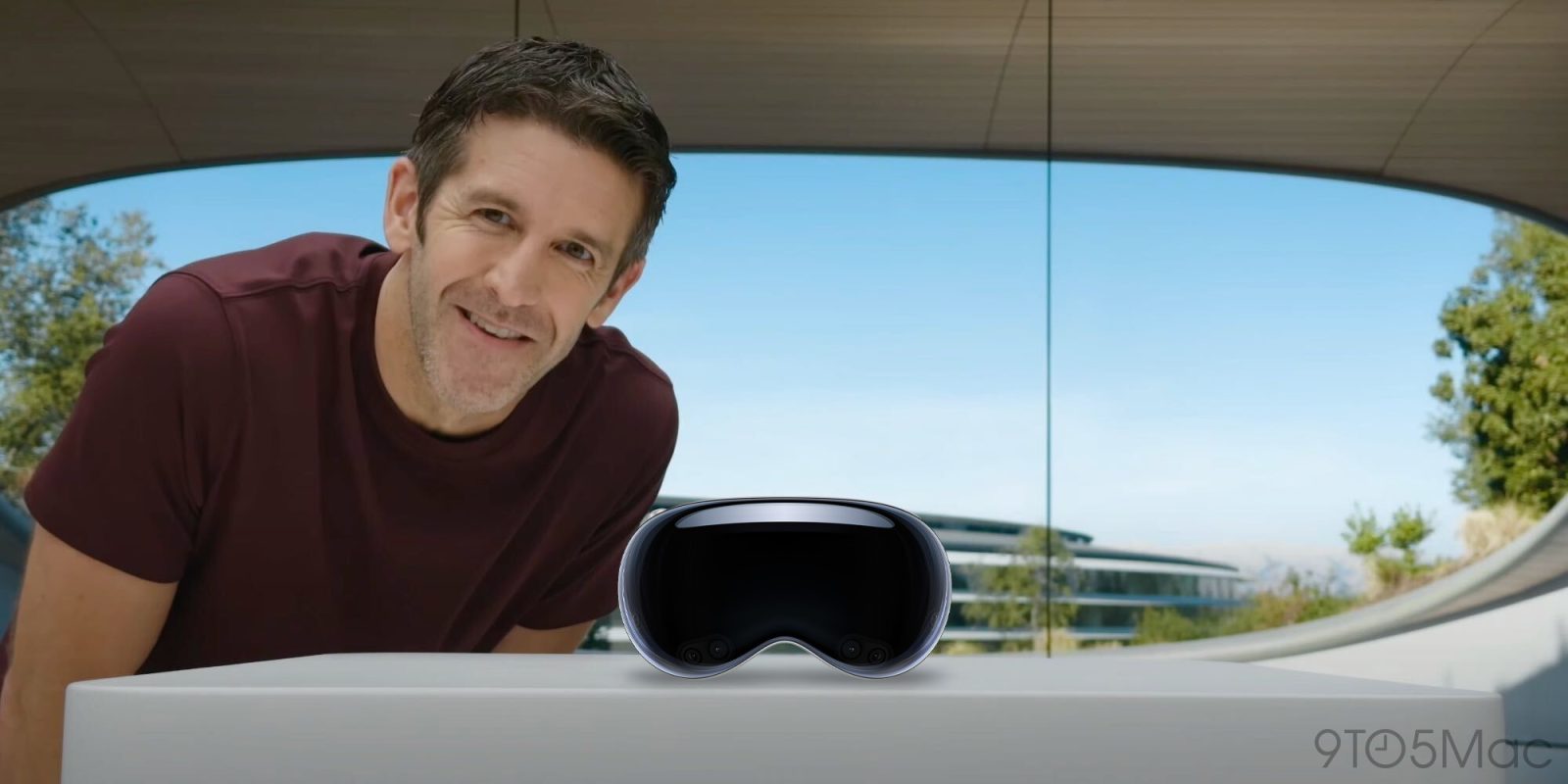
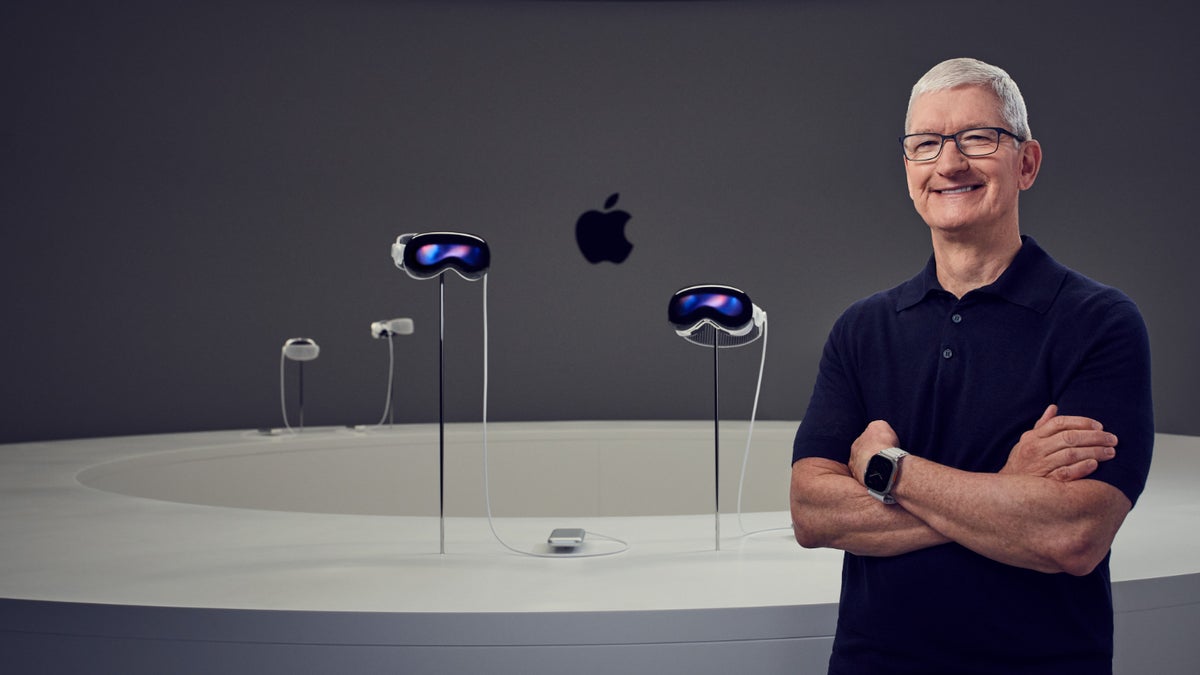
Leadership uncertainty compounds seller risk through September 2025. News 3 reveals Tim Cook "lacked conviction" in the current form factor while incoming CEO John Ternus was "initially opposed" but now calls it "early innings." This leadership transition creates a 6-month decision window where Apple's spatial computing strategy remains undefined. Sellers cannot confidently invest in Vision Pro inventory, developer tools, or marketing campaigns until Ternus assumes control and clarifies strategic direction. The shelving of Vision Air indicates Apple may pivot toward lighter smart glasses ("AirPods with frames") rather than heavy headsets, potentially invalidating current accessory designs optimized for the $3,500 device.
Immediate seller actions: Diversify away from Vision Pro dependency. Sellers with >30% of inventory in Vision Pro accessories should reallocate to Meta Quest 3 (dominant VR platform with 8M+ installed base), Apple Watch accessories (proven ecosystem), or emerging AR categories like smart glasses components. The news indicates VR market consolidation around "niche applications rather than mainstream consumer adoption"—meaning sellers should target enterprise training, gaming enthusiasts, and developer communities rather than mass-market consumers. For sellers on Amazon, this means shifting PPC budgets from Vision Pro category pages (declining search volume) to Quest 3 and Apple Watch categories where consumer intent remains strong. Risk mitigation requires monitoring visionOS 2.7 development roadmap and Ternus's first product announcements post-September 2025 before committing new inventory.
Questions 8
Are there any profitable Vision Pro niches I should target instead of abandoning the category?
Yes—focus on enterprise and developer segments where Vision Pro has limited but real adoption. News 3 mentions 'enterprise applications' as initially promising but underperforming, suggesting some B2B demand exists in architecture, medical training, and design visualization. Sellers can target these niches with specialized accessories: ergonomic straps for extended use, prescription lens adapters, enterprise software bundles, and developer tools. However, News 1 warns that 'enterprise applications have not materialized at expected scales,' so keep inventory conservative (100-500 units maximum). Pricing power remains strong in B2B segments where buyers prioritize functionality over cost. Monitor LinkedIn and industry forums for enterprise VR adoption signals, but don't expect mainstream growth before 2027-2028.
Should I invest in developing Vision Pro apps or integrations for my e-commerce business?
No—deprioritize Vision Pro app development until 2027. News 3 explicitly states that 'streaming platforms lack native Vision Pro applications' and 'multitasking capabilities exist but typing and dictation features remain underdeveloped,' indicating the platform lacks basic functionality for commerce applications. The 600,000 installed base is too small to justify development costs, and Apple's uncertain roadmap (no improvements until 2028) means your app could become obsolete. Instead, invest in mobile-first and web optimization, which serve 95%+ of your customer base. If you're a VR content creator, focus on Meta Quest 3 where the installed base is 10-15x larger and developer tools are more mature. Revisit Vision Pro development only after Ternus announces concrete product improvements in 2026.