



Game Developer Cost Crisis Signals Broader Indie Studio Consolidation | Seller Opportunities in Gaming Merchandise & Digital Products
- Monument Valley studio shifts from $7-10M budgets to contractor model; reflects industry-wide pressure affecting 26,000 UK game developers and creating opportunities for gaming merchandise, digital asset sales, and indie game distribution platforms



Overview
Ustwo Games' Strategic Pivot Reveals Critical Shifts in Digital Product Economics and Indie Studio Viability
Ustwo Games, the acclaimed developer behind Monument Valley, announced a fundamental restructuring moving from full-time employment to contractor-based operations—a decision that signals broader economic pressures reshaping the $200B+ gaming industry. CEO Maria Sayans revealed the studio previously operated with $7-10 million budgets across 3-4 year production cycles, which proved unsustainable after Netflix discontinued Monument Valley 3 publishing support and major publisher deals (Apple, Netflix) declined. The studio is reducing core staff from 40 to under 30 employees while shifting all future growth to contractors and co-development partnerships.
This restructuring creates three distinct e-commerce opportunities for sellers:
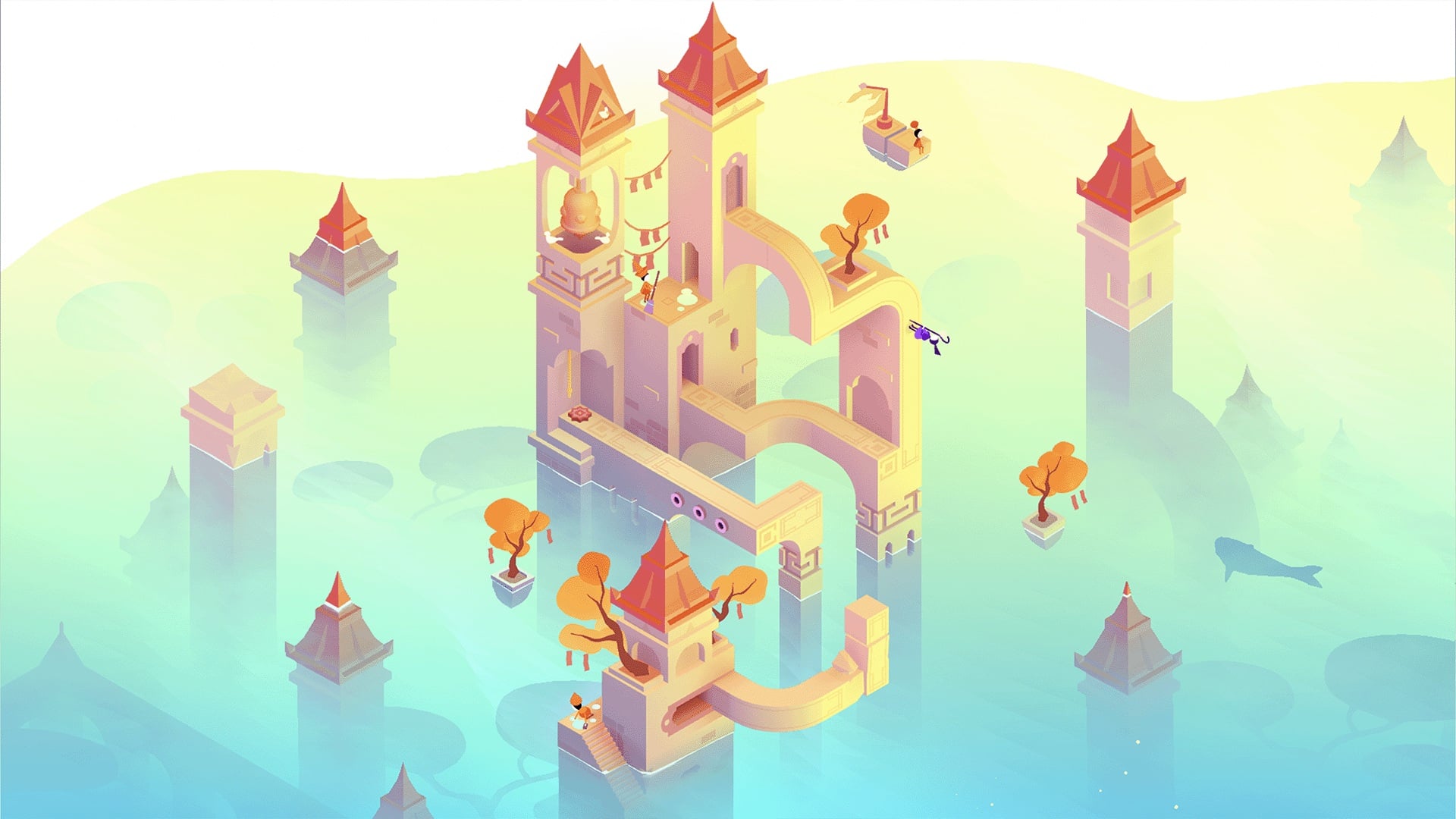
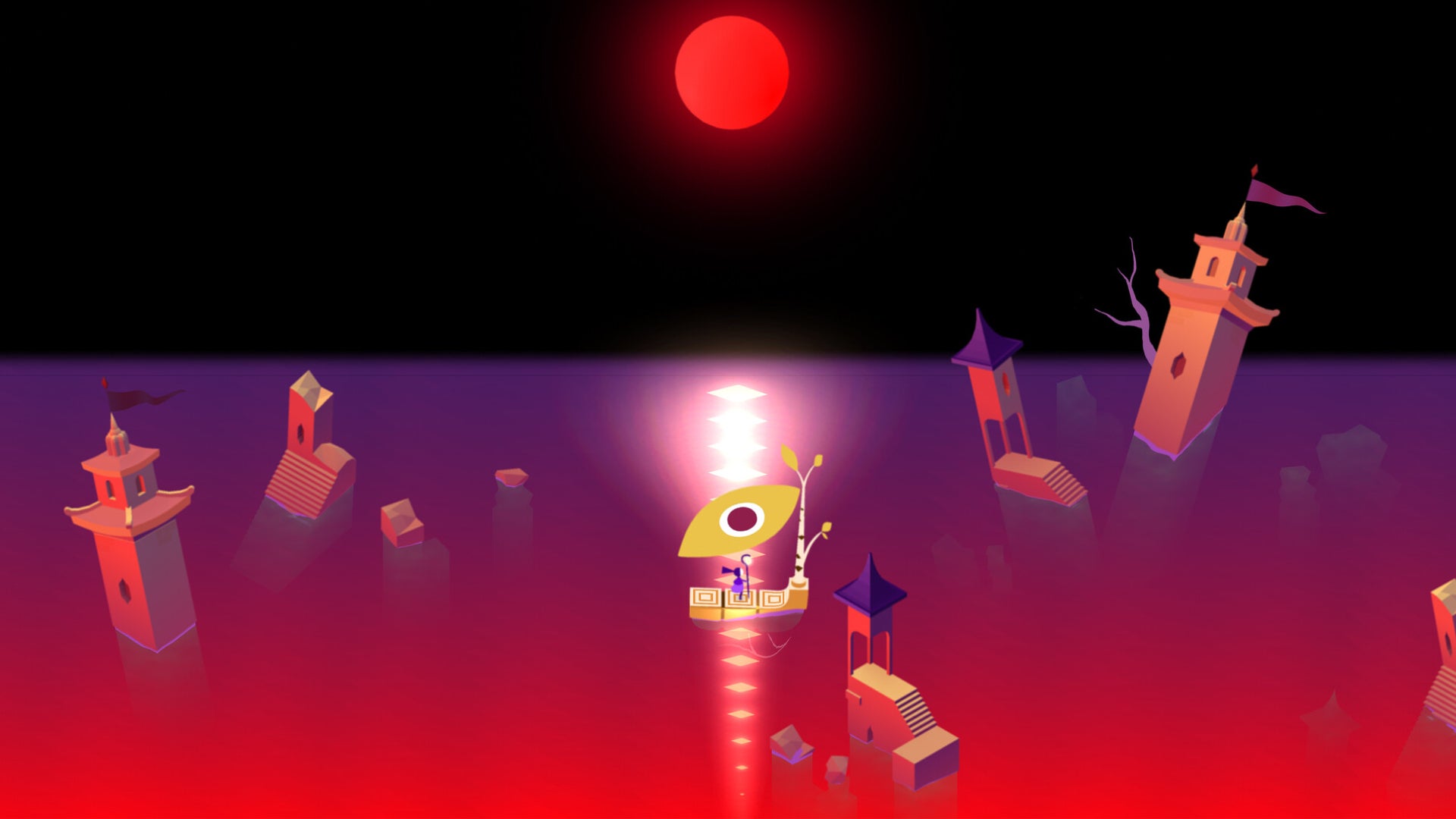
1. Gaming Merchandise & Collectibles Expansion: Monument Valley's shift to PC/console platforms (Steam, Nintendo Switch) signals increased demand for branded merchandise. The game's aesthetic-driven design creates natural merchandise categories—art books, figurines, apparel, and collectibles. Sellers can capitalize on the franchise's 2024-2025 platform expansion by sourcing Monument Valley-themed products. The UK games industry contributes £113,000 per employee to the economy (nearly 2x national average), indicating strong consumer spending power in gaming communities. Sellers should monitor Steam's top-performing indie titles for emerging merchandise opportunities.
2. Digital Asset & Tool Marketplace Growth: Ustwo's contractor-heavy model reflects industry-wide demand for freelance game development services and digital assets. Sellers can expand into game development tools, 3D models, sound effects, UI kits, and art assets on platforms like Gumroad, Etsy, and specialized marketplaces. The shift toward lower-budget game development (competitors successfully develop comparable titles on significantly smaller budgets) creates demand for affordable, reusable digital assets. This represents a $2-3B annual market opportunity as studios optimize production costs.
3. Indie Game Distribution & Publishing: Ustwo's successful Steam/Nintendo Switch ports (shifting "hundreds of thousands of units" though not generating "crazy numbers") demonstrate viable self-publishing pathways. Sellers with game development expertise can establish publishing operations, offering distribution services, localization, and marketing support to indie developers facing similar cost pressures. The contractor-based model creates demand for specialized services—QA testing, localization, community management—that sellers can bundle and monetize.
Industry Context & Risk Factors: The UK games industry directly employs 26,000 people; Ustwo's restructuring reflects broader consolidation pressures affecting mid-tier studios. Mobile gaming market saturation (Ustwo pivoted from mobile-first strategy) and declining publisher support create both challenges and opportunities. Sellers should monitor: (1) which indie franchises gain traction on Steam/Switch (merchandise potential), (2) contractor hiring trends (digital asset demand), and (3) publisher consolidation (acquisition targets for IP-based merchandise). The shift toward premium pricing at launch with later discounts (Ustwo's Steam strategy) indicates core gaming audiences remain willing to pay premium prices—a key insight for pricing merchandise and digital products.
Broader Implications: This restructuring demonstrates how established studios are adapting to compete with lower-budget independent developers. The contractor model reduces overhead but increases demand for specialized freelance services, digital assets, and distribution support. Sellers positioned in gaming merchandise, digital assets, or indie game services can capture value from this industry transition. Monitor Steam's top-performing indie titles and emerging franchises for merchandise opportunities; track contractor hiring trends to identify demand for digital asset tools and services.
Questions 8
What seller opportunities exist in indie game publishing and distribution services?
Ustwo's successful self-publishing on Steam and Nintendo Switch (without major publisher support) demonstrates viable pathways for indie game distribution. Sellers with game development expertise can establish publishing operations offering specialized services: distribution support, localization (game localization is a $2.5B+ market), community management, QA testing, and marketing. The contractor-based model creates demand for bundled services that reduce friction for indie developers. Consider targeting developers facing similar pressures to Ustwo—those with quality titles but limited publishing resources. Offer tiered packages: basic distribution support ($500-1,000), full publishing services ($2,000-5,000), and ongoing community management ($500-1,000/month).
How does mobile gaming market saturation affect seller opportunities in PC/console gaming?
Ustwo's pivot from mobile-first to PC-first strategy reflects broader market saturation in mobile gaming and declining publisher support (Netflix, Apple deals declining). This shift creates opportunities for sellers: PC and console gaming markets are less saturated than mobile, with higher average revenue per user and stronger merchandise demand. Monitor indie games gaining traction on Steam and Nintendo Switch—these represent emerging franchises with merchandise potential. The shift also indicates increased demand for PC/console-specific products: gaming peripherals, themed merchandise, and digital content. Sellers should reduce focus on mobile gaming merchandise and increase investment in PC/console gaming categories where consumer spending and franchise loyalty remain strong.