
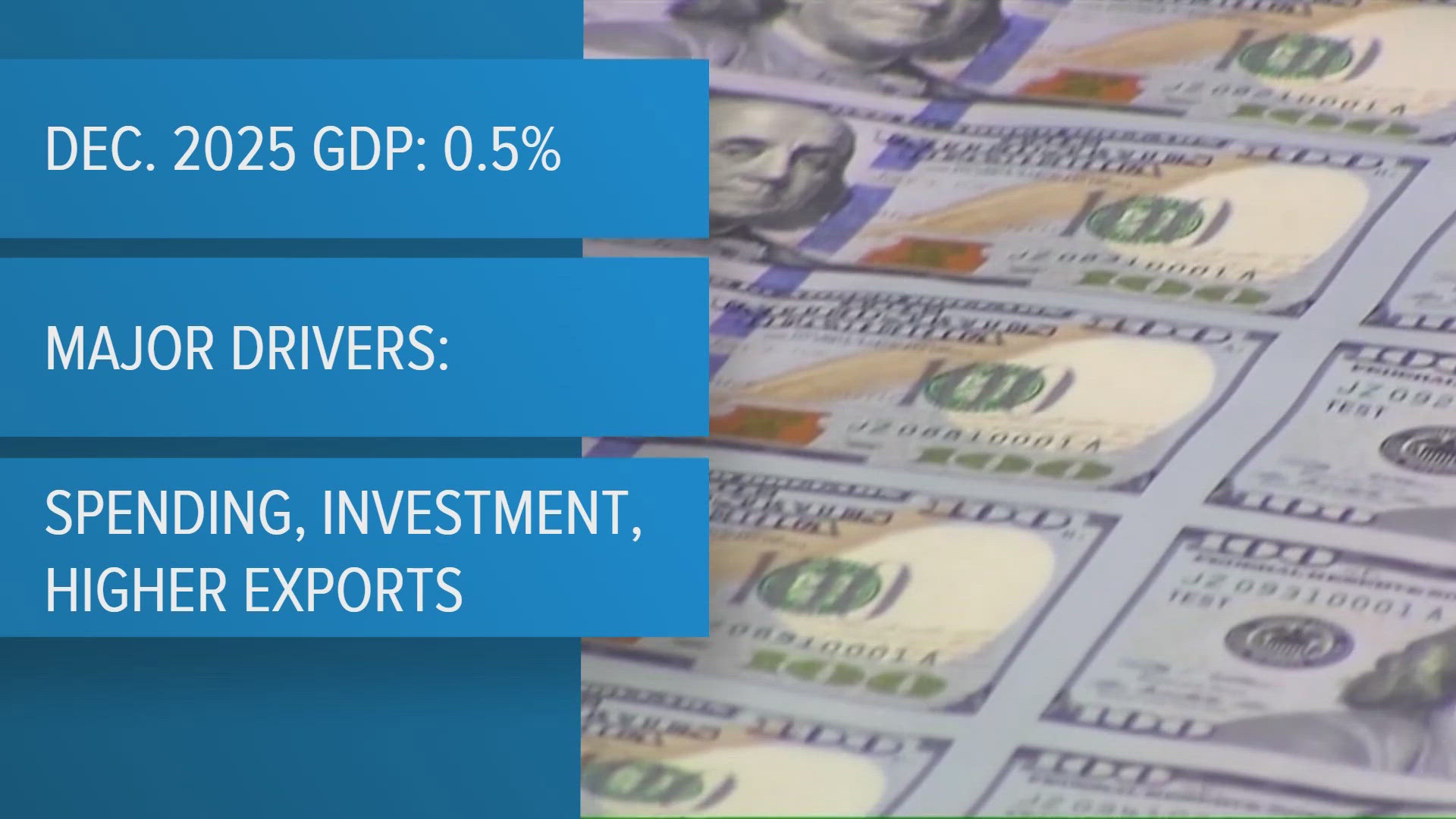
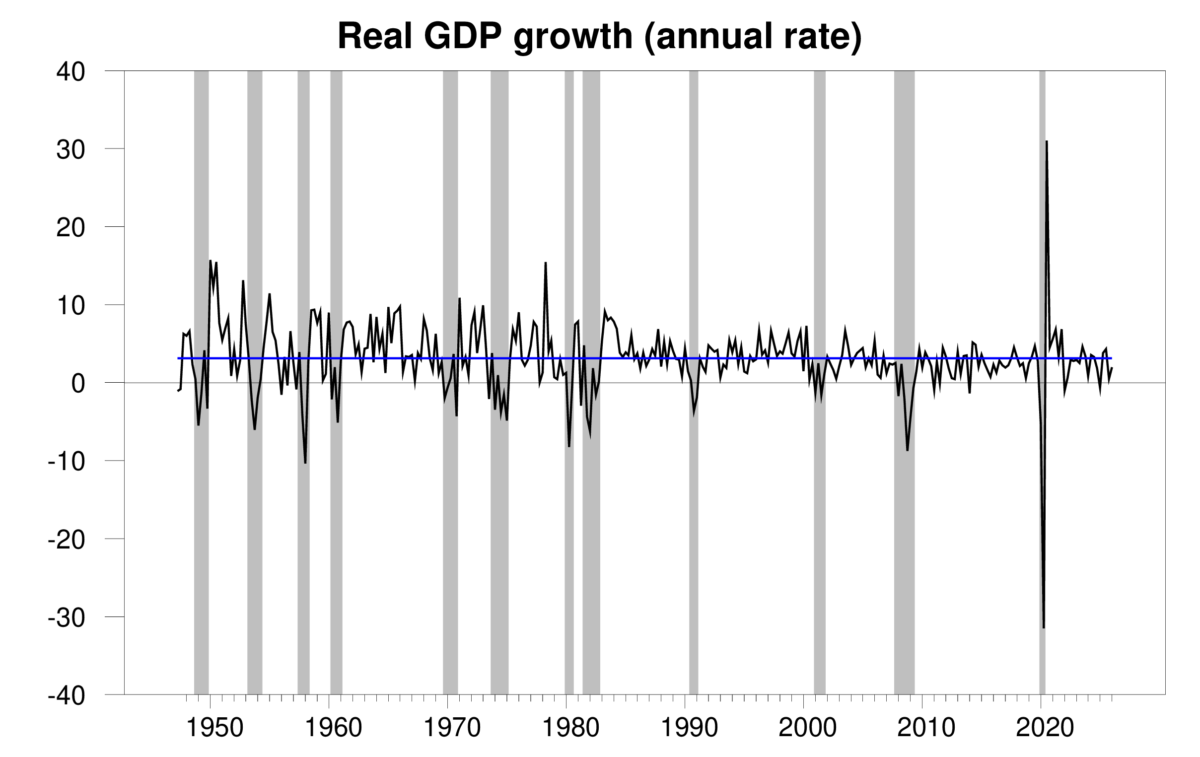



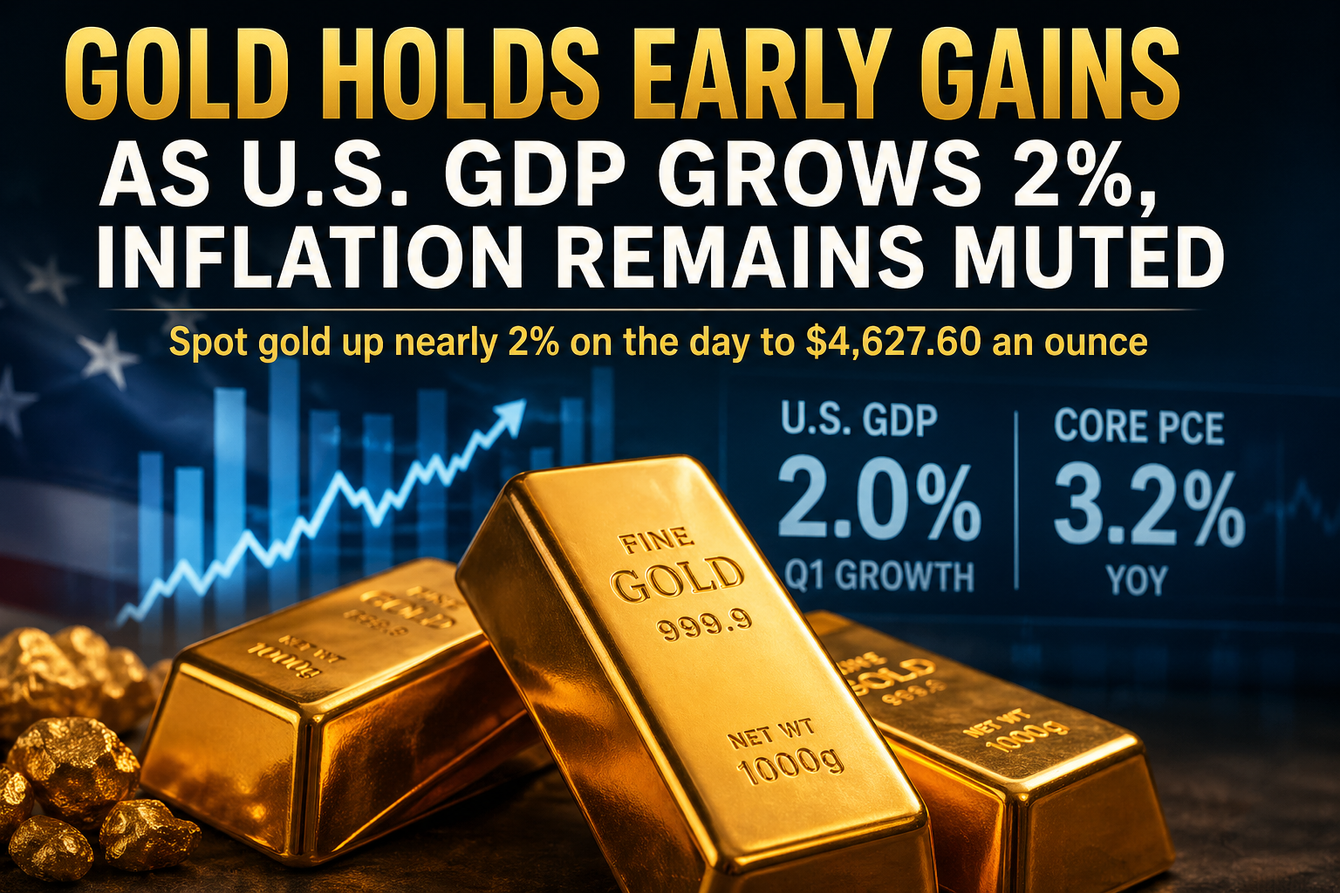
Q1 2026 GDP Growth 2% | Energy Costs Surge 60%, AI Investment Booms, Consumer Demand Softens
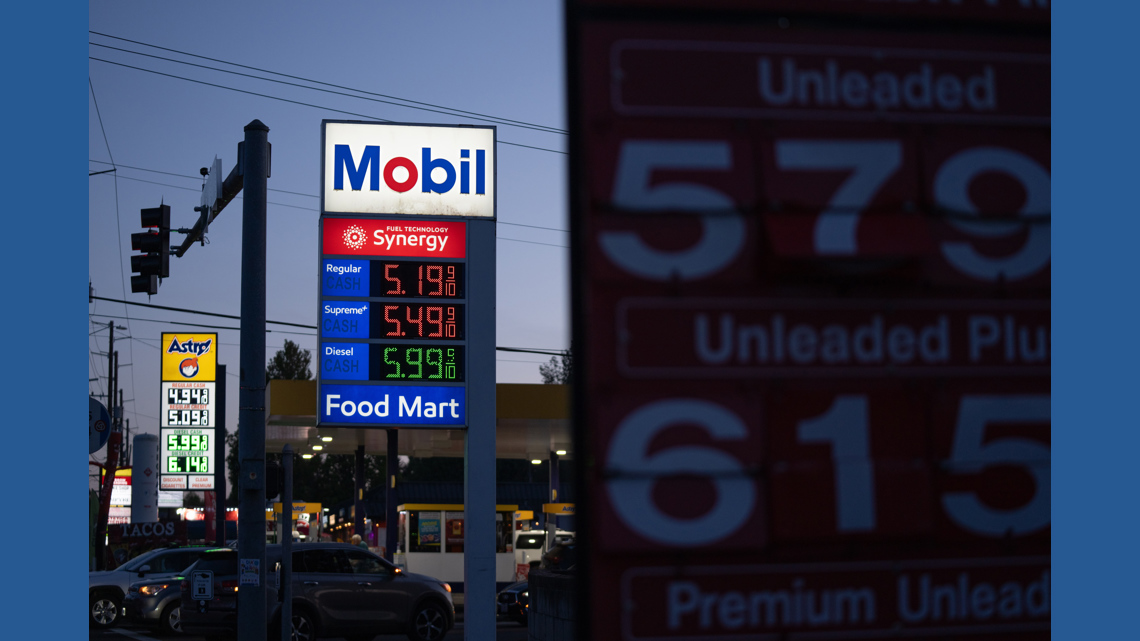
- Brent crude jumps $70→$120/barrel (60% increase) impacting logistics costs; consumer spending concentrated in top-income households; AI infrastructure investment drives business growth while household consumption weakens




































Overview
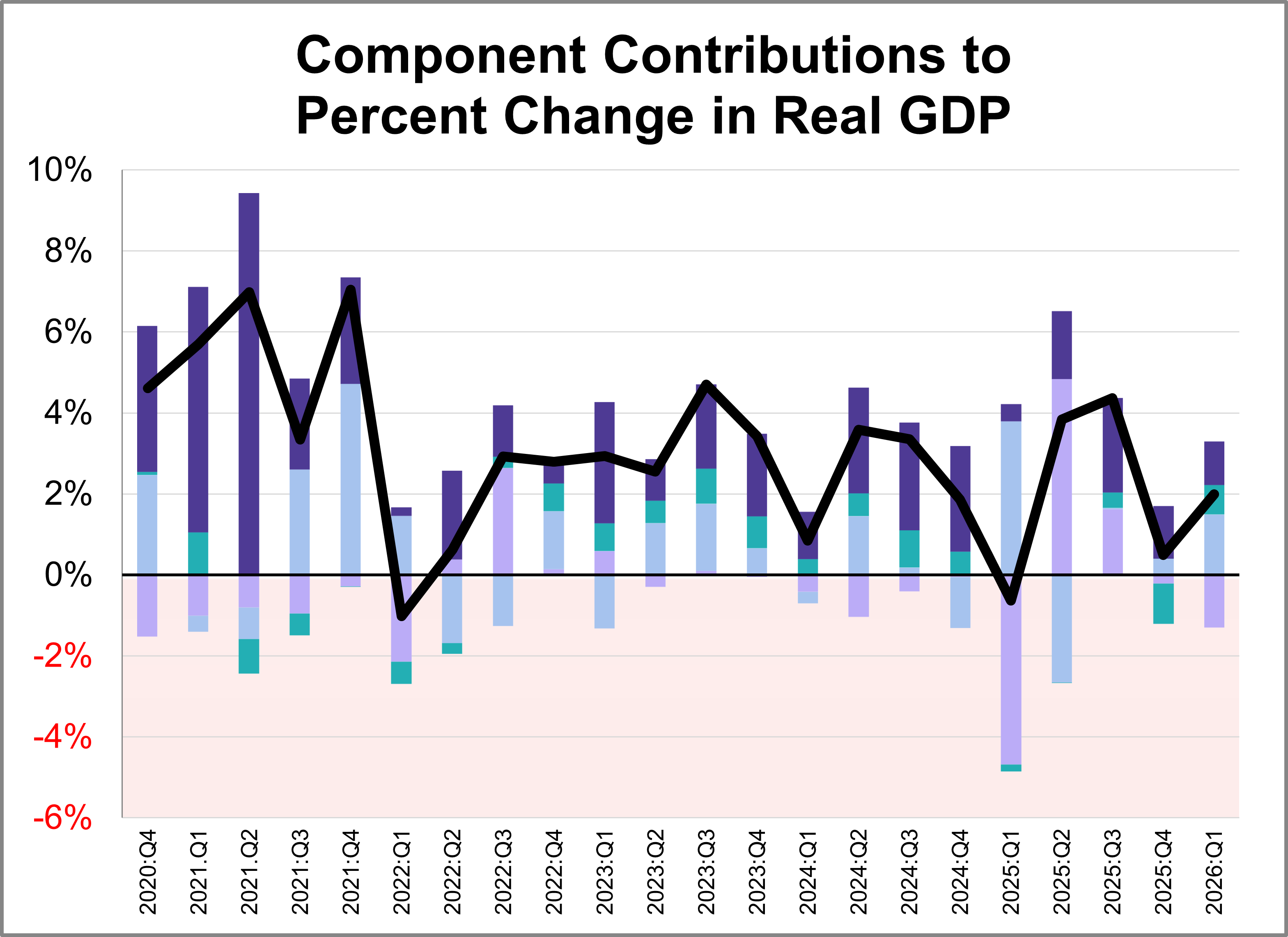
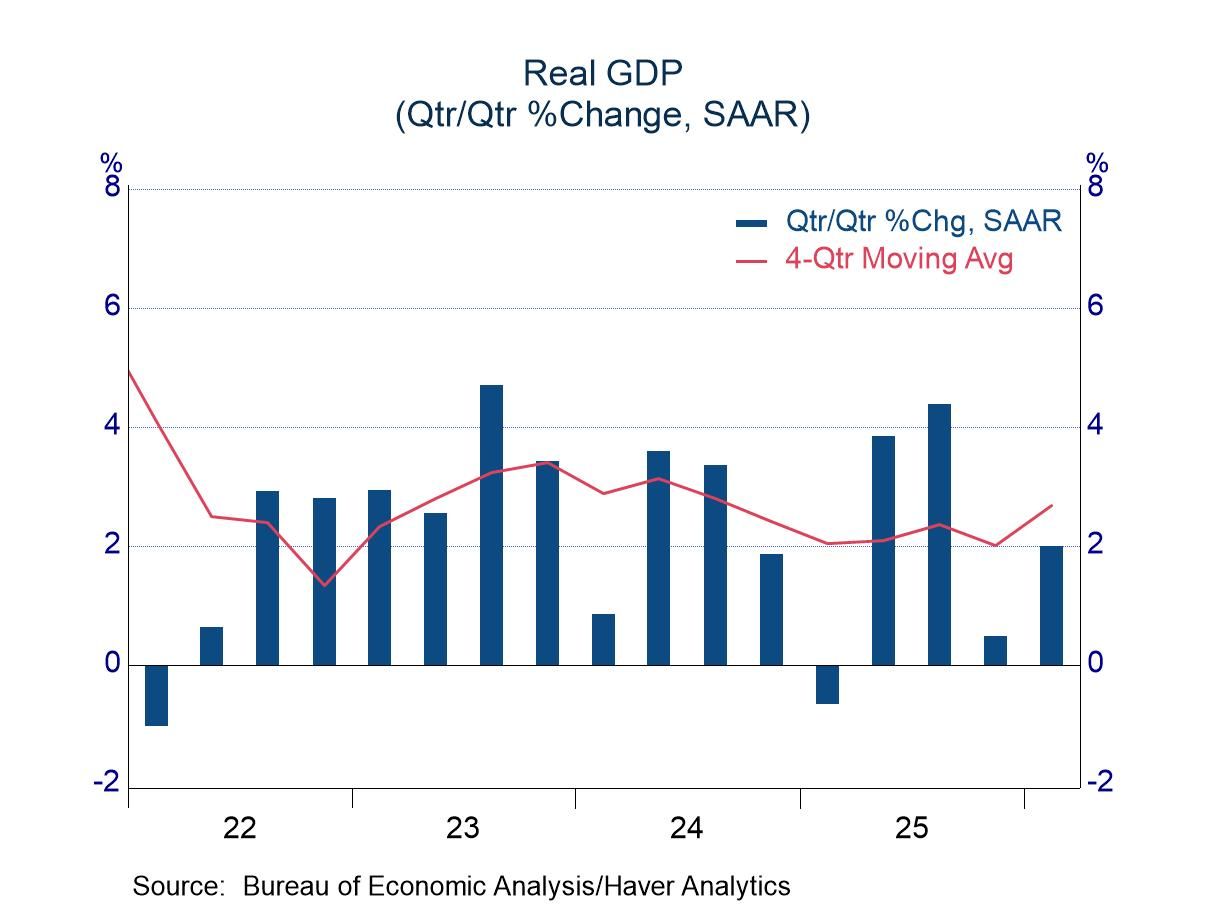
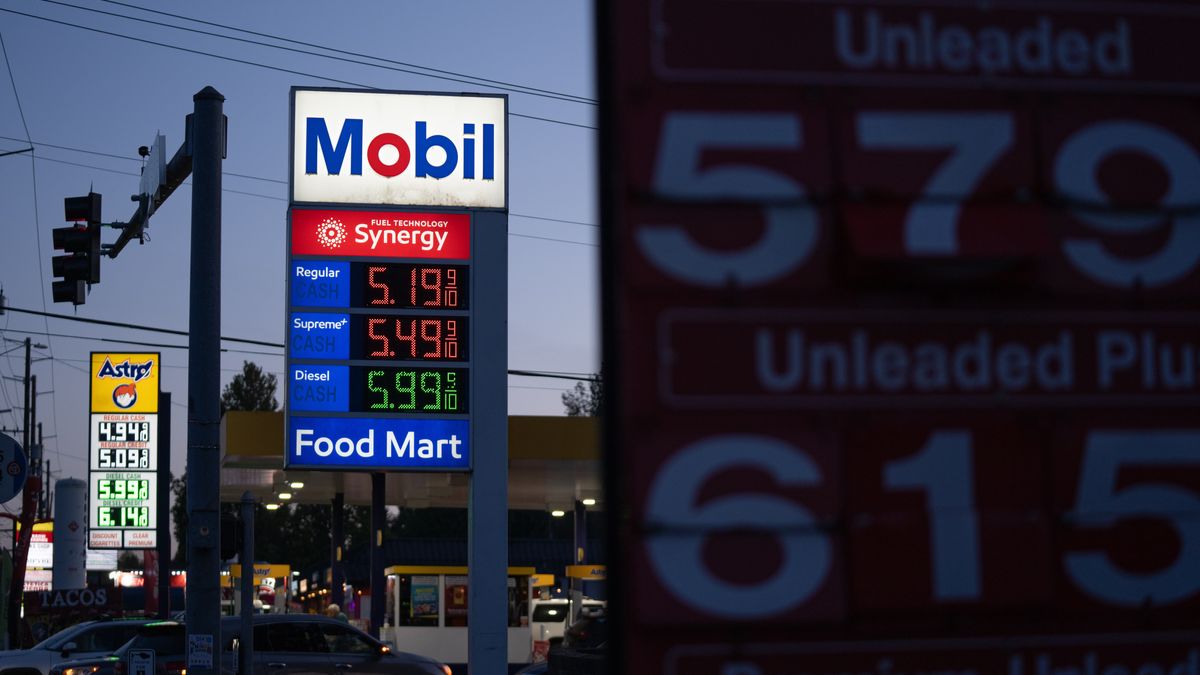
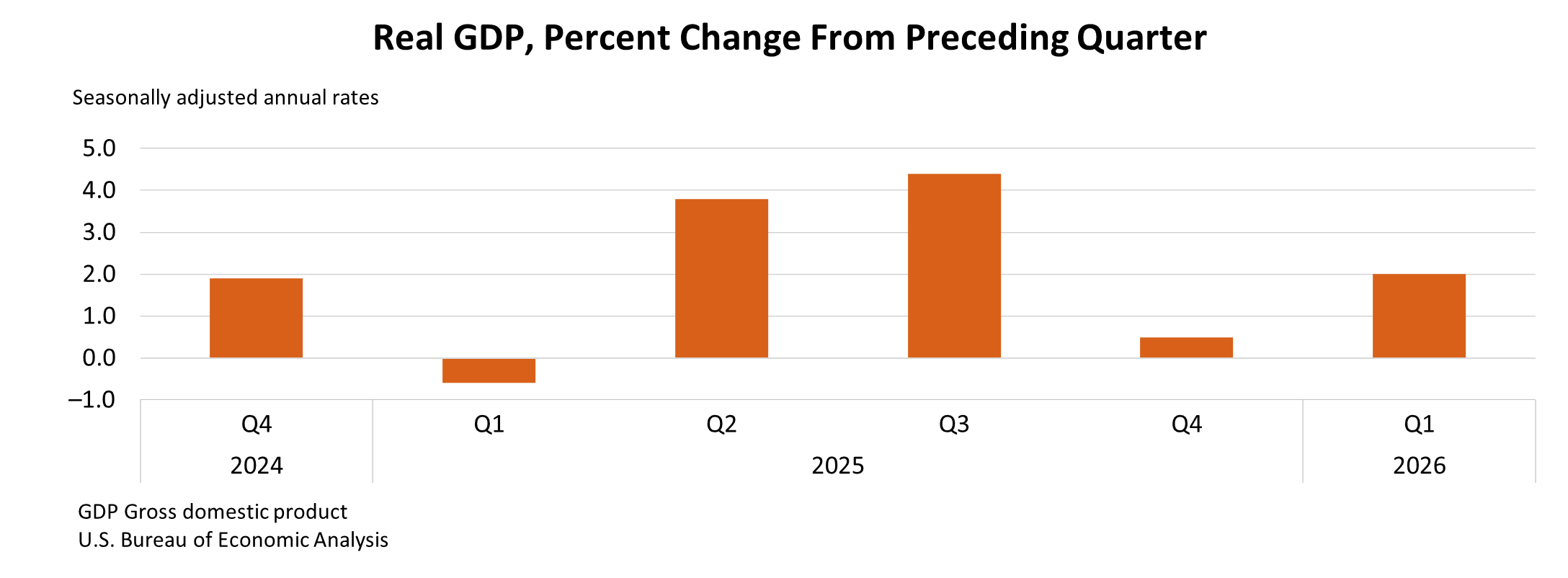
The U.S. economy expanded at a 2.0% annual rate in Q1 2026 (released April 30, 2026), rebounding from 0.5% growth in Q4 2025, but the composition reveals critical divergences for cross-border e-commerce sellers. The Iran conflict and Strait of Hormuz closure triggered a 60% crude oil surge—from $70 to $120 per barrel by late April—with futures contracts exceeding $100, signaling sustained supply disruptions through Q2-Q3 2026. This energy shock directly impacts seller logistics: air freight and expedited shipping costs will increase 8-15% through mid-2026, while ocean freight rates face 5-8% pressure. Sellers reliant on air freight for time-sensitive inventory face the steepest margin compression.
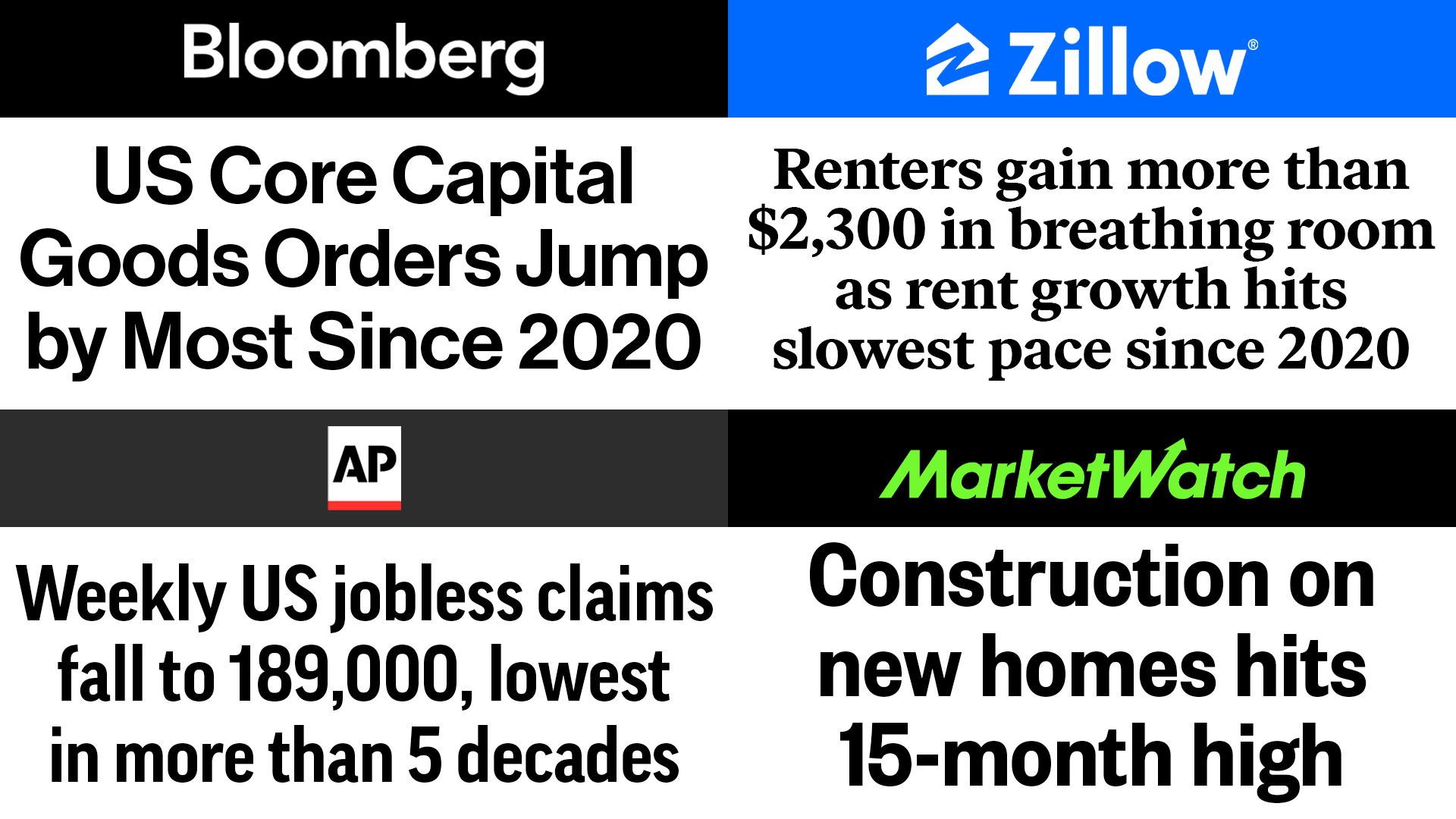
Consumer spending growth of 1.6% exceeded expectations, but concentration among top-income households (top third of income distribution) signals bifurcated demand. This creates a critical opportunity: luxury goods, premium electronics, and high-margin discretionary categories will outperform mass-market segments. Sellers targeting affluent demographics (household income $150K+) should increase inventory in premium product lines, while mass-market sellers face demand headwinds. The Supreme Court's February 2026 tariff refund determination under the International Emergency Economic Powers Act creates potential cost recovery opportunities—sellers should audit tariff payments from 2024-2025 for refund eligibility.
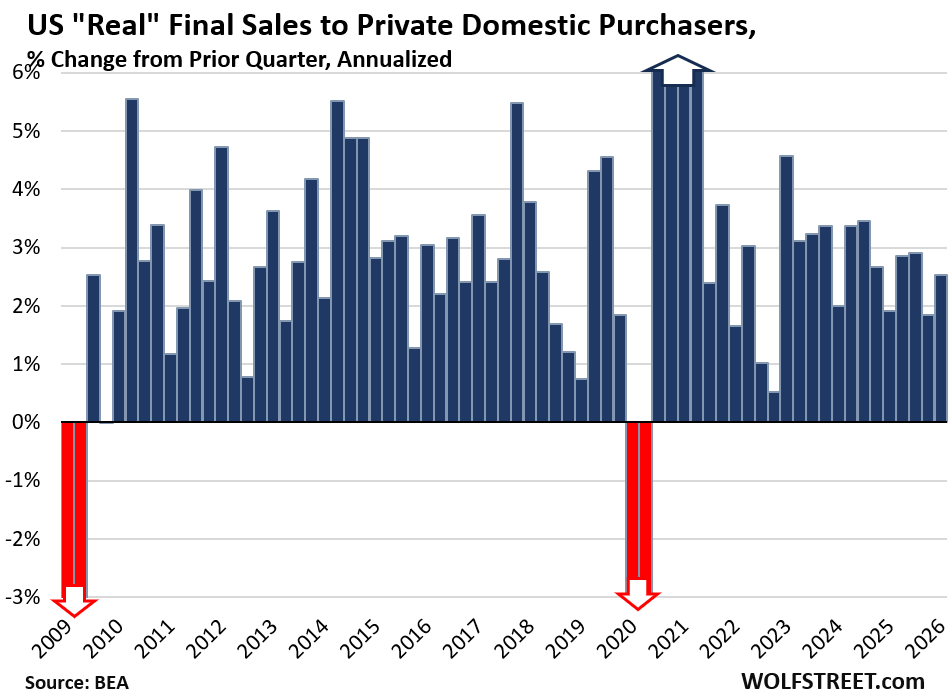
The divergence between robust business AI investment and weak consumer spending reveals a structural shift. Real final sales to private purchasers grew 2.5% (vs. 1.8% in Q4), but this masks weakness: investment growth was driven by information processing equipment (computers, peripherals, software) and inventory builds, while consumer spending increases concentrated in services (healthcare), not goods. This indicates e-commerce goods demand will likely soften through Q2 2026. PCE inflation accelerated to 4.5% (from 2.9%), with core PCE excluding food/energy at 4.3% (from 2.7%), compressing real consumer purchasing power. Sellers must prepare for 3-6 month inventory adjustment period: reduce SKU counts in discretionary categories by 15-20%, shift to higher-margin items, and leverage AI tools for demand forecasting to avoid overstock penalties.
Questions 8
How much will shipping costs increase for cross-border sellers due to the 60% oil price surge?
The Brent crude jump from $70 to $120 per barrel (60% increase) will increase air freight costs by 8-15% and ocean freight by 5-8% through mid-2026. For a seller shipping 1,000 units monthly via air freight at $2/unit, this translates to $160-300 additional monthly costs. Expedited shipping premiums will compress margins on time-sensitive categories (electronics, fashion). Sellers should shift non-urgent inventory to ocean freight (4-6 week transit) to minimize fuel surcharge exposure and lock in rates before further increases.
Which seller segments (small, medium, large) are most vulnerable to the energy cost shock?
Small and medium sellers reliant on air freight and expedited shipping face the steepest margin compression from the 60% oil price surge. Large sellers with established 3PL networks and negotiated fuel surcharge caps are better positioned. Sellers shipping from Asia to U.S. via air freight will see costs increase $0.50-1.50 per unit, directly impacting margins on low-cost categories (accessories, small electronics). Medium sellers ($1-10M annual revenue) should immediately shift to ocean freight for non-urgent inventory, negotiate fuel surcharge caps with carriers, and increase product prices by 3-5% to offset logistics costs. Small sellers should consider consolidating shipments, using slower shipping methods, and focusing on higher-margin categories to maintain profitability through Q3 2026.