



Global Fossil Fuel Phase-Out Accelerates | Cross-Border Sellers Face New Logistics & Compliance Costs
- 60+ countries commit to energy transition; carbon pricing and green logistics certifications expected to increase shipping costs 8-15% by 2027 for EU-based and international sellers


























Overview
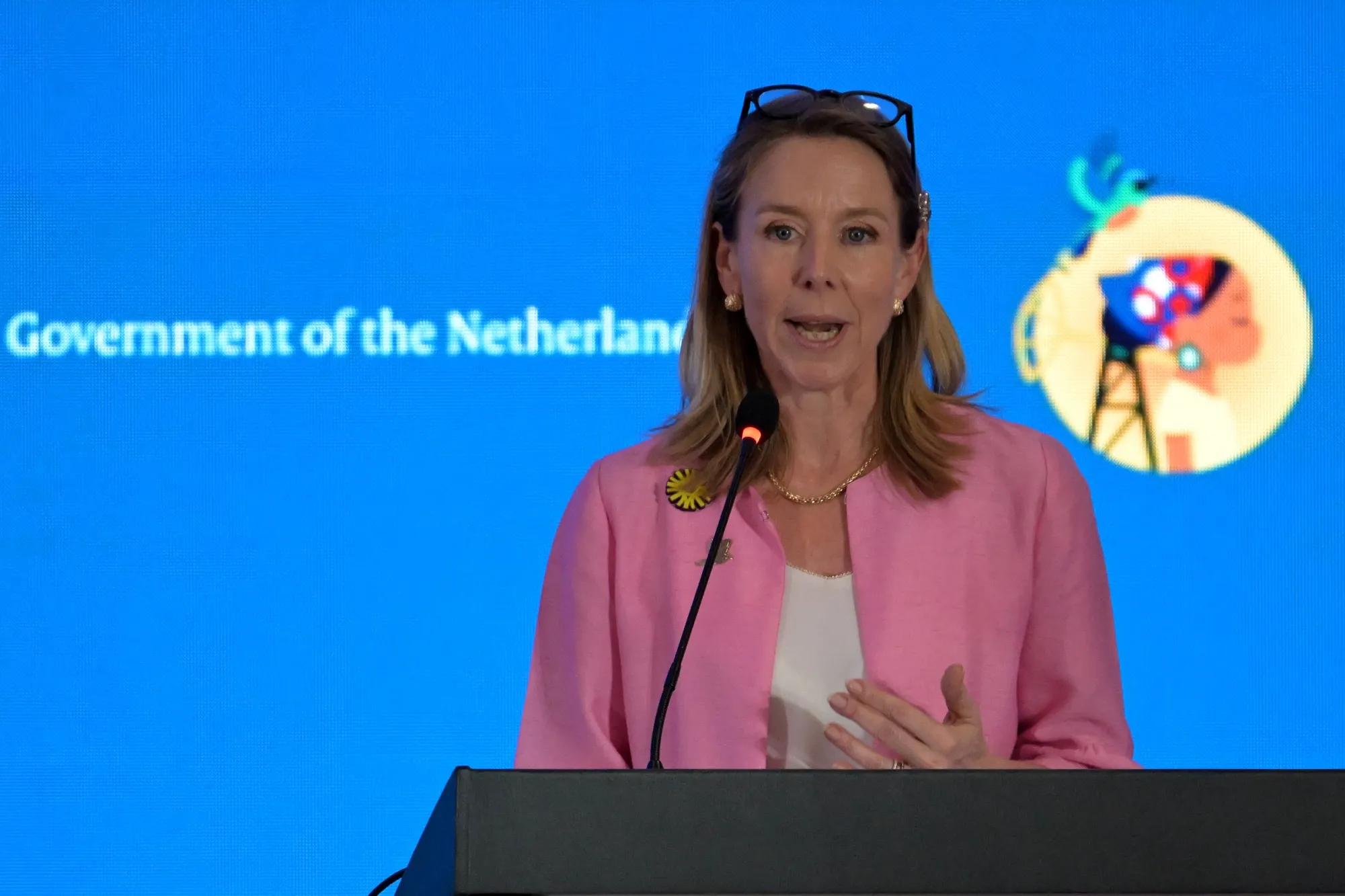
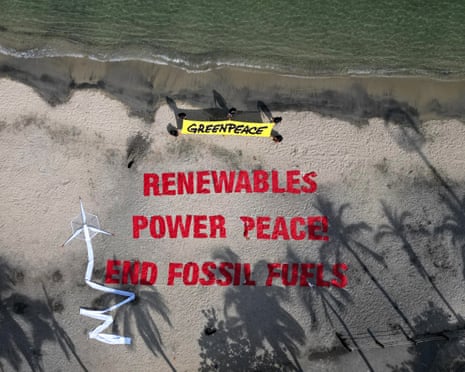
The Transitioning Away from Fossil Fuels conference concluded in Santa Marta, Colombia on April 29, 2026, with nearly 60 countries establishing concrete strategies to phase out oil, gas, and coal production. While the summit produced no binding commitments, it generated substantial momentum toward actionable energy transition mechanisms. The conference shifted global climate discourse from theoretical debate to implementation planning, with participants including the EU, Netherlands, Tuvalu, Australia, Mexico, and Nigeria—notably excluding the United States and China. This represents a fundamental restructuring of international trade policy that will directly impact cross-border e-commerce operations.
For cross-border sellers, the immediate implications are substantial. The summit's emphasis on financing mechanisms for energy transition signals incoming carbon pricing frameworks, mandatory green logistics certifications, and sustainability-linked trade policies. EU-based sellers and those shipping to European markets face the most immediate pressure, as the EU delegation actively participated in establishing implementation roadmaps. Energy transition policies will influence logistics costs through carbon pricing mechanisms, supply chain sustainability requirements, and regulatory compliance frameworks. Sellers operating in Europe increasingly face pressure to demonstrate environmental responsibility, with future international trade agreements likely incorporating mandatory environmental standards. The conference identified critical implementation priorities including country-specific phase-out roadmaps with clear deadlines, elimination of investor-state dispute settlement mechanisms, and securing critical minerals supply chains for renewable energy infrastructure.
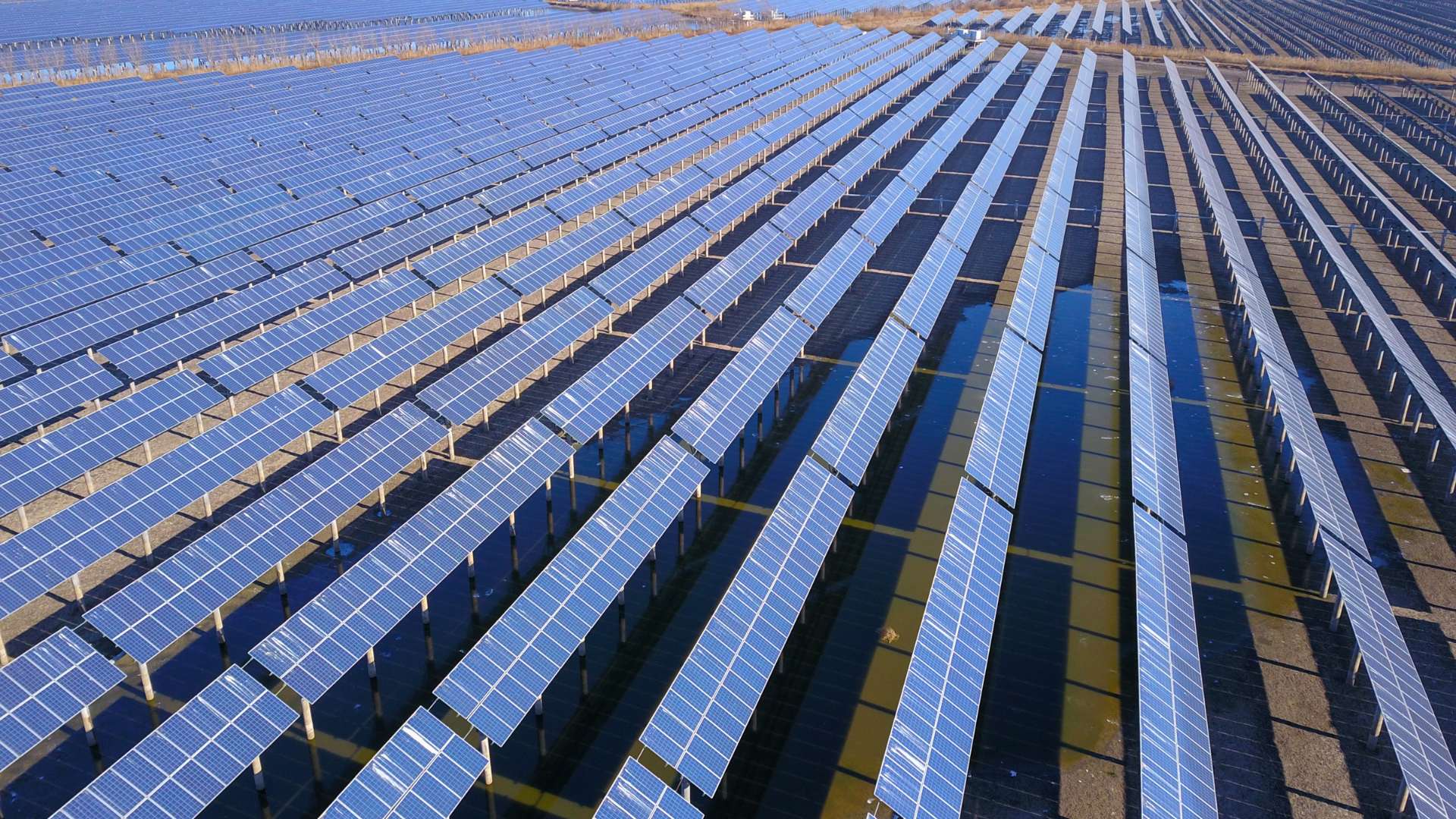
The economic drivers behind this transition create both risks and opportunities for sellers. According to Lazard's financial analysis cited in the summit discussions, large-scale solar and wind projects now provide more cost-competitive energy than natural gas and coal alternatives. This economic reality—not just climate concerns—is accelerating government adoption of energy transition policies. Island nations like Vanuatu are accelerating electric vehicle fleet electrification and solar expansion, signaling emerging demand for EV-related products and renewable energy equipment. The conference emphasized addressing the global south's debt crisis, as many developing nations struggle to invest in renewables while servicing high-interest debt. This creates a financing gap that will likely be filled through carbon pricing mechanisms and green trade incentives, directly affecting shipping costs and market access for sellers.
Sellers must prepare for three major regulatory shifts by 2027. First, carbon footprint reporting requirements will become mandatory for market participation in developed economies, requiring sellers to track and report emissions across their supply chains. Second, sustainable packaging certifications and green logistics certifications will transition from voluntary to mandatory, increasing compliance costs by an estimated 8-15% for international shipments. Third, the next conference scheduled for early 2027 in Tuvalu (co-hosted by Ireland) will translate Santa Marta's momentum into binding international proposals, potentially establishing enforceable fossil fuel phase-out timelines. Sellers should immediately audit their logistics partners' sustainability credentials, evaluate 3PL providers' carbon offset programs, and begin documenting supply chain emissions data. The absence of binding commitments at this summit means the regulatory framework remains fluid, creating a 12-18 month window for sellers to influence implementation standards through industry participation and compliance planning.
Questions 8
How does the absence of binding commitments from this summit affect sellers' compliance timeline?
The summit's lack of binding commitments creates both uncertainty and opportunity for sellers. While no immediate regulatory deadlines were established, the substantial momentum toward concrete action indicates that implementation will accelerate between now and the early 2027 Tuvalu conference. This 12-18 month window allows sellers to proactively adjust operations rather than react to sudden regulatory changes. However, the conference's emphasis on country-specific roadmaps with clear phase-out deadlines suggests individual nations will establish their own timelines. EU countries will likely move faster than others, given the delegation's active participation. Sellers should monitor announcements from their primary markets (EU, UK, Australia, Mexico) for specific compliance deadlines rather than waiting for international binding agreements. The conference's focus on financing mechanisms suggests carbon pricing frameworks will be implemented before formal phase-out mandates.
What product categories will benefit from the global energy transition momentum?
The conference's emphasis on renewable energy infrastructure, electric vehicle electrification, and critical minerals supply chains creates demand opportunities in several categories. Vanuatu's decision to accelerate EV fleet electrification and solar expansion signals emerging demand for EV-related products, solar equipment, and battery storage systems. The focus on critical minerals supply chains suggests opportunities in electronics, battery components, and renewable energy equipment. Sustainable packaging materials and green logistics solutions represent growing categories as compliance requirements increase. Sellers should monitor emerging demand in island nations and developing countries receiving renewable energy financing, as these markets will likely see accelerated infrastructure development. The conference's attention to Indigenous rights and human rights in critical mineral mining may create compliance requirements for sellers sourcing these materials.