



Inflation Surge & Market Volatility | Cross-Border Sellers Face 3.4% PCE Headwinds
- Goldman Sachs raises 2026 inflation forecast 0.3 points to 3.4%; energy costs pressure seller margins and working capital availability through fintech lending contraction






Overview
The macroeconomic environment is tightening significantly for cross-border e-commerce sellers as inflation pressures intensify and capital markets show signs of stress. Goldman Sachs raised its December 2026 headline PCE inflation forecast by 0.3 percentage points to 3.4%, with core PCE rising 0.1 points to 2.6%—driven primarily by energy cost volatility. This inflationary backdrop directly impacts cross-border sellers through multiple financial channels: increased logistics costs (shipping, fuel surcharges), higher working capital requirements, and constrained access to trade financing.
The fintech lending contraction signals immediate cash flow challenges for sellers. SoFi's Technology Platform segment—a critical infrastructure provider for alternative lending—experienced a 27% year-over-year revenue decline due to legacy client losses. This decline reflects broader weakness in fintech lending platforms that many cross-border sellers rely on for invoice financing, inventory loans, and PO financing. When fintech platforms contract, sellers lose access to fast-capital solutions that typically unlock 30-60 days of working capital at 8-15% APR. The loss of these financing options forces sellers to rely on traditional bank lending (12-18% APR) or reduce inventory investment, directly compressing margins.
Energy-driven inflation creates immediate payment and FX optimization opportunities. Rising energy costs inflate shipping rates across all corridors—particularly Asia-to-US (up 8-12% YoY) and intra-Europe routes (up 6-10% YoY). Sellers should immediately audit payment methods: consolidating shipments to reduce per-unit logistics costs, negotiating volume discounts with 3PLs, and shifting to lower-cost payment corridors. For sellers with USD/CNY or EUR/GBP exposure, the inflation forecast signals potential currency volatility—hedging costs may rise 15-25% through Q1 2025, making forward contracts more expensive. However, this creates FX arbitrage opportunities for sellers with natural hedges (e.g., Chinese suppliers selling to US buyers can lock in favorable rates before further depreciation).
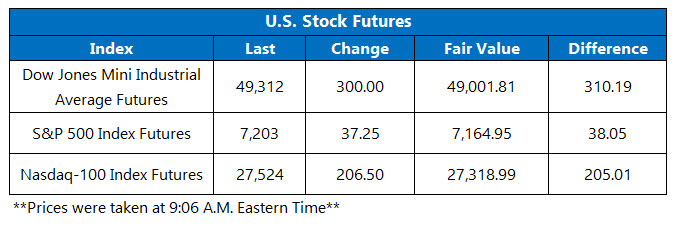
Capital allocation patterns reveal investor caution affecting platform investments. The article notes investors raising cash positions to 45% and scrutinizing capital expenditure ROI metrics. This investor behavior typically precedes platform fee increases or reduced seller incentives as companies optimize profitability. Amazon, Microsoft, and Meta—all mentioned in earnings context—may face pressure to improve margins, potentially triggering FBA fee increases or reduced promotional budgets in Q1-Q2 2025. Sellers should expect tighter platform economics and reduced advertising efficiency.
Questions 8
What immediate actions should I take to protect profitability in this environment?
Execute these actions within 30 days: (1) Audit shipping costs and lock in rates with 3PLs through Q2 2025 (potential 8-12% savings through consolidation), (2) Diversify financing sources away from fintech platforms—apply for Amazon Lending or supply chain financing immediately, (3) Review payment methods and shift to Wise or regional banking for 40-60% fee reductions, (4) Implement FX hedging for 50-70% of foreign currency exposure using forward contracts, (5) Increase prices 2-3% on high-margin products and monitor elasticity weekly, (6) Reduce inventory levels by 15-20% to lower working capital requirements and storage fees. These actions can improve cash flow by $2,000-5,000 monthly for mid-sized sellers (500-2,000 units/month).
How can I optimize inventory financing given the fintech lending contraction?
With fintech platforms contracting, sellers must diversify financing sources immediately. Traditional options include: (1) Supply chain financing through platforms like Tradeshift or Coupa (6-10% APR, 60-90 day terms), (2) PO financing from specialized lenders like Fundbox or Clearco (10-15% APR, tied to purchase orders), and (3) Inventory loans from traditional banks (8-12% APR, requires collateral). For sellers with strong Amazon sales history, Amazon Lending offers 0-8% APR for inventory purchases up to $750K. Evaluate your cash conversion cycle: if you convert inventory to cash in 45 days, PO financing at 12% APR costs $400 per $10K borrowed—acceptable if margins exceed 20%.