


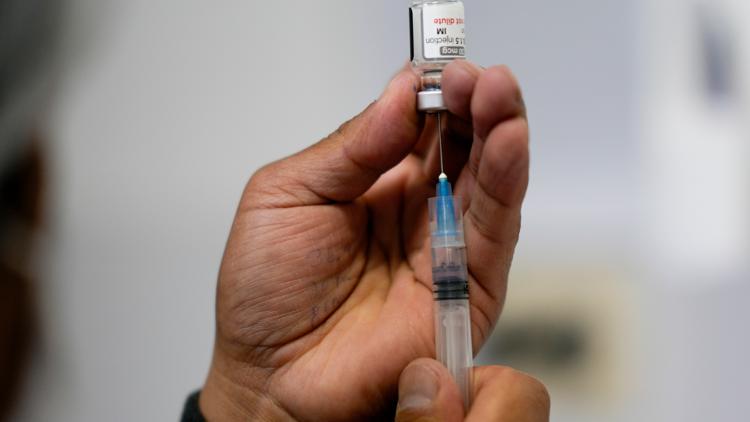
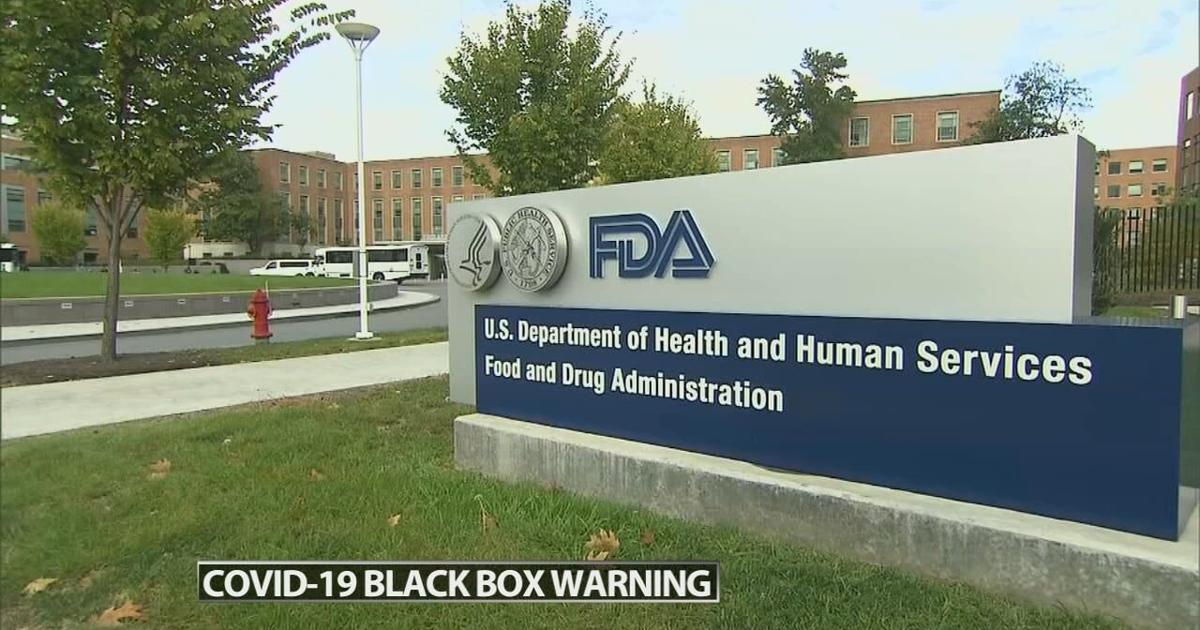
FDA's Potential Black Box Warning Signals Seismic Shift in Vaccine Risk Communication
- Regulatory decision could dramatically reshape vaccine confidence and public health strategy






Overview
The potential FDA black box warning for COVID-19 vaccines represents a critical inflection point in medical risk communication that could fundamentally transform public perception of vaccination protocols. With vaccination rates already declining to just 10.4% in Massachusetts—down from 17.4% previously—this regulatory consideration signals a profound reassessment of pandemic-era medical guidance.
Regulatory Uncertainty as a Confidence Disruptor: The contemplated warning introduces unprecedented complexity into vaccine recommendations. Black box warnings, the most severe medical alert mechanism, typically indicate potential serious harm, which could dramatically accelerate existing vaccine hesitancy. The warning's potential scope remains deliberately ambiguous—whether it would apply to all vaccines, specifically COVID-19 vaccines, mRNA technologies, or targeted populations like children and pregnant individuals creates a landscape of strategic uncertainty.
Strategic Risk Communication Dynamics: Dr. Todd Ellerin's continued recommendation of COVID shots, especially for high-risk groups, highlights the nuanced professional response. Medical professionals are now navigating an increasingly complex risk communication environment where regulatory signals can instantaneously reshape patient trust. The potential warning suggests regulators are prioritizing transparent risk disclosure over maintaining vaccination momentum, signaling a fundamental shift from pandemic emergency response to long-term risk management.
Compliance and Confidence Ecosystem: The proposed warning could disproportionately impact high-risk populations, including immunocompromised individuals, children with chronic conditions, and elderly patients. By potentially making physicians less likely to recommend vaccinations, the FDA is inadvertently creating a complex compliance ecosystem where risk communication becomes as critical as the medical intervention itself.
The emerging regulatory landscape demands a sophisticated approach: balancing transparent risk communication, maintaining public health confidence, and providing clear, nuanced guidance for medical professionals and patients alike.
Questions 3
Who would be most impacted by this potential FDA warning?
High-risk populations like immunocompromised individuals, children with chronic conditions, and elderly patients would be most affected. The warning could create additional barriers to vaccination for groups that typically benefit most from COVID-19 protection.
How might medical professionals respond to this potential warning?
Medical professionals like Dr. Todd Ellerin are likely to adopt a more nuanced approach, continuing to recommend vaccines for high-risk groups while emphasizing comprehensive risk-benefit analysis. The warning will likely prompt more detailed patient consultations and personalized medical guidance.