


Ukraine's Defense Tech Boom Creates $2B+ Cross-Border B2B Opportunity for Sellers
- NATO partners establish joint production with Ukrainian defense firms; drone technology and military innovation exports surge as sellers access battle-tested manufacturing expertise







Overview
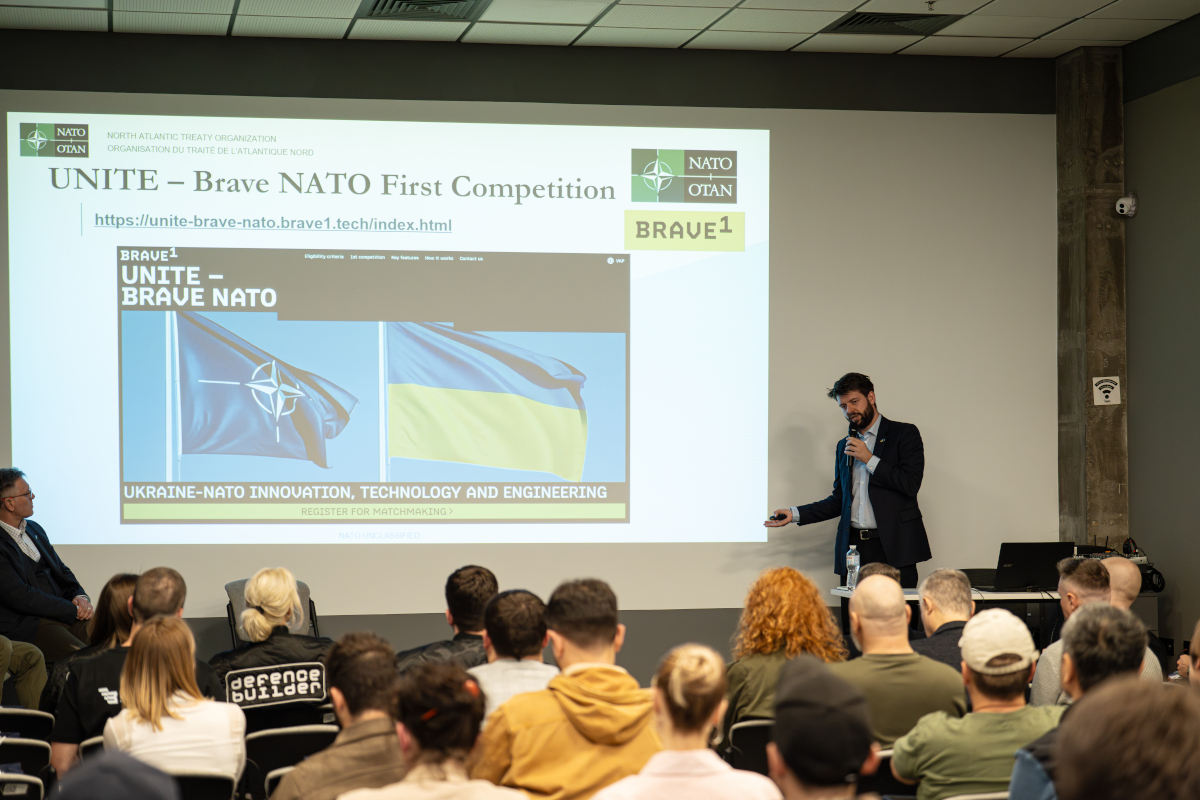
Ukraine's transformation from security aid recipient to defense technology provider represents a significant cross-border B2B commerce opportunity for sellers in specialized manufacturing, drone technology, and defense innovation sectors. As reported by Business Insider (April 30, 2026), NATO's establishment of the Ukraine Joint Analysis, Training and Education Centre (JATEC) and multiple partnership announcements signal sustained demand for Ukrainian weaponry, counter-drone systems, and production methodologies. Secretary General Mark Rutte explicitly identified Ukraine as "a powerhouse when it comes to military innovation and anti-drone technology," with multiple NATO partners—Denmark, Poland, and Germany—announcing procurement initiatives and joint production facilities.
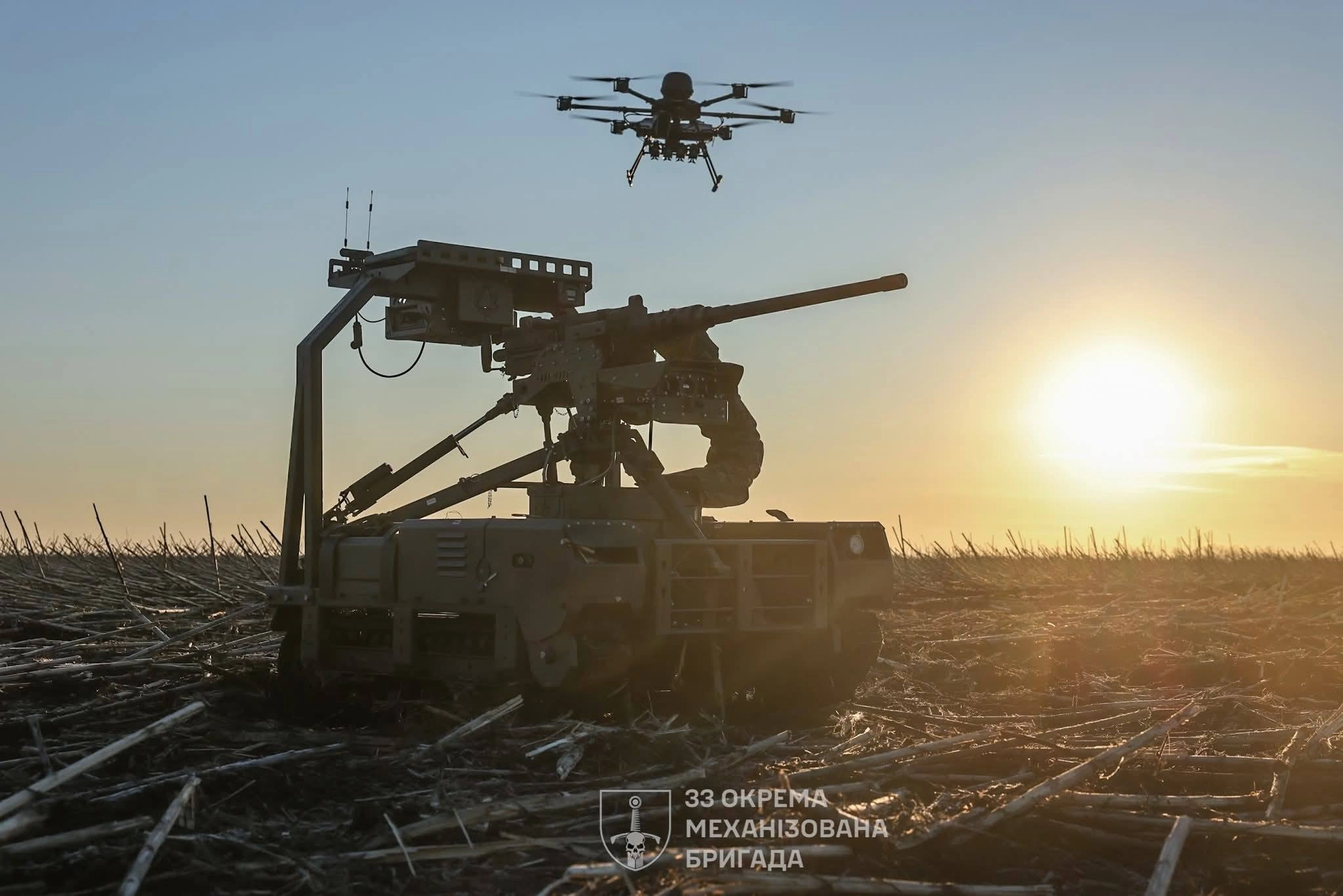
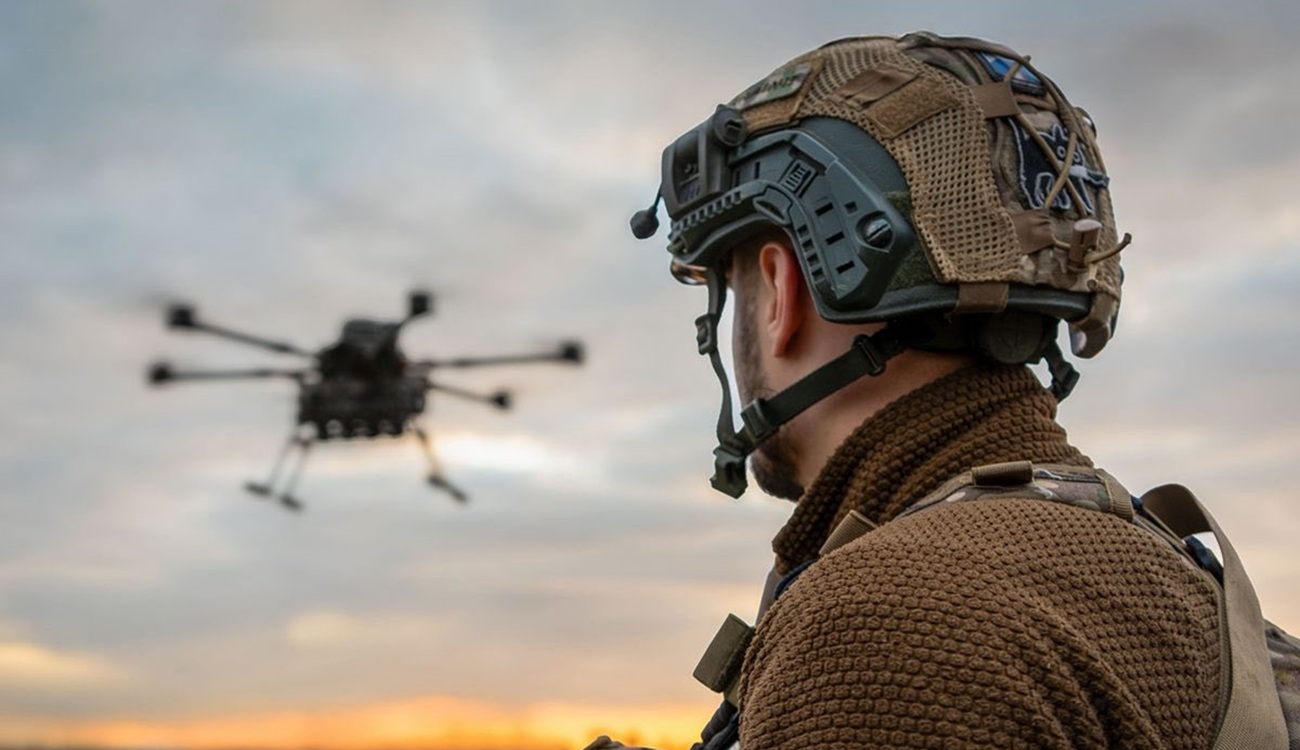
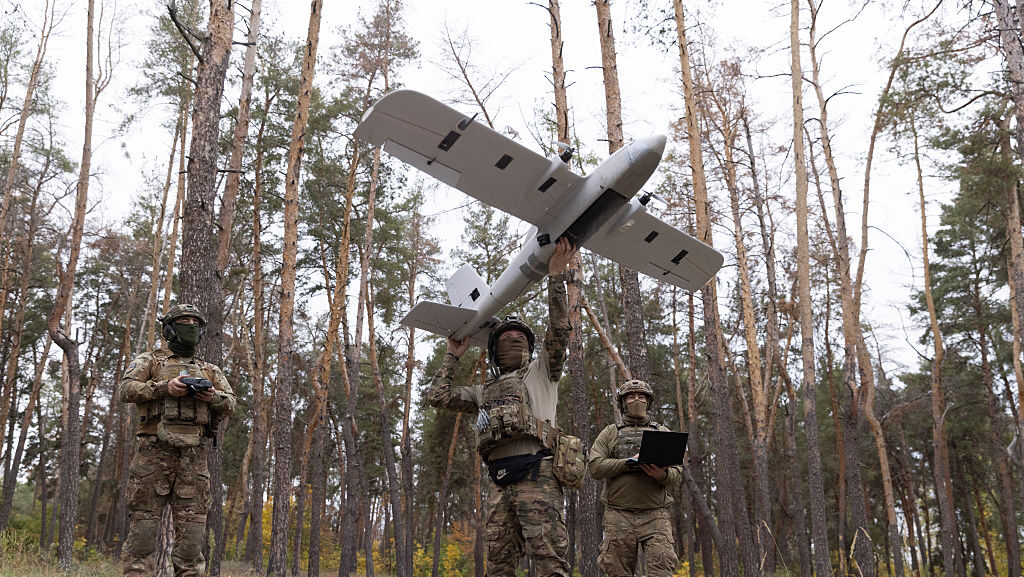
The B2B Commerce Angle: This geopolitical shift creates three distinct seller opportunities. First, defense technology exports: Ukraine has developed low-cost interceptor drones and counter-drone systems generating "increased international demand following the Iran war," according to the article. Sellers with access to Ukrainian defense manufacturers can establish distribution channels for these battle-proven systems across NATO markets. Second, manufacturing expertise licensing: Western companies are actively "partnering with Ukrainian defense firms to access battle-driven innovation and faster production methodologies," per Ihor Fedirko, CEO of the Ukrainian Council of Defence Industry. This creates opportunities for sellers to facilitate technology transfer, licensing agreements, and joint venture arrangements. Third, training and consulting services: With Ukrainian military instructors now embedded in German army schools and Danish drone specialists deployed across NATO, sellers can develop training programs, documentation, and knowledge transfer services.
Market Sizing and Seller Segments: The defense industrial base restructuring affects multiple seller categories. B2B sellers in manufacturing equipment, supply chain optimization, and logistics can target Ukrainian defense firms scaling production for NATO contracts. Sellers specializing in compliance, certification, and quality assurance services face growing demand as NATO partners establish joint production facilities requiring standardized processes. Technology sellers offering supply chain visibility, inventory management, and procurement platforms can serve the bidirectional knowledge exchange between Ukrainian and Western defense companies. Regional sellers in Poland, Denmark, and Germany have immediate opportunities to establish distribution networks for Ukrainian-manufactured systems, with potential market size estimated at $2-4B annually based on NATO procurement patterns and the "multiple NATO partners" expressing interest mentioned in the article.
Operational Implications: The establishment of JATEC and formalized training partnerships indicate sustained, long-term demand rather than temporary procurement spikes. This stability allows sellers to develop specialized offerings around Ukrainian manufacturing standards, quality certifications, and export compliance. The bidirectional knowledge exchange—where Ukrainian troops provide feedback on Western approaches—creates opportunities for sellers offering translation services, technical documentation, and cross-cultural business consulting. Supply chain sellers should anticipate increased logistics complexity as joint production facilities require coordinated sourcing across NATO members and Ukraine.
Questions 7
Are there export restrictions or compliance requirements for Ukrainian defense technology?
The article confirms that multiple NATO partners are establishing joint production facilities and expressing interest in purchasing Ukrainian weaponry, indicating that NATO members have cleared regulatory pathways for these transactions. However, sellers must recognize that defense technology exports involve strict compliance requirements including export controls, end-use certifications, and NATO standardization agreements (STANAGs). Sellers should partner with compliance specialists and legal advisors familiar with NATO procurement regulations, ITAR (International Traffic in Arms Regulations) where applicable, and Ukrainian export licensing requirements. The Ukrainian Council of Defence Industry can provide guidance on regulatory requirements for specific product categories.
What specific defense products is Ukraine exporting to NATO partners in 2026?
Ukraine is exporting low-cost interceptor drones and proven counter-drone systems that generated increased international demand following the Iran war, according to the April 2026 Business Insider report. Secretary General Mark Rutte confirmed Ukraine's competitive advantages in military innovation and anti-drone technology. Multiple NATO partners—Denmark, Poland, and Germany—have announced procurement initiatives and interest in establishing joint production facilities for these systems. Sellers can access these products through partnerships with the Ukrainian Council of Defence Industry, which actively facilitates foreign company engagement with local defense specialists.