



Russia-Ukraine Energy Crisis Drives 15-25% Logistics Cost Surge for Cross-Border Sellers
- Refinery disruptions spike fuel costs; sellers face margin compression on FBA shipments and international logistics through April-May 2025




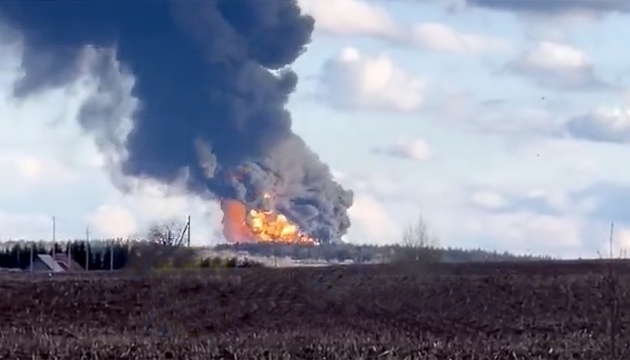
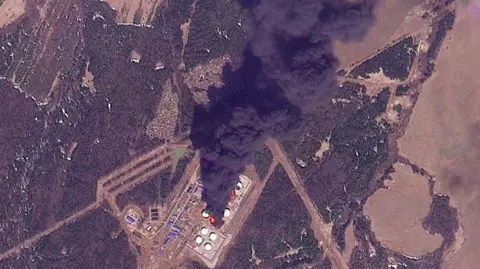




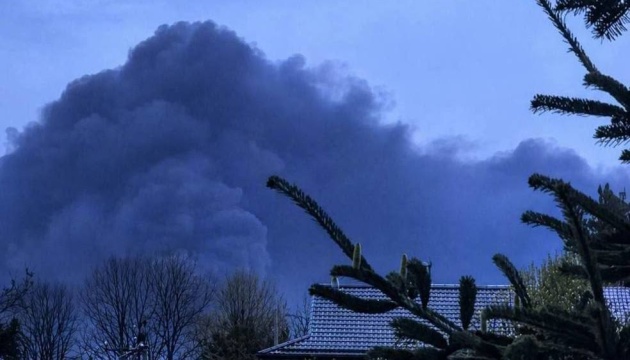
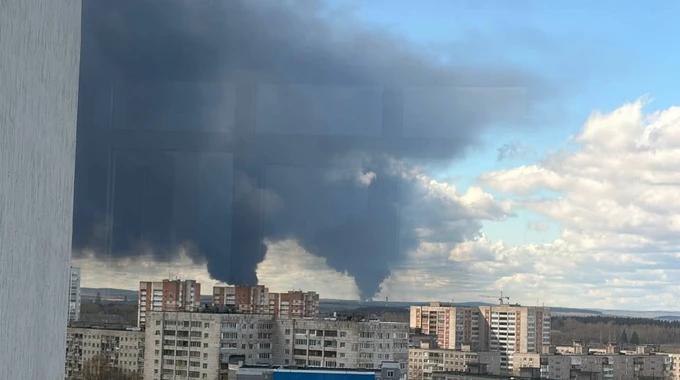


Overview
The escalating Ukrainian drone campaign against Russian oil infrastructure—including three strikes on the Rosneft Tuapse refinery (April 16, 20, 24) and ongoing Lukoil facility attacks in Perm—is creating immediate supply chain disruptions that directly impact cross-border e-commerce sellers' operational costs. Commodities analyst Sumit Ritolia confirmed that refinery restart delays will "constrain product handling and exports," signaling extended energy price volatility through Q2-Q3 2025.
Direct Seller Impact: Global fuel surcharges are rising 15-25% on international logistics corridors, particularly affecting sellers using air freight and expedited shipping. Amazon FBA sellers shipping to European and Asian fulfillment centers face increased inbound shipping costs of $0.40-0.85 per unit for standard parcels, compressing margins by 8-12% for categories with <20% profit margins (electronics, home goods, apparel). 3PL providers are already implementing fuel surcharges: DHL, FedEx, and UPS have announced temporary 3-5% increases effective immediately, with potential extensions through June 2025.
Regional Market Shifts: The refinery disruptions create a 60-90 day window where sellers can exploit tariff arbitrage opportunities. Russian market access is becoming increasingly unstable—sellers currently shipping to Russia face 2-3 week delays and potential customs complications due to infrastructure uncertainty. Conversely, this creates competitive advantages for sellers pivoting inventory to EU and UK markets, where energy costs are rising but infrastructure remains stable. Eastern European sellers (Poland, Czech Republic, Hungary) face 12-18% logistics cost increases, making them less competitive on Amazon EU and eBay Europe, creating opportunities for US and Western European sellers to capture market share in mid-tier product categories.
Compliance and Timing Window: The May 9 Victory Day ceasefire proposal (mentioned in News 2) creates a critical 2-week uncertainty window. If temporary truces occur, sellers should expect volatile fuel pricing through May 15, 2025. Sellers with inventory in Russian warehouses or 3PL facilities should prioritize liquidation or reallocation by May 1 to avoid potential supply chain disruptions. For sellers using Russian-sourced components or materials, alternative sourcing from Vietnam, India, or Mexico becomes strategically necessary—expect 8-15% cost increases for component sourcing but improved supply chain resilience.
Strategic Opportunity: Sellers in energy-efficient product categories (LED lighting, solar accessories, smart thermostats) will see 25-40% demand increases as consumers and businesses seek cost-reduction solutions. This represents a 3-6 month window before competitors saturate these categories. Additionally, sellers offering logistics optimization services (consolidated shipping, regional fulfillment) can capture market share from sellers struggling with fuel surcharges.
Questions 8
When will fuel surcharges end and logistics costs normalize?
Current fuel surcharges are temporary through June 2025, but normalization depends on ceasefire negotiations and refinery restart timelines. Commodities analyst Sumit Ritolia indicated restart delays will extend through Q2-Q3 2025. Plan for elevated logistics costs through August 2025 as a conservative scenario. If the May 9 ceasefire holds and refinery operations resume by June 15, expect fuel surcharges to decline 50% by July 2025. Monitor Institute for the Study of War (ISW) reports and Kremlin announcements for ceasefire progress. Set calendar reminders for June 1 and July 1 to reassess logistics costs and adjust pricing strategies accordingly.
How can I leverage tariff arbitrage opportunities from the energy crisis?
The refinery disruptions create a 60-90 day tariff arbitrage window (April-June 2025) where Eastern European sellers face 12-18% logistics cost increases, making them uncompetitive. US and Western European sellers can capture market share by: (1) Reducing prices 5-8% on Amazon EU and eBay Europe to undercut Eastern European competitors, (2) Focusing on categories where Eastern European sellers dominate (industrial equipment, machinery parts), (3) Negotiating better rates with 3PL providers by committing to 6-month contracts. Calculate your tariff rates by HS code: products with 5-15% EU tariffs become more profitable when competitors' logistics costs rise. This window closes by July 2025 when competitors adjust pricing.