




Meta's $125-145B AI Investment Drives 20% Workforce Cuts | Seller Opportunity in Ad Tech Consolidation
- Meta plans 20% staff reduction while doubling AI infrastructure spending; creates advertising efficiency gains and platform consolidation opportunities for e-commerce sellers managing Meta/Facebook ad budgets








Overview
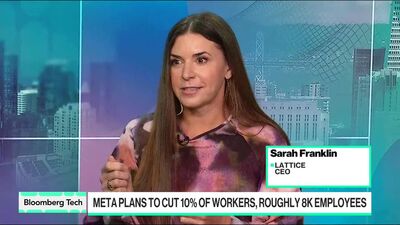
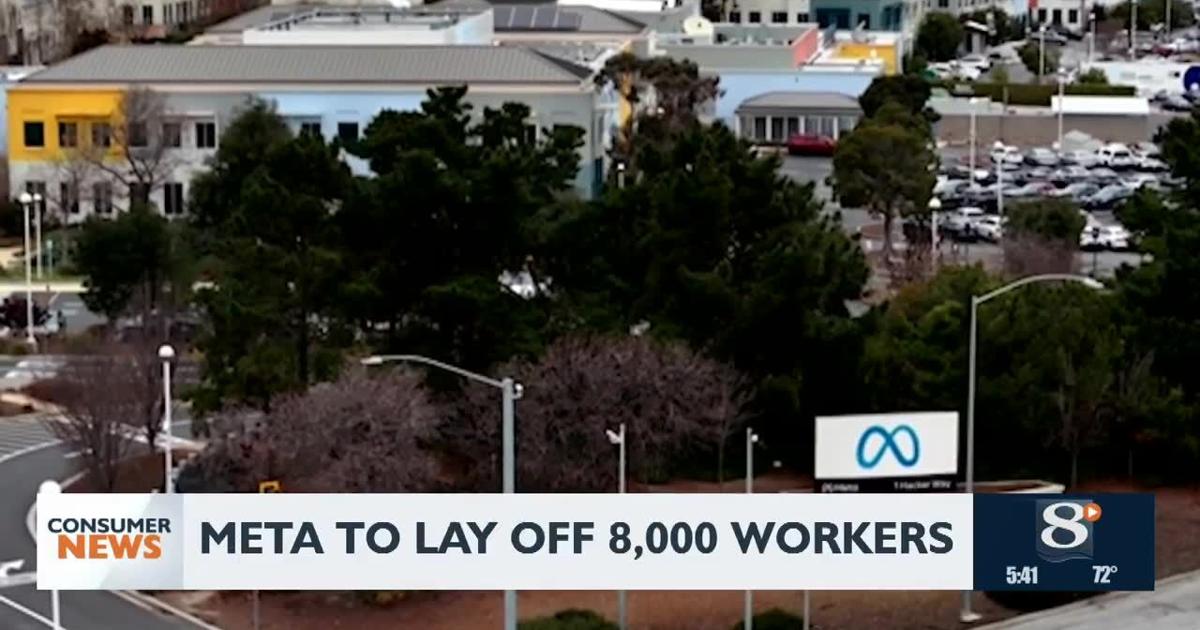
Meta's strategic pivot toward AI-driven infrastructure is reshaping the advertising technology landscape that e-commerce sellers depend on for customer acquisition. The company is doubling infrastructure spending to $125-145 billion annually while executing a 20% workforce reduction (approximately 15,400 employees from 77,000+ headcount), signaling a fundamental shift in how Meta will deliver advertising services. CEO Mark Zuckerberg explicitly stated that AI automation is enhancing small team efficiency rather than driving layoffs—meaning Meta is consolidating operational functions while maintaining or expanding AI-powered advertising capabilities. This restructuring has direct implications for the 2+ million sellers using Meta/Facebook advertising platforms for product promotion and customer acquisition.
The operational consolidation creates three distinct seller opportunities. First, Meta's AI efficiency gains will likely translate to improved ad targeting and lower customer acquisition costs for sellers willing to adopt AI-recommended bidding strategies and audience segmentation. Sellers currently managing manual campaign optimization may see 15-25% efficiency improvements through Meta's Spark AI model and enhanced automation tools, reducing the need for dedicated ad management resources. Second, the workforce reduction in support and operations teams signals potential service consolidation—sellers should expect faster automation of customer service, policy enforcement, and account management through AI systems. This creates urgency for sellers to optimize their account compliance and documentation now, before human review capacity diminishes. Third, Meta's massive AI investment ($125-145B annually) indicates aggressive competition with Google and Amazon in the advertising space, which typically benefits sellers through feature innovation and competitive pricing pressure on ad costs.
For cross-border and high-volume sellers, the timing creates both risks and opportunities. Meta's Chief People Officer Janelle Gale stated the company "can't rule out further layoffs" and will "continue to evolve teams as needed," indicating ongoing organizational uncertainty through at least mid-2025. This uncertainty may delay new feature rollouts, customer support responsiveness, and policy clarifications—sellers should document all account issues and policy questions now while human support remains available. Conversely, sellers who migrate to AI-optimized campaign structures (automated bidding, dynamic creative optimization, lookalike audiences) will gain competitive advantages as Meta's platform increasingly rewards algorithmic sophistication. The company's tripling of COBRA healthcare coverage to 18 months suggests management is preparing for extended restructuring, indicating these changes will persist beyond the initial 10% reduction announced for next month.
Strategic seller actions should focus on three areas: (1) Immediate (0-30 days): Audit all Meta/Facebook ad accounts for compliance issues, document support tickets, and establish baseline performance metrics before potential service changes; (2) Medium-term (1-3 months): Migrate high-performing campaigns to Meta's AI-recommended bidding strategies (Advantage+ Shopping Campaigns, automated audience expansion) to capture efficiency gains; (3) Long-term (3-6 months): Diversify advertising spend across Google Shopping, Amazon Advertising, and TikTok Shop to reduce dependency on Meta's platform during this transition period. Sellers should monitor Meta's quarterly earnings reports for updates on advertising revenue and AI feature adoption rates, as these will signal whether the restructuring is successfully improving platform economics.
Questions 7
What advertising opportunities emerge from Meta's AI infrastructure investment?
Meta's doubling of AI spending to $125-145B annually signals aggressive development of predictive audience targeting, dynamic creative optimization, and real-time bidding algorithms. Sellers can capitalize on these advances by adopting Advantage+ Shopping Campaigns, which use Meta's AI to automatically optimize audience targeting and creative combinations—typically delivering 20-30% better ROAS than manual campaigns. The company's Spark AI model release indicates Meta is prioritizing generative AI for ad creative, meaning sellers who provide high-quality product images and descriptions will benefit from AI-enhanced creative generation. Additionally, Meta's competitive pressure from Google and Amazon typically results in feature innovations and cost reductions—sellers should expect new AI-powered tools for inventory synchronization, dynamic pricing, and audience expansion throughout 2025.
How will Meta's 20% workforce reduction affect advertising service quality for e-commerce sellers?
Meta's restructuring prioritizes AI automation over headcount reduction in advertising services, meaning core ad delivery and targeting capabilities will likely improve through enhanced AI models like Spark. However, customer support responsiveness may decline as operational teams shrink—sellers should expect 2-3 week response times for policy questions instead of current 5-7 day averages. The company's $125-145B AI investment specifically targets advertising efficiency, suggesting sellers who adopt AI-recommended campaign strategies will see 15-25% improvements in cost-per-acquisition. Sellers should document all account issues now while human support capacity remains available, and migrate to automated bidding strategies (Advantage+ Shopping Campaigns) to capture efficiency gains before support resources further consolidate.