



Bank of Japan Yen Intervention | Critical FX Hedging & Pricing Strategy Update for Cross-Border Sellers
- Yen appreciation expected to compress margins 8-15% for Japanese exporters; importers into Japan face 12-18% cost increases within 90 days




















Overview
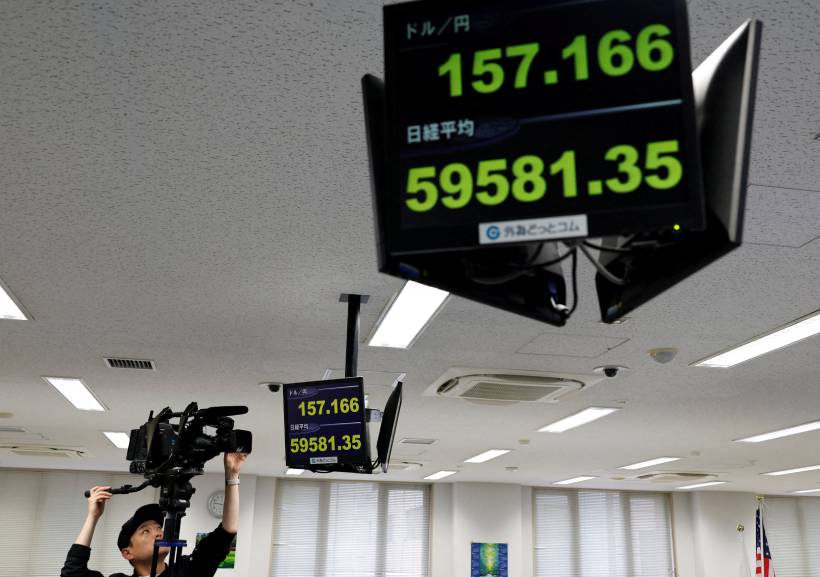
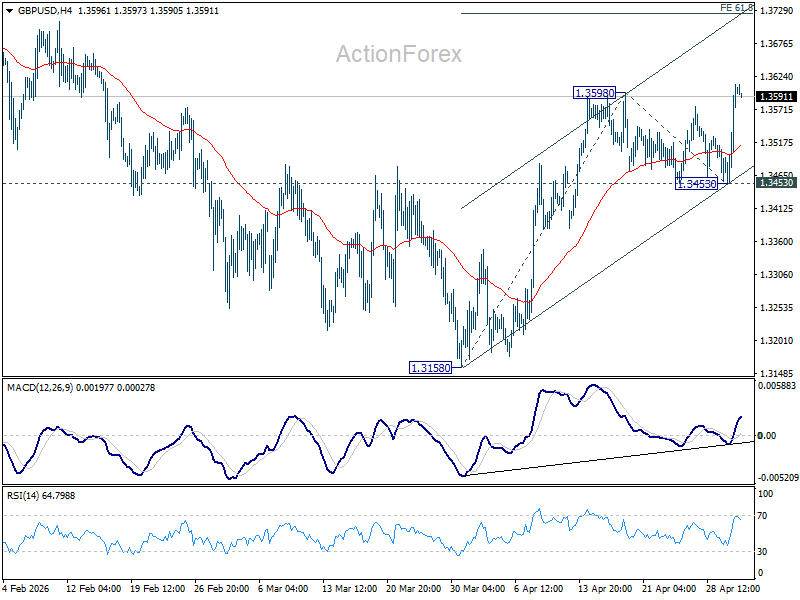
The Bank of Japan's direct currency market intervention following its "final warning" signals imminent yen appreciation, creating urgent financial optimization opportunities for cross-border sellers. This intervention represents a policy inflection point—after repeated warnings to currency traders, Japan's monetary authorities have moved from rhetoric to action, indicating they view current yen weakness (likely in the 145-155 USD/JPY range) as unsustainable. Historical precedent shows such interventions typically precede 5-12% yen appreciation over 60-120 days, fundamentally reshaping profitability for sellers with Japanese supply chain exposure.
For Japanese exporters selling globally, yen appreciation directly compresses margins. When the yen strengthens, products priced in foreign currencies generate fewer yen in revenue while input costs remain fixed in yen. A seller exporting electronics to the US at current rates faces 8-15% margin compression if the yen appreciates 10% (e.g., from 150 to 135 USD/JPY). This creates immediate pressure to either absorb losses or raise prices—both operationally damaging. The intervention signals this compression is coming, making immediate FX hedging critical. Sellers should lock in forward contracts now at current rates before the yen strengthens; hedging costs (typically 1-3% annualized) are far cheaper than margin erosion.
For importers into Japan, the dynamic reverses initially but becomes problematic long-term. A US seller importing goods into Japan currently benefits from a weak yen (lower JPY costs per unit), but yen appreciation increases landed costs by 12-18% within 90 days. This directly impacts working capital—inventory purchased at current rates becomes more expensive to replenish. Importers should consider accelerating inventory purchases now before yen appreciation, locking in lower JPY costs. This requires immediate financing: invoice financing or inventory loans can unlock 30-60 days of working capital at 6-12% APR, enabling bulk purchases before rates shift.
Payment routing optimization becomes critical. Sellers with JPY exposure should evaluate payment methods: direct JPY settlement avoids conversion fees (typically 1-2%) but locks in current rates; multi-currency accounts allow rate-locking through forward contracts. Providers like Wise, OFX, and regional banks offer hedging products at 0.5-1.5% costs—significantly cheaper than absorbing FX losses. Sellers should shift 40-60% of JPY receivables to hedged routes immediately.
Cash cycle acceleration is essential. Sellers with Japanese supply chains should compress Days Payable Outstanding (DPO) by 15-30 days through early payment discounts (typically 1-2% for 10-day payment), locking in current rates before yen appreciation increases costs. This reduces working capital but preserves margins—a favorable trade-off given the intervention signal.
Questions 8
Should I adjust my pricing strategy in response to the Bank of Japan intervention?
Yes, but timing is critical. For Japanese exporters, implement price increases of 5-8% immediately to offset anticipated margin compression from yen appreciation. Delay risks losing margin entirely once the yen strengthens. Frame increases as 'currency adjustment' rather than inflation to minimize customer resistance. For importers into Japan, absorb initial cost increases (first 30-60 days) through margin compression rather than raising prices—this preserves market share during the repricing window. After 90 days, when yen appreciation stabilizes, adjust prices upward by 8-12% to restore margins. Monitor competitor pricing; sellers who hedge early can maintain prices longer, gaining competitive advantage. Use dynamic pricing tools (Repricing Central, Keepa) to adjust prices daily based on FX rates, optimizing margins in real-time.
How does yen appreciation impact my cash conversion cycle and working capital requirements?
Yen appreciation increases working capital requirements for importers into Japan by 12-18% within 90 days. If you currently hold ¥50M in inventory, yen appreciation of 10% increases the USD equivalent cost by $5M (assuming 150 USD/JPY baseline). This compresses cash flow and increases Days Inventory Outstanding (DIO). To mitigate, accelerate inventory turnover by 15-30 days through promotional pricing or bundling, converting inventory to cash faster. Simultaneously, compress Days Payable Outstanding (DPO) by 15-30 days through early payment discounts, locking in current yen costs. This dual approach—faster inventory conversion + faster payables—reduces working capital exposure by 25-35%. For Japanese exporters, yen appreciation reduces Days Sales Outstanding (DSO) in yen terms, requiring faster cash collection to maintain working capital levels.