



Android Laptop Revolution: Samsung Galaxy Books Challenge Windows Dominance | Seller Opportunity in Fragmented OS Market
- Samsung launches 3-tier Android 17 Galaxy Book lineup by 2026, fragmenting $180B laptop market and creating new accessory/software opportunities for cross-border sellers



)


Overview
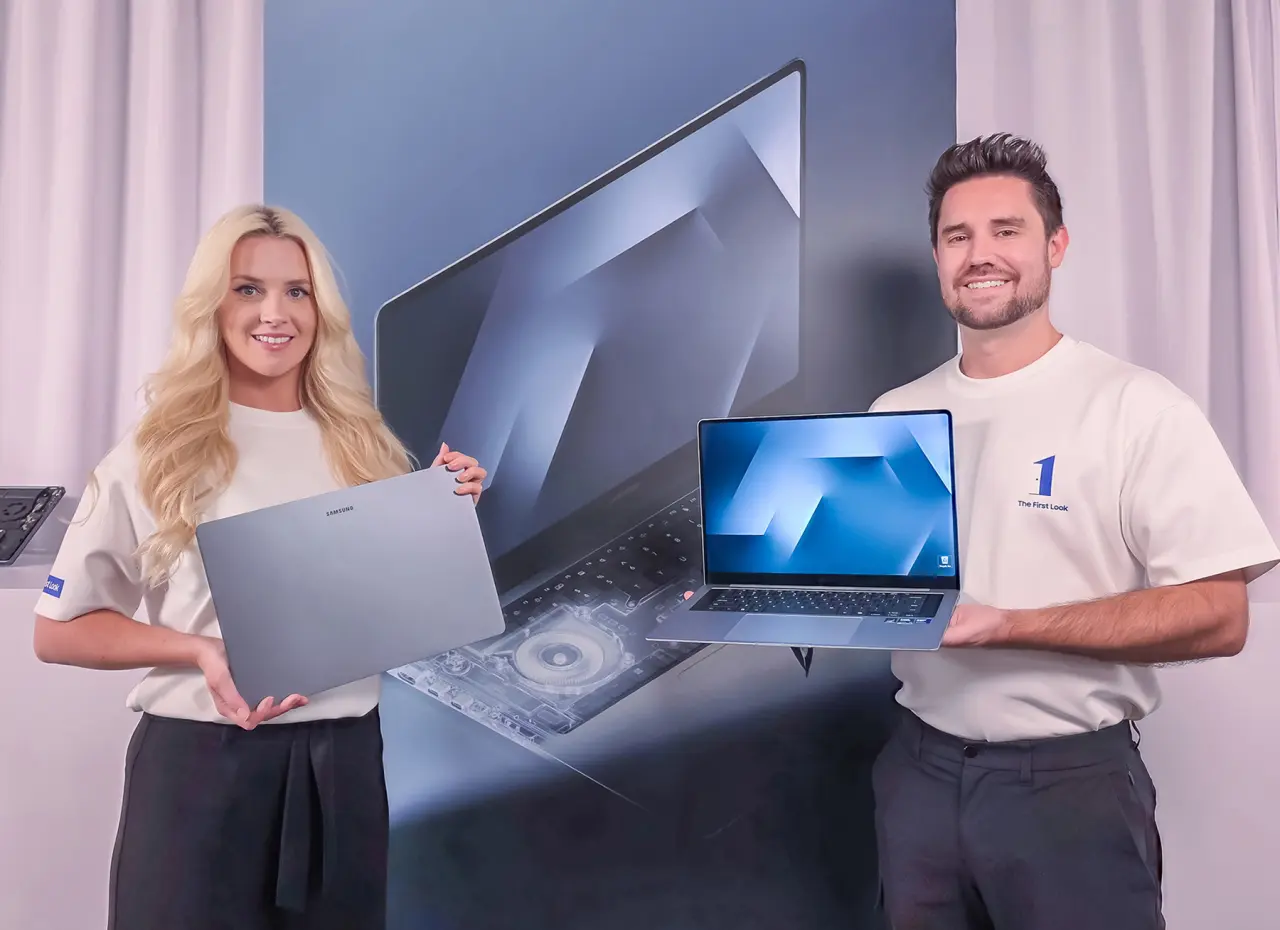
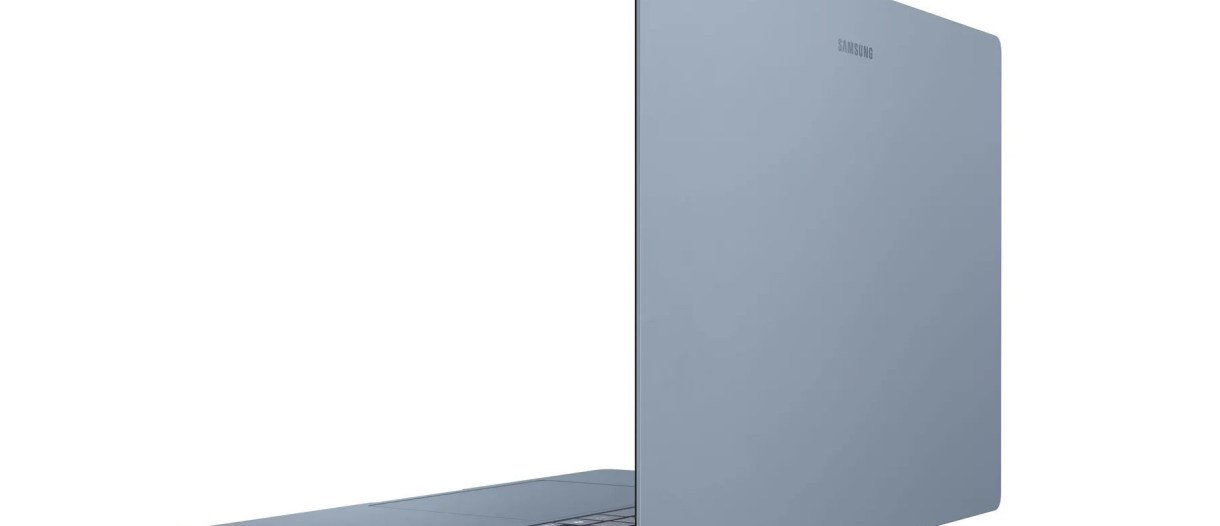
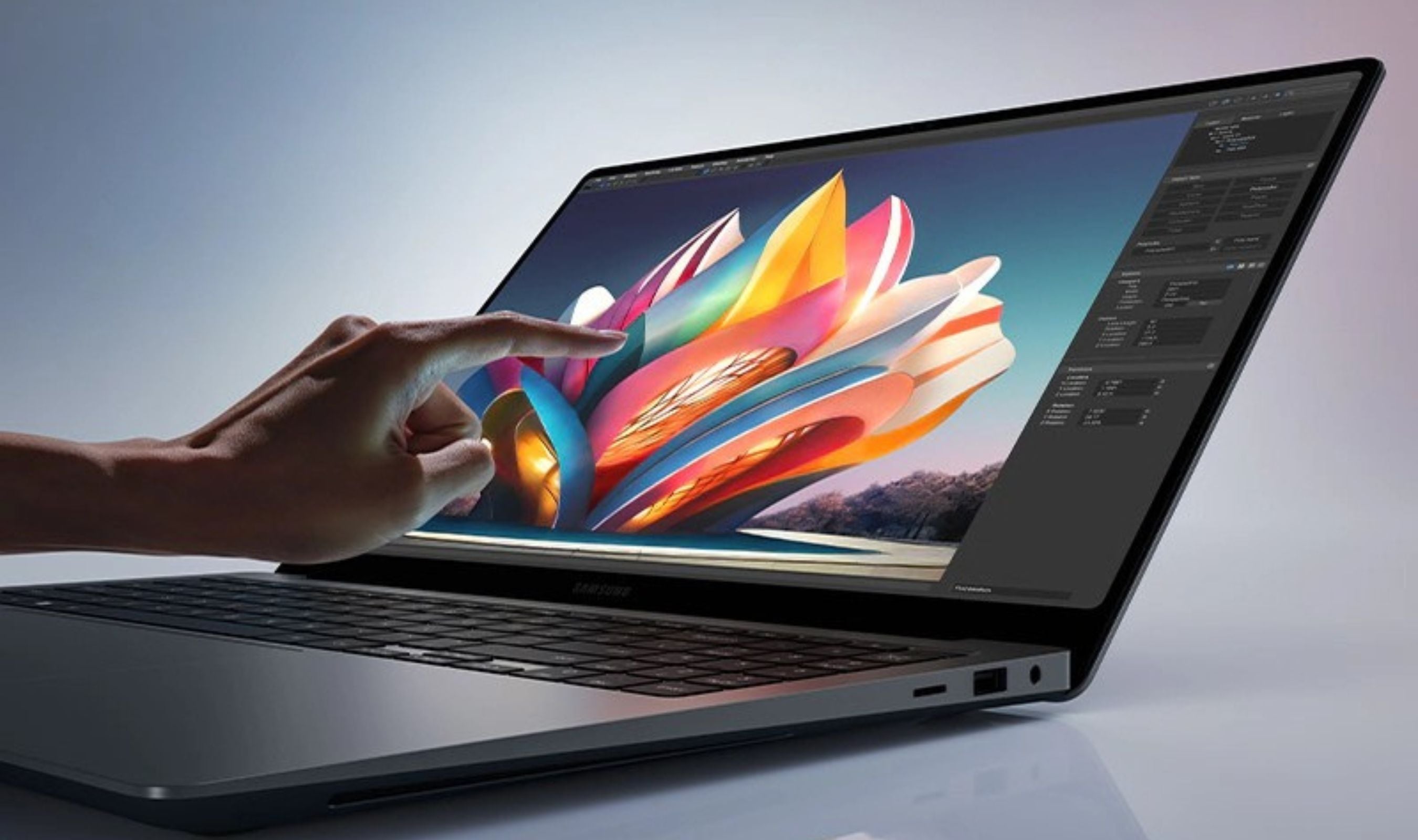
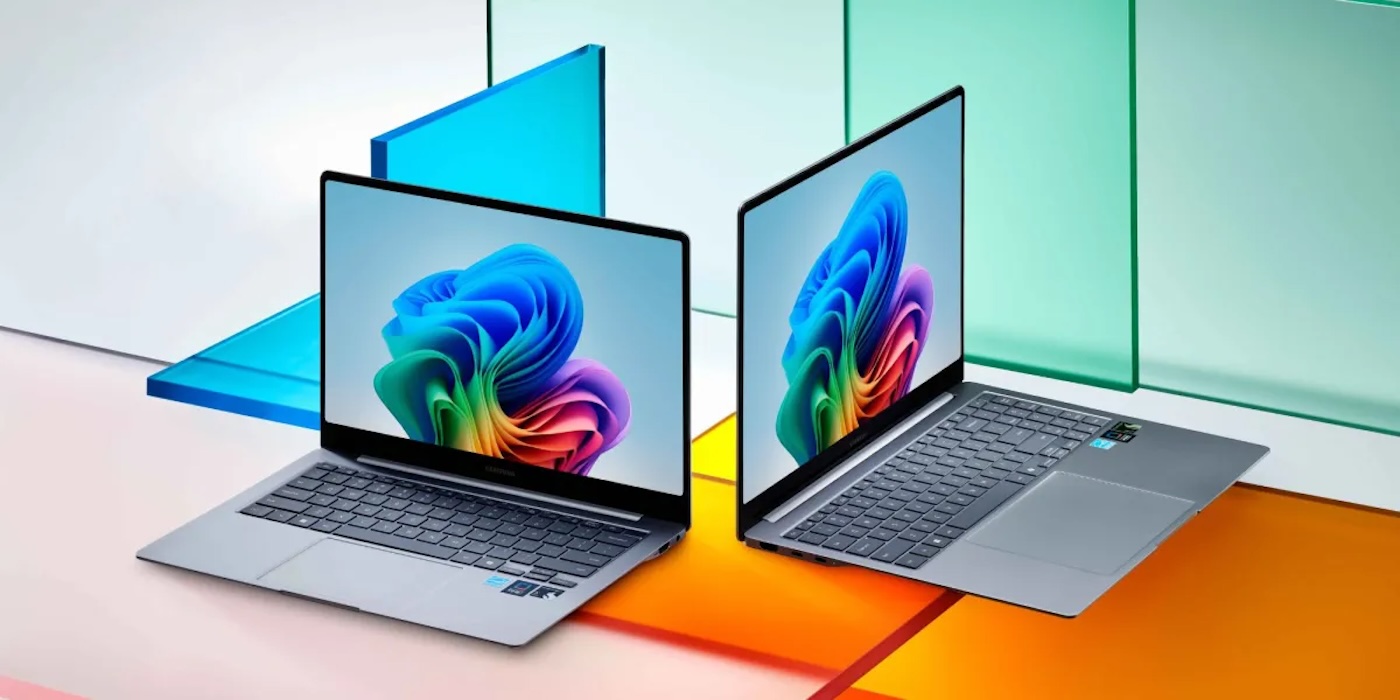
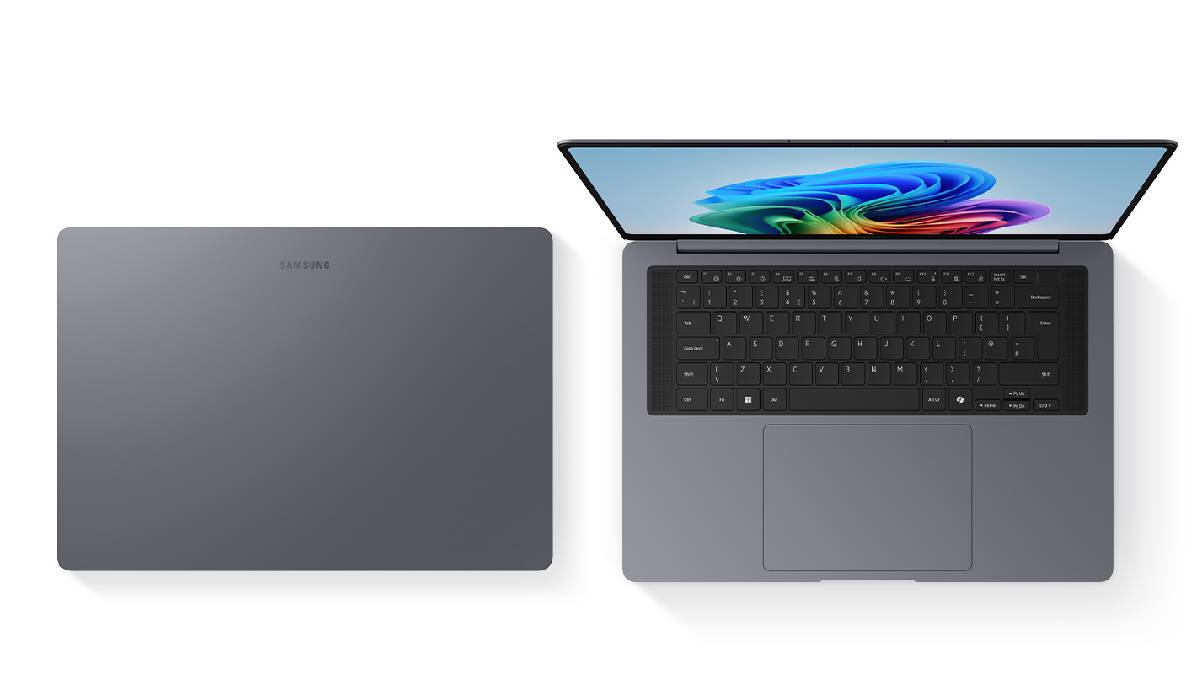
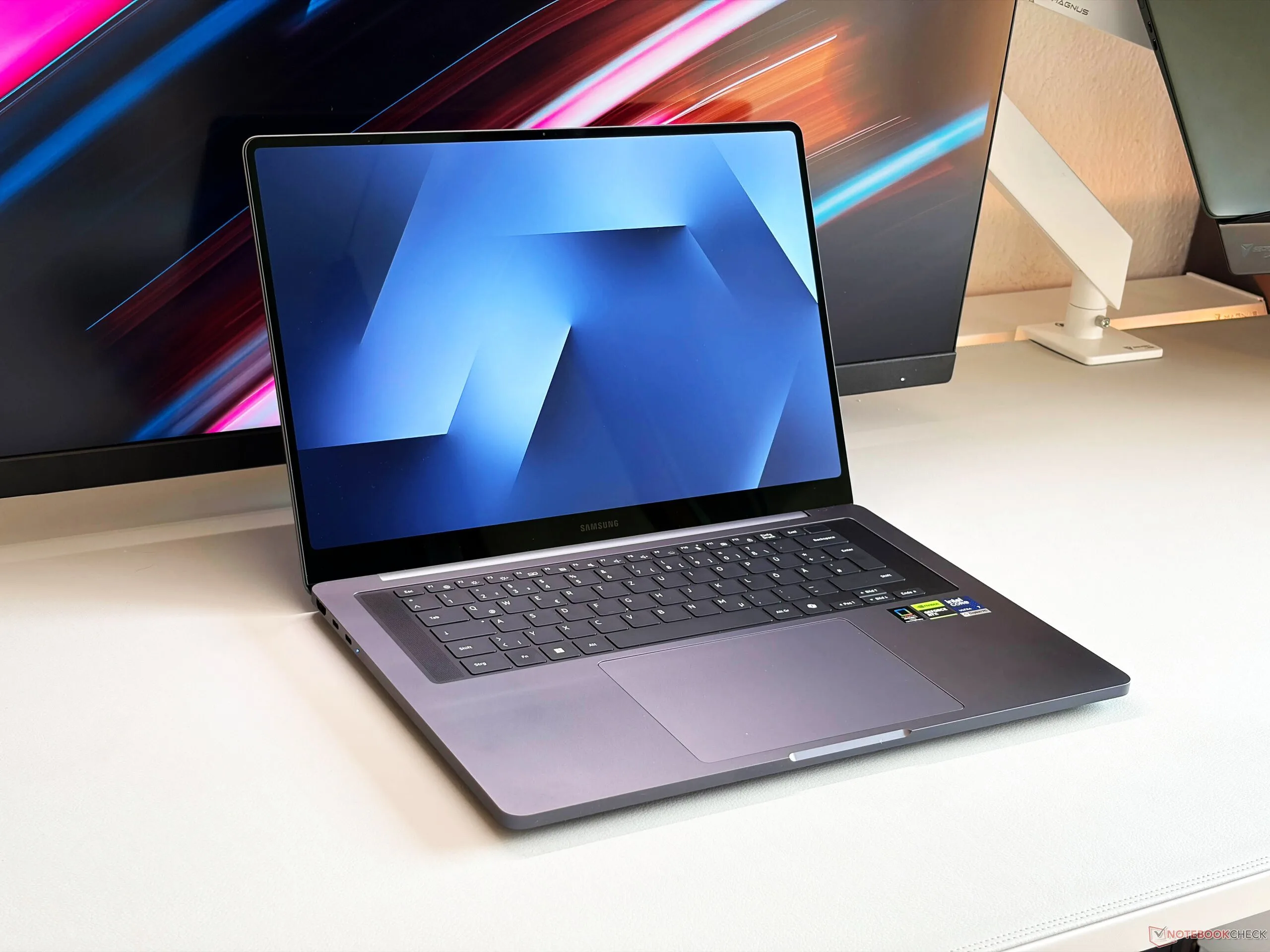
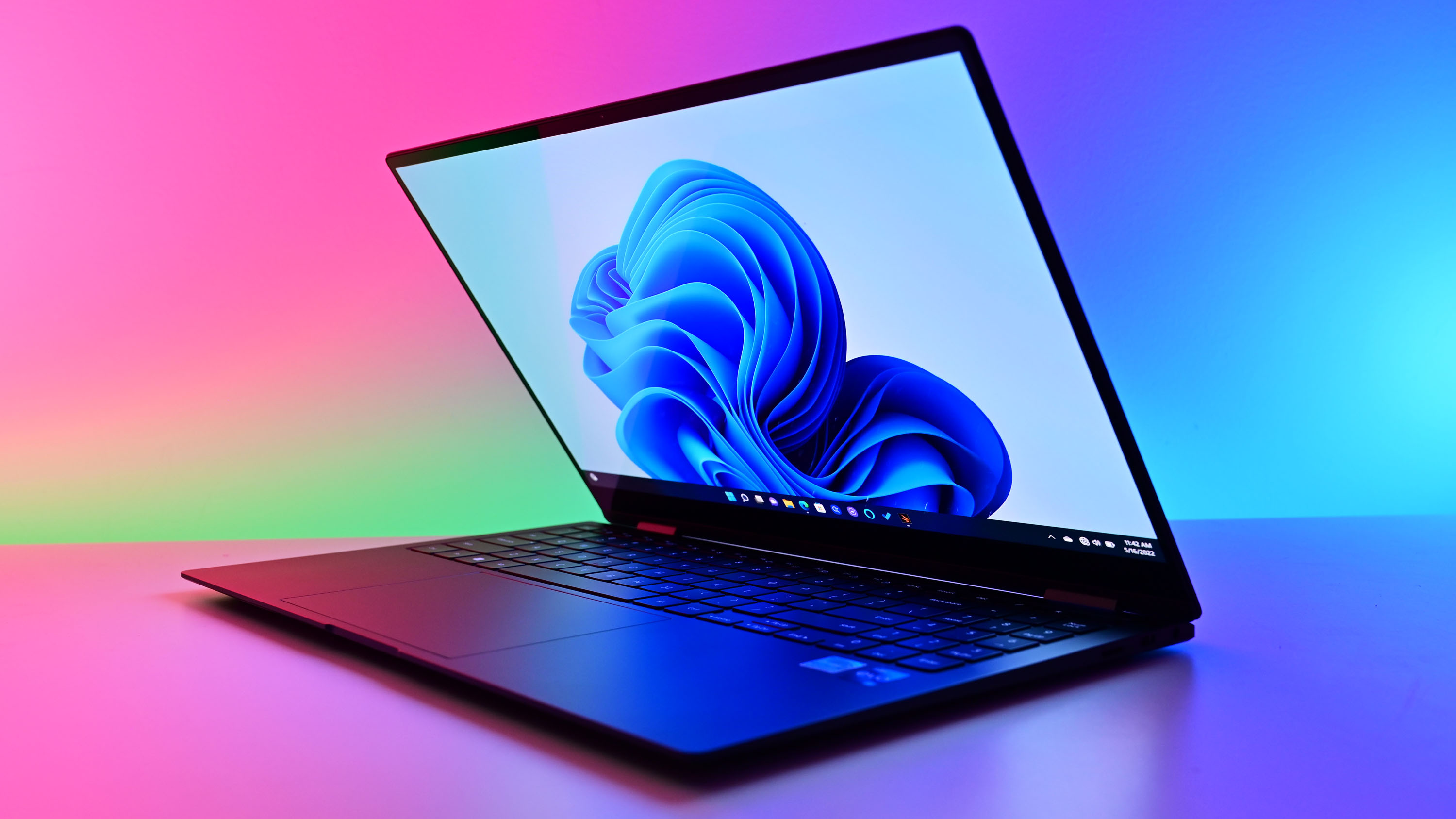
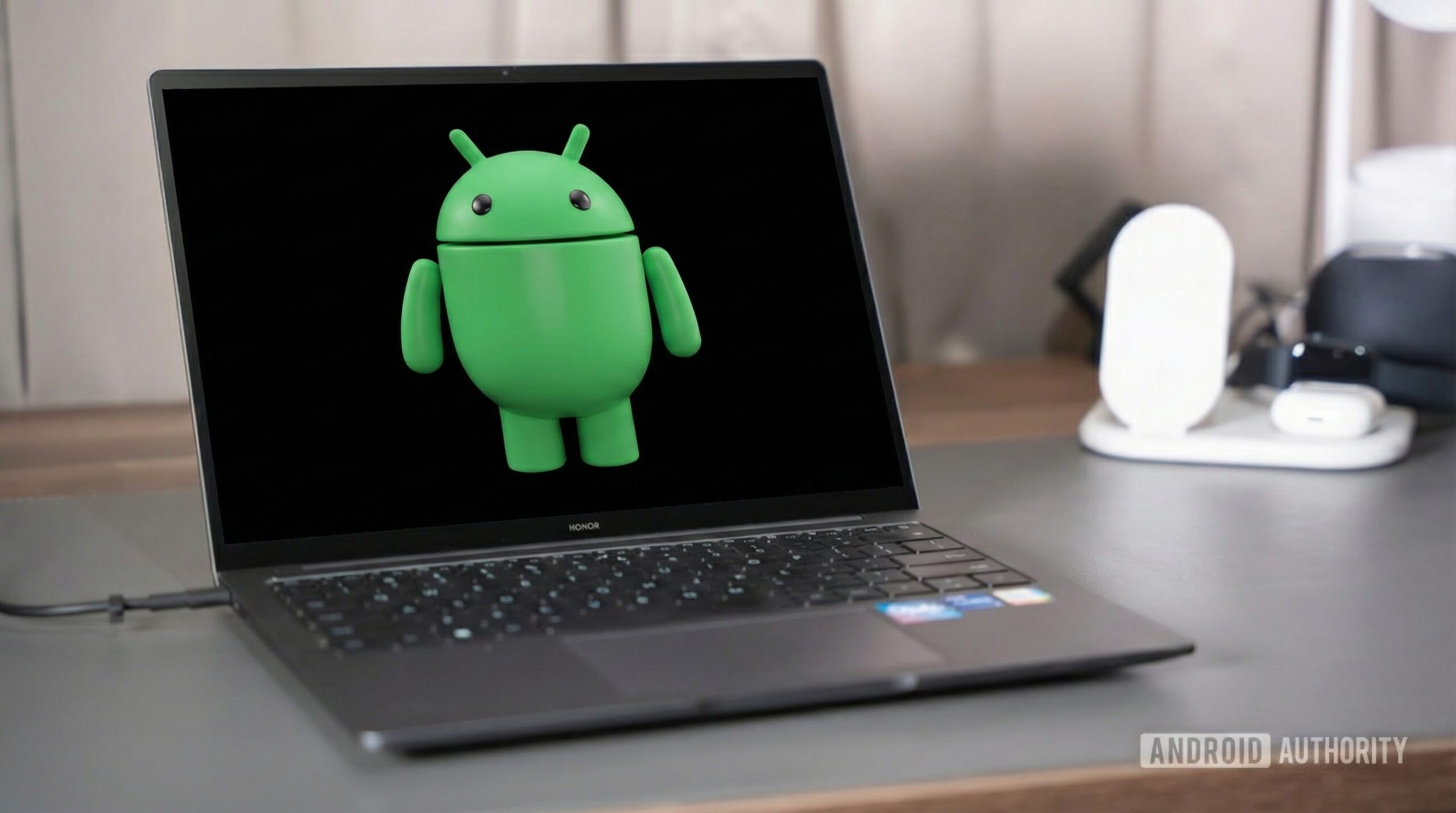
Samsung is fundamentally reshaping the laptop market by abandoning Windows for Android 17-powered Galaxy Books, signaling a major industry shift away from Microsoft's dominance. According to SamMobile's exclusive reporting, Samsung is developing three distinct Galaxy Book models (low-end, mid-range, flagship) running Android 17 with One UI 9 customization, expected to launch alongside Google's Aluminium OS at Google I/O in May 2026. This strategic pivot directly challenges the $180B global laptop market, where Windows currently commands 75%+ market share. The move creates significant fragmentation risks: Samsung could deploy pure Android 17 with enhanced DeX, adopt Aluminium OS with heavy One UI branding, or operate within a customizable Aluminium framework—three scenarios that fundamentally alter the competitive landscape.
For cross-border e-commerce sellers, this development creates both immediate and long-term opportunities. The fragmentation of the laptop OS ecosystem mirrors the Android smartphone market, where device-specific accessories, software solutions, and compatibility tools generate billions in annual sales. Sellers specializing in laptop accessories face a critical inflection point: the current Windows-dominated market (supporting 1.5B+ devices globally) will fragment into competing ecosystems—Samsung Galaxy Books, Google Pixel Books, Apple MacBooks, and legacy Windows machines. This creates demand for ecosystem-specific products: Galaxy Book docking stations, One UI-optimized productivity apps, Android-to-desktop software bridges, and cross-device synchronization tools. The Galaxy Chromebook currently priced at $775 suggests Samsung's Android Books will target the premium segment ($800-2,000), where accessory attach rates reach 40-60% compared to 15-20% for budget laptops.
The timeline and fragmentation risk present both challenges and opportunities. Google's May 2026 Aluminium OS unveiling creates an 18-month window where sellers can position themselves in emerging categories. Samsung's current laptop portfolio (Windows Galaxy Book 6 series plus one Chromebook) indicates the company is hedging bets across three OS platforms simultaneously—a strategy that mirrors Apple's ecosystem success but risks creating support nightmares for sellers. The news explicitly mentions "heavy OEM customization" of Aluminium OS, echoing Android smartphone fragmentation that delayed updates by 6-12 months and created compatibility issues affecting 30-40% of the installed base. For sellers, this means: (1) device-specific product lines will become mandatory, (2) software compatibility testing will increase costs by 25-35%, and (3) customer support complexity will spike as users encounter OS-specific bugs and feature gaps.
Immediate seller implications span three categories. First, laptop accessory sellers must begin developing Samsung Galaxy Book-specific products now—docking stations, cooling pads, protective cases—targeting the premium segment where Samsung historically achieves 15-20% market share in developed markets. Second, software and app developers should prepare Android-to-desktop bridges and One UI optimization tools, as the fragmentation will create demand for compatibility layers similar to the $2.1B mobile app ecosystem. Third, cross-border sellers targeting Asia-Pacific and Europe should monitor Samsung's regional launch strategy, as the company typically staggered Galaxy product releases across regions with 3-6 month delays, creating arbitrage opportunities in early-adopter markets.
Questions 8
What are the immediate actions sellers should take before May 2026 launch?
Sellers should take three immediate steps: (1) Begin developing Samsung Galaxy Book-specific accessories now—docking stations, cases, cooling solutions—targeting the premium segment where Samsung achieves 15-20% market share; (2) Monitor Samsung's regional launch strategy, as the company typically staggers Galaxy releases 3-6 months across Asia-Pacific, Europe, and North America, creating arbitrage opportunities; (3) Prepare Android-to-desktop software compatibility tools and One UI optimization solutions, as fragmentation will create demand for ecosystem bridges. The 18-month window before May 2026 provides time to develop products, establish supplier relationships, and position listings before mainstream adoption. Sellers should avoid major strategic shifts until official Samsung launch announcements, but can begin low-risk product development and market research immediately.
How does this shift challenge Windows dominance in the laptop market?
Samsung's move directly challenges Windows's 75%+ market share in the $180B global laptop market. The news reports Apple's successful MacBook Neo launch demonstrated market appetite for non-Windows alternatives, while Microsoft responded by refocusing away from aggressive Copilot AI integration toward system stability. Samsung's three-tier strategy targets different market segments simultaneously, leveraging its ecosystem strength (1.2B+ Galaxy device users) to drive adoption. This fragmentation creates opportunities for sellers: the current Windows-dominated market will split into competing ecosystems, increasing demand for ecosystem-specific accessories and software. However, sellers must prepare for 18-24 months of market uncertainty before Android laptops achieve meaningful market penetration.