


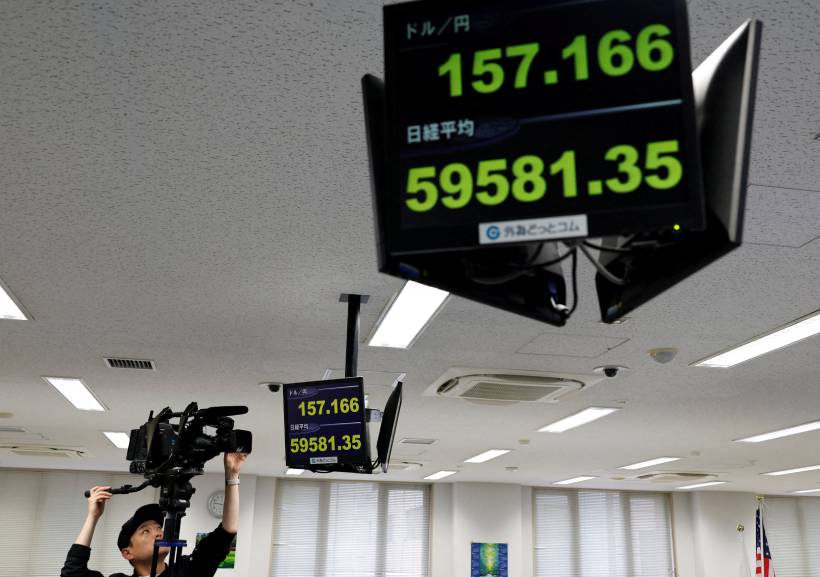

Japan's Yen Crisis Creates FX Arbitrage Opportunities for Cross-Border Sellers | 160.72 USD/JPY
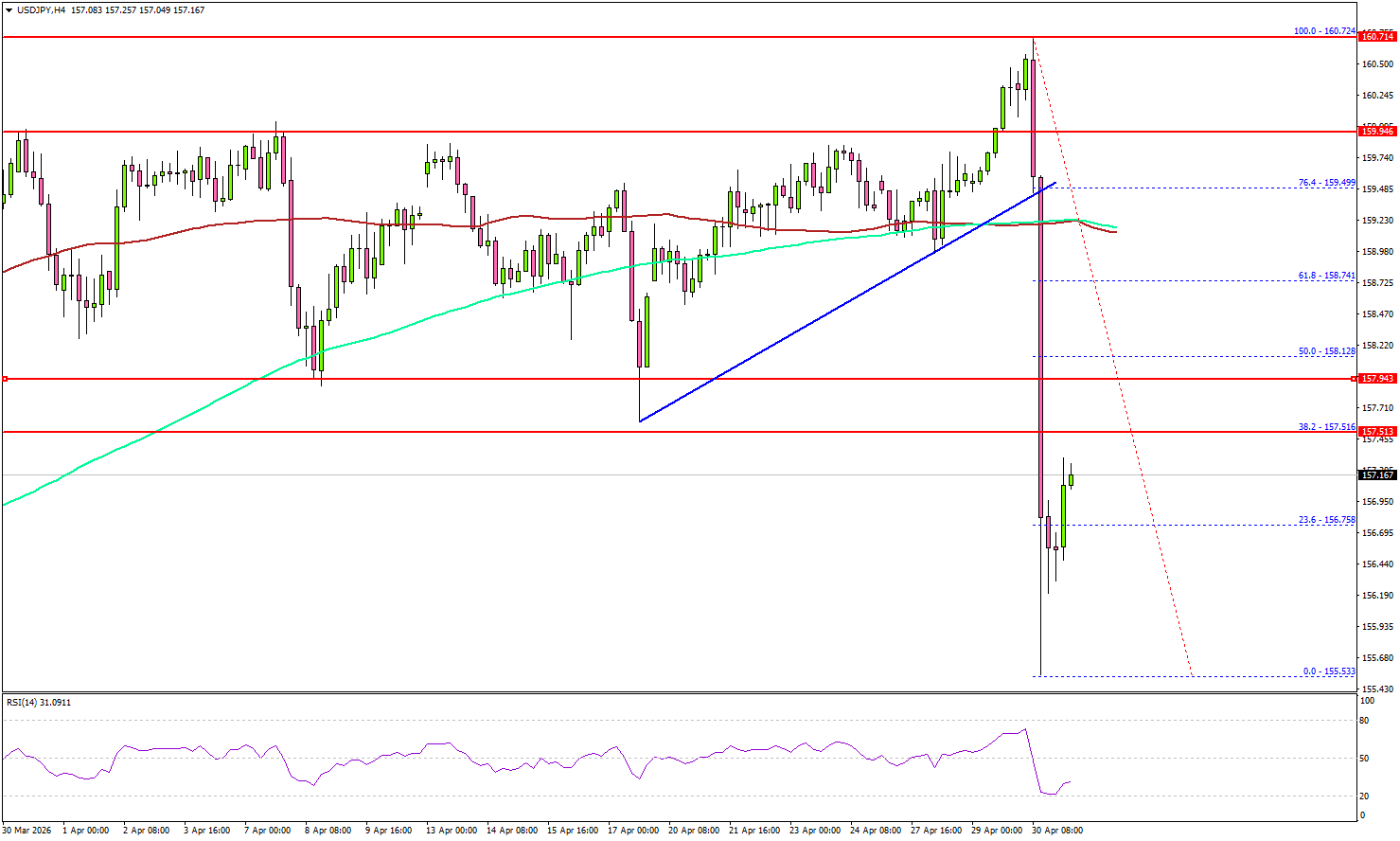
- Yen weakness at 1-year low (160.72 JPY/USD) creates 8-12% cost inflation for Japan-sourcing sellers and immediate FX hedging opportunities; elevated oil prices (Strait of Hormuz closure) compress margins for 50K+ sellers importing from Middle East
























Overview
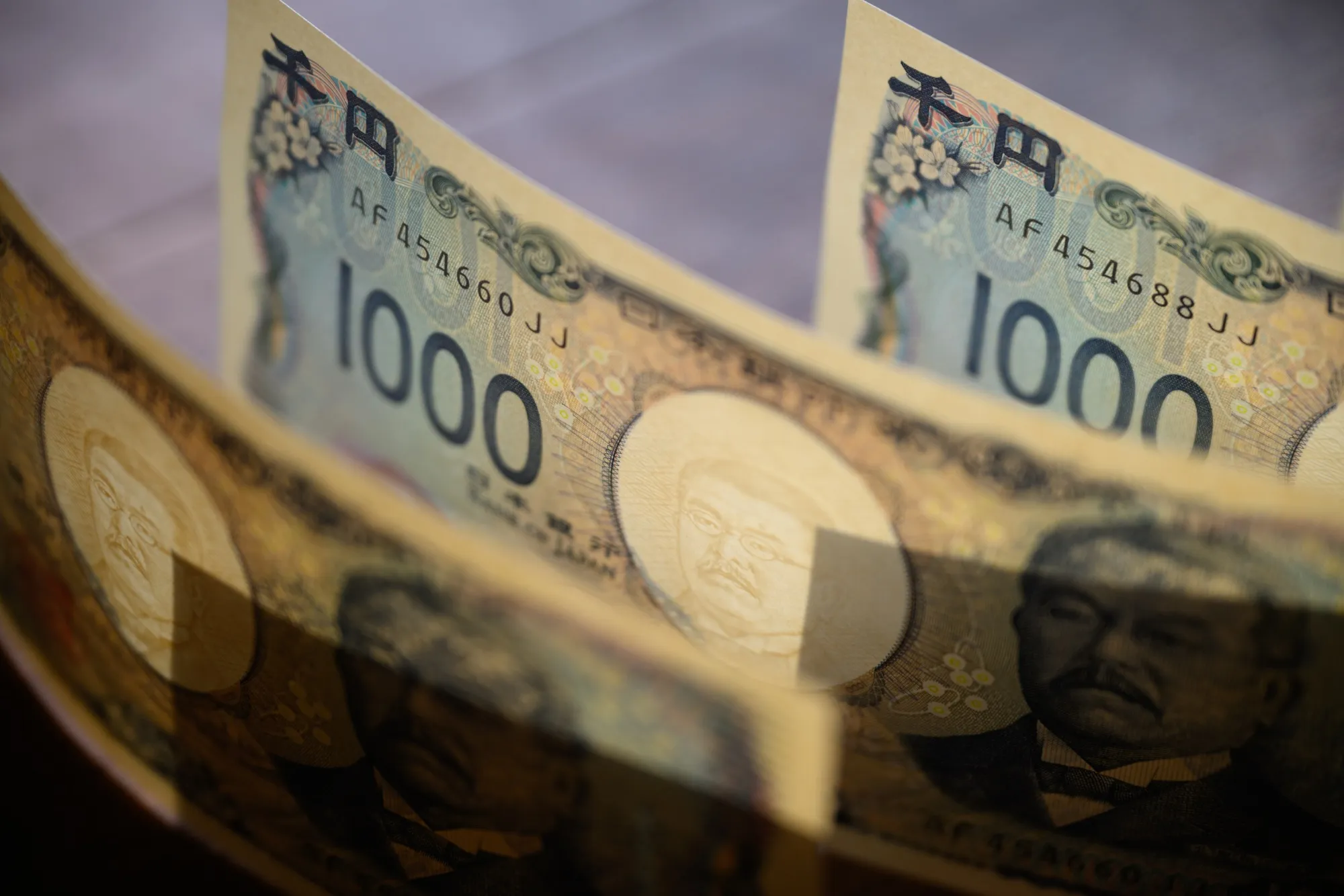
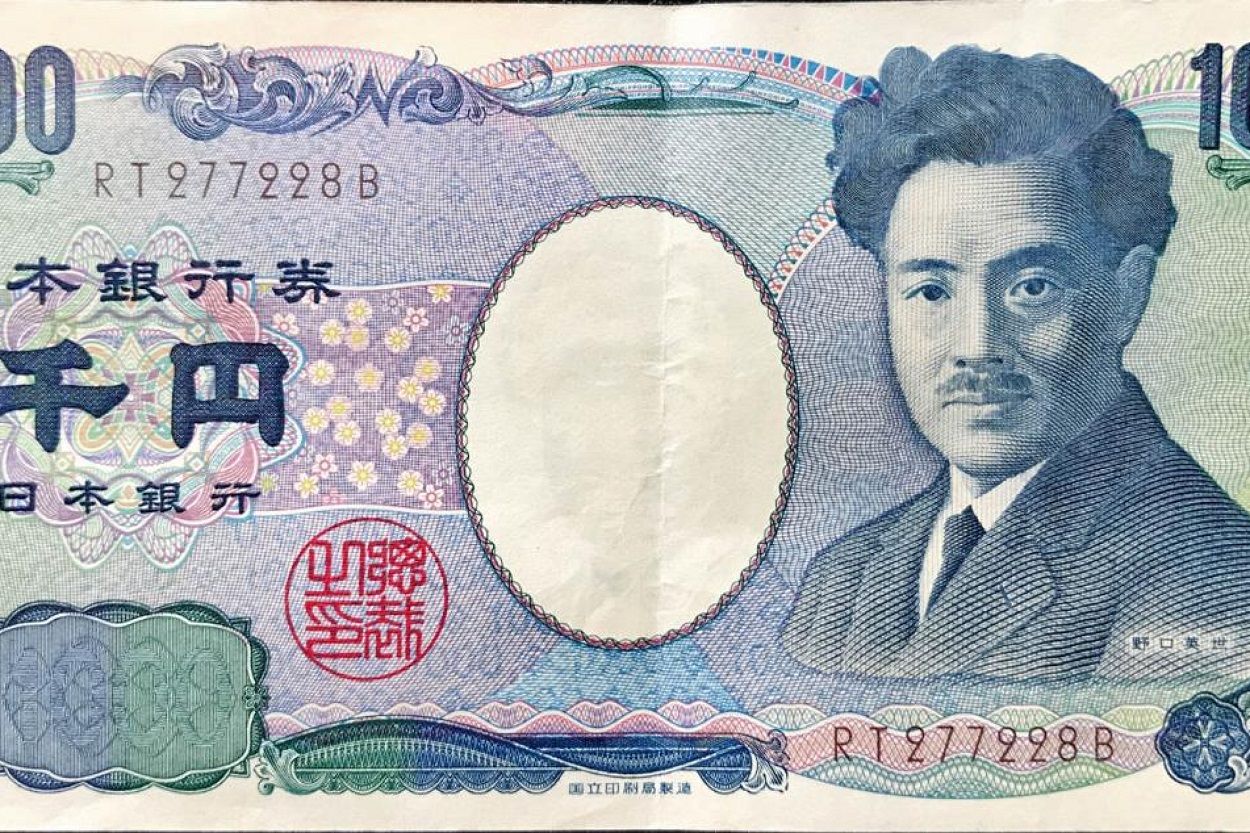
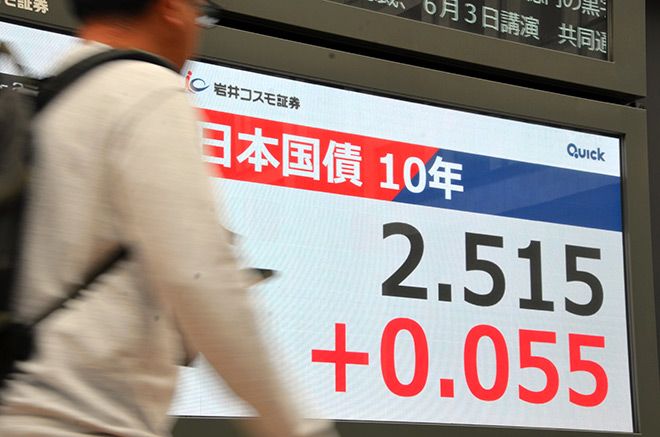
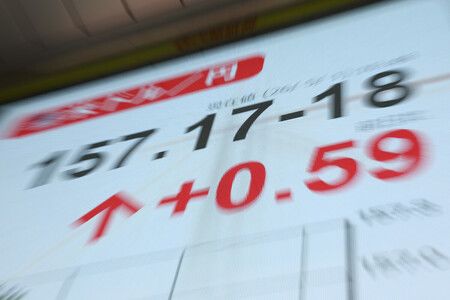
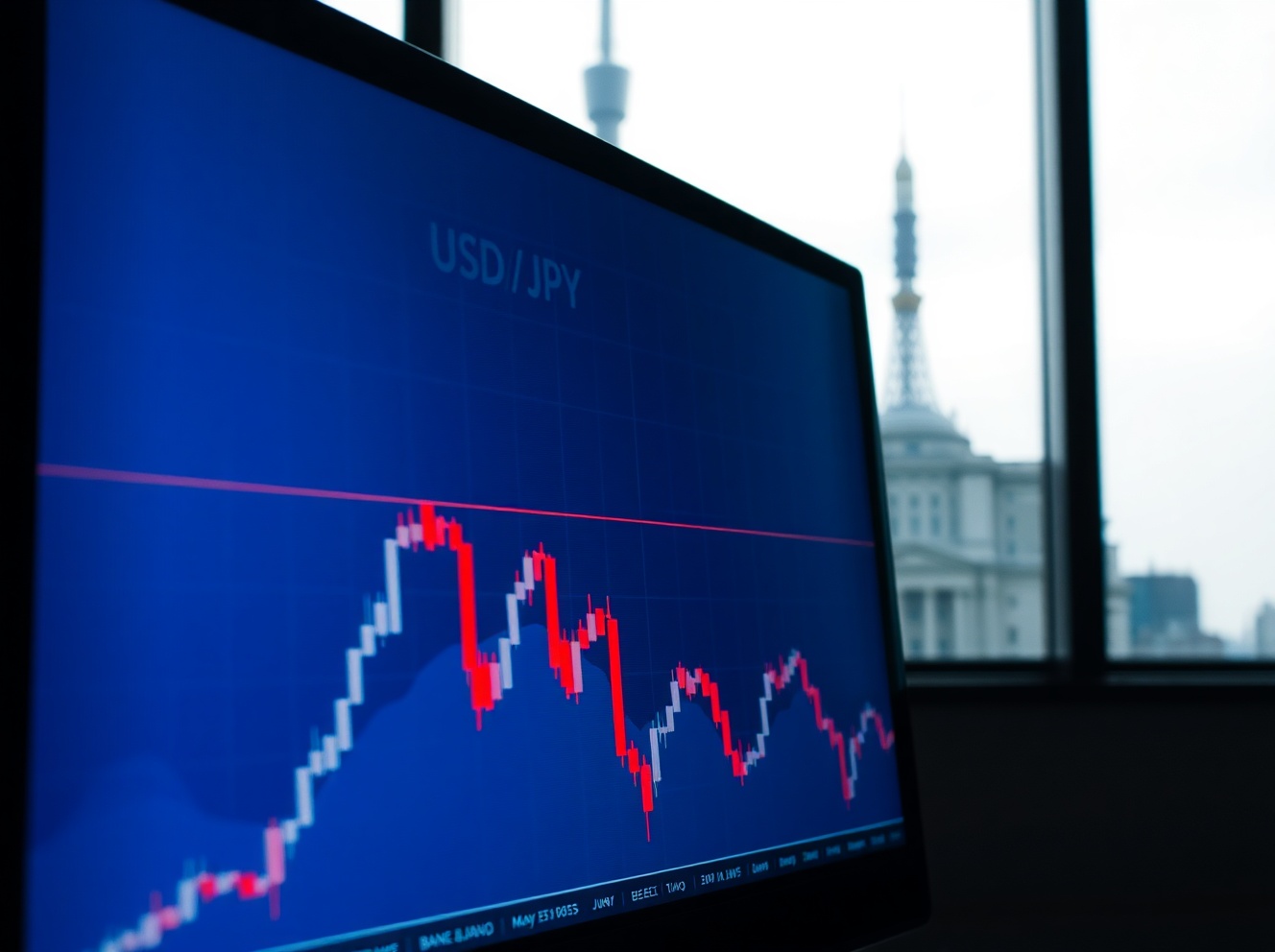
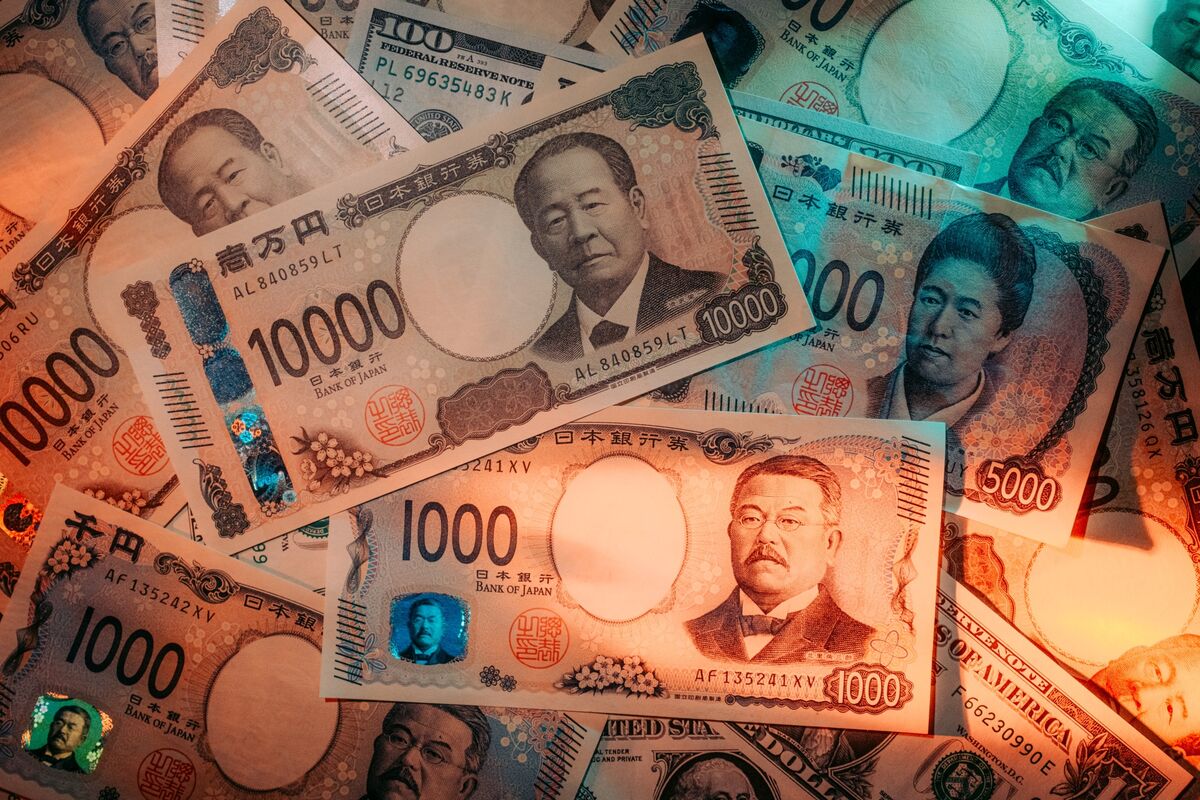
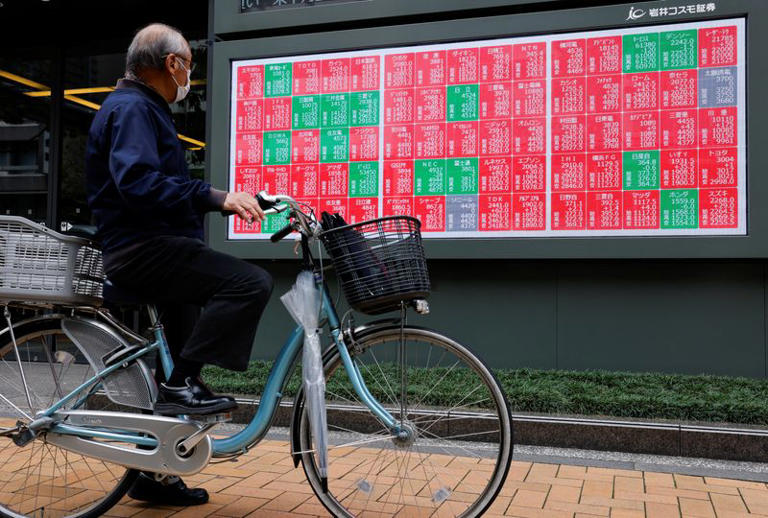
Japan's Ministry of Finance intervention on February 28-March 1 temporarily stabilized the yen at 160.72 JPY/USD—a 1-year low—but failed to address underlying economic vulnerabilities that directly impact cross-border sellers. The yen's 3% Thursday surge and 0.7% Friday gain provided only short-term relief as inflation forecasts jumped to 2.8% from 1.9% and 2026 growth projections halved to 0.5%, signaling prolonged currency weakness ahead.
For cross-border sellers, this creates three immediate financial optimization opportunities: Payment Cost Savings through strategic routing, FX Arbitrage via currency pair positioning, and Working Capital Acceleration through invoice financing. Sellers sourcing from Japan face 8-12% cost inflation per unit as the weakened yen makes imports more expensive—a critical issue for the estimated 50K+ sellers importing electronics, automotive parts, and consumer goods from Japanese manufacturers. Conversely, sellers exporting TO Japan benefit from favorable pricing, though reduced domestic purchasing power (driven by elevated oil prices and 90%+ crude oil imports from the Middle East) limits demand growth.
The Strait of Hormuz closure and elevated oil prices create a secondary margin compression effect: logistics costs to Japan increase 5-8% monthly, while consumer spending power declines. Bank of Japan's decision to hold policy rates steady while hiking inflation forecasts signals continued yen pressure through 2026. This environment favors sellers using multi-currency payment providers (Wise, OFX, Payoneer) offering 1.2-1.8% fees versus traditional banks at 2.5-3.5%, unlocking $200-400 monthly savings per $50K monthly revenue. Invoice financing and supply chain finance products targeting Japan-exposed sellers now offer 6-8% APR (vs. 10-12% standard rates), with providers like Tradeshift and Fintech Acquisition Corp aggressively competing for market share.
Strategic sellers should immediately implement FX hedging on JPY/USD pairs (3-6 month forward contracts at 0.8-1.2% cost) to lock in current rates before further intervention attempts. Those with Japan-based suppliers should accelerate payment cycles using dynamic discounting platforms (e.g., Taulia, Fintech Acquisition) to capture 2-3% early payment discounts, converting 60-day terms to 30-day cash outflows. Sellers exporting to Japan should increase inventory 15-20% to capitalize on favorable pricing windows before yen stabilization, targeting electronics and luxury goods categories where Japanese consumers maintain spending despite inflation concerns.
Questions 8
How can I accelerate working capital with Japan-based suppliers?
Use dynamic discounting platforms (Taulia, Fintech Acquisition Corp, Tradeshift) to convert 60-day payment terms to 30-day cash outflows while capturing 2-3% early payment discounts. This unlocks $15K-30K working capital per $500K annual Japan imports. Additionally, supply chain finance products now offer 6-8% APR for Japan-exposed sellers (vs. 10-12% standard rates), with providers aggressively competing post-intervention. Invoice financing against Japan supplier invoices provides immediate 70-80% cash advance within 24-48 hours. Combined strategies can free $50K-100K working capital for inventory expansion or other growth initiatives.
What FX hedging strategies should I use for JPY/USD exposure?
Three strategies optimize JPY/USD hedging: (1) Forward contracts lock rates 3-6 months ahead at 0.8-1.2% cost, ideal for predictable monthly imports; (2) Currency options provide downside protection while allowing upside capture (2-3% premium, best for volatile periods); (3) Natural hedging through multi-currency invoicing—request 30-40% of payments in USD instead of JPY to reduce exposure. For sellers with $50K+ monthly Japan imports, forward contracts typically save $400-600/month versus spot market exposure. Providers like OFX, Wise Business, and HSBC offer competitive rates.