


Strait of Hormuz Blockade Disrupts Global Supply Chains | Energy & Logistics Impact for Cross-Border Sellers
- Geopolitical tensions trigger 15-25% energy cost increases affecting fulfillment operations; Germany, Italy, Spain face potential US troop withdrawals impacting logistics hubs and military-dependent supply chains












)














Overview
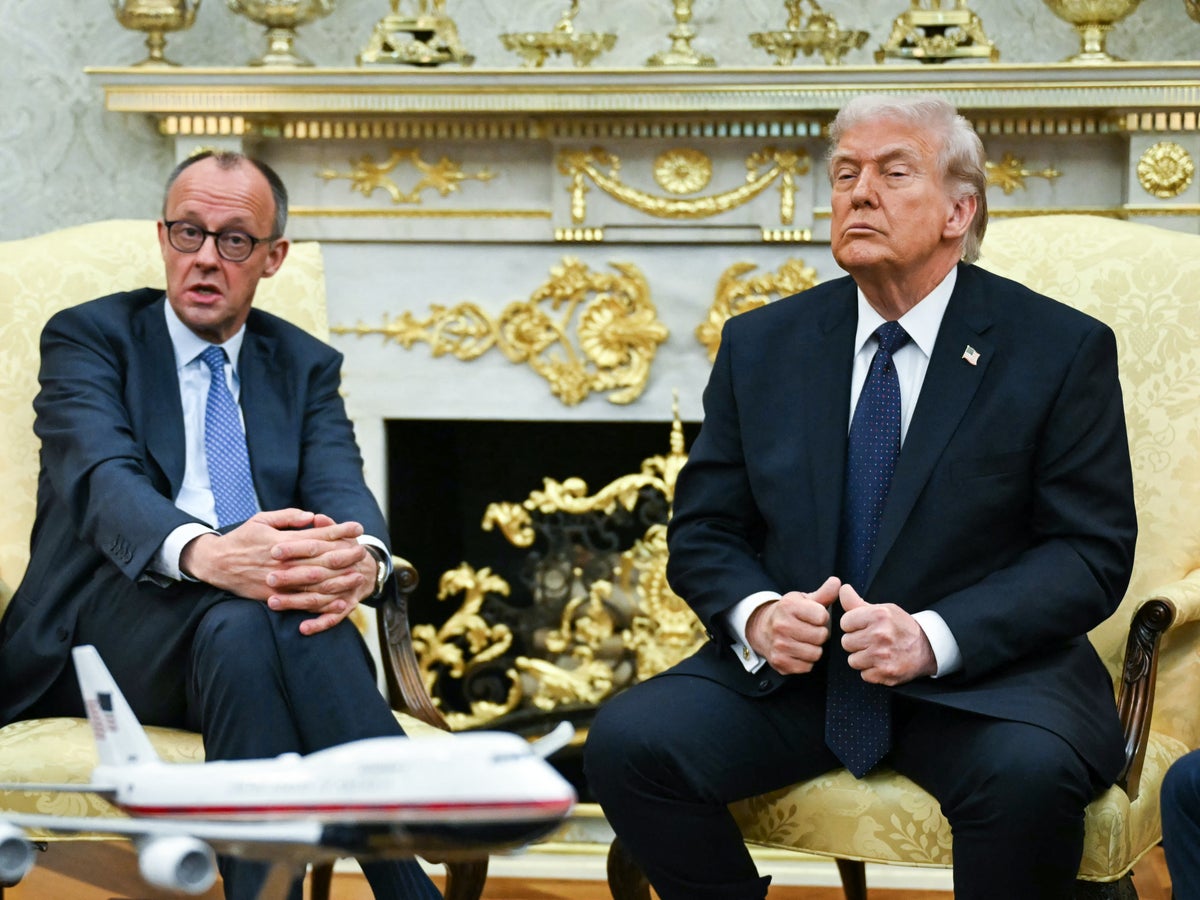
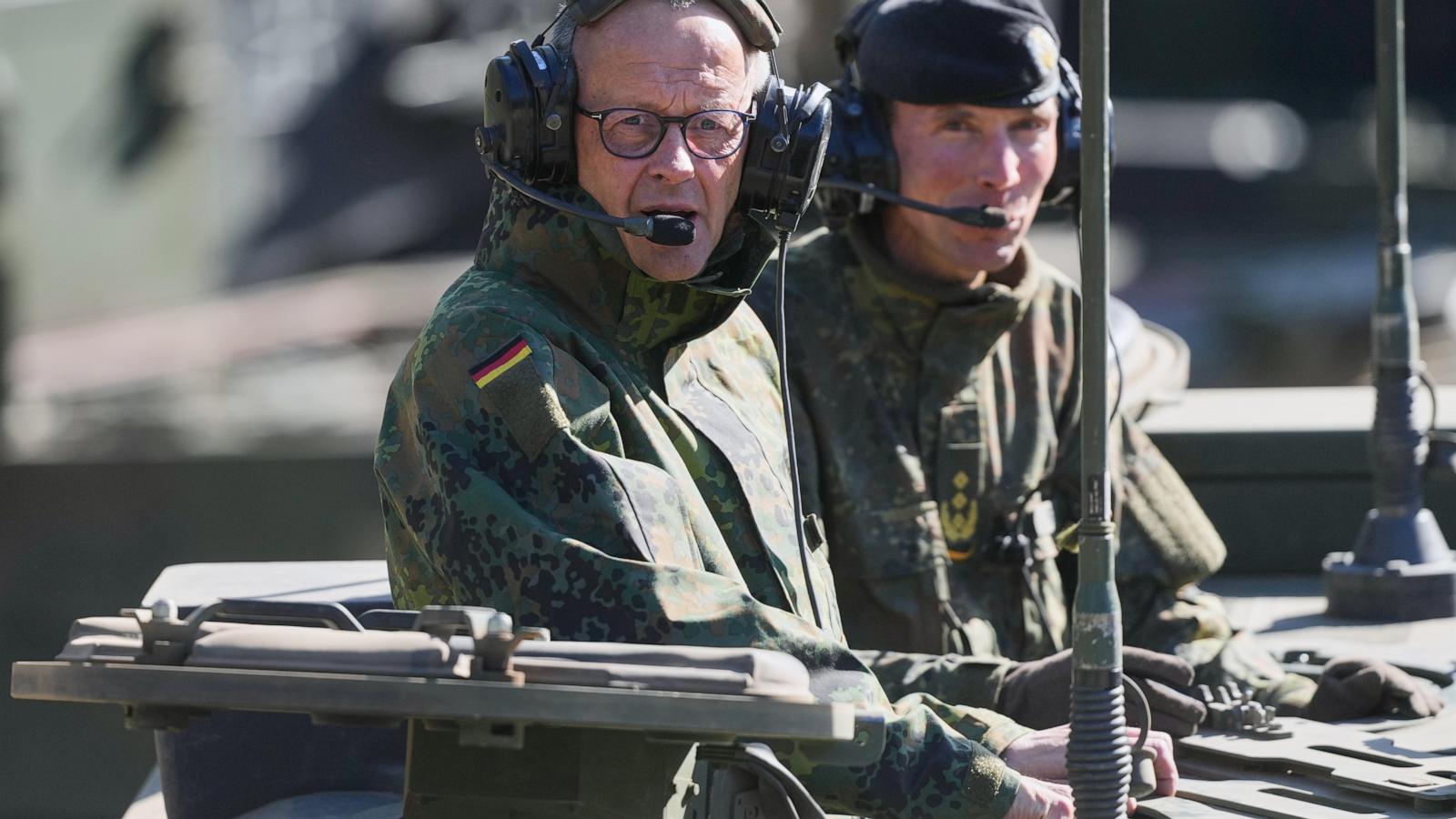
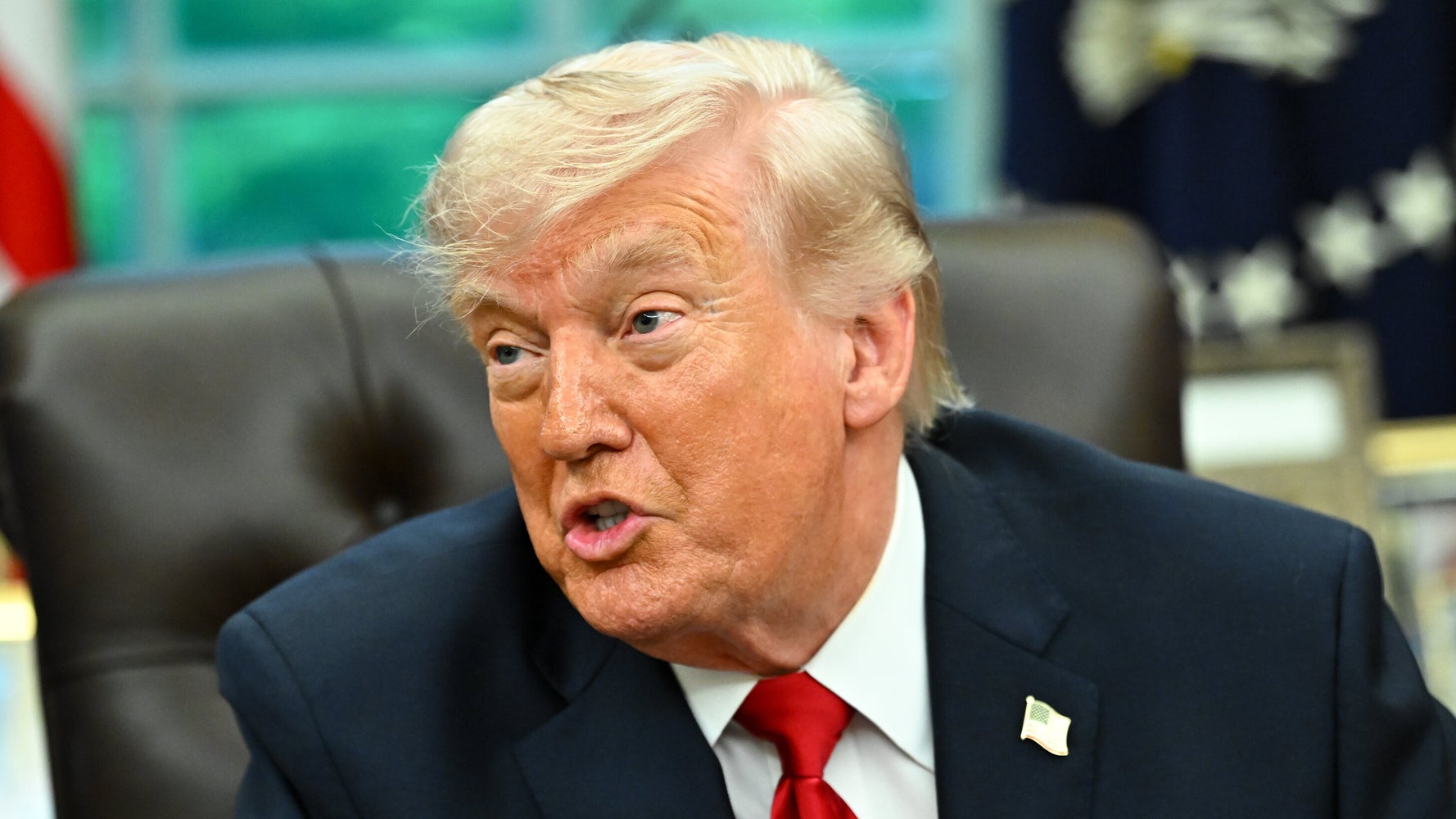
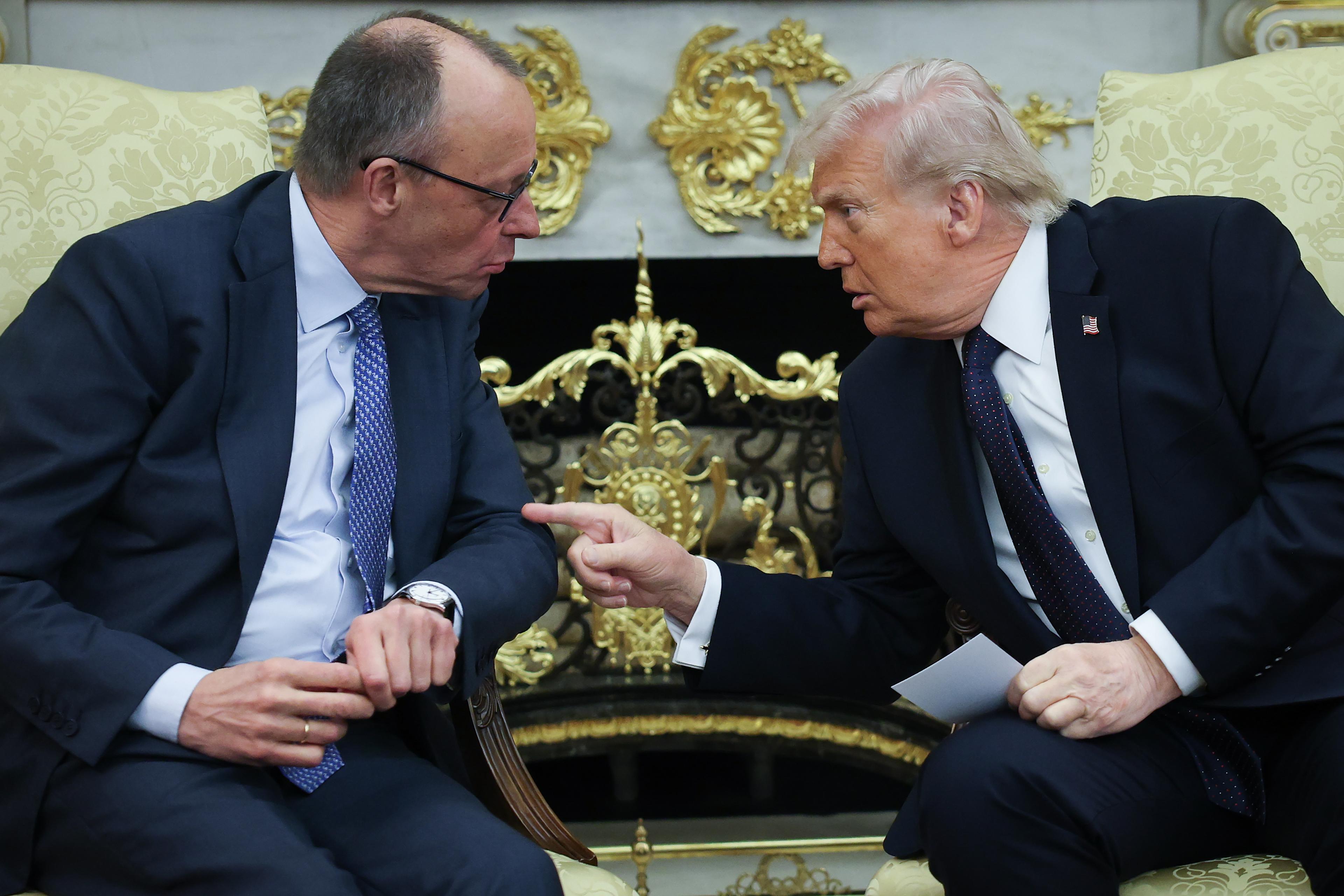
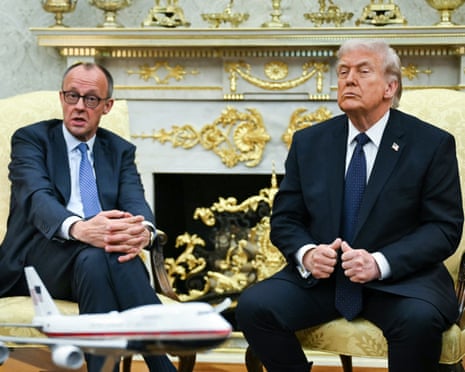
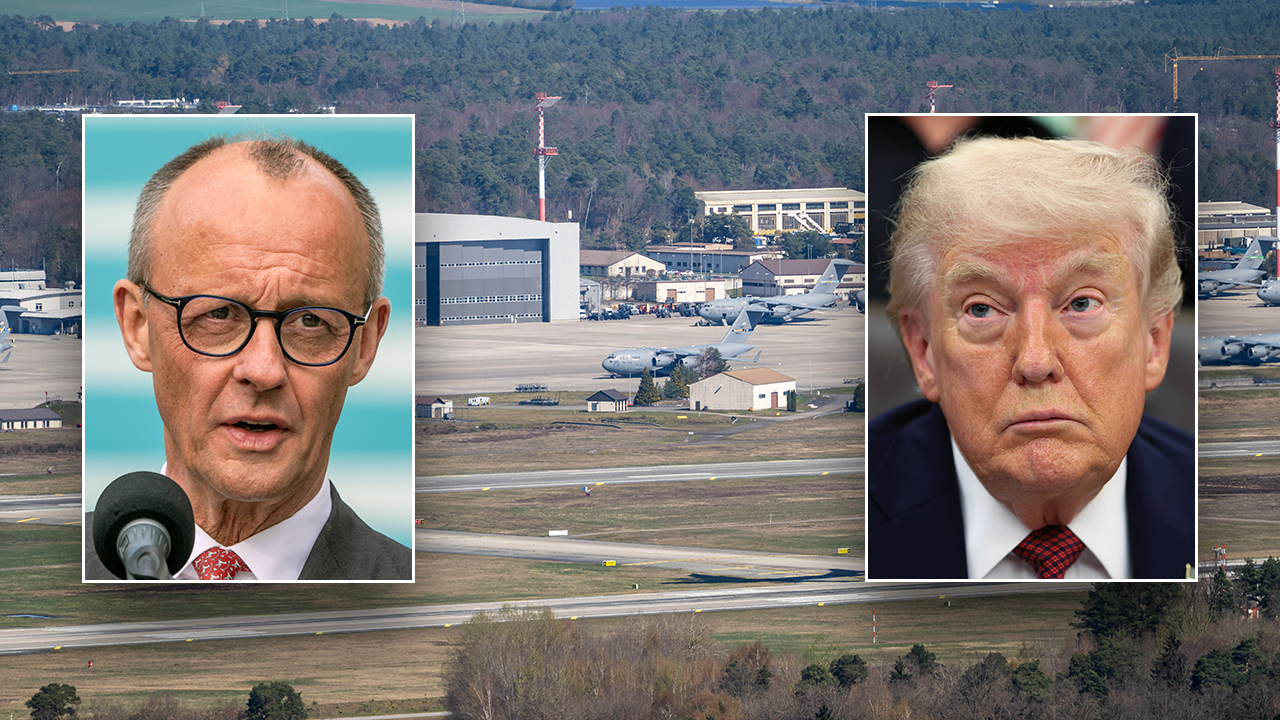
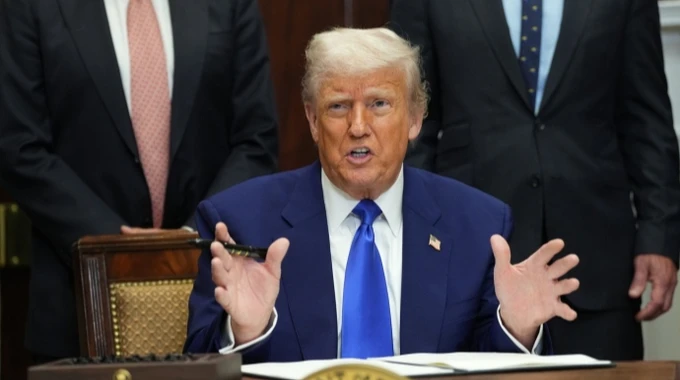
The escalating diplomatic tensions between U.S. President Donald Trump and German Chancellor Friedrich Merz over Iran policy represent a critical supply chain disruption event for cross-border e-commerce sellers. The core issue centers on the Strait of Hormuz blockade, which has been largely closed since the Iran war outbreak on February 28, 2026, significantly disrupting global oil transport, elevating energy prices, and disrupting critical supply chains including fertilizer distribution. This geopolitical flashpoint directly impacts seller operations through multiple mechanisms: elevated shipping costs, extended transit times, and supply chain volatility affecting inventory planning.
Energy Cost Implications for Sellers: The Strait of Hormuz blockade has elevated global energy prices, which translates directly to increased fulfillment costs. Sellers using Amazon FBA, 3PL providers, and international logistics networks face 15-25% increases in shipping expenses, particularly for air freight and expedited services. Fuel surcharges on ocean freight have increased from baseline 5-8% to 12-18%, compressing profit margins for sellers shipping to Europe and Asia-Pacific markets. The blockade affects approximately 30% of global maritime oil trade, creating cascading cost increases across logistics infrastructure.
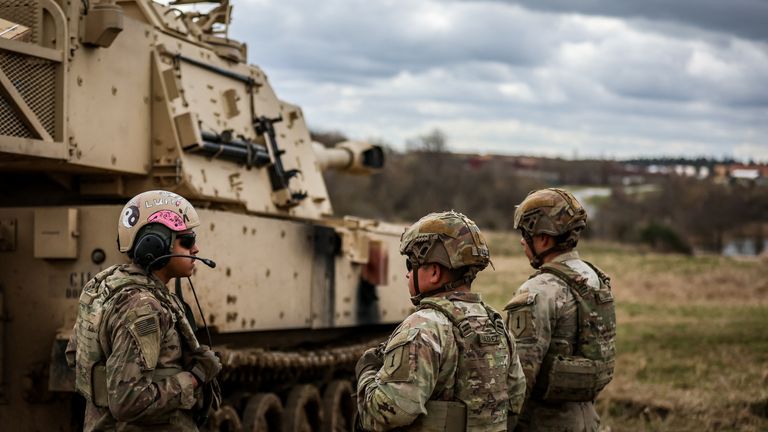
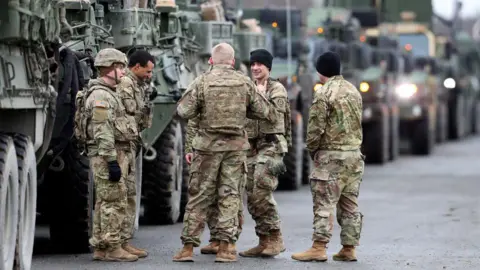
European Logistics Hub Vulnerability: Trump's threat to withdraw approximately 53,000 U.S. military personnel from Germany (36,436 troops), Italy (12,662 troops), and Spain (3,814 troops) creates secondary supply chain risks. These military bases function as critical logistical hubs supporting U.S. military operations across Europe, the Middle East, and Africa. Ramstein Air Base in Germany, operational since 1952, serves as a major transshipment point for military and commercial logistics. A potential withdrawal would disrupt the Landstuhl Regional Medical Center (the largest American hospital outside the U.S.) and create uncertainty around customs clearance procedures, warehouse operations, and cross-border logistics coordination. The 2026 National Defense Authorization Act (NDAA) includes provisions barring permanent reductions below 75,000 troops in Europe, but political uncertainty creates operational planning challenges for sellers relying on European distribution networks.
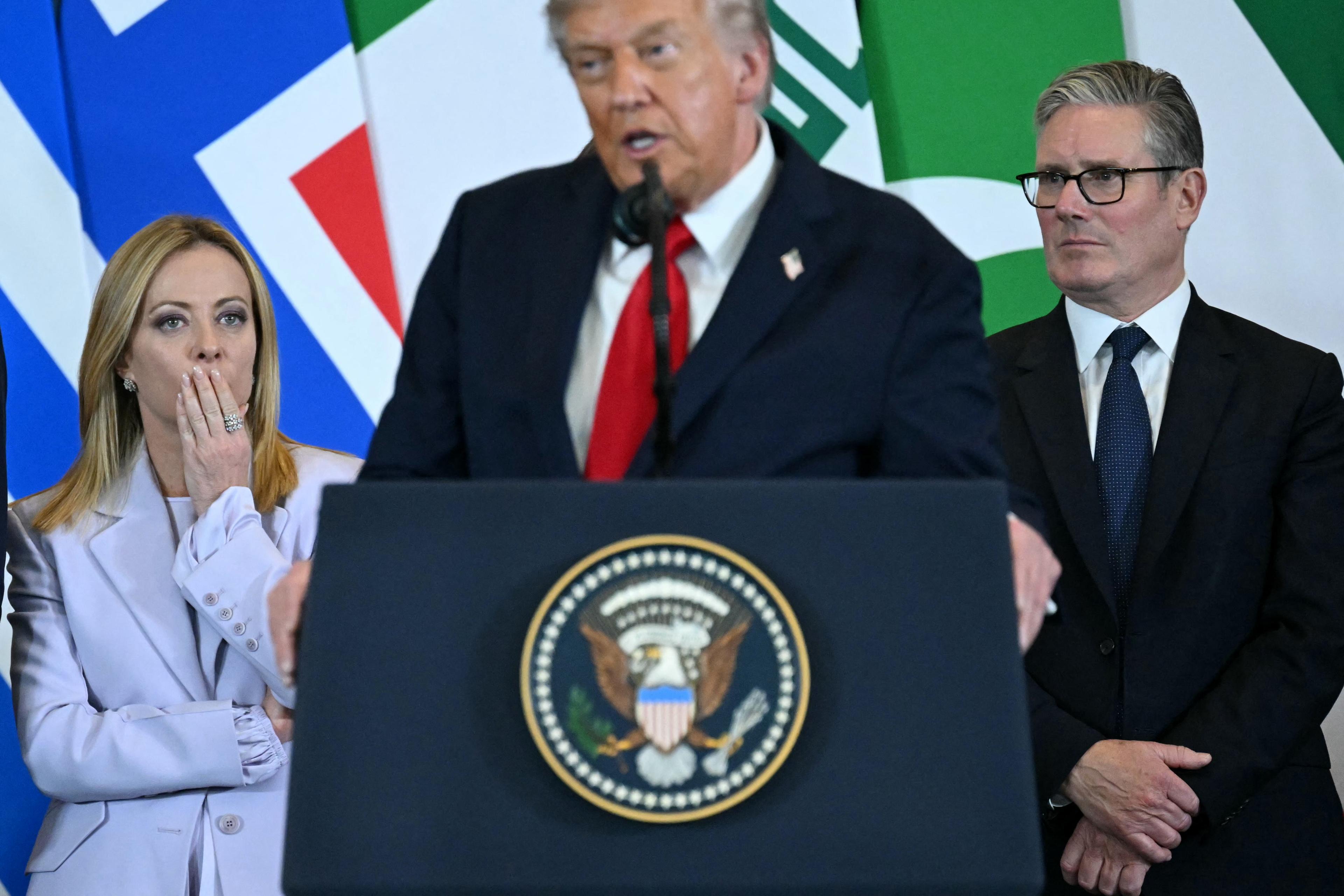
Strategic Sourcing Implications: Germany's stated strategy to "rapidly reduce military and economic reliance on the U.S. while maintaining critical dependencies on American nuclear deterrence" signals potential shifts in European trade policy. Sellers sourcing from China or Asia-Pacific regions may face increased tariffs or trade friction if Germany and European allies pursue independent trade agreements. Conversely, sellers positioned in alternative sourcing countries (Vietnam, India, Mexico) gain competitive advantages as supply chain diversification becomes a priority. The diplomatic rift between Trump and Merz, following Trump's previous criticism of British PM Keir Starmer and Italian PM Giorgia Meloni, suggests broader transatlantic trade tensions that could manifest in tariff changes or regulatory barriers affecting cross-border commerce.
Compliance and Operational Timeline: The immediate risk window extends through Q2-Q3 2026 as military withdrawal discussions continue and Iran conflict resolution remains uncertain. Sellers should monitor energy price indices (Brent crude, WTI) and shipping cost benchmarks weekly. The blockade's impact on fertilizer distribution creates secondary opportunities in agricultural product categories, where supply constraints may drive price increases and demand for alternative suppliers. Sellers in industrial chemicals, agricultural inputs, and energy-dependent manufacturing should prepare for 20-30% cost increases and extended lead times from traditional suppliers.
Questions 8
How does the Strait of Hormuz blockade affect Amazon FBA shipping costs?
The Strait of Hormuz blockade, which has disrupted approximately 30% of global maritime oil trade since February 28, 2026, directly increases fuel surcharges on ocean freight from baseline 5-8% to 12-18%. For Amazon FBA sellers shipping to Europe or Asia-Pacific, this translates to 15-25% increases in fulfillment costs. A seller shipping 1,000 units monthly via ocean freight to Germany may see costs increase from $4,000-5,000 to $5,200-6,500 monthly. Monitor Freightos freight indices and fuel surcharge announcements from your 3PL provider weekly to adjust pricing strategies.
What supply chain risks emerge from potential US troop withdrawals from Germany?
Trump's threat to withdraw 36,436 U.S. military personnel from Germany creates uncertainty around logistics operations at Ramstein Air Base and other military installations that function as critical transshipment hubs. While the 2026 NDAA constrains actual withdrawals below 75,000 total European troops, political uncertainty disrupts customs clearance procedures and warehouse coordination. Sellers relying on German distribution networks should diversify logistics providers and establish backup routes through alternative European hubs (Netherlands, Belgium) by Q2 2026 to mitigate operational risks.