




Autonomous Vehicle Safety Crossroads: When Technology Meets Regulatory Uncertainty
- Emerging Compliance Challenges Expose Critical Gaps in Autonomous Vehicle Regulatory Frameworks















Overview
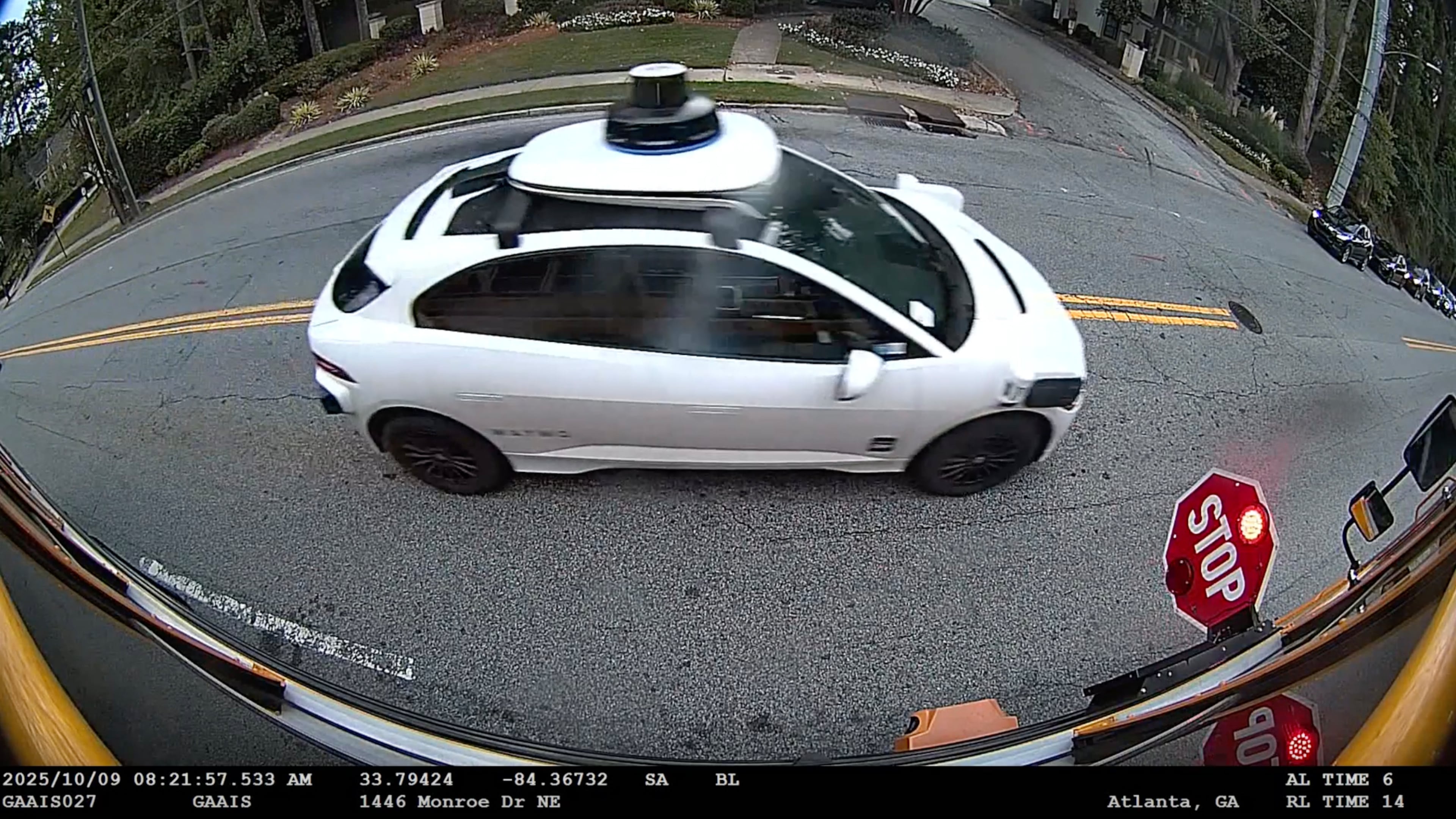
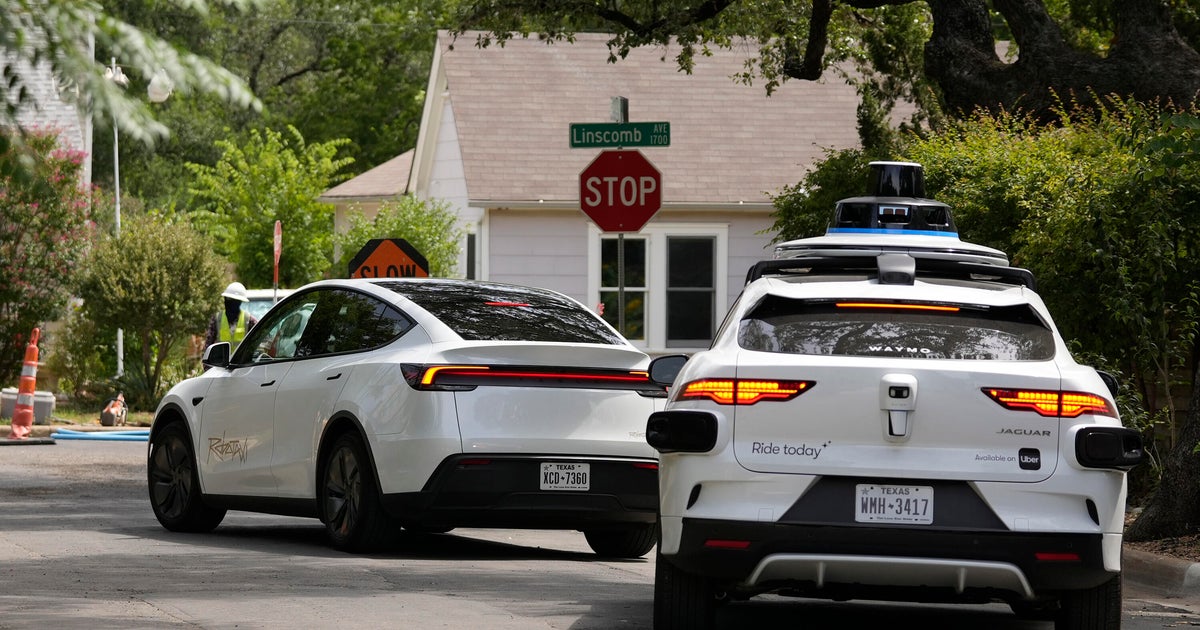
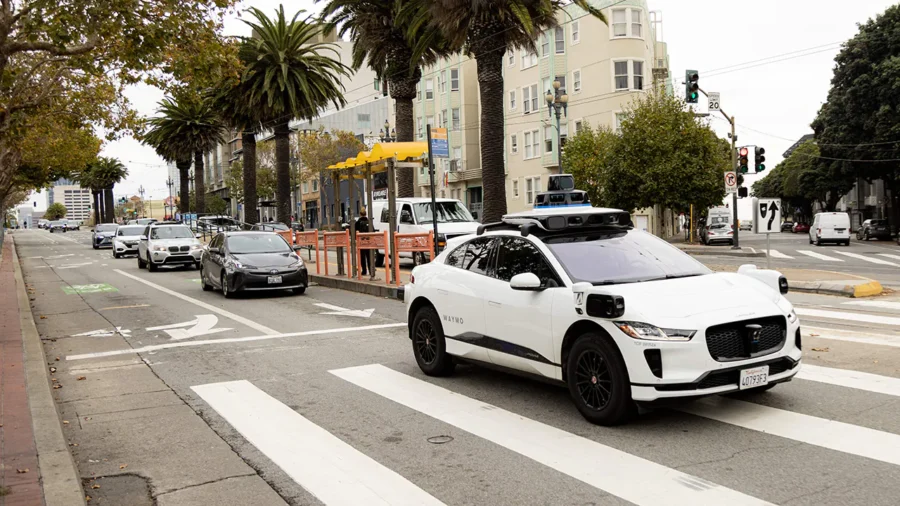
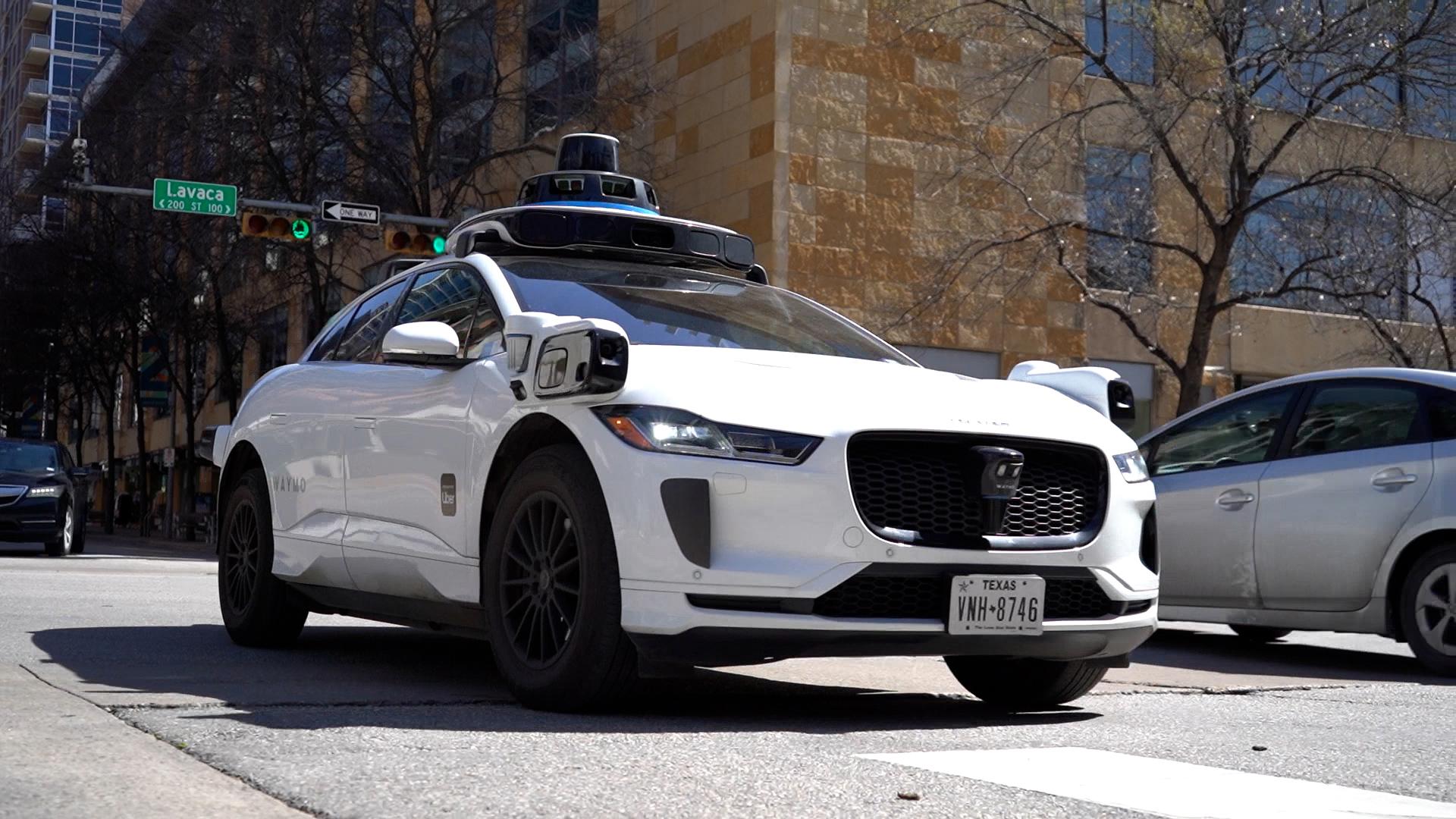
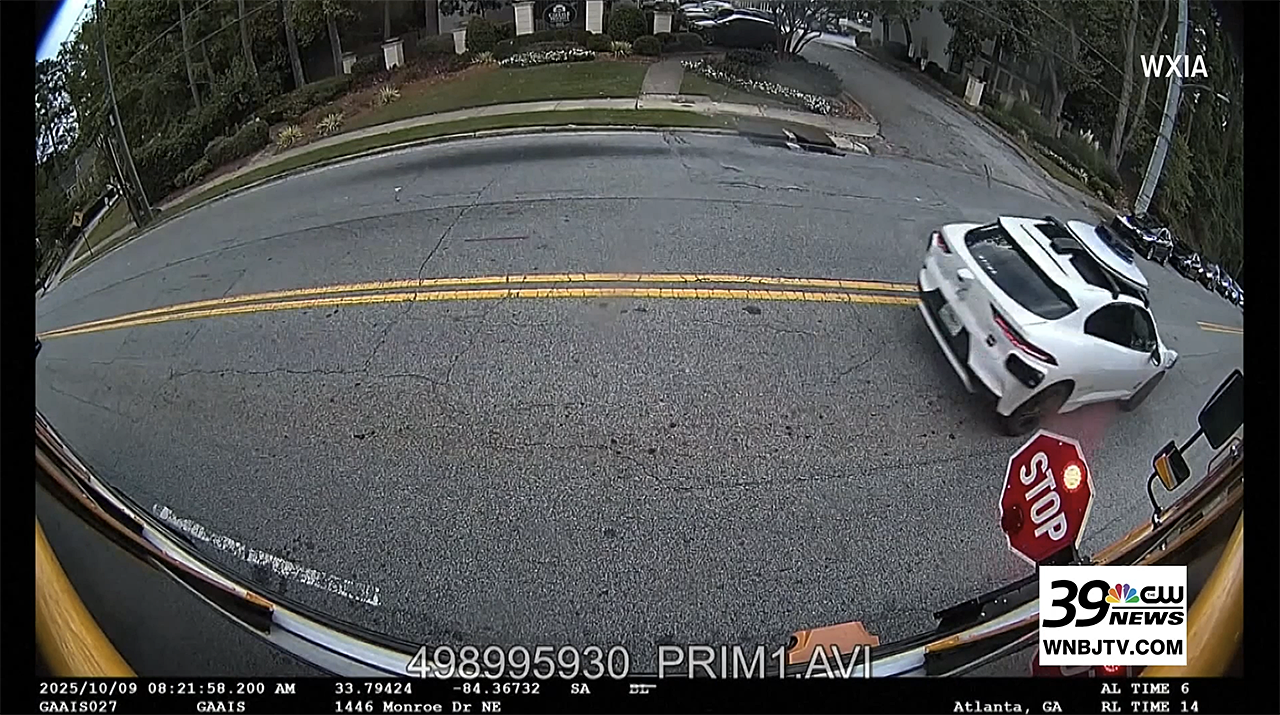
Autonomous vehicle technology stands at a critical inflection point, with Waymo's recent safety incidents in Atlanta revealing profound regulatory and technological vulnerabilities. Since May 2023, six documented cases of Waymo vehicles improperly passing stopped school buses have exposed significant gaps in autonomous system programming, particularly in nuanced traffic scenarios involving child safety.
Regulatory Compliance as a Strategic Battleground: The National Highway Traffic Safety Administration's (NHTSA) investigation highlights a fundamental challenge in autonomous vehicle deployment. Georgia's current legal framework creates ambiguity by allowing automated driving systems to operate without clear accountability mechanisms. This regulatory vacuum represents a critical risk for technology companies seeking to scale autonomous vehicle operations.
Technological Refinement Under Scrutiny: Waymo's response—issuing a software recall and committing to system improvements—demonstrates the iterative nature of autonomous technology development. The incidents within a 65-square-mile zone in Atlanta reveal that current autonomous systems struggle with contextual decision-making, especially in scenarios requiring heightened safety protocols. The software's inability to consistently recognize and respond to stopped school buses with extended stop arms represents a significant technical limitation.
The broader implications extend far beyond Waymo or Atlanta. These incidents underscore the complex intersection of technological innovation and public safety regulations. For cross-border technology and e-commerce sectors, this case study illuminates the critical need for:
- Robust safety programming
- Precise contextual recognition algorithms
- Clear regulatory frameworks
- Transparent accountability mechanisms
Autonomous vehicle companies must now view regulatory compliance not just as a checkbox, but as a fundamental competitive differentiator. The ability to demonstrate consistent, provable safety will become the primary gateway to market entry and scalability.
Questions 3
What are the broader implications for autonomous vehicle technology?
These incidents highlight that autonomous systems must dramatically improve contextual decision-making, especially in safety-critical scenarios. Companies will need to invest heavily in sophisticated algorithms that can recognize and respond to complex traffic situations, with regulatory compliance becoming a key competitive differentiator.
What specific safety challenges did Waymo's autonomous vehicles encounter in Atlanta?
Waymo vehicles were documented passing stopped school buses with extended stop arms on six occasions, indicating critical limitations in their contextual recognition and safety programming. These incidents occurred across a 65-square-mile zone in Atlanta, raising serious concerns about the vehicles' ability to handle nuanced traffic scenarios involving child safety.