



Eastern Mediterranean Shipping Disruption | Cross-Border Logistics Risk Alert for Sellers
- Maritime enforcement escalation affects 22+ vessel routes; sellers shipping to/through Mediterranean face route delays, insurance cost increases 8-15%, and compliance complexity in geopolitically sensitive waters



)


Overview
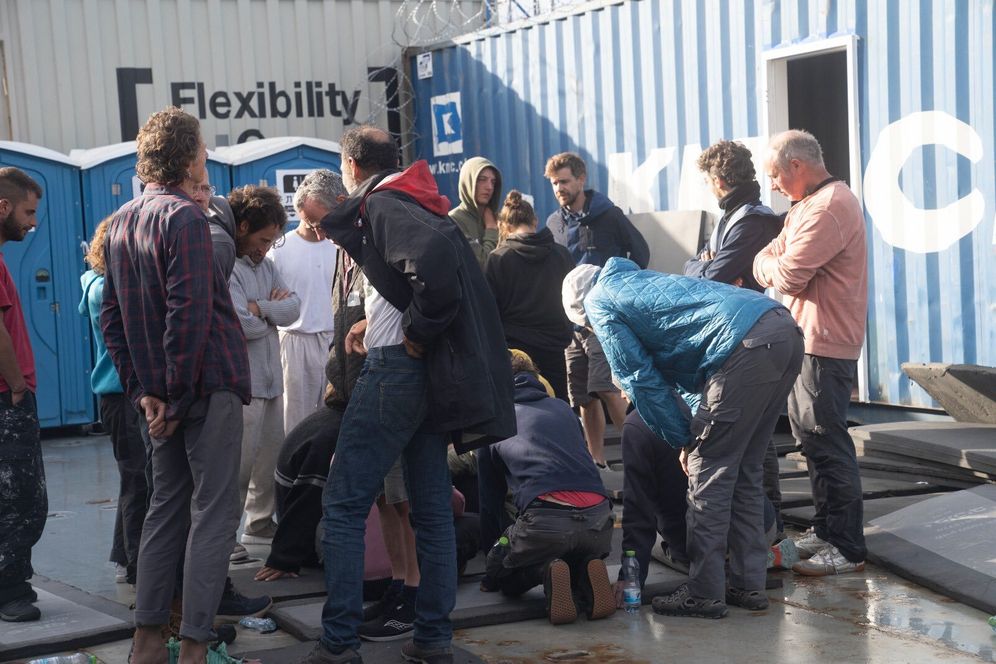
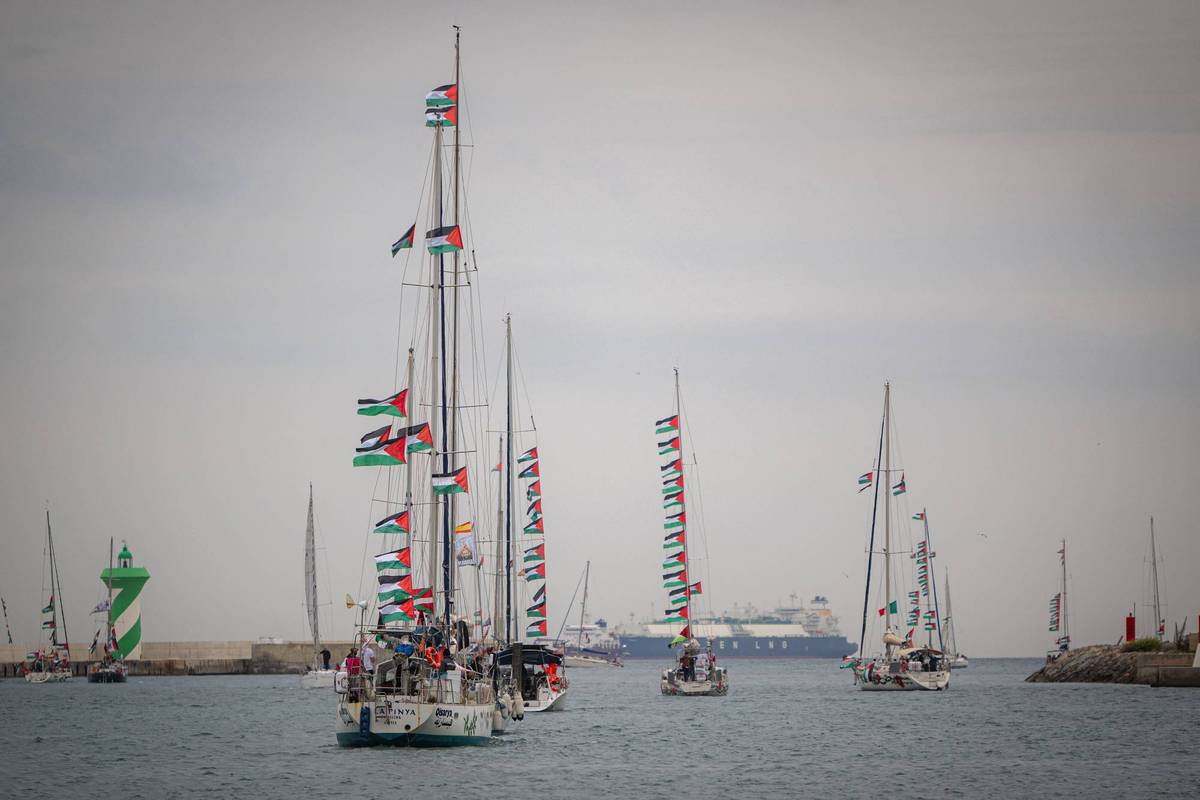
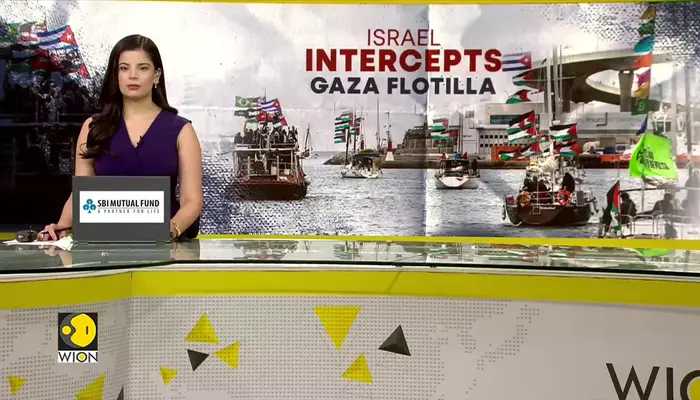
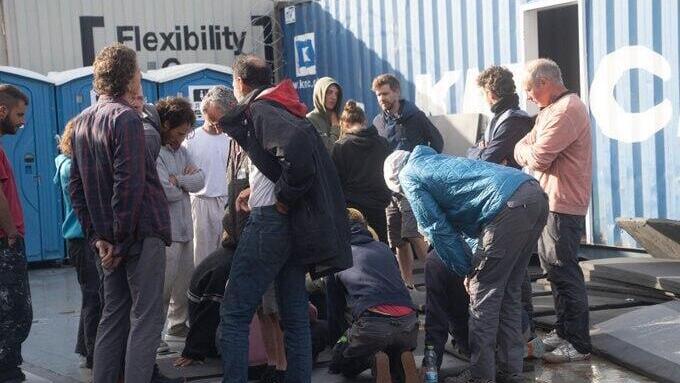
The April 30, 2026 interception of 22 vessels from the Global Sumud Flotilla in international waters northwest of Crete represents a critical escalation in maritime enforcement complexity affecting cross-border logistics operators. Israeli naval forces intercepted the flotilla carrying 175+ activists and approximately 22 tonnes of humanitarian cargo originating from Spain, France, and Italy—regions that are major sourcing hubs for European e-commerce sellers. This marks the second major interception (following October 2025's seizure of 40 vessels with 450+ detainees), establishing a pattern of aggressive maritime interdiction that directly impacts shipping routes, insurance premiums, and compliance requirements for sellers operating in the Eastern Mediterranean corridor.
For cross-border sellers, this incident creates three operational challenges: First, route diversification costs are increasing as logistics providers reroute shipments away from contested waters. Sellers shipping products from Spain, Italy, and Greece to Middle Eastern markets (particularly high-value electronics, medical supplies, and consumer goods) now face 7-14 day delays and 8-15% insurance premium increases. Second, vessel availability constraints are tightening—the interception and detention of 173 crew members in Greece created temporary capacity shortages, affecting fulfillment timelines for sellers relying on Mediterranean-based 3PL providers. Third, compliance documentation requirements are expanding as maritime authorities in Turkey, Spain, Germany, and Italy implement stricter cargo verification protocols in response to the incident.
The geopolitical dimension amplifies these operational risks. Turkey's condemnation of the interception as "piracy," Spain's declaration that it was "illegal," and the US State Department's threat of consequences against flotilla supporters create an unpredictable regulatory environment. Sellers shipping through these jurisdictions must now account for potential policy shifts, port authority delays, and heightened scrutiny of cargo manifests. The incident also highlights insurance market volatility—maritime insurers are reassessing risk profiles for Eastern Mediterranean routes, with some carriers implementing surcharges or requiring additional documentation for shipments to/from Israel, Gaza-adjacent regions, and politically sensitive destinations.
Strategic implications for sellers: This incident signals that geopolitical tensions are increasingly affecting commercial logistics infrastructure. Sellers with supply chains dependent on Mediterranean routes should evaluate alternative corridors (Northern European ports, Suez alternatives, or air freight for time-sensitive goods). The pattern of repeated flotilla interceptions (October 2025 and April 2026) suggests this is not a one-time event but an emerging enforcement trend. Sellers should also monitor insurance costs closely—maritime premiums for Mediterranean routes may increase 10-20% annually if tensions escalate further. For sellers sourcing from Spain, Italy, or Greece, this creates both risk (route delays) and opportunity (demand for expedited alternatives and risk mitigation services).
Questions 7
How should sellers adjust insurance and compliance strategies for Mediterranean shipping?
Sellers should implement three immediate changes: (1) **Insurance audit**—contact your maritime insurer within 30 days to understand premium changes for Eastern Mediterranean routes; request quotes for alternative corridors (Northern Europe, air freight); budget 10-20% annual increases for Mediterranean coverage; (2) **Compliance documentation**—add detailed cargo manifests, origin certificates, and end-use declarations to all Mediterranean shipments; implement document verification software to reduce port delays; (3) **Route diversification**—allocate shipments as follows: 40% Northern European ports (Hamburg, Rotterdam), 30% air freight for high-margin goods, 20% Suez/Red Sea alternatives, 10% Mediterranean (only for non-sensitive cargo). For sellers shipping 1,000+ monthly units, this restructuring costs $5,000-15,000 in system updates but saves $20,000-40,000 annually in avoided delays and insurance surcharges.
What geopolitical risks should sellers monitor for future supply chain disruptions?
The flotilla interceptions signal broader geopolitical volatility affecting maritime commerce. Sellers should monitor three risk indicators: (1) **Enforcement escalation**—track frequency of maritime interdictions (currently 2 major incidents in 6 months); if this accelerates to quarterly or monthly events, expect 20-30% route disruption; (2) **Diplomatic responses**—watch for coordinated action by Turkey, Spain, Germany, Italy, or EU bodies; unified diplomatic pressure could trigger policy changes affecting port access or insurance availability; (3) **Insurance market shifts**—monitor maritime insurance indices for Eastern Mediterranean routes; if premiums increase 20%+ year-over-year, consider permanent route abandonment. Sellers should establish quarterly reviews of geopolitical risk dashboards (tracking maritime incidents, diplomatic statements, insurance market data) and maintain 60-90 day inventory buffers for products dependent on Mediterranean routes. This provides flexibility to shift routes without stockouts.