





Apple CEO Transition 2025 | Supply Chain Shifts & Seller Ecosystem Impact
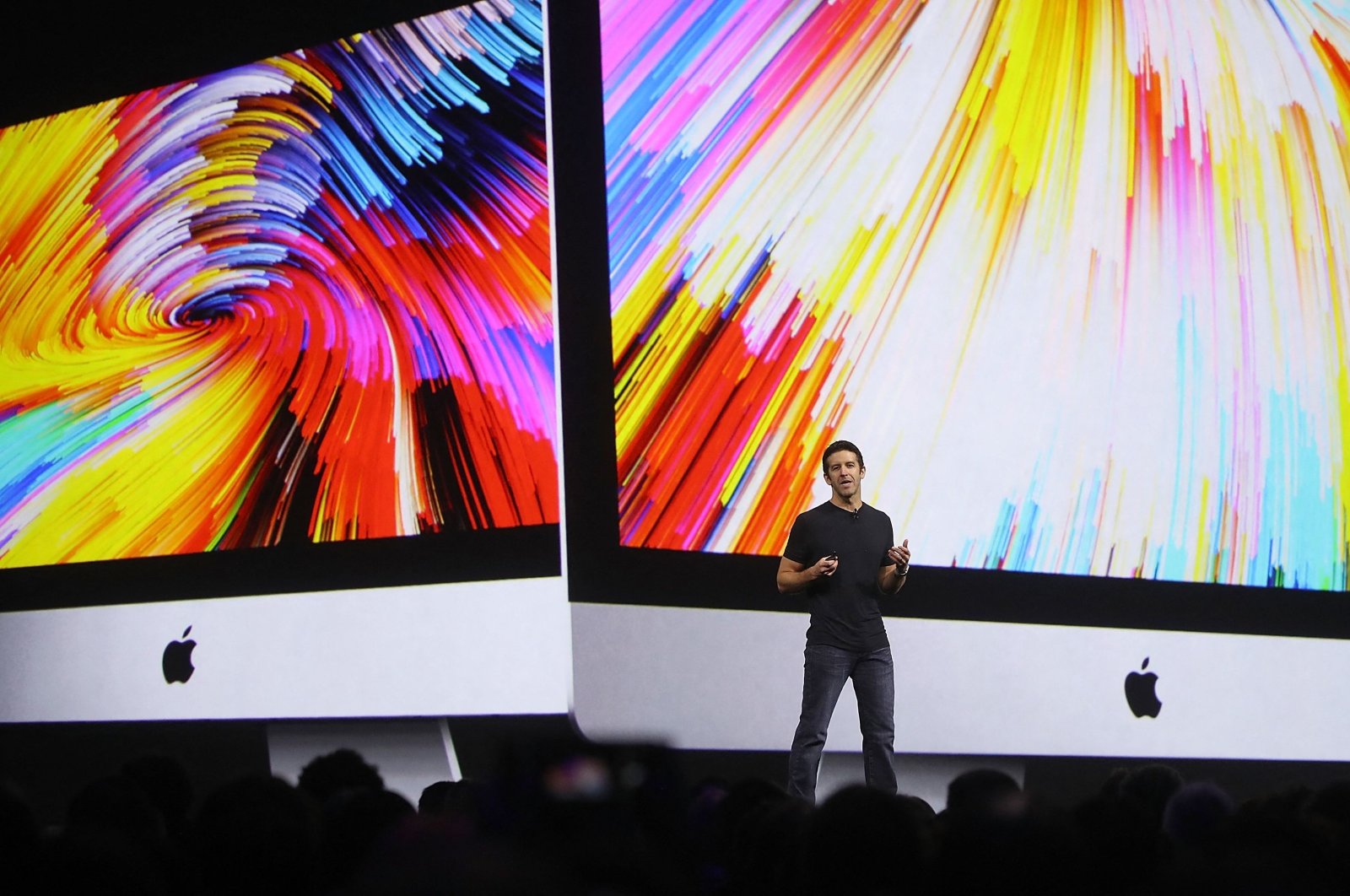
- Tim Cook steps down September 2025; John Ternus takes helm amid $111.2B revenue surge and AI-driven supply constraints affecting 50K+ cross-border sellers




















Overview
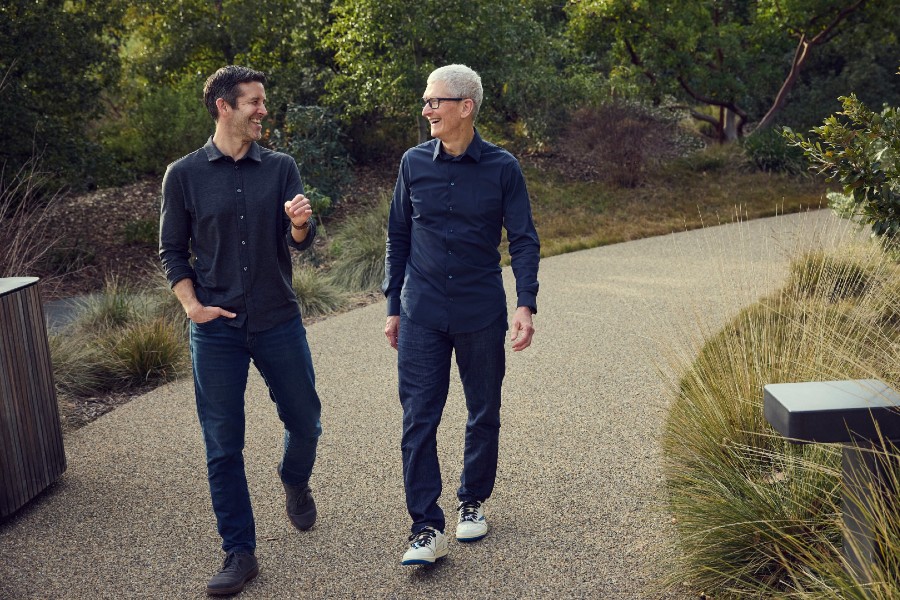
Apple's leadership transition in September 2025 represents a pivotal moment for cross-border e-commerce sellers and global supply chain dynamics. Tim Cook, CEO since 2011, will hand over operations to John Ternus, Apple's senior vice president of hardware engineering, during a period of exceptional financial performance. Apple reported Q2 2025 earnings of $111.2 billion in revenue (17% YoY growth) with iPhone revenue reaching $57 billion (22% increase), establishing a strong foundation for the incoming leadership. However, Ternus inherits significant operational challenges that directly impact e-commerce sellers worldwide.
Supply chain constraints driven by AI adoption represent the most immediate seller concern. Apple expects supply constraints to intensify in the June 2025 quarter due to surging demand for Mac Mini and Mac Studio products powered by AI capabilities. The broader technology industry faces memory shortages stemming from AI data center demand, which pushed global smartphone shipments down 4.1% in Q1 2025 according to International Data Group. For sellers relying on Apple devices for business operations—including inventory management, order fulfillment, and customer service—these supply constraints create operational friction and increased procurement costs. Sellers dependent on Mac products for e-commerce infrastructure may face 6-12 week lead times and 8-15% price premiums during peak shortage periods.
Ternus's hardware engineering background signals potential strategic shifts in product design and manufacturing partnerships. His emphasis on financial discipline and deliberate decision-making suggests Apple may optimize manufacturing footprints and supplier relationships, potentially affecting third-party sellers who depend on Apple's ecosystem. The company's intensified focus on AI integration across devices will influence how sellers optimize product listings, mobile apps, and digital storefronts for Apple's ecosystem. As executive chairman, Cook will maintain advisory influence, providing continuity in App Store policies and ecosystem regulations that govern 2+ million third-party developers and sellers. The transition represents both stability through internal promotion and potential evolution in how Apple manages global operations, seller relationships, and competitive positioning during the AI-driven hardware cycle.
Immediate seller implications include monitoring supply availability, reassessing device procurement timelines, and preparing for potential App Store policy shifts under new leadership. Sellers should diversify device infrastructure beyond Apple products, consider alternative productivity tools, and establish contingency plans for extended Mac product lead times. Strategic sellers should track Ternus's first 90 days for signals on App Store commission structures, developer policies, and ecosystem openness—areas where hardware-focused leadership may diverge from Cook's approach.
Questions 8
Will Ternus's hardware engineering background change App Store policies?
Ternus's background suggests potential shifts toward product-centric decision-making rather than ecosystem expansion. His emphasis on financial discipline and deliberate resource allocation may lead to stricter App Store commission structures, reduced developer subsidies, or tighter quality standards. However, Cook's continued advisory influence as executive chairman likely preserves existing seller-friendly policies in the near term. Sellers should prepare for potential changes to commission rates (currently 15-30%), developer support programs, and ecosystem openness. Monitor Ternus's first earnings call (Q3 2025) for guidance on App Store strategy and developer relations priorities.
How should sellers prepare for potential manufacturing partnership changes?
Ternus's hardware engineering expertise suggests Apple may optimize manufacturing footprints and supplier relationships to improve margins and supply chain resilience. This could affect third-party sellers who depend on Apple's ecosystem for distribution or rely on Apple suppliers for components. Sellers should diversify supplier relationships beyond Apple-dependent vendors, evaluate alternative manufacturing partners in Southeast Asia and India, and reduce single-supplier concentration. The company's focus on AI integration across devices will require sellers to optimize product listings and digital storefronts for Apple's ecosystem. Conduct supplier risk assessments by Q2 2025 to identify potential disruptions from manufacturing realignment.