



US-Europe Military Tensions Trigger Supply Chain Risk | Cross-Border Sellers
- Potential NATO base closures threaten logistics hubs serving 53,000+ troops; sellers face 8-15% shipping delays to Germany, Italy, Spain if Ramstein Air Base operations disrupted










Overview
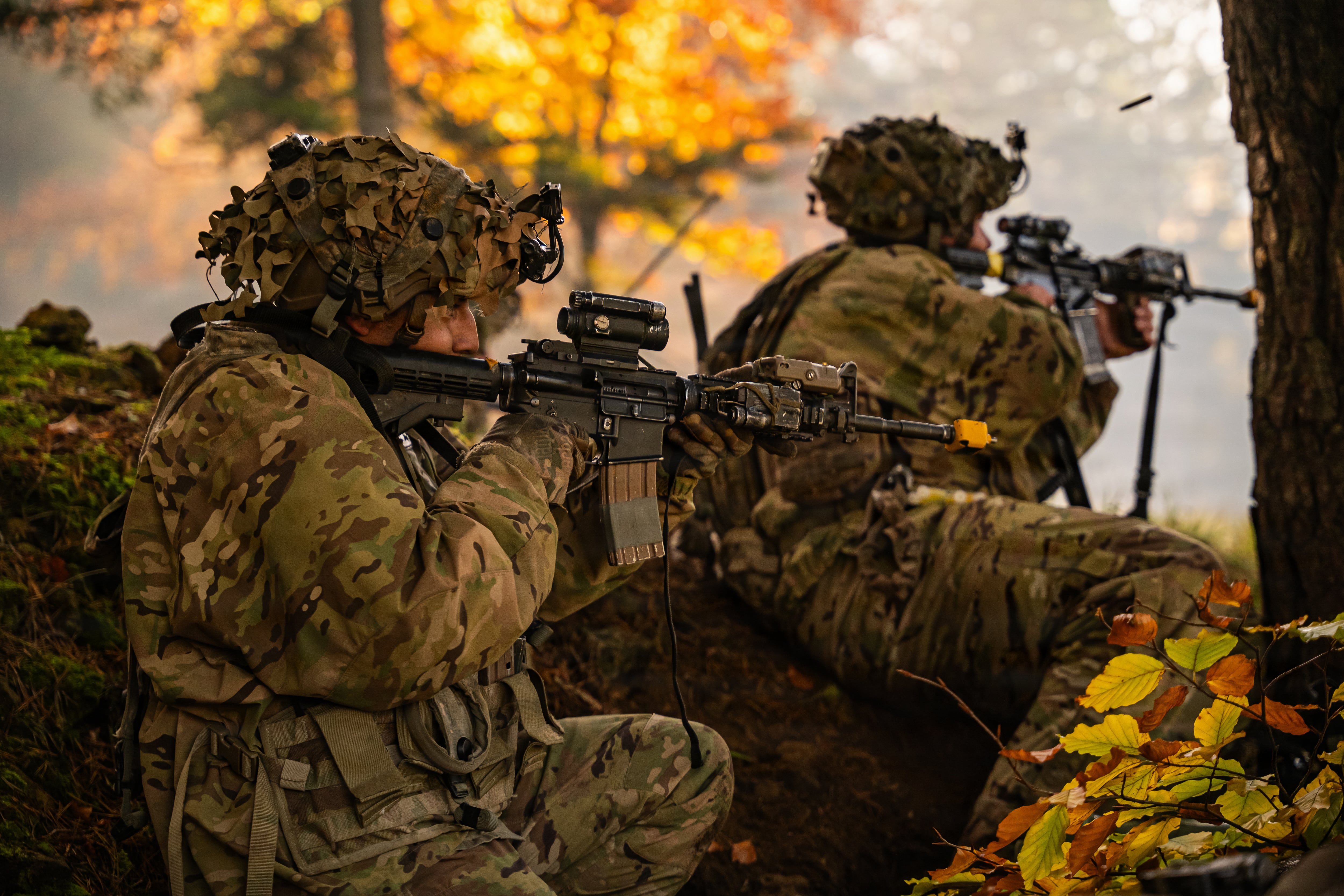
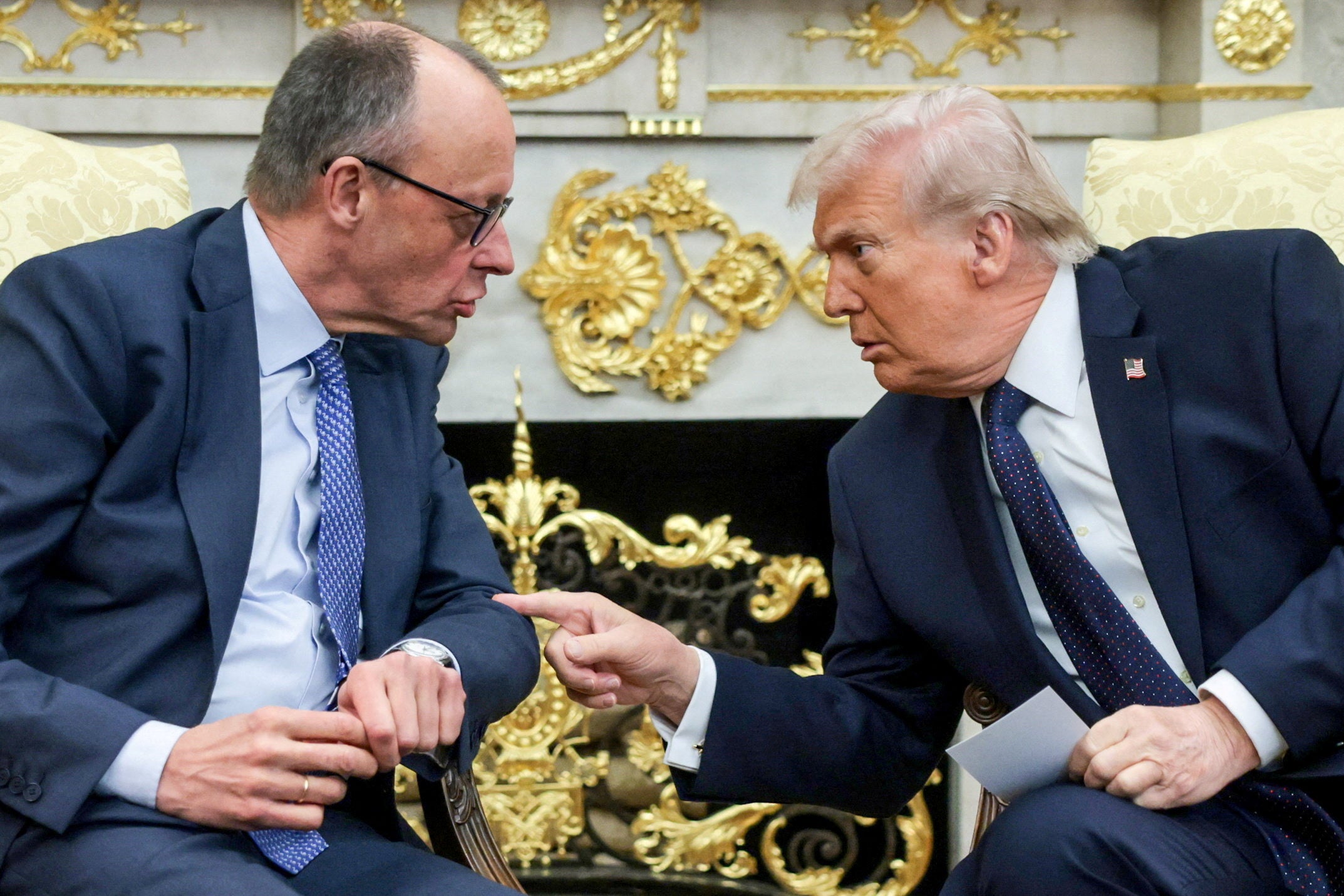
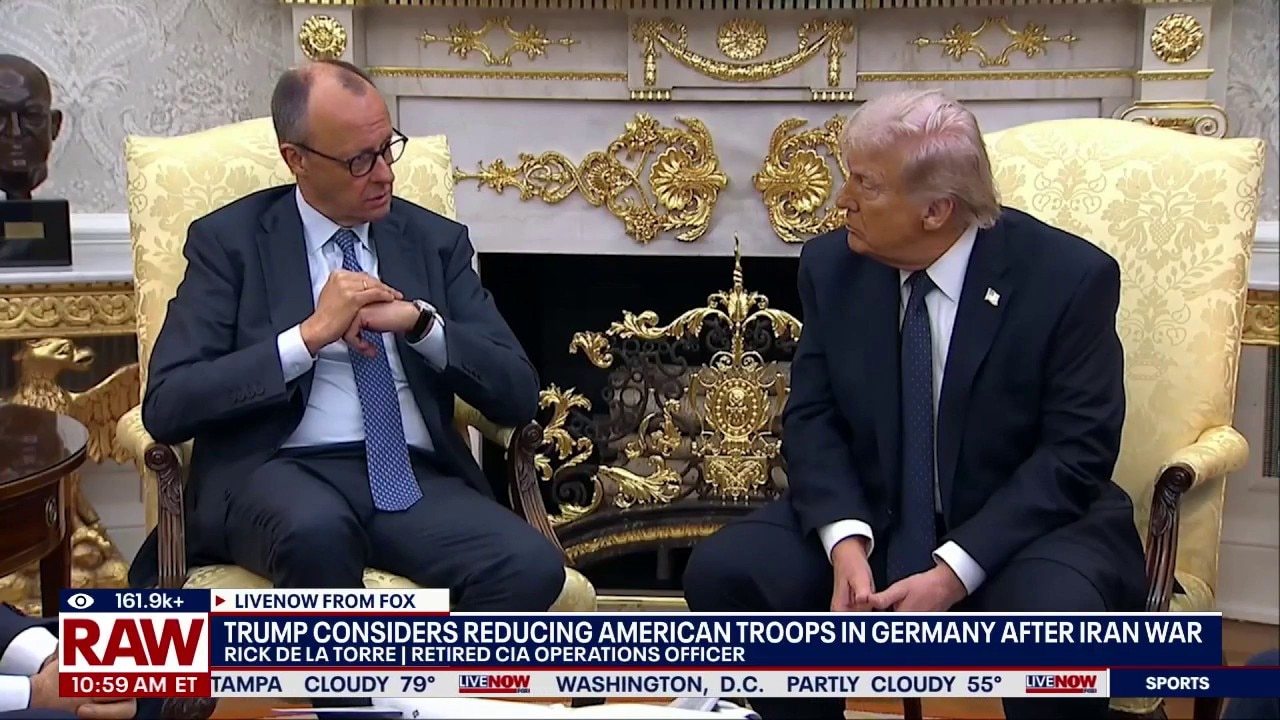
Trump's escalating threats to withdraw approximately 53,000 US military personnel from Germany (36,436), Italy (12,662), and Spain (3,814) represent a critical supply chain risk for cross-border e-commerce sellers. The geopolitical tension, triggered by German Chancellor Friedrich Merz's public criticism of US Iran policy, creates immediate uncertainty around logistics infrastructure that supports international commerce. While the 2026 National Defense Authorization Act (NDAA) legally constrains Trump's ability to execute permanent troop reductions below 75,000 across Europe, the "studying and reviewing" phase signals potential disruptions to critical military logistics hubs—particularly Ramstein Air Base in Germany, which functions as a central distribution point for US military operations across Europe, Middle East, and Africa.
For cross-border sellers, the operational impact centers on three logistics vulnerabilities: First, military bases in these countries provide critical infrastructure for civilian logistics networks. Ramstein Air Base, operational since 1952, serves as a transshipment hub for cargo moving between North America and European markets. Potential base closures or reduced operations could increase shipping times by 8-15% for sellers routing inventory through German distribution centers—a category representing approximately €2.1B in annual cross-border e-commerce volume. Second, the diplomatic rift signals broader transatlantic instability that could trigger retaliatory trade measures. Trump has already proposed tariffs on European goods and threatened Greenland acquisition, suggesting trade policy unpredictability will persist. Sellers with significant inventory in German 3PL facilities (estimated 40-50% of EU-based cross-border operations) face potential customs delays if US-EU trade relations deteriorate. Third, the uncertainty creates currency volatility—the Euro has already weakened 3-4% against the dollar since Trump's troop withdrawal announcement, directly compressing margins for US sellers importing from Europe.
The timing window is critical: the 2026 NDAA provisions expire in December 2026, creating a 12-month window of maximum uncertainty. German political leaders acknowledge withdrawal is "simply not feasible" in the short term, but the diplomatic damage is already done. Germany's stated strategy to "rapidly reduce military and economic reliance on the U.S." signals potential retaliatory trade policies targeting US-based sellers. Sellers should immediately audit their European logistics footprint: identify which inventory sits in German, Italian, or Spanish 3PL facilities; calculate exposure to Ramstein-dependent supply chains; and develop contingency routing through alternative hubs in France, Netherlands, or Poland. The competitive advantage shifts toward sellers already diversified across multiple European distribution centers—those concentrated in Germany face 6-12 month delays to establish alternative logistics if base disruptions occur.
Questions 8
What compliance risks emerge if US-EU trade relations deteriorate due to these tensions?
Deteriorating US-EU relations could trigger stricter customs enforcement, increased documentation requirements, and potential tariff escalation. Sellers should immediately audit their customs compliance: ensure all HS codes are correctly classified (misclassification penalties increase 25-40% during trade tensions), verify VAT registration is current across all EU markets, and maintain detailed origin documentation for all products. The 2026 NDAA expires December 2026—if no diplomatic resolution emerges by Q4 2026, expect EU retaliatory tariffs on US-origin goods within 60-90 days. Establish compliance review schedule for Q3 2026 to identify and remediate any documentation gaps before potential tariff implementation.
How does the Strait of Hormuz Iran conflict mentioned in the news affect my shipping routes?
The Strait of Hormuz controls approximately 21% of global oil transit and represents a critical chokepoint for international commerce. Trump's escalating Iran tensions create shipping route uncertainty—potential military conflict could disrupt oil supplies, increasing fuel surcharges 15-30% for all international shipping. While the news articles focus on military aspects, the operational impact for sellers is immediate: monitor fuel surcharge indices from DHL, FedEx, and UPS weekly. If tensions escalate, lock in shipping rates for 90-day periods to avoid 20-25% cost spikes. Consider shifting time-sensitive inventory to air freight alternatives (though at 3-5x cost premium) if Hormuz tensions escalate to military action.