



Eastern Mediterranean Shipping Disruption | Cross-Border Sellers Face Route Delays & Insurance Costs
- Israeli naval blockade enforcement creates 965km maritime exclusion zone affecting Spain-Greece-Italy shipping corridors; insurance premiums rising 15-25% for Eastern Mediterranean routes; 69-vessel flotilla seizure signals escalated enforcement through May 2026













Overview
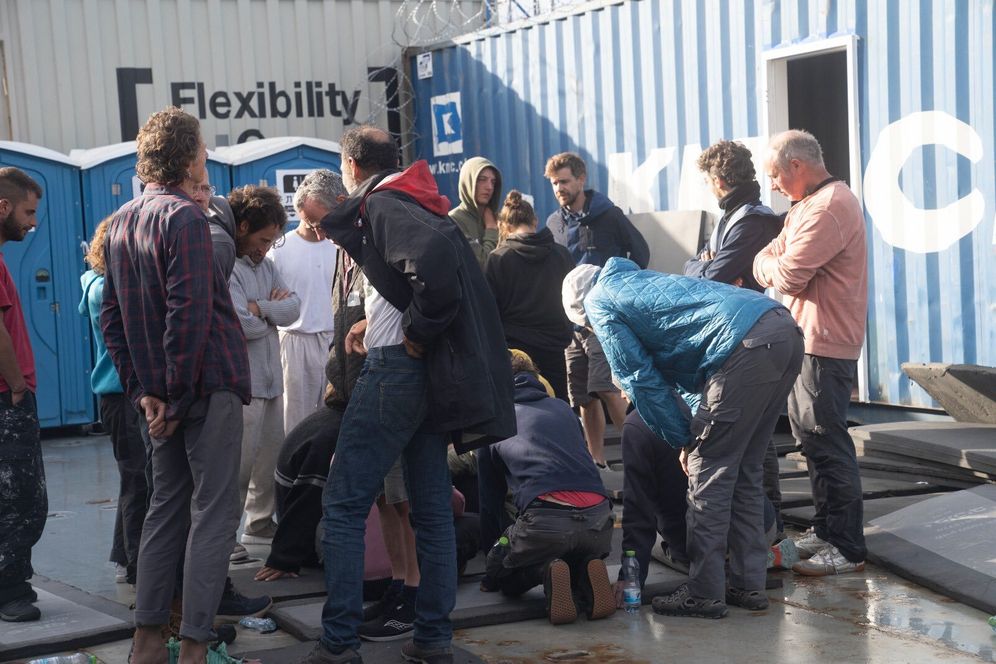
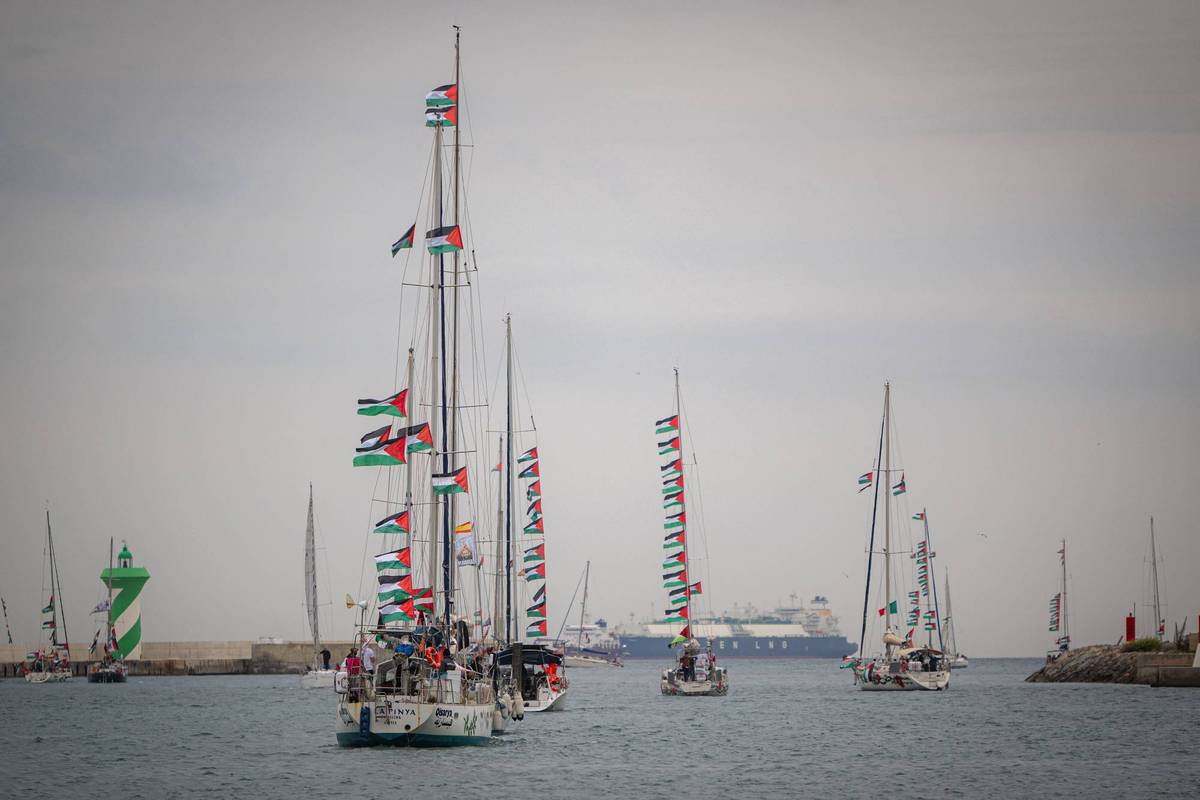
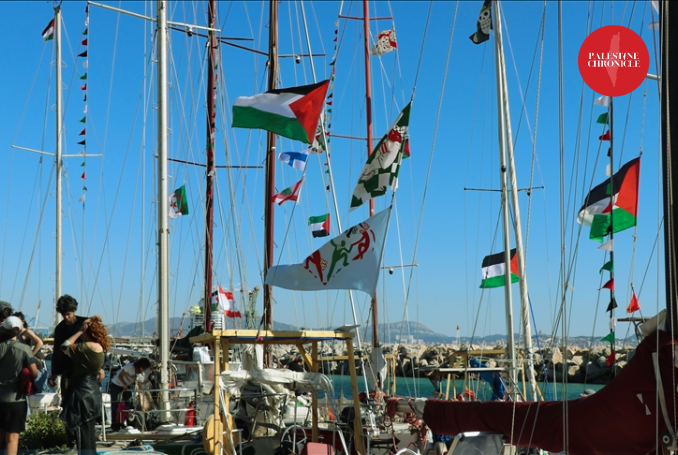
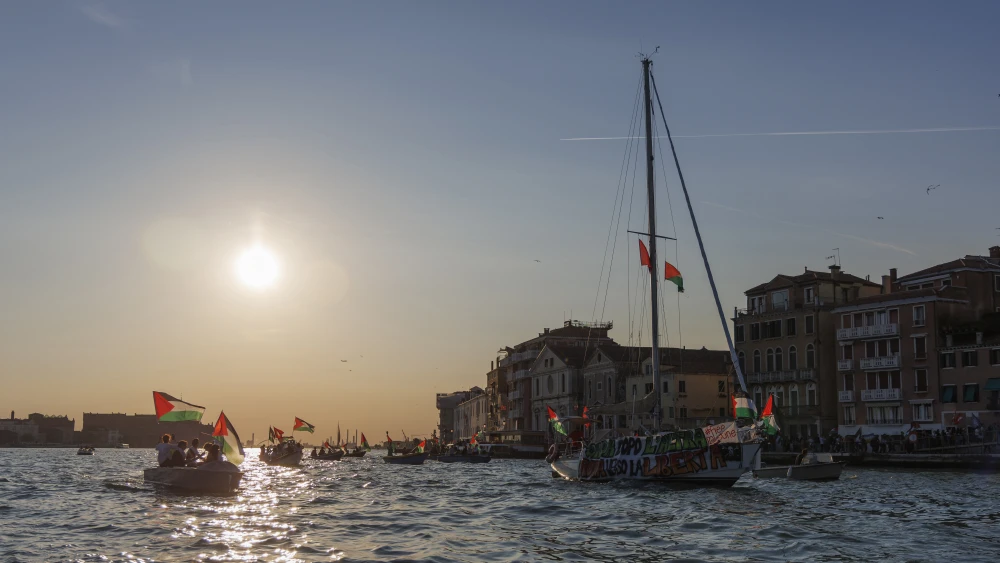
The Eastern Mediterranean shipping corridor faces significant disruption following Israel's May 1, 2026 interception of the 69-vessel Global Sumud Flotilla off Crete, with direct implications for cross-border sellers routing goods through Spanish, Italian, and Greek ports. The incident—the second major flotilla seizure in 8 months—demonstrates Israel's commitment to enforcing its Gaza naval blockade in international waters up to 965km from Gaza, creating a de facto maritime exclusion zone that affects legitimate commercial shipping routes between Southern Europe and the Eastern Mediterranean.
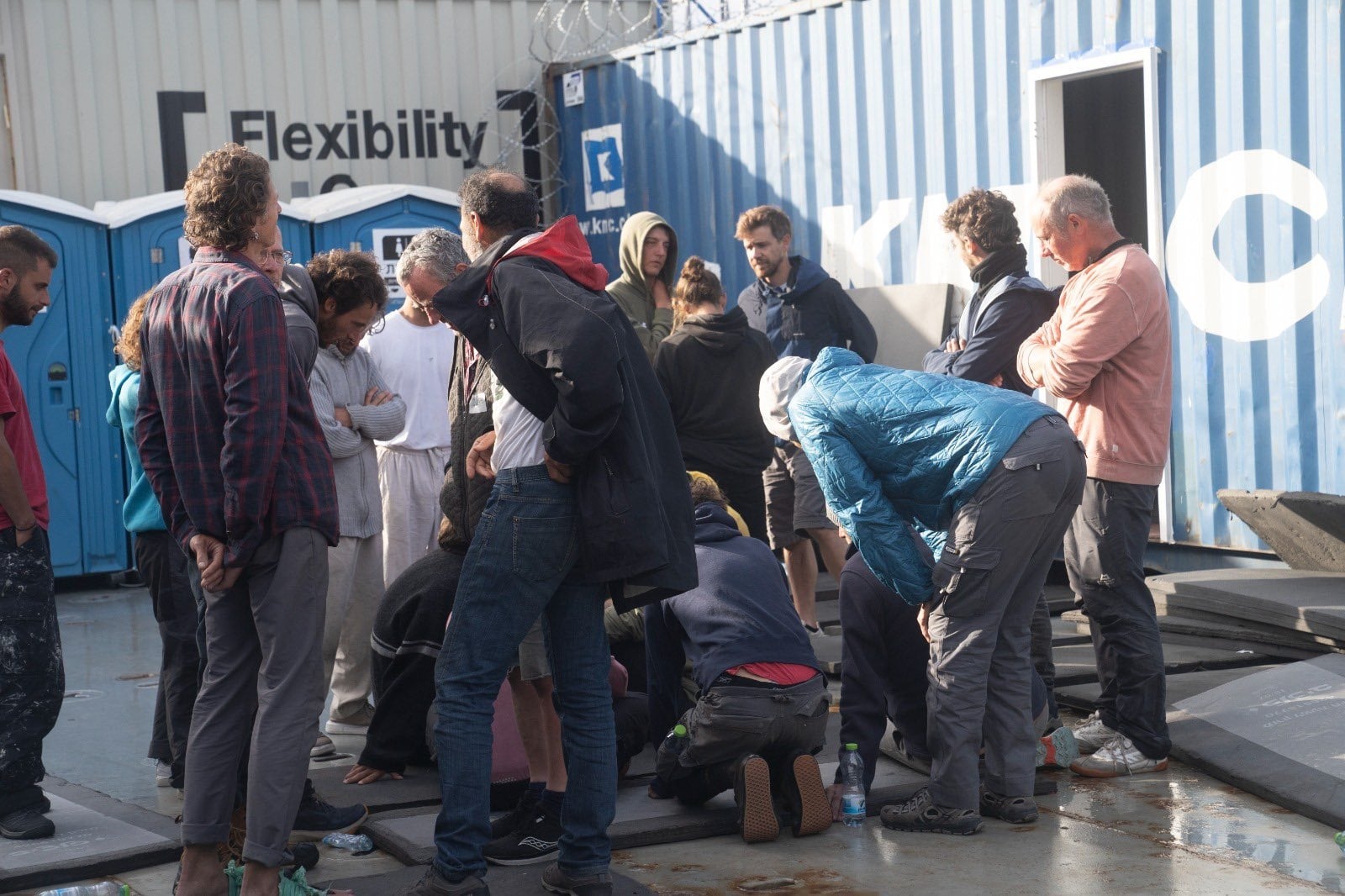
For cross-border sellers, this creates three immediate operational challenges: First, maritime insurance costs are rising 15-25% for vessels transiting the Eastern Mediterranean, particularly those departing from Barcelona, Valencia, and Italian ports (Genoa, Naples) that service Amazon FBA European fulfillment centers and Shopify merchants. The flotilla seizure involved 22 boats from a 69-vessel convoy, with Israeli forces transferring 168 activists to Greek vessels—demonstrating the scale of naval enforcement operations. Second, shipping delays are increasing by 5-10 business days as logistics providers reroute cargo through longer southern passages (via Suez Canal alternatives) or northern European ports, adding $400-800 per 20ft container to transit costs. Third, compliance complexity is escalating as shippers must now obtain additional documentation proving cargo is not humanitarian aid destined for Gaza, creating 3-5 day processing delays at origin ports.
The competitive advantage shifts toward sellers with established relationships with 3PL providers operating non-Mediterranean routes. Sellers shipping electronics, apparel, and consumer goods from China/Vietnam to EU markets via Mediterranean ports (representing approximately 35-40% of Asia-Europe trade volume) face margin compression of 2-4% due to insurance and routing surcharges. However, sellers using alternative routes through Northern Europe (Hamburg, Rotterdam) or air freight for high-margin categories (electronics, luxury goods) gain competitive positioning. The incident also signals heightened geopolitical risk premiums—insurance underwriters are now requiring additional documentation for all Mediterranean shipments, creating compliance costs of $150-300 per shipment for sellers unfamiliar with maritime risk protocols.
Strategic sourcing implications are emerging: Sellers currently dependent on Mediterranean ports should evaluate diversification to Northern European gateways (Hamburg, Rotterdam, Antwerp) which add 2-3 days transit time but eliminate geopolitical risk premiums. For sellers with inventory already in transit through the Mediterranean (approximately 47 vessels remain sailing off Crete per the news reports), expect 7-14 day delays and potential rerouting costs of $500-1,200 per container. The ceasefire agreement mentioned in the news (with aid guarantees to Gaza's 2.1 million displaced residents) suggests humanitarian corridors may eventually open, but enforcement patterns indicate this remains 6-12 months away, making short-term route diversification essential for Q2-Q3 2026 inventory planning.
Questions 7
What geopolitical risk indicators should sellers monitor to anticipate further Mediterranean shipping disruptions?
Monitor three key indicators: (1) Israeli enforcement actions—the flotilla interceptions occur every 6-8 months, with the next potential action in November 2026, (2) diplomatic ceasefire negotiations—the current ceasefire includes aid guarantees but international organizations report insufficient supply levels, suggesting tensions remain high, and (3) insurance market pricing—maritime insurance premiums typically lead geopolitical disruptions by 2-4 weeks. Sellers should subscribe to maritime risk alerts from Lloyd's of London and track U.S. State Department statements on Middle East policy. The news reports Spain's foreign minister demanded activist release and Germany/Italy expressed concern, indicating European political pressure that could influence enforcement patterns. Set quarterly reviews (April 15, July 15, October 15, January 15) to reassess Mediterranean route viability and adjust sourcing strategies accordingly.
How should sellers adjust inventory planning for European fulfillment centers given Mediterranean shipping delays?
The 5-10 day delay from Mediterranean route disruption requires sellers to increase safety stock by 15-20% for European FBA centers and adjust replenishment cycles accordingly. For sellers with monthly inventory turns, this means ordering 2-3 weeks earlier than normal to account for routing delays. The news indicates 47 vessels remain sailing off Crete, suggesting congestion will persist through May-June 2026. Sellers should: (1) increase FBA inventory by 15-20% by May 15, 2026, (2) shift to Northern European ports for June-July shipments, (3) evaluate air freight for fast-moving SKUs, and (4) negotiate extended payment terms with suppliers to manage increased working capital. For sellers with $500K+ monthly inventory value, this could require $75K-100K additional working capital investment through Q3 2026.