
Pet Vaccine Boom Drives $760M Market Expansion | Seller Opportunities in Pet Health
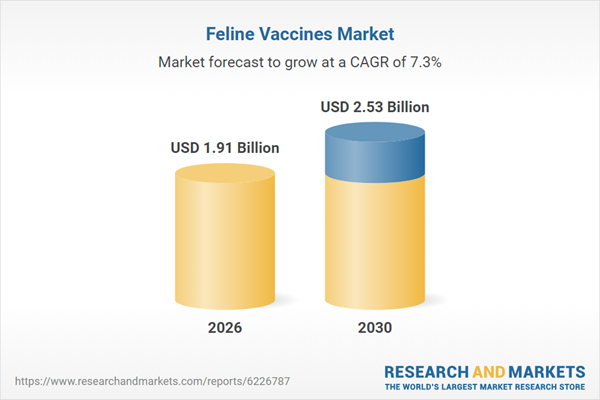
- Cat ownership surges 23% (40M to 49M US households), creating $1.77B-$2.53B vaccine market opportunity for pet health sellers through 2030
Overview
The global feline vaccines market represents a high-growth opportunity for cross-border e-commerce sellers, expanding from $1.77 billion in 2025 to $2.53 billion by 2030 at a 7.3% compound annual growth rate. This expansion is directly fueled by explosive pet adoption: the American Pet Products Association reports a 23% rise in cat ownership, with U.S. households increasing from 40 million in 2023 to 49 million in 2024. For sellers, this translates to surging demand across complementary pet health product categories—not just vaccines, but pet supplements, health monitoring devices, grooming supplies, and wellness accessories that accompany pet ownership growth.
Market consolidation and innovation create supply chain opportunities. In September 2024, MSD Animal Health received USDA approval for Nobivac NXT FeLV, a next-generation vaccine using RNA-particle technology, while Boehringer Ingelheim acquired Saiba Animal Health AG to integrate advanced biotechnology into its companion animal portfolio. These developments signal that the pet health sector is experiencing rapid professionalization and investment. For sellers, this means: (1) established brands are consolidating distribution channels, creating gaps for third-party sellers to fill with complementary products; (2) new vaccine approvals drive consumer education campaigns that increase overall pet health awareness and spending; (3) supply chain investments by major players (Merck, Zoetis, Elanco, Virbac) indicate stable sourcing for related pet health products.
Regional demand patterns favor Asia-Pacific expansion while North America leads current sales. North America dominated the 2025 market, but Asia-Pacific is forecasted as the fastest-growing region through 2030, with key markets including USA, China, Germany, and Japan. This geographic split creates distinct seller strategies: North American sellers can capitalize on mature market consolidation and premium product positioning, while sellers targeting Asia-Pacific can compete on value and localized pet health solutions. Global trade fluctuations are prompting manufacturers to invest in local production and distribution channels—a signal that sellers with regional fulfillment networks or partnerships in China, Japan, and Germany will gain competitive advantages in the next 24-36 months.
Immediate seller opportunities span three categories: (1) Pet health supplements and wellness products (probiotics, joint support, immune boosters) that complement vaccine adoption; (2) Pet monitoring and health tracking devices (temperature monitors, activity trackers) aligned with heightened pet health awareness; (3) Educational content and premium pet care accessories (grooming tools, specialized nutrition) targeting the 9 million new cat owners entering the market. The 7.3% annual growth rate suggests sustained demand through 2030, making this a long-term category investment rather than a flash trend.
Questions 8
How can sellers use the 23% cat ownership increase to drive marketing and sales growth?
The 23% cat ownership surge (9 million new households) represents a massive audience of first-time pet parents seeking guidance. Sellers should: (1) **Target new pet owner demographics** on Amazon and Facebook with educational content about feline health, vaccination schedules, and wellness routines; (2) **Create content bundles** pairing vaccines with complementary products (e.g., 'Post-Vaccination Care Kit' with probiotics, comfort treats, monitoring guides); (3) **Leverage seasonal peaks** around spring/summer adoption seasons (March-August typically see 30-40% higher pet adoption); (4) **Build email lists** from pet health content to drive repeat purchases of supplements and wellness products. The American Pet Products Association data shows new pet owners spend 2-3x more on health products in their first 12 months—making this cohort highly profitable for sellers willing to invest in education-driven marketing.
What compliance and regulatory considerations apply to selling pet vaccines and health products cross-border?
Pet vaccines are heavily regulated by USDA (USA), EMA (Europe), and regional veterinary authorities. Most sellers cannot directly sell vaccines without veterinary licenses, but complementary products (supplements, monitoring devices, grooming supplies) face lower barriers. Key considerations: (1) **Supplements** require FDA compliance (AAFCO standards for pet nutrition); (2) **Health monitoring devices** may require medical device classification in some regions; (3) **Cross-border shipping** to Asia-Pacific requires country-specific veterinary product approvals. Sellers should focus on non-regulated complementary categories and partner with licensed distributors for vaccine-adjacent products. Avoid direct vaccine sales unless holding proper veterinary credentials and regulatory approvals in target markets.