



Trump's Fed Chair Gambit: Rewriting Central Banking's Playbook
- Unprecedented presidential intervention threatens Federal Reserve's traditional independence













Overview
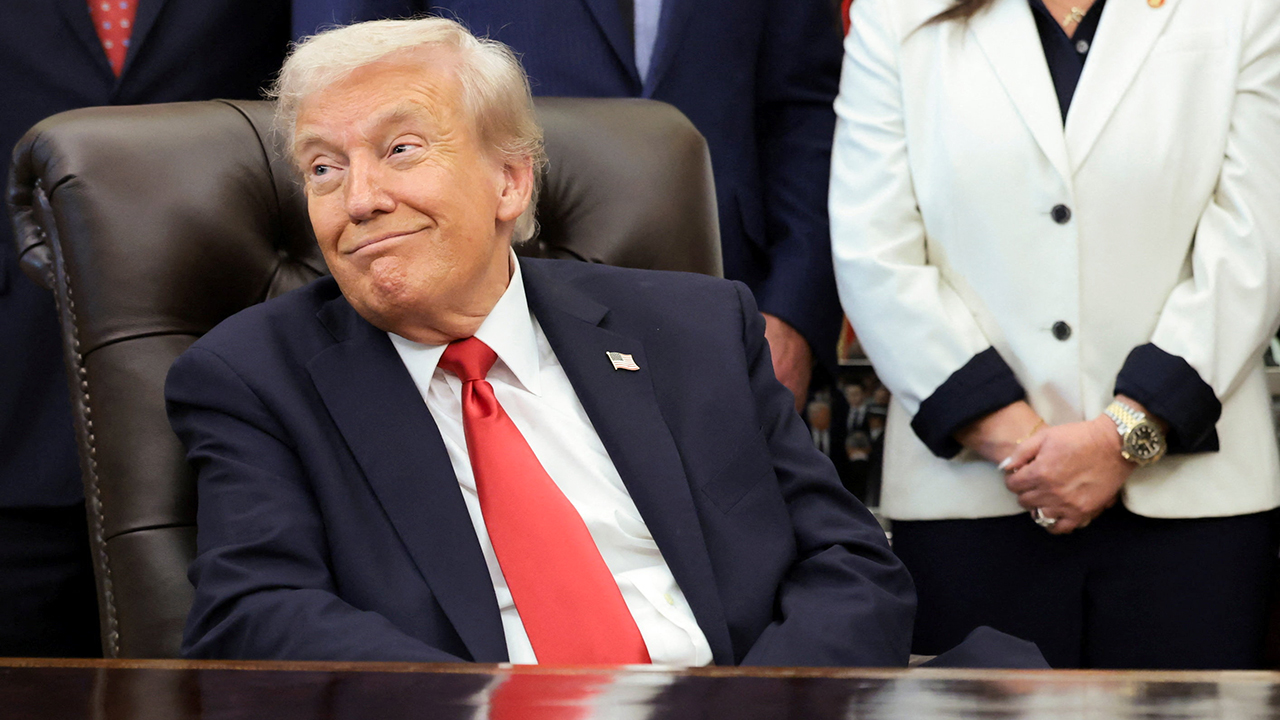
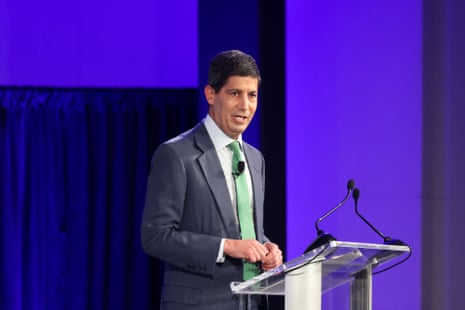
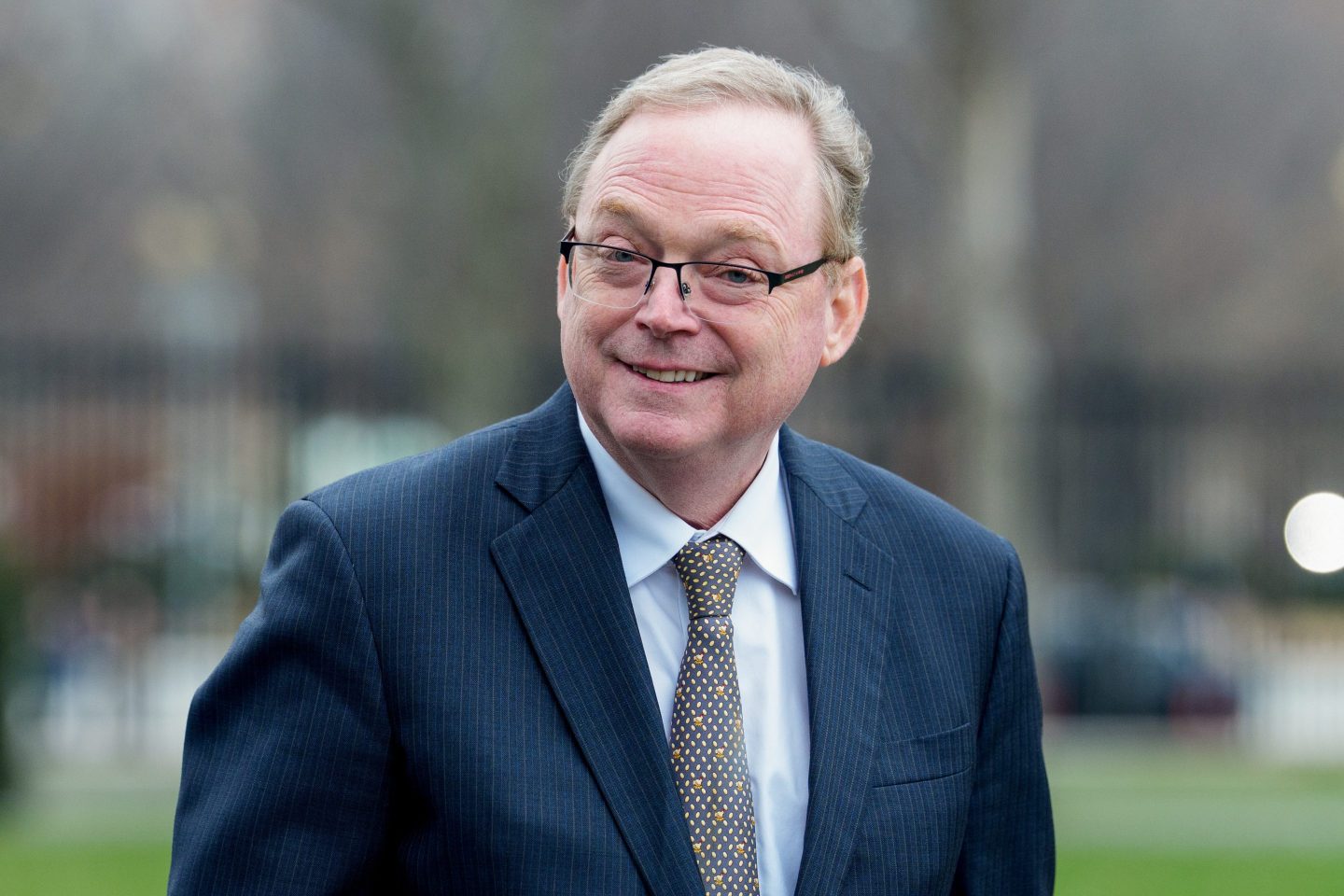
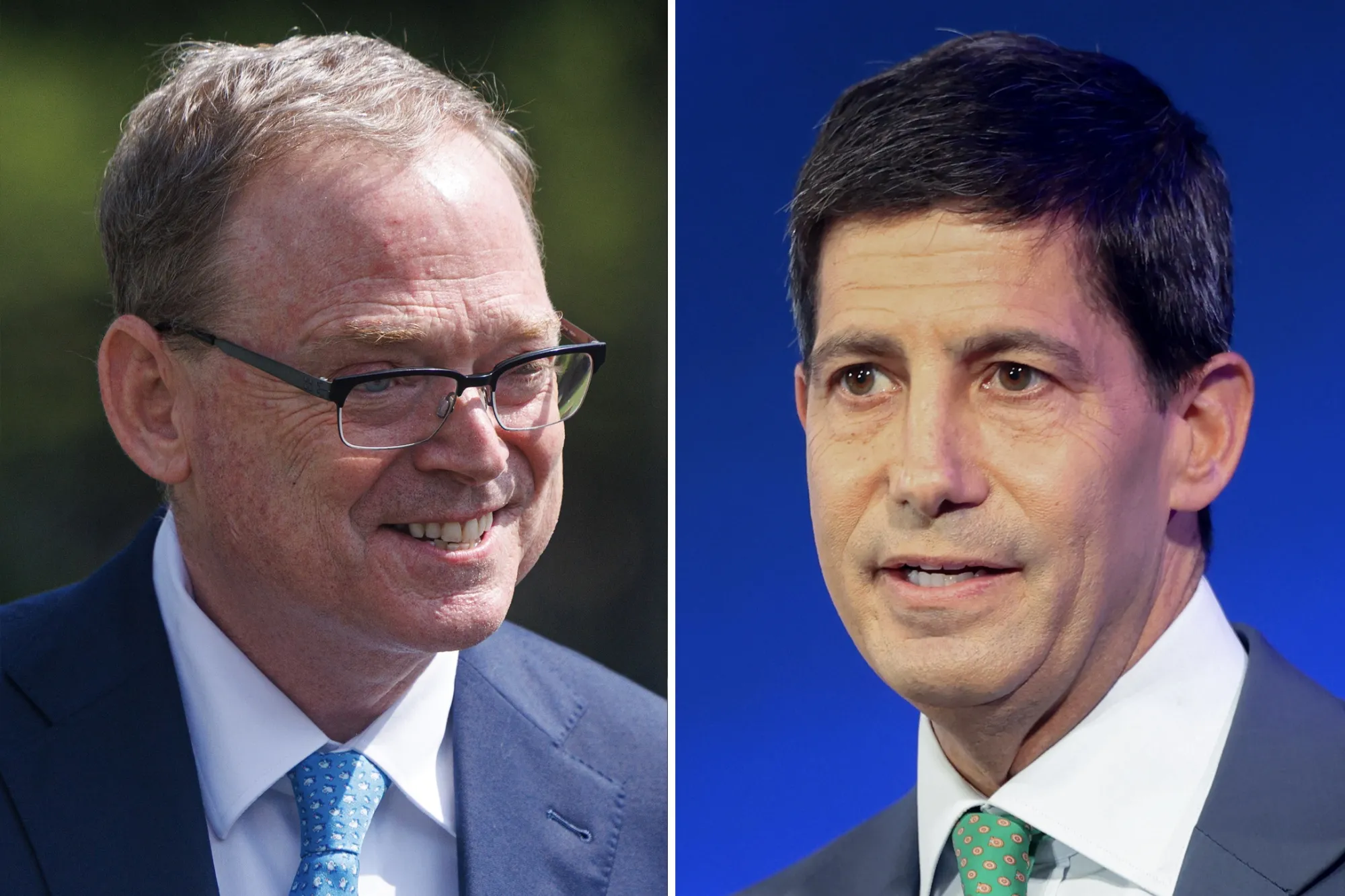
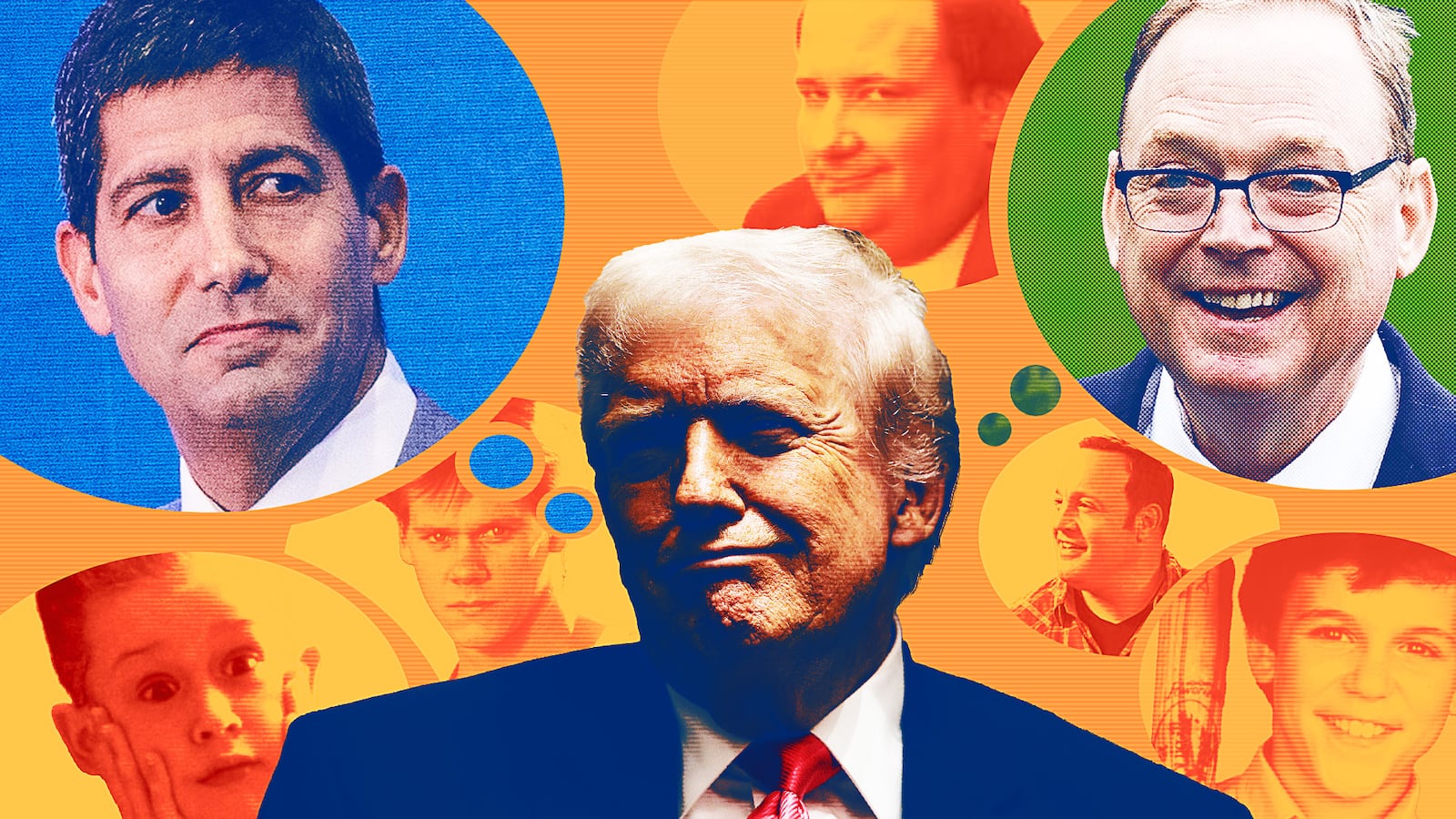
The Federal Reserve stands at a critical inflection point, with President Trump's aggressive attempts to reshape monetary leadership revealing a profound challenge to institutional independence. At the heart of this strategic maneuver are two Kevins - Kevin Warsh and Kevin Hassett - who represent Trump's vision of a more politically responsive central banking system.
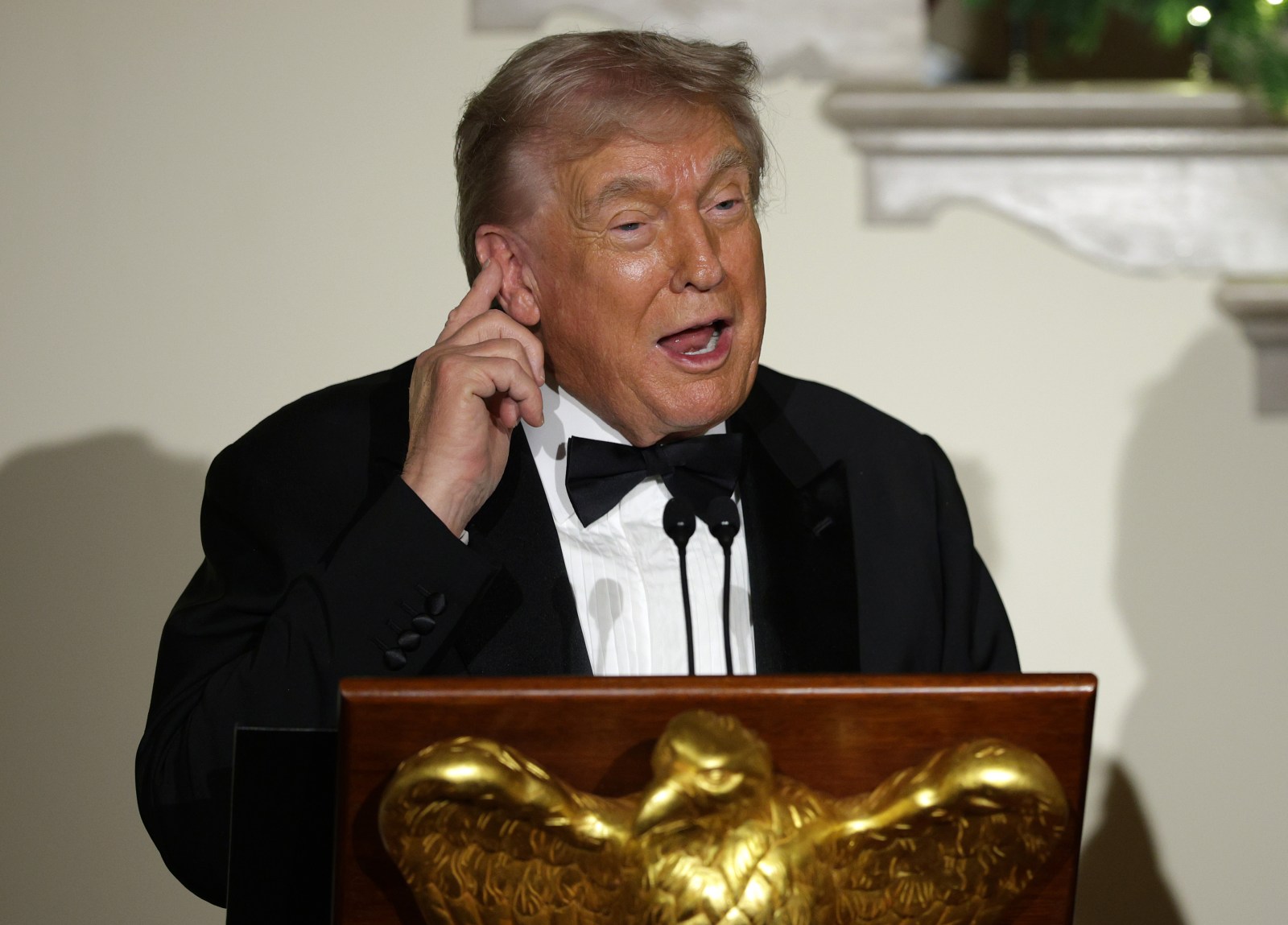
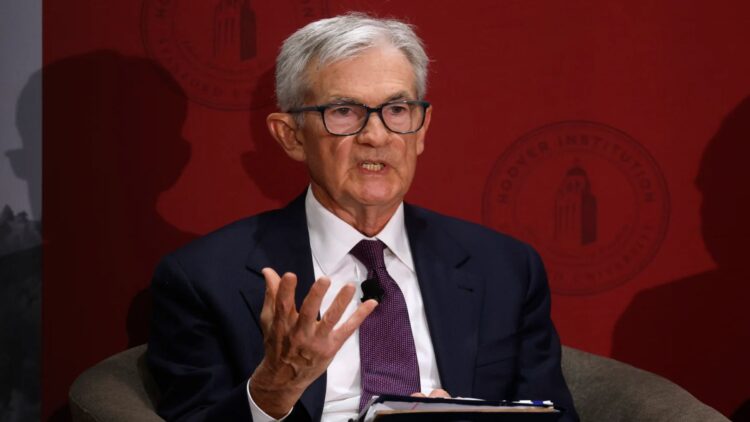
Trump's approach goes beyond typical executive engagement, signaling a fundamental reimagining of the Fed's role. By consistently pressuring current Chair Jerome Powell and seeking replacements who align more closely with his economic perspectives, the president is attempting to transform the central bank from an independent institution into a more executive-responsive economic tool.
The current federal funds rate sits at 3.5-3.75%, a range Trump believes is too high. His preferred candidates, particularly Warsh, have demonstrated willingness to consider more aggressive rate cuts. This isn't merely a leadership change but a potential paradigm shift in monetary policy management. Experts like Peter Conti-Brown warn that such direct presidential interference could lead to catastrophic economic consequences, potentially triggering currency instability and compromising long-term economic planning.
The strategic implications are profound. By seeking a Fed chair who will "consult" on interest rates - a departure from traditional central bank independence - Trump is challenging decades of established monetary governance. The selection process reveals a broader pattern of consolidating influence across federal agencies, with the Fed representing perhaps the most consequential potential transformation.
For financial markets, international traders, and cross-border businesses, this represents a significant risk landscape. The potential replacement of Powell could fundamentally alter exchange rate dynamics, borrowing costs, and overall economic stability. Businesses must closely monitor these developments, as the Fed chair's approach could dramatically impact global financial strategies.
Questions 3
How might the potential Fed chair change impact international businesses?
International businesses should anticipate potential volatility in exchange rates, borrowing costs, and overall economic stability. A Fed chair more responsive to presidential preferences could lead to more unpredictable monetary policy, requiring more sophisticated risk management and hedging strategies.
Who are the top candidates for Fed chair, and what distinguishes them?
Kevin Warsh and Kevin Hassett are the top candidates. Warsh, a former Fed governor, appears to be Trump's preferred choice, particularly because he seems more aligned with the president's perspective on lowering interest rates. Both candidates are viewed as potentially more receptive to executive branch input compared to the current chair, Jerome Powell.