




Quantum Computing's New Frontier: Google's Strategic British Brain Trust
- Academic collaboration unlocks transformative computational capabilities for tech innovation



Overview
The quantum computing landscape is experiencing a pivotal transformation, with Google's strategic collaboration with the UK's National Quantum Computing Centre (NQCC) signaling a new era of technological innovation. This initiative represents more than a research partnership—it's a calculated move to accelerate quantum computing's real-world applications through open academic engagement.
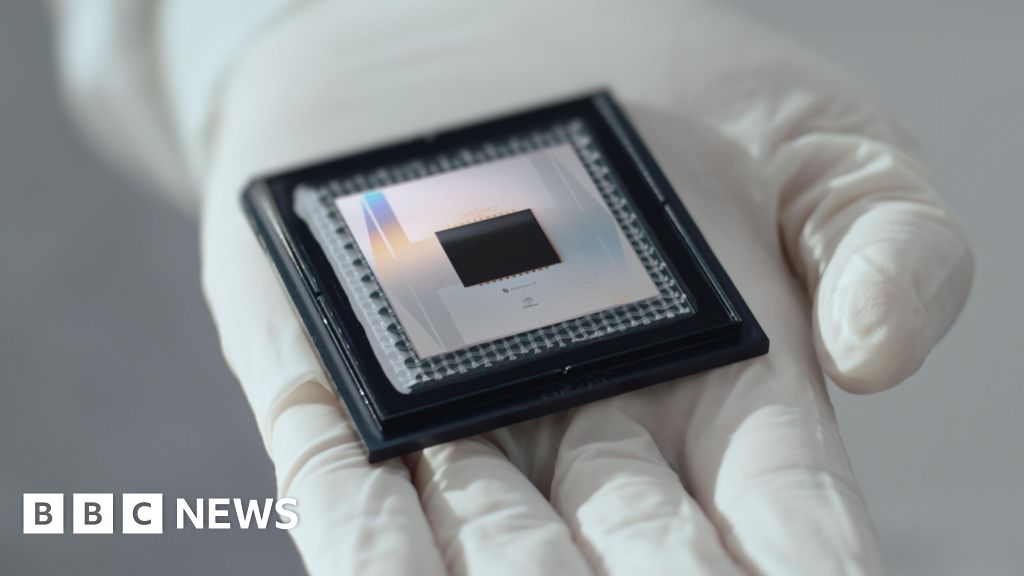
Strategic Collaboration as a Competitive Lever: By inviting British researchers to explore the advanced Willow quantum processor, Google is effectively crowdsourcing innovation while simultaneously accessing top-tier academic expertise. The initiative comes at a critical moment in quantum computing, where major tech companies are racing to achieve quantum advantage—the point at which quantum machines outperform classical computing systems. The $10 billion valuation of Quantinuum in 2025 underscores the massive potential and investor confidence in this emerging technology.
Bridging Academic and Industrial Innovation: The collaboration's unique structure allows UK researchers to submit experimental proposals directly engaging with Google's quantum computing experts. This approach represents a sophisticated model of technology development, where academic curiosity meets industrial precision. Professor Paul Stevenson's observation highlights the mutual benefits: UK researchers gain unprecedented access to cutting-edge technology, while Google expands its European research capabilities and taps into a rich pool of scientific talent.
The broader implications extend far beyond immediate technological gains. Quantum computing promises to revolutionize complex problem-solving in domains like chemistry, medicine, and materials science—areas currently constrained by classical computing limitations. By creating an open, collaborative ecosystem, Google is not just developing a processor; it's cultivating a global quantum research community that could unlock transformative computational capabilities.
As competition intensifies with tech giants like Microsoft and Amazon pursuing their own quantum strategies, this collaborative approach positions Google as a thought leader. The initiative signals a profound shift from closed, proprietary research to a more open, globally distributed innovation model that could accelerate quantum computing's potential by years, if not decades.
Questions 3
What makes Google's collaboration with NQCC unique in quantum computing research?
Unlike traditional closed research models, this initiative offers UK researchers direct access to submit experimental proposals for the Willow quantum processor. It creates an open innovation ecosystem that combines academic curiosity with industrial expertise, potentially accelerating quantum computing development.
What strategic advantages does Google gain from this UK-based research collaboration?
By engaging British researchers, Google gains access to top-tier academic talent, expands its European research capabilities, and creates a distributed innovation model. The collaboration allows Google to tap into diverse scientific perspectives while potentially reducing internal R&D costs through collaborative research approaches.